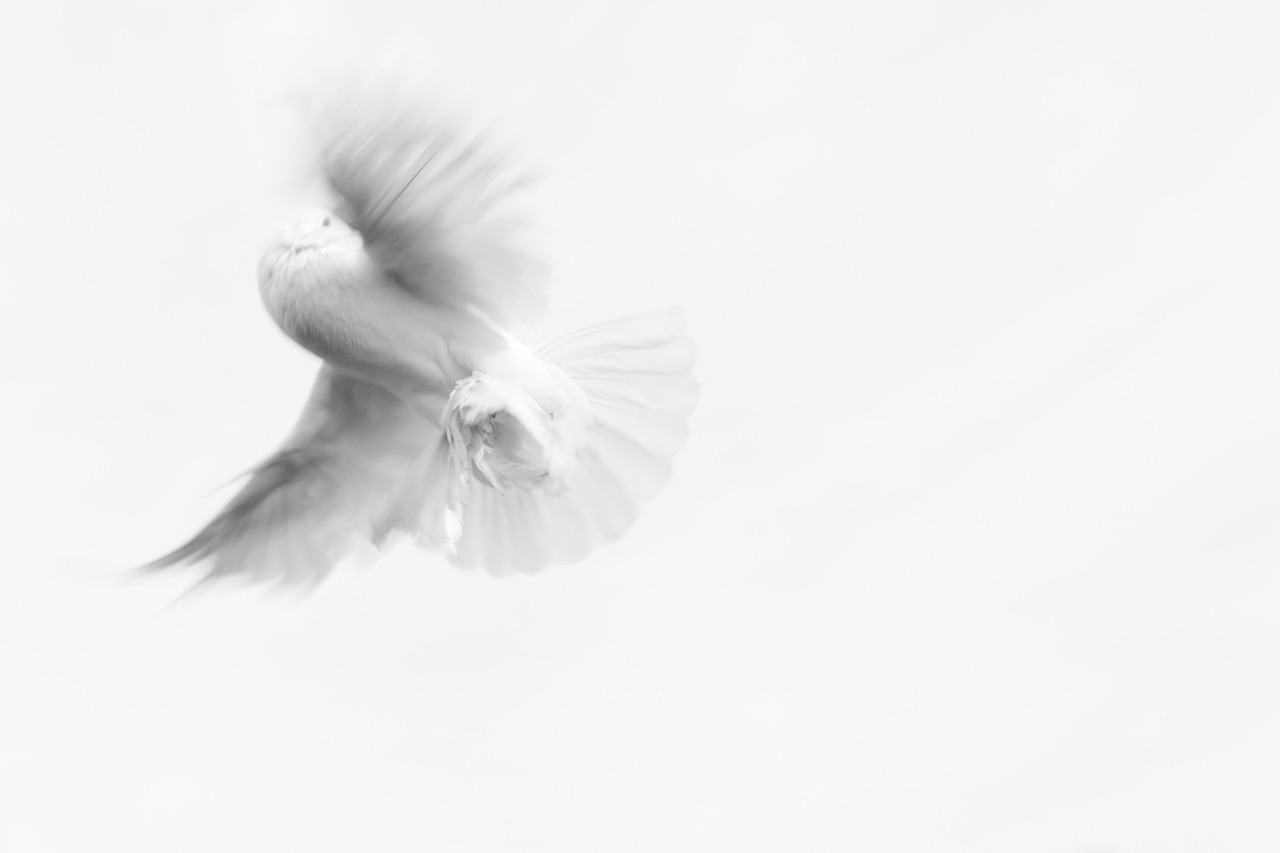
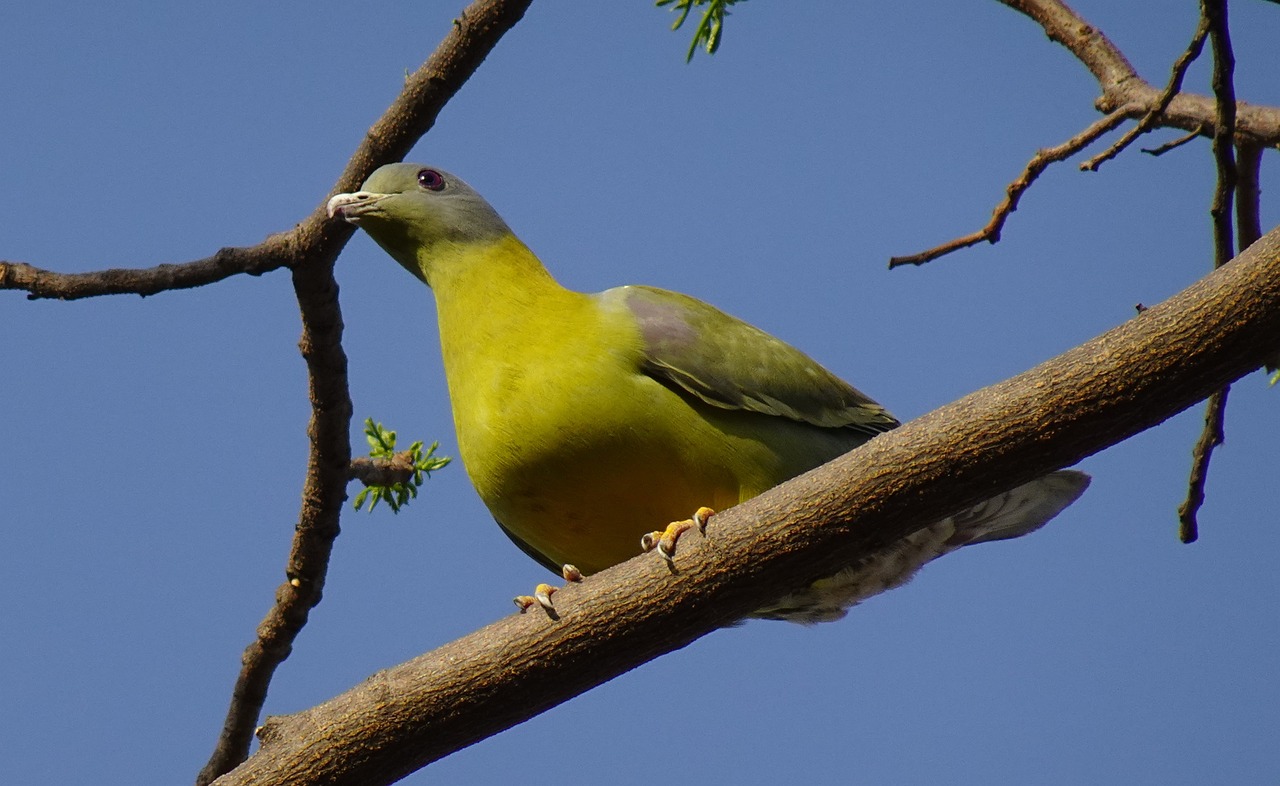
Shami pigeons, known for their elegance and rich heritage, are a prized breed among enthusiasts in the Arab world. This comprehensive guide delves into their vibrant colors, detailed specifications, and current market prices, offering valuable insights for both beginners and seasoned breeders. Understanding these aspects can enhance your appreciation and care for these magnificent birds.
Introduction to Shami Pigeons
Shami pigeons, often referred to as Syrian pigeons, have a long history rooted in Middle Eastern culture, where they are celebrated for their beauty and utility. These birds are not just pets but symbols of tradition, often featured in competitions and breeding programs. Their popularity stems from their adaptability and the joy they bring to pigeon fanciers worldwide.
Historical Background
The origins of Shami pigeons trace back centuries to the Levant region, where they were bred for their distinctive traits and roles in social ceremonies. Over time, selective breeding has refined their characteristics, making them a staple in Arab pigeon-keeping communities. This history enriches their appeal, connecting modern breeders to a deep cultural legacy that values purity and excellence in avian breeds.
In recent decades, Shami pigeons have gained international recognition, with breeders focusing on preserving their genetic diversity. Historical records show that these pigeons were often kept by nobility, highlighting their status as a luxury breed. Understanding this background helps enthusiasts appreciate the breed's evolution and the efforts to maintain its standards in today's global market.
Cultural Significance
In many Arab countries, Shami pigeons are more than just birds; they are part of cultural rituals and family traditions, often passed down through generations. They symbolize peace and prosperity, and their presence in homes is believed to bring good fortune. This cultural depth adds to their allure, making them a meaningful addition to any collection.
Events like pigeon shows and races often feature Shami pigeons, where their beauty and performance are judged against strict criteria. These gatherings foster community among breeders, who share tips and stories, strengthening the bond between people and their pigeons. Embracing this cultural aspect can deepen your engagement with the breed and its enthusiasts.
Colors and Varieties of Shami Pigeons
Shami pigeons boast a stunning array of colors, each with unique patterns that make them highly sought after by collectors. From solid hues to intricate markings, the variety ensures there's a Shami pigeon to suit every taste. Breeders often prioritize color in their selection, as it can influence the bird's value and appeal in competitions.
Common Color Patterns
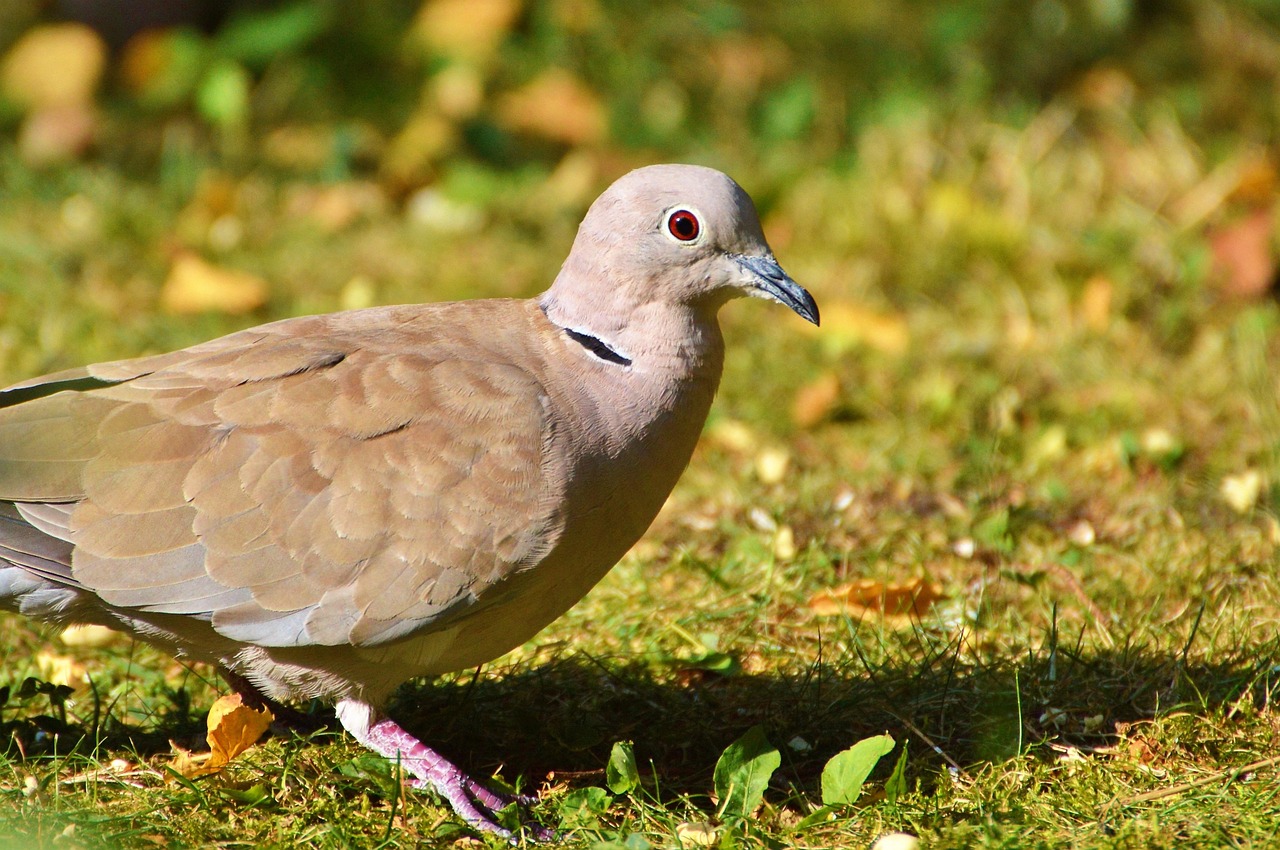
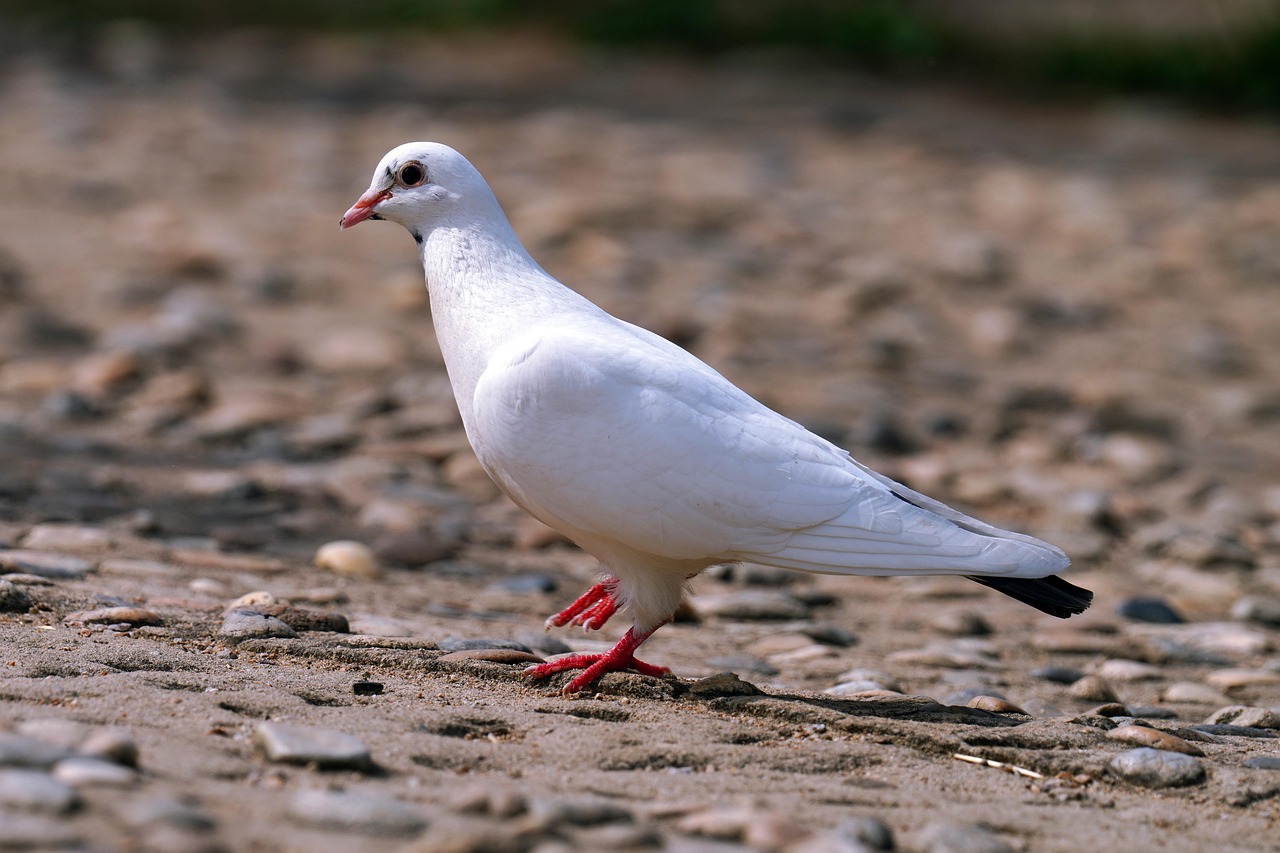
The most prevalent colors include shades of white, black, red, and yellow, often combined with bars or spots that enhance their visual appeal. For instance, the 'Ashqar' variety features a reddish-brown tint, while the 'Abyad' is pure white, symbolizing purity and elegance. These patterns are not just aesthetic; they can indicate lineage and breeding quality, helping enthusiasts make informed choices.
In breeding programs, color genetics play a crucial role, with certain combinations yielding rare and desirable offspring. Breeders might cross different color types to achieve specific hues, such as the coveted 'Murabba' pattern with its checkered appearance. Learning about these patterns can aid in identifying high-quality birds and understanding their market value, which ties into broader discussions on Shami pigeon prices.
Rare and Unique Colors
Beyond the common varieties, some Shami pigeons exhibit rare colors like blue, silver, or pied patterns, which are highly prized for their uniqueness. These rare types often command higher prices due to their scarcity and the difficulty in breeding them consistently. Enthusiasts might spend years seeking out these birds, adding an element of excitement to the hobby.
Preserving these rare colors requires careful breeding practices to avoid dilution or loss of traits. Breeders should monitor genetic health and avoid inbreeding, which can lead to issues. By focusing on diversity, the community ensures that future generations can enjoy the full spectrum of Shami pigeon colors, making it a rewarding aspect of pigeon management.
Specifications and Physical Characteristics
Shami pigeons are defined by their robust build, medium size, and distinctive features that set them apart from other breeds. Key specifications include body weight, wing span, and beak shape, all of which contribute to their overall health and performance. Understanding these traits is essential for proper care and breeding.
Body Structure and Size
A typical Shami pigeon weighs between 400 to 600 grams, with a wingspan of 60 to 70 cm, making them agile yet sturdy birds. Their bodies are well-proportioned, with a broad chest and strong legs that support their active lifestyle. This structure not only aids in flight but also makes them resilient to various environmental conditions, a trait valued by breeders.
When evaluating Shami pigeons, look for symmetry and balance in their physique, as deviations can indicate health issues or poor breeding. Regular assessments help maintain breed standards, ensuring that birds remain true to their heritage. By paying attention to size and structure, enthusiasts can select birds that excel in both appearance and functionality.
Beak, Eyes, and Feathers
The beak of a Shami pigeon is typically short and stout, ideal for feeding and grooming, while their eyes are bright and alert, often in shades of orange or pearl. Feathers are dense and smooth, providing insulation and contributing to their graceful appearance. These features are not just cosmetic; they play a role in the bird's overall well-being and ability to thrive.
Feather quality, in particular, can indicate nutritional health, with glossy, well-maintained plumage suggesting a balanced diet. Breeders should ensure access to clean water and high-quality feed to support these characteristics. Regular grooming and health checks can prevent issues like mites or feather loss, keeping your Shami pigeons in top condition.
Behavior and Temperament
Shami pigeons are known for their calm and friendly demeanor, making them excellent companions for both novice and experienced breeders. Their behavior includes social interactions, mating rituals, and flight patterns that reflect their intelligence and adaptability. Observing these traits can enhance the bonding experience and improve care practices.
Social Interactions
These pigeons are highly social, often forming strong bonds with their flock mates and human caregivers. They communicate through coos and body language, such as head bobbing or wing flapping, which can indicate contentment or distress. Providing a stimulating environment with perches and toys encourages natural behaviors, reducing stress and promoting happiness.
In group settings, Shami pigeons exhibit hierarchy, with dominant birds leading feeding and roosting activities. Breeders should monitor these dynamics to prevent aggression and ensure all birds have access to resources. By fostering a harmonious social structure, you can maintain a healthy and productive flock, which is key to long-term success in pigeon keeping.
Breeding and Nesting Habits
Shami pigeons are prolific breeders, with pairs often mating for life and raising multiple clutches per year. Their nesting habits involve building simple nests from twigs and feathers, typically in sheltered areas. Understanding these behaviors helps in creating optimal breeding conditions, such as providing nesting boxes and a quiet environment.
During breeding season, ensure adequate nutrition to support egg-laying and chick development. Watch for signs of infertility or health issues, and intervene if necessary to protect the brood. Successful breeding not only expands your flock but also contributes to the preservation of the breed, aligning with efforts to maintain Shami pigeon populations.
Care and Maintenance
Proper care is crucial for the health and longevity of Shami pigeons, encompassing diet, housing, and health management. A well-maintained environment prevents diseases and supports vibrant growth, ensuring that your birds remain active and beautiful. This section covers essential practices for everyday upkeep.
Diet and Nutrition
Shami pigeons thrive on a balanced diet of grains, seeds, and supplements, such as grit for digestion and vitamins for overall health. A typical daily intake includes wheat, corn, and legumes, providing the energy needed for flight and breeding. Fresh water should always be available, as dehydration can lead to serious health problems.
Adjust feeding based on the bird's age and activity level; for example, breeding pairs may require extra protein. Avoid overfeeding to prevent obesity, which can impact mobility and lifespan. By monitoring diet closely, you can enhance the well-being of your Shami pigeons and support their role in your aviary.
Housing and Environment
Ideal housing for Shami pigeons includes spacious lofts with good ventilation, protection from predators, and areas for perching and nesting. The environment should be clean and dry to prevent respiratory issues, with regular cleaning schedules to remove waste and debris. Temperature control is also important, as extreme heat or cold can stress the birds.
Enrich the loft with features like flying pens to encourage exercise, which is vital for muscle development and mental health. Regularly inspect for hazards, such as sharp edges or toxic materials, to ensure safety. A well-designed habitat not only keeps Shami pigeons healthy but also makes them more content and productive.
Pricing and Market Insights
The prices of Shami pigeons vary widely based on factors like color, age, and breeding quality, with averages ranging from $50 to $500 or more for exceptional specimens. Market trends show increasing demand for rare varieties, influenced by cultural events and online platforms. Understanding these dynamics helps buyers make smart investments.
Factors Affecting Shami Pigeon Prices
Key factors include the bird's lineage, with purebred Shami pigeons from renowned breeders commanding higher prices. Color rarity, health status, and training level also play roles; for instance, birds trained for shows or racing may cost more. Seasonal fluctuations can occur, with prices often rising during breeding seasons or festivals.
To assess value, compare multiple sources and consider long-term costs like care and housing. Investing in high-quality Shami pigeons can yield returns through breeding or competitions, but it's essential to budget accordingly. By researching prices, enthusiasts can avoid overpaying and build a valuable collection over time.
Where to Buy and Sell
Shami pigeons are available through local breeders, pigeon clubs, and online marketplaces, each offering different advantages in terms of selection and pricing. When buying, verify the seller's reputation and request health certificates to ensure you're getting a healthy bird. For selling, highlight unique traits like color or pedigree to attract buyers.
Networking with other enthusiasts can provide insights into fair pricing and available stock. Attend events or join forums to stay updated on market trends. Whether buying or selling, a cautious approach ensures successful transactions and supports the broader community of Shami pigeon lovers.
Conclusion
In summary, Shami pigeons offer a rich blend of beauty, history, and practicality, making them a rewarding choice for any enthusiast. From their diverse colors and specifications to their friendly behavior and care needs, this guide has covered essential aspects to help you succeed. By applying these insights, you can enjoy a fulfilling experience with these remarkable birds. For expert guidance on managing your flock, consider reaching out to Ghawy – Pigeon Manager for personalized support and resources.