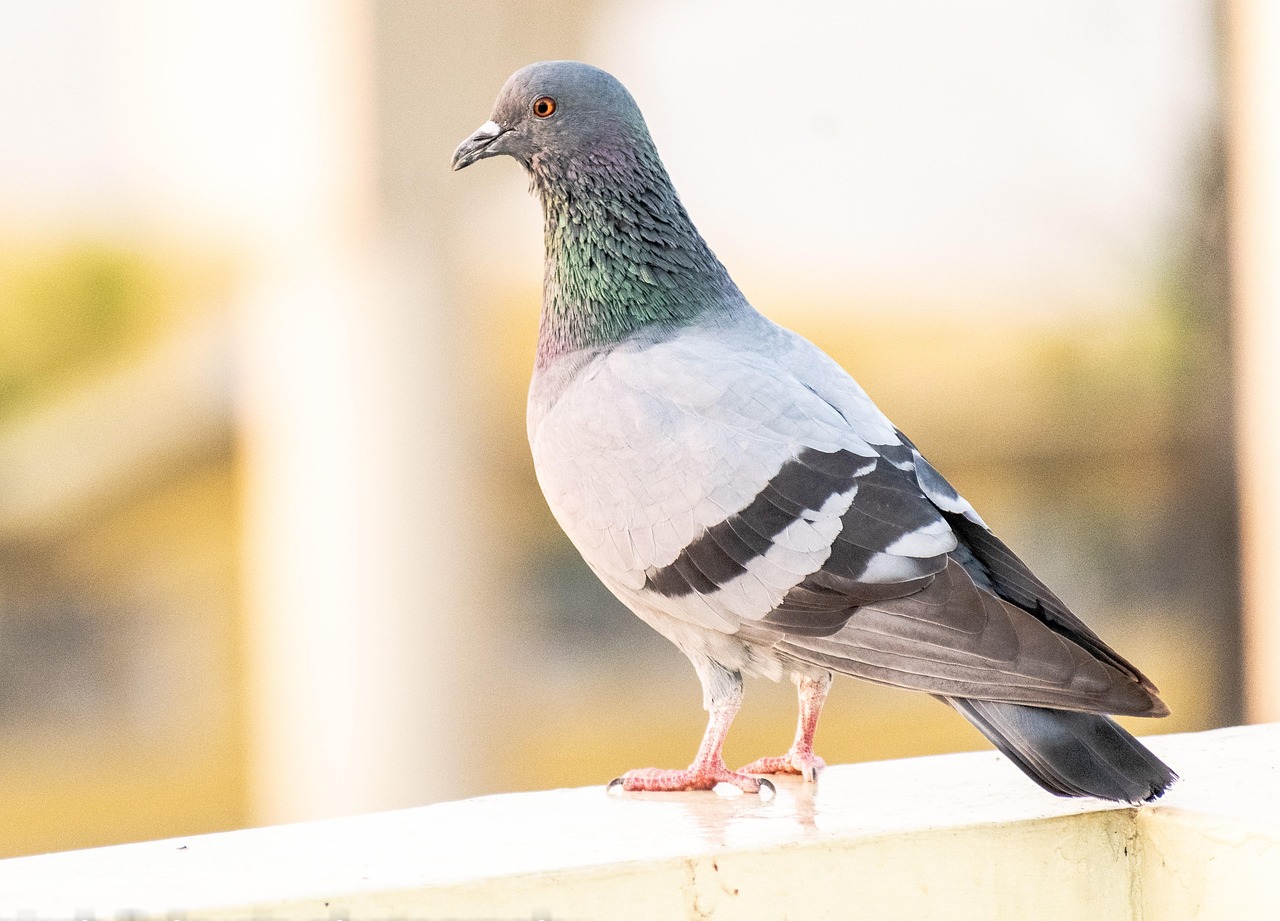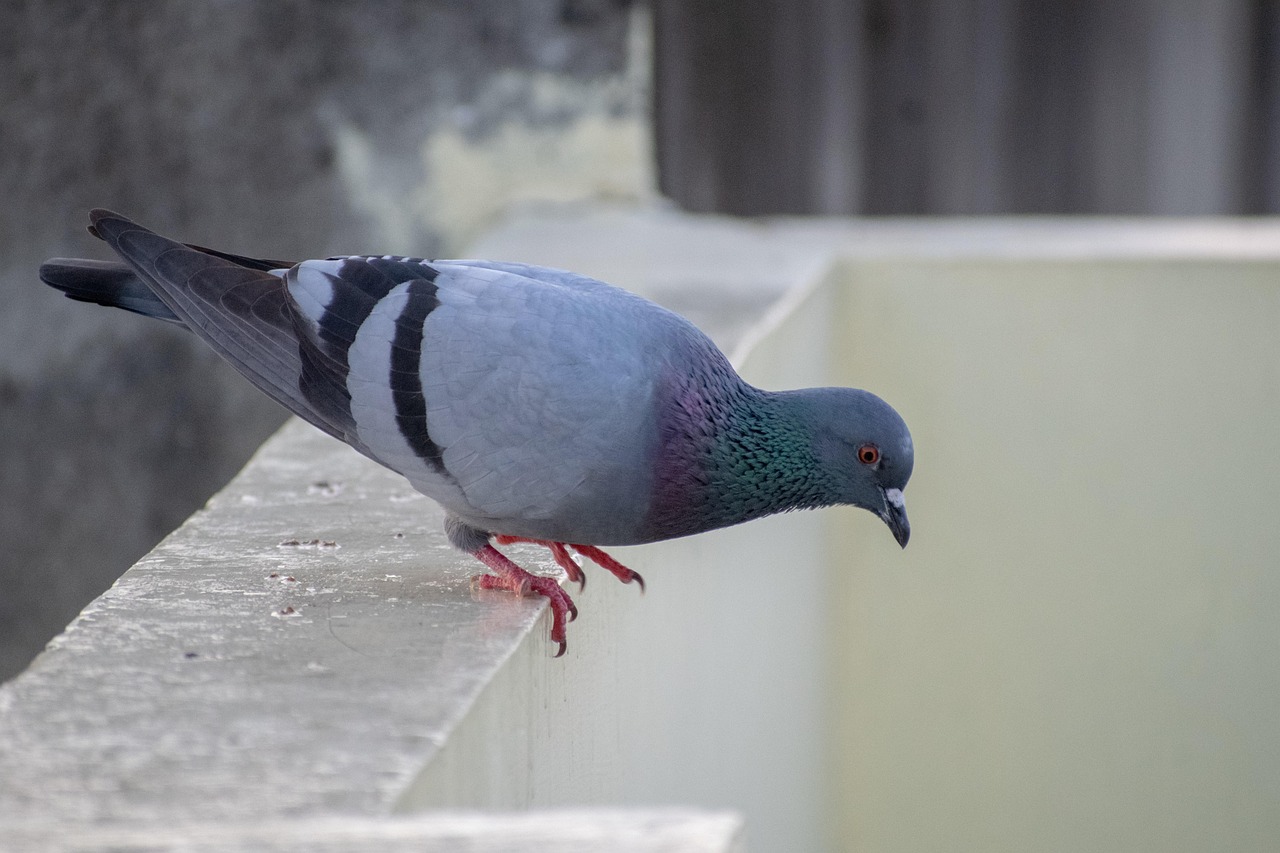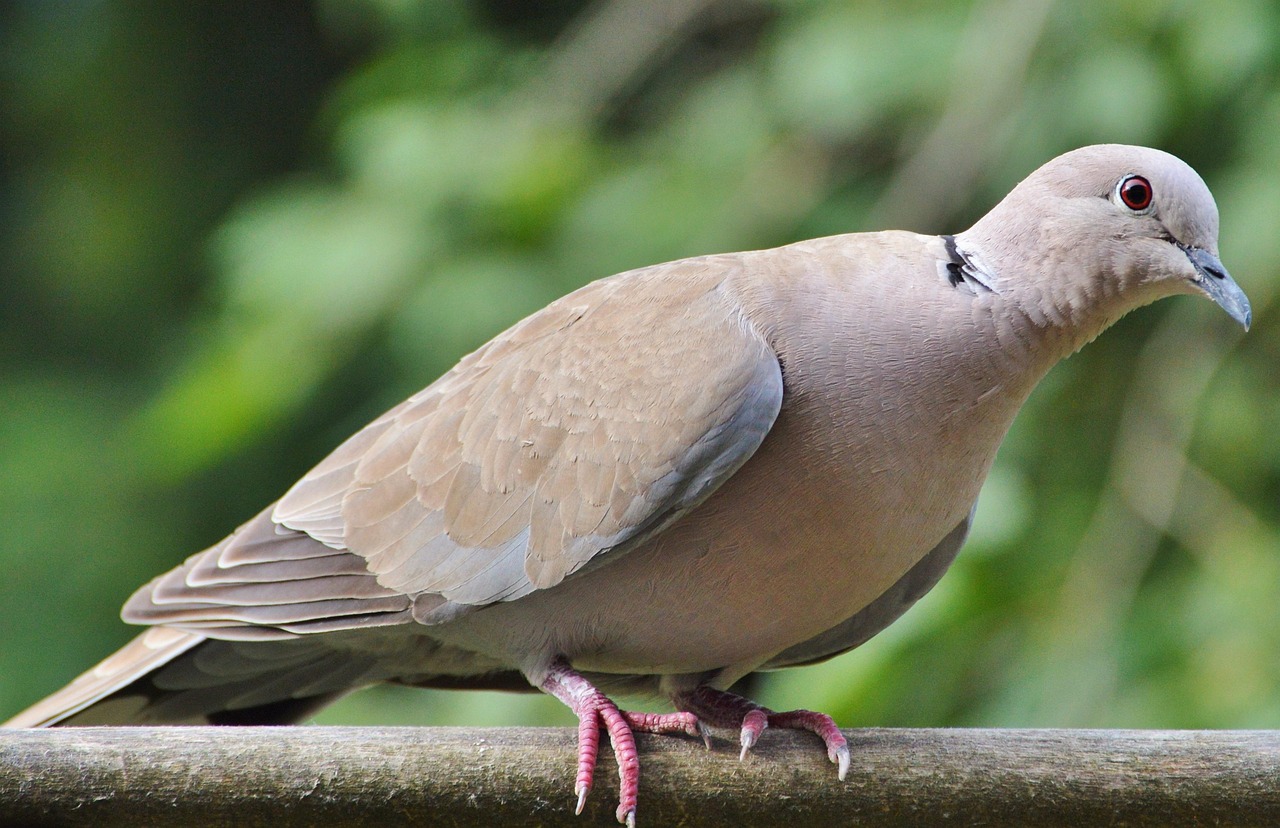
Keeping your pigeons healthy starts with a solid prevention protocol, focusing on common diseases and loft cleanliness. This guide dives into actionable strategies for pigeon diseases prevention and loft sanitation, ensuring your birds thrive in a safe environment. By implementing these practices, you can reduce illness risks and boost overall flock vitality.
Understanding Common Pigeon Diseases
Pigeons are susceptible to various illnesses that can spread quickly in crowded lofts. Recognizing these diseases early is key to effective pigeon diseases prevention. Common issues include respiratory infections, parasitic infestations, and viral outbreaks that compromise bird health.
Respiratory Infections in Pigeons
Respiratory diseases, such as ornithosis and mycoplasmosis, are prevalent in pigeons and often stem from poor loft conditions. Symptoms include sneezing, nasal discharge, and labored breathing, which can escalate without prompt action. Implementing strict loft sanitation helps minimize airborne pathogens and reduces infection rates. Regular monitoring and isolation of sick birds are essential steps in pigeon diseases prevention to curb outbreaks.
To combat respiratory issues, ensure proper ventilation in the loft to prevent moisture buildup, which fosters bacteria. Use disinfectants approved for avian environments during cleaning routines. Additionally, providing a balanced diet rich in vitamins supports immune function, making birds less vulnerable. By integrating these measures, you create a healthier space that aligns with effective loft sanitation practices.
Parasitic Threats and Control
Parasites like mites, lice, and worms can wreak havoc on pigeon health, leading to anemia, weight loss, and decreased performance. These pests thrive in unsanitary lofts, emphasizing the need for rigorous loft sanitation. Regular inspections of feathers and droppings help detect infestations early, allowing for timely treatment with safe antiparasitic products.
Preventive measures include cleaning perches and nesting areas frequently to remove parasite habitats. Incorporating natural repellents, such as diatomaceous earth, can deter pests without harsh chemicals. A proactive approach to pigeon diseases prevention involves scheduled deworming and environmental management, ensuring parasites don't compromise your flock's well-being. Consistent loft sanitation routines are your best defense against these persistent threats.
Essential Loft Sanitation Practices
Maintaining a clean loft is the cornerstone of pigeon diseases prevention, as it directly impacts disease transmission. A well-sanitized environment reduces pathogens and stress, promoting stronger immunity in pigeons. Start by establishing a regular cleaning schedule that covers all areas of the loft.
Daily Cleaning Routines
Daily loft sanitation tasks include removing droppings, uneaten food, and soiled bedding to prevent bacterial growth. Use tools like scrapers and brushes designed for easy cleanup, and dispose of waste properly to avoid contamination. This routine not only keeps the loft tidy but also minimizes odors that can attract pests and harm respiratory health.
Incorporate disinfectants into daily wiping of surfaces, such as feeders and waterers, to kill germs on contact. Opt for bird-safe products to avoid toxicity, and rinse thoroughly after use. By making daily loft sanitation a habit, you create a baseline for pigeon diseases prevention that supports long-term flock health and reduces the need for reactive treatments.
Deep Cleaning and Disinfection
Weekly or monthly deep cleaning is vital for comprehensive loft sanitation, targeting hard-to-reach areas where pathogens hide. Remove all pigeons temporarily and scrub surfaces with a solution of vinegar or commercial disinfectants, focusing on corners and crevices. Allow the loft to dry completely before reintroducing birds to prevent moisture-related issues.
During deep cleans, inspect for structural damage that could harbor diseases, such as cracks or damp spots. Repair any issues promptly to maintain a secure environment. This thorough approach to loft sanitation not only eradicates existing threats but also reinforces pigeon diseases prevention by creating a barrier against future infestations. Regular deep cleaning ensures your loft remains a sanctuary for healthy pigeons.
Nutrition and Health Management
A balanced diet plays a crucial role in pigeon diseases prevention, as proper nutrition strengthens the immune system. Focus on providing high-quality grains, seeds, and supplements that meet pigeons' nutritional needs, reducing their susceptibility to illnesses.
Optimal Feeding Strategies
Feed pigeons a varied diet rich in proteins, vitamins, and minerals to support overall health and disease resistance. Avoid moldy or spoiled feed, which can introduce toxins and pathogens, undermining loft sanitation efforts. Store food in airtight containers to maintain freshness and prevent pest access.
Supplement with probiotics and electrolytes during stressful periods, such as molting or breeding, to boost immunity. This proactive nutrition strategy complements loft sanitation by minimizing internal health issues. By prioritizing diet in pigeon diseases prevention, you empower your birds to fight off infections naturally, leading to a more resilient flock.
Hydration and Water Quality
Clean, fresh water is essential for pigeon health and effective loft sanitation, as contaminated water can spread diseases rapidly. Change water daily and clean containers to prevent algae and bacterial growth. Consider adding apple cider vinegar to water occasionally for its antimicrobial properties.
Monitor water sources for signs of pollution or debris, and use filters if necessary. Proper hydration supports digestion and toxin elimination, key aspects of pigeon diseases prevention. Integrating water management into your loft sanitation routine ensures that every element of the environment contributes to a disease-free loft.
Behavioral and Environmental Factors
Understanding pigeon behavior and environmental influences enhances pigeon diseases prevention by addressing root causes of stress and illness. Factors like overcrowding, temperature fluctuations, and social dynamics can impact health significantly.
Stress Reduction Techniques
Stress weakens pigeons' immune systems, making them more prone to diseases, so implement strategies to minimize anxiety. Provide adequate space per bird to prevent overcrowding, and ensure the loft has quiet areas for rest. Consistent routines and gentle handling reduce fear, supporting overall well-being.
Incorporate environmental enrichments, such as perches and toys, to promote natural behaviors and reduce boredom. These measures, combined with loft sanitation, create a low-stress environment that bolsters pigeon diseases prevention. By managing behavioral factors, you not only improve health but also enhance the quality of life for your pigeons.
Climate Control and Ventilation
Proper ventilation is critical for loft sanitation, as it regulates humidity and prevents respiratory issues. Install vents or fans to ensure air circulation without drafts, and monitor temperature to avoid extremes that stress pigeons. In cold climates, use insulation to maintain warmth, while in heat, provide shade and cooling methods.
Regularly check for dampness or condensation, which can foster mold and bacteria, undermining pigeon diseases prevention efforts. Adjust ventilation based on seasonal changes to keep the loft comfortable. A well-controlled environment, supported by diligent loft sanitation, reduces disease risks and promotes a thriving pigeon community.
Preventive Health Protocols
Establishing a structured health protocol is essential for sustained pigeon diseases prevention, involving regular check-ups, vaccinations, and quarantine measures. This proactive approach catches issues early and maintains loft sanitation standards.
Vaccination and Medication Schedules
Vaccinate pigeons against common diseases like paramyxovirus and salmonella, following a vet-recommended schedule to build immunity. Keep records of vaccinations and treatments to track health history and ensure timely interventions. Use medications only when necessary to avoid resistance, and always prioritize natural prevention methods.
Incorporate herbal remedies, such as garlic or echinacea, to support immune function without side effects. This integrated strategy, paired with loft sanitation, strengthens pigeon diseases prevention by addressing both conventional and holistic health needs. Regular health assessments help tailor protocols to your flock's specific requirements.
Quarantine and Isolation Practices
Quarantine new or sick pigeons in a separate area for at least two weeks to prevent disease spread, a cornerstone of loft sanitation. During this period, monitor for symptoms and perform health checks before integration. This practice minimizes the risk of introducing pathogens to the main loft.
Maintain strict hygiene in quarantine zones, using dedicated tools and disinfecting between uses. This focused approach to pigeon diseases prevention ensures that illnesses are contained early. By making quarantine a standard part of your routine, you protect the entire flock and uphold high loft sanitation standards.
Conclusion
In summary, effective pigeon diseases prevention hinges on consistent loft sanitation, proper nutrition, stress management, and proactive health protocols. By adopting these strategies, you can safeguard your pigeons from common illnesses and enhance their quality of life. For advanced tools to streamline loft management, consider exploring Ghawy – Pigeon Manager (غاوي – إدارة الحمام) to support your efforts in maintaining a healthy, thriving flock.