In the world of pigeon shows, exceptional photography can dramatically increase your bird's market value by highlighting its best features. This guide explores how to master pigeon photography and show presentation techniques to make your pigeons stand out. By focusing on key aspects like lighting and composition, you can create stunning images that attract buyers and judges alike.
Understanding the Basics of Pigeon Photography
Pigeon photography is more than just taking pictures; it's about capturing the essence of your bird's beauty and uniqueness. Start by learning the fundamentals, such as camera settings and angles, to ensure your photos are sharp and professional. A solid foundation in these basics will help you avoid common mistakes and produce high-quality images that enhance your pigeon's appeal.
Choosing the Right Equipment
Selecting the proper camera and lenses is crucial for effective pigeon photography. A DSLR or mirrorless camera with a macro lens allows you to capture fine details like feather texture and eye clarity. Additionally, invest in a tripod to stabilize your shots and avoid blurriness, especially in low-light conditions. Remember, good equipment doesn't have to be expensive; focus on features that suit your needs for pigeon shows.
Lighting plays a vital role in bringing out the colors and patterns of your pigeons. Natural light is often best, as it provides a soft, even glow that reduces harsh shadows. If shooting indoors, use softbox lights or reflectors to mimic daylight and highlight your bird's best attributes. Experiment with different setups to find what works for your specific pigeon breeds and show environments.
Mastering Camera Settings
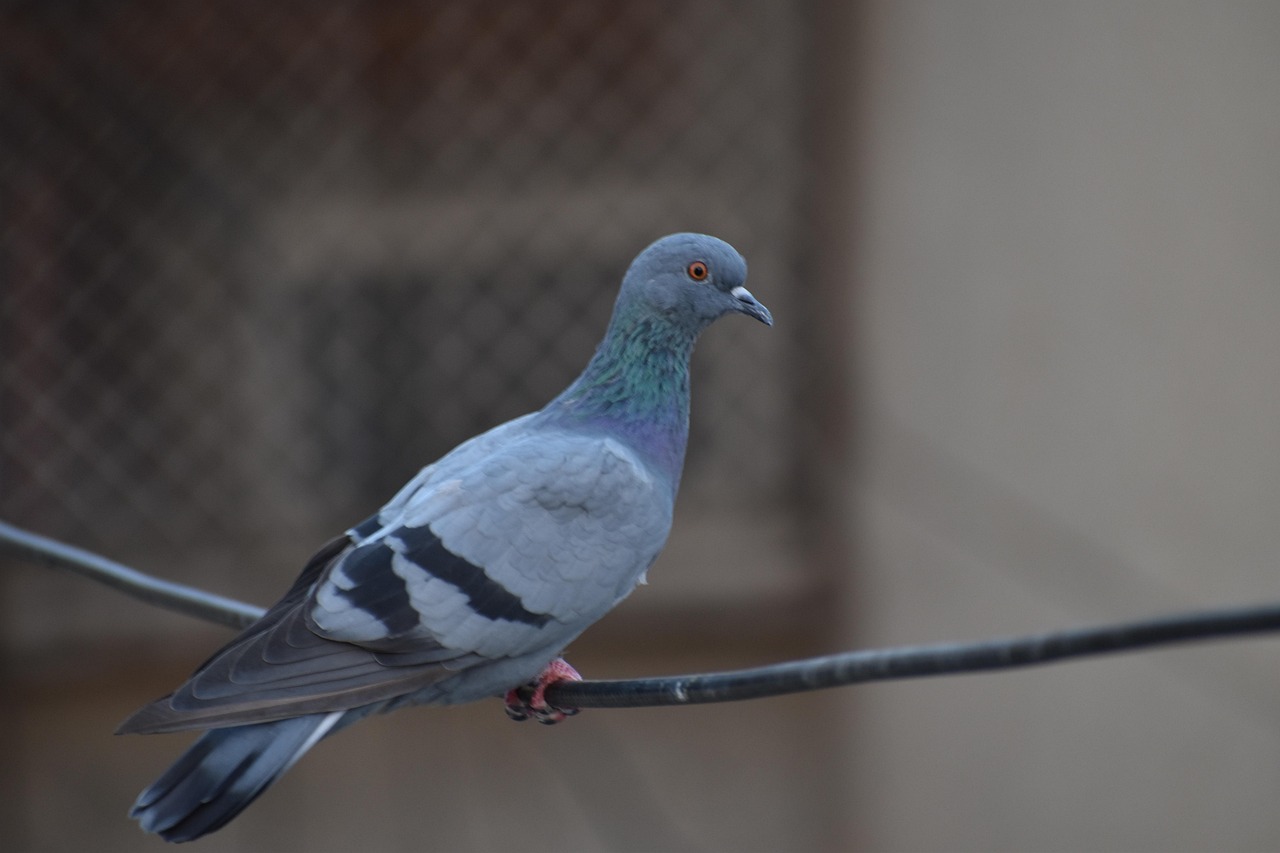
Adjusting your camera settings can make a significant difference in pigeon photography. Use a wide aperture (low f-stop) to create a shallow depth of field, blurring the background and making your pigeon the focal point. Set a fast shutter speed to freeze motion, as pigeons can be active and unpredictable. ISO should be kept low to minimize noise, but increase it in dim lighting to maintain image quality.
White balance is another key setting to get right for accurate color representation. Set it according to your light source to avoid unnatural tints that could misrepresent your pigeon's appearance. Practice with manual modes to gain full control over your shots, and review your photos regularly to refine your techniques. Over time, you'll develop an instinct for the best settings in various show scenarios.
Enhancing Show Presentation Through Photography
Show presentation is about how your pigeon is perceived in competitions and sales, and photography is a powerful tool to enhance this. Great photos can tell a story of health, vitality, and breed standards, making your pigeon more desirable. Focus on capturing images that showcase posture, feather condition, and overall elegance to impress judges and potential buyers.
Capturing Key Features for Judging
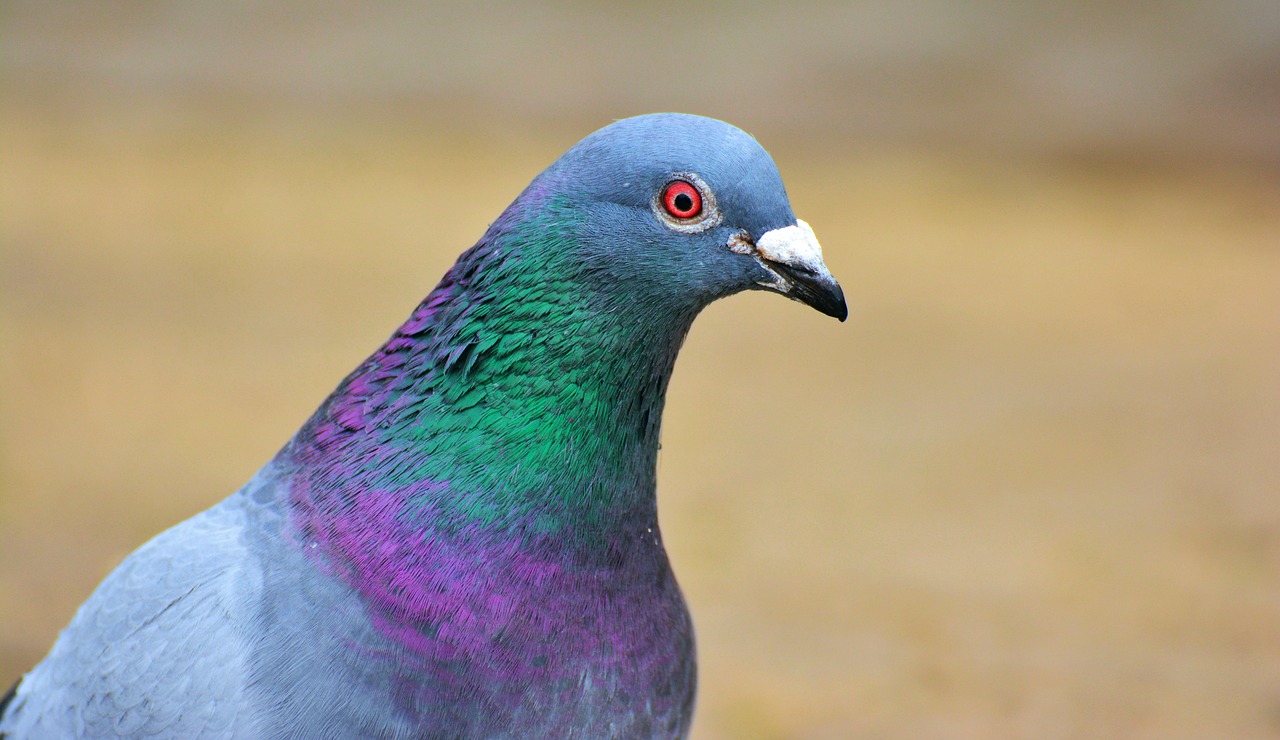
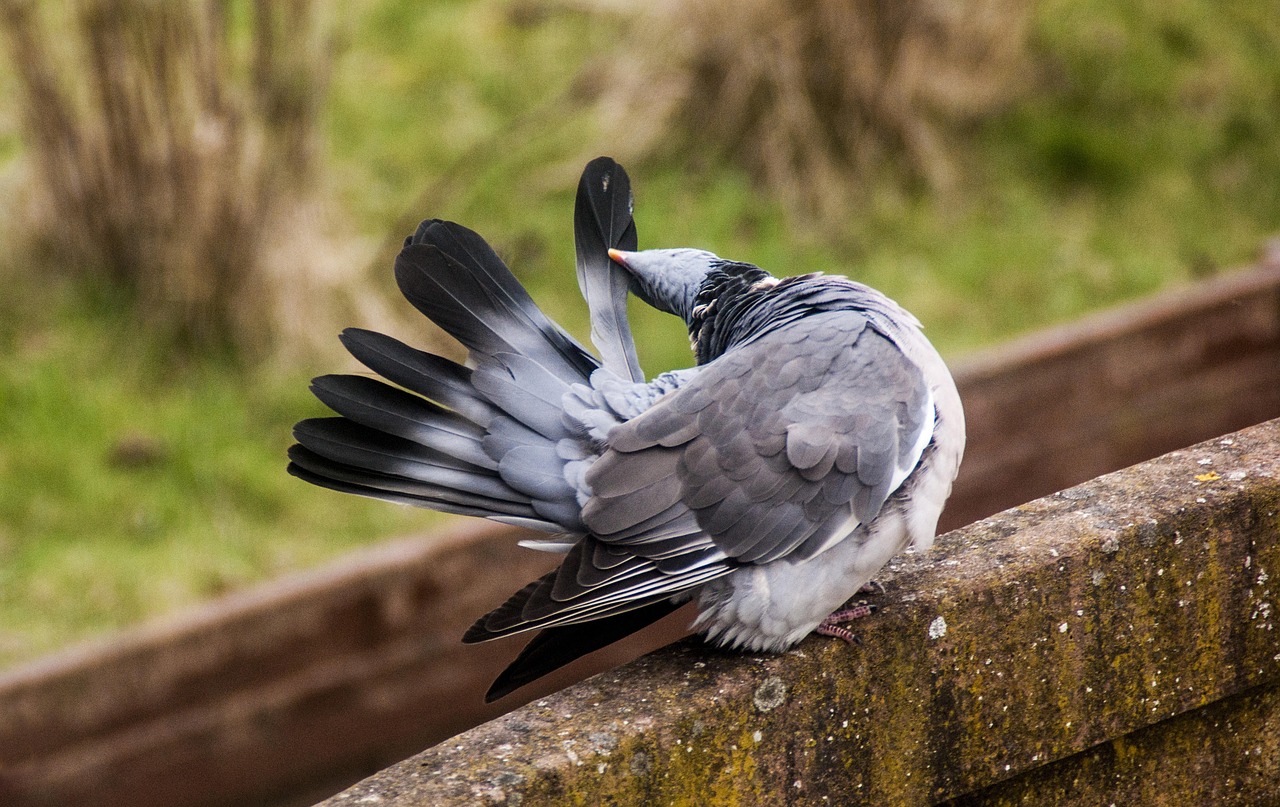
Judges look for specific traits in pigeon shows, such as head shape, eye color, and wing symmetry. Use close-up shots to highlight these details, ensuring they are sharp and well-lit. For example, photograph the head from multiple angles to show off the beak and cere, and capture the wings spread to display their length and pattern. These images can serve as visual evidence of your pigeon's quality.
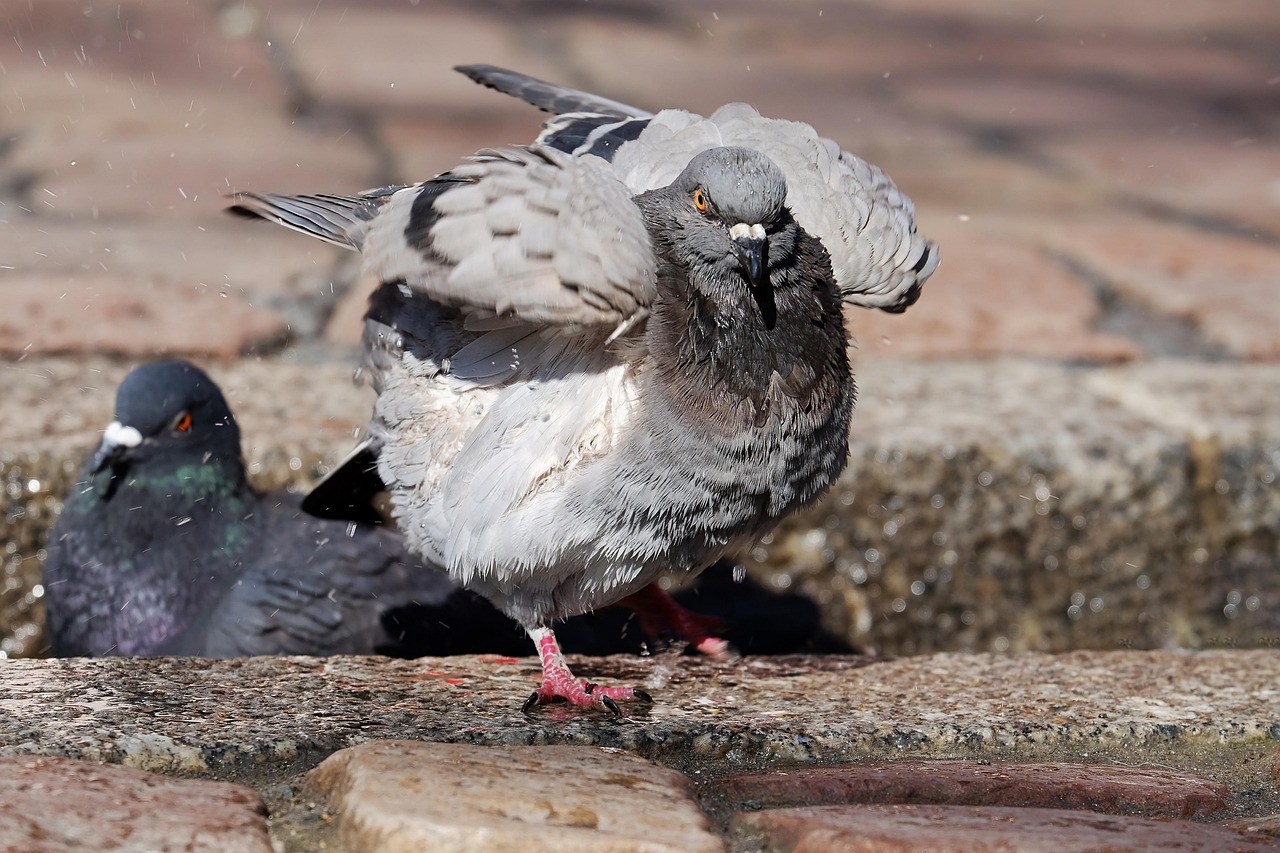
Action shots can also add dynamism to your presentation, showing your pigeon in motion to demonstrate agility and health. However, avoid overly staged photos that look unnatural; instead, aim for candid moments that reflect the bird's true character. Incorporate these into your show portfolio to provide a comprehensive view that supports your pigeon's value in the market.
Using Backgrounds and Props Effectively
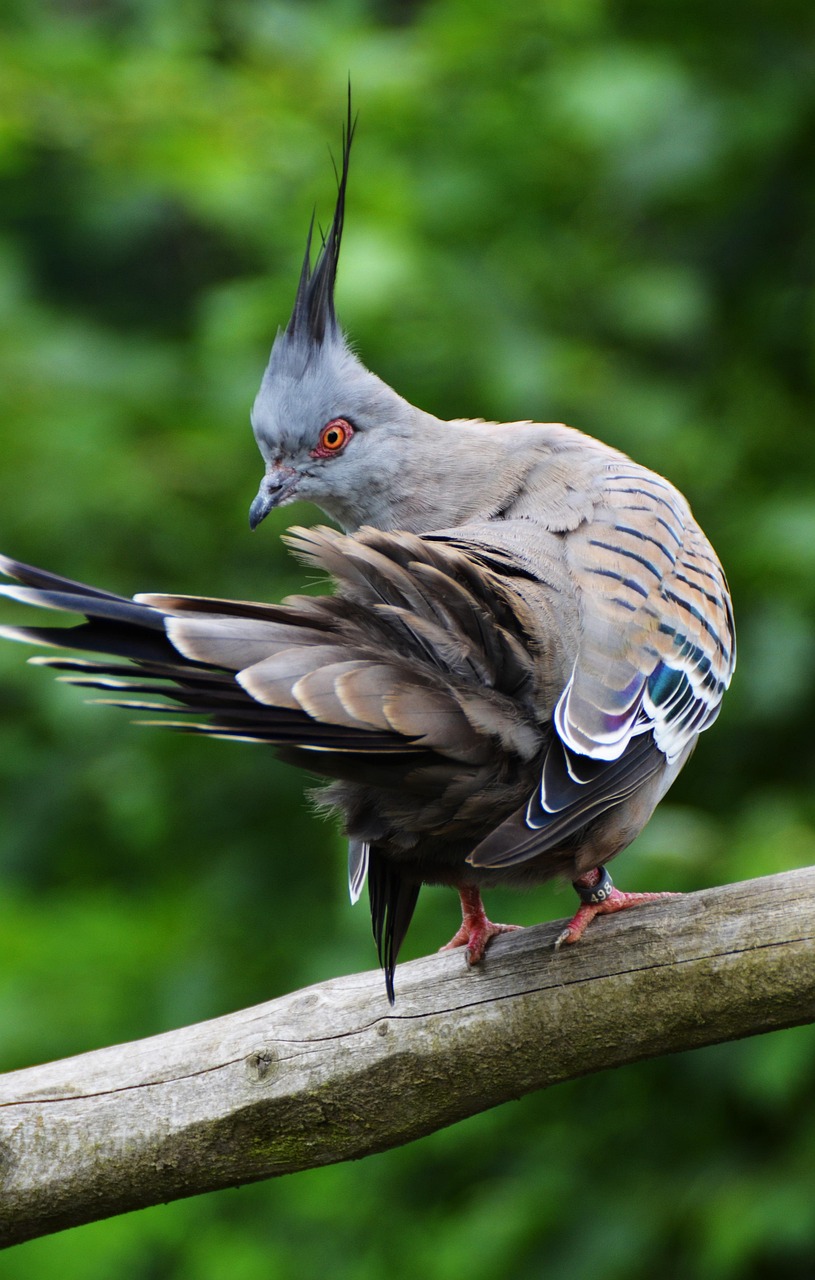
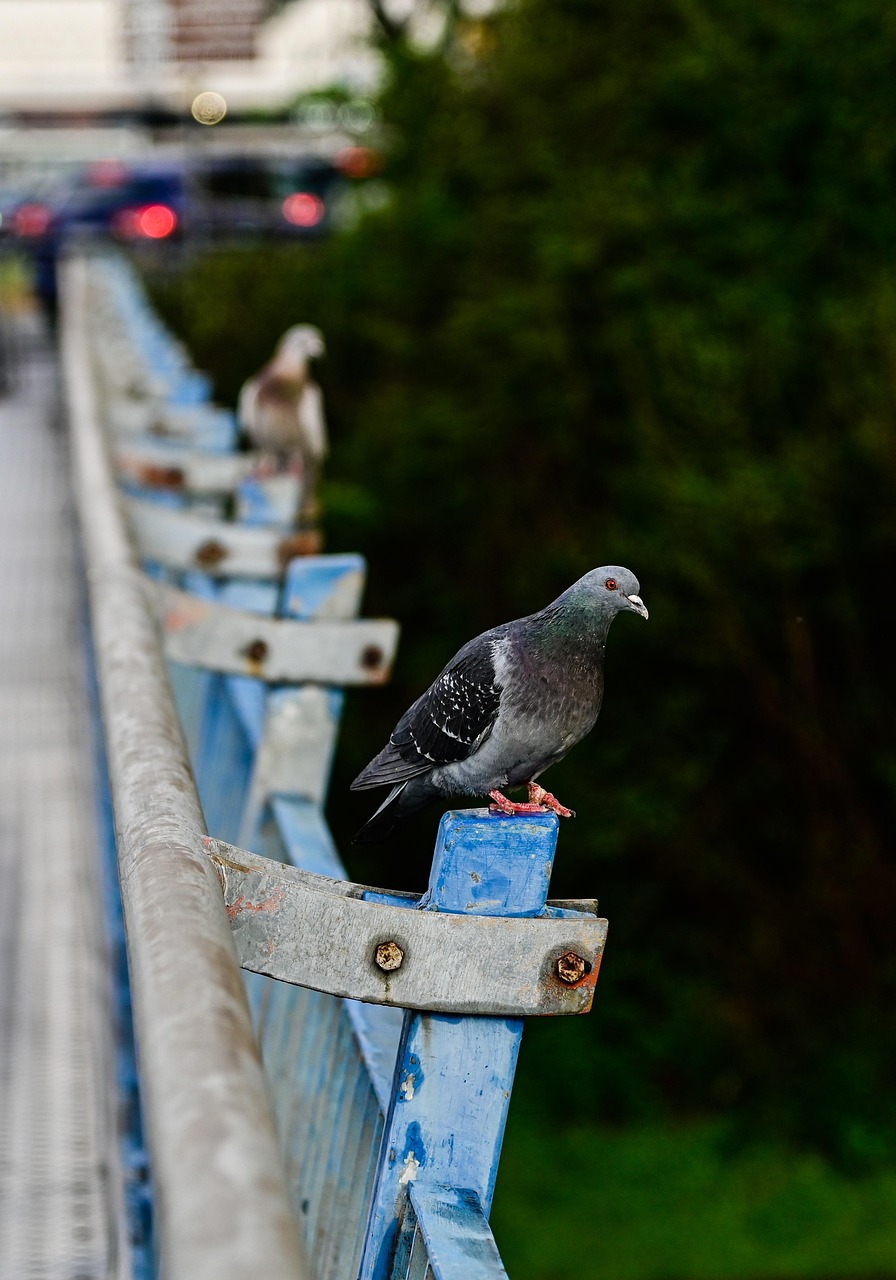
The background in your pigeon photos should complement the bird without distracting from it. Choose neutral colors like white, gray, or green to make your pigeon pop, and avoid busy patterns that could draw attention away. Simple props, such as perches or natural elements, can add context and scale, but keep them minimal to maintain focus on the pigeon.
When setting up shots, consider the overall composition to create a balanced and appealing image. Use the rule of thirds to position your pigeon off-center for a more engaging photo, and ensure the background is clean and uncluttered. In show presentations, consistency in backgrounds across multiple photos can create a professional look that builds trust with viewers and enhances perceived value.
Advanced Techniques for Stunning Pigeon Images
Once you have the basics down, advanced techniques can take your pigeon photography to the next level. These methods involve creative angles, post-processing, and specialized setups to produce images that stand out in competitive shows. Embrace innovation while staying true to the bird's natural beauty to avoid over-editing that could undermine credibility.
Experimenting with Angles and Perspectives
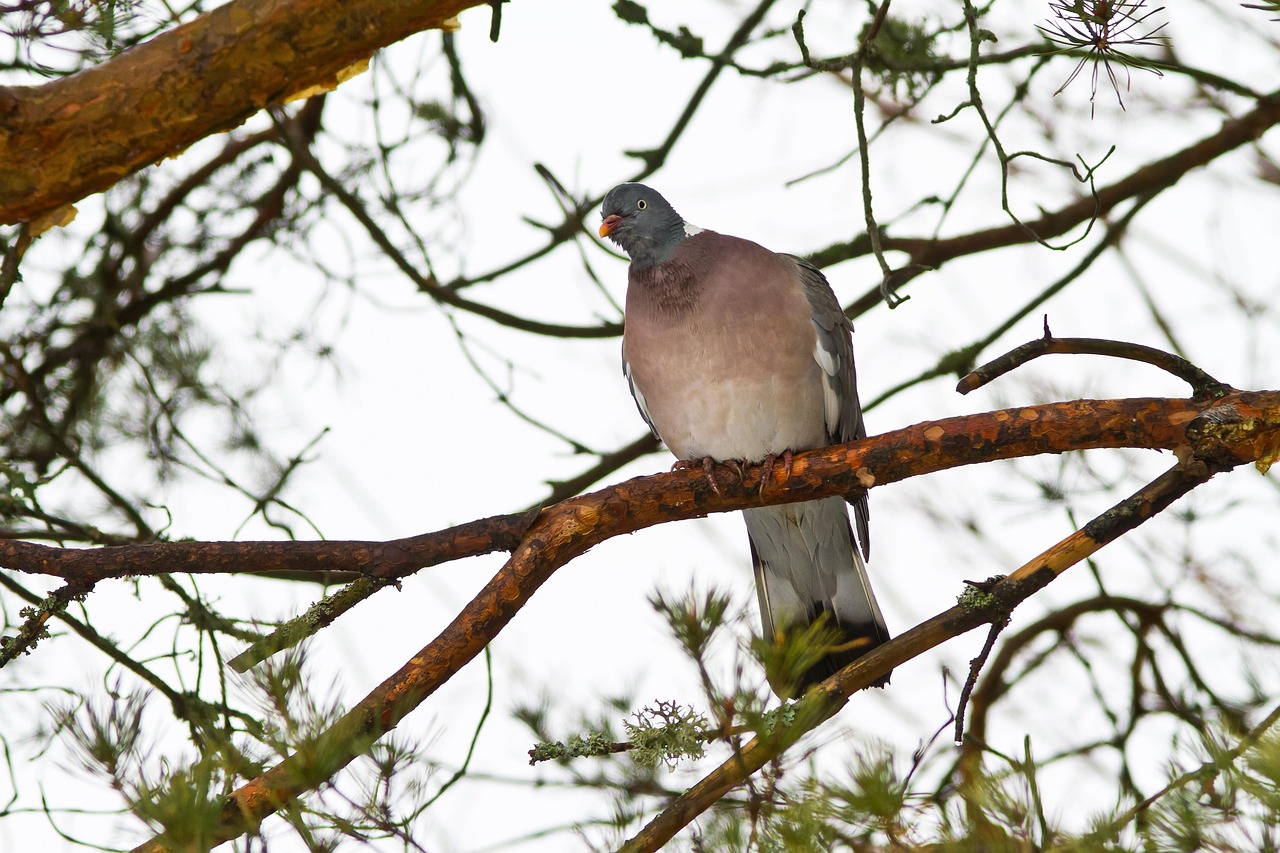
Varying your shooting angles can reveal unique aspects of your pigeon that standard shots might miss. Try low-angle shots to emphasize stature and dominance, or overhead views to show wing patterns and body symmetry. Close-ups from the side can highlight feather iridescence and color depth, adding a layer of sophistication to your portfolio.
Incorporate dynamic perspectives by photographing your pigeon in different environments, such as outdoor settings that mimic their natural habitat. This not only adds variety but also tells a richer story about the bird's lifestyle and health. Remember, the goal is to capture images that are both artistic and informative, supporting a strong show presentation that boosts market appeal.
Post-Processing for Professional Results
Post-processing is essential for refining your pigeon photos, but it should be used sparingly to maintain authenticity. Basic adjustments like cropping, brightness, and contrast can enhance details without altering the bird's true appearance. Use software like Adobe Lightroom to correct colors and sharpness, ensuring the images accurately represent your pigeon for judges and buyers.
Avoid heavy filters or manipulations that could be seen as deceptive in show contexts. Instead, focus on subtle enhancements that bring out the best in your photos, such as reducing noise or adjusting saturation to match natural lighting. By mastering these techniques, you can create a polished portfolio that elevates your pigeon's presentation and increases its competitiveness in the market.
Integrating Photography into Your Show Strategy
Photography should be an integral part of your overall show strategy, not just an afterthought. Plan your shoots around key events and seasons to keep your portfolio updated and relevant. Use your best images in marketing materials, online listings, and social media to build a strong brand for your pigeons and attract a wider audience.
Building a Cohesive Portfolio
A cohesive portfolio showcases your pigeons consistently across different shows and sales platforms. Include a variety of shots, such as full-body, close-ups, and action images, to provide a comprehensive view. Organize them by breed or show category to make it easy for viewers to assess quality and make informed decisions.
Regularly update your portfolio with new photos to reflect improvements in your pigeons' condition or new achievements. This not only keeps your presentation fresh but also demonstrates ongoing commitment to excellence. In competitive pigeon shows, a well-maintained portfolio can be the difference between a sale and a missed opportunity, directly impacting market value.
Leveraging Social Media and Online Platforms
Social media is a powerful tool for promoting your pigeons through photography. Share high-quality images on platforms like Instagram and Facebook, using relevant hashtags like #pigeonphotography and #showpresentation to reach enthusiasts and buyers. Engage with your audience by posting behind-the-scenes shots or success stories to build community and trust.
Online marketplaces and breeder websites also benefit from professional photos that highlight your pigeons' strengths. Ensure your listings include multiple angles and detailed descriptions backed by your images. This transparency can lead to higher offers and faster sales, as buyers feel more confident in their purchases. By integrating photography into your digital strategy, you amplify your show presentation and maximize market value.
Common Mistakes to Avoid in Pigeon Photography
Even experienced photographers can make errors that detract from their pigeon's presentation. Common mistakes include poor lighting, distracting backgrounds, and over-editing, which can misrepresent the bird and reduce its appeal. Being aware of these pitfalls helps you produce more authentic and effective images.
Overlooking Lighting and Composition
Inadequate lighting is a frequent issue that results in dark or washed-out photos, hiding your pigeon's best features. Always test your light sources before shooting and adjust as needed to achieve a balanced exposure. Similarly, poor composition, such as centering the pigeon without context, can make images feel static and uninteresting.
To avoid these problems, practice with different lighting setups and study composition rules like leading lines and symmetry. Use tools like histograms on your camera to check exposure levels and ensure details are visible. By prioritizing these elements, you create photos that are not only beautiful but also truthful representations of your pigeon's quality.
Neglecting Bird Welfare During Shoots
Pigeon welfare should always come first during photography sessions. Avoid stressing the bird with prolonged shoots or uncomfortable positions, as this can lead to unnatural expressions and health issues. Schedule sessions when your pigeon is calm and rested, and use positive reinforcement to keep them cooperative.
If using props or environments, ensure they are safe and non-threatening to prevent accidents. A happy and healthy pigeon will naturally look better in photos, enhancing your show presentation. Remember, ethical practices not only protect your bird but also build a positive reputation that can increase long-term value and trust among buyers.
Conclusion
Mastering pigeon photography and show presentation is essential for elevating your bird's market value. By focusing on techniques like proper lighting, composition, and ethical practices, you can create compelling images that highlight quality and attract attention. Incorporate these strategies into your routine to see tangible benefits in competitions and sales. For expert tools and support in managing your pigeon endeavors, consider using Ghawy – Pigeon Manager (غاوي – إدارة الحمام) to streamline your efforts and achieve greater success.