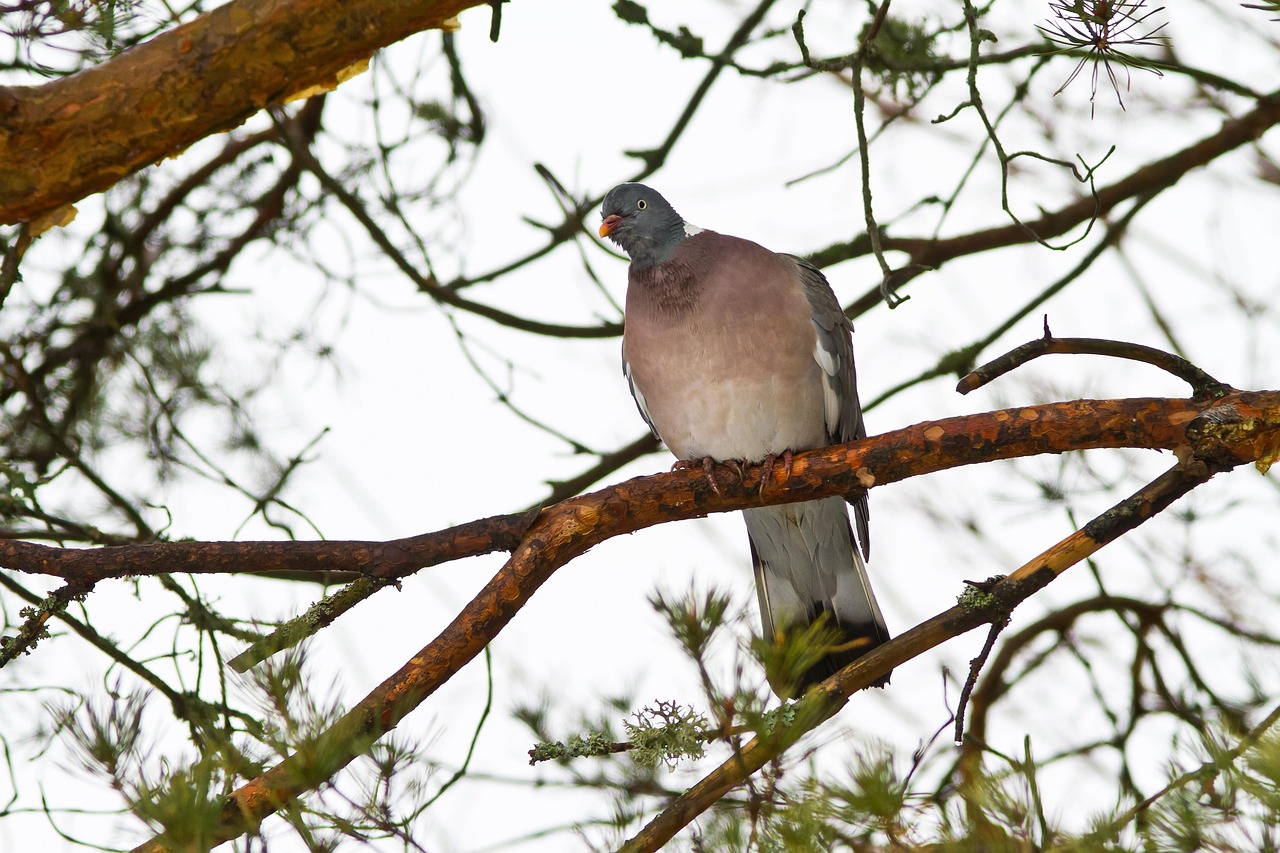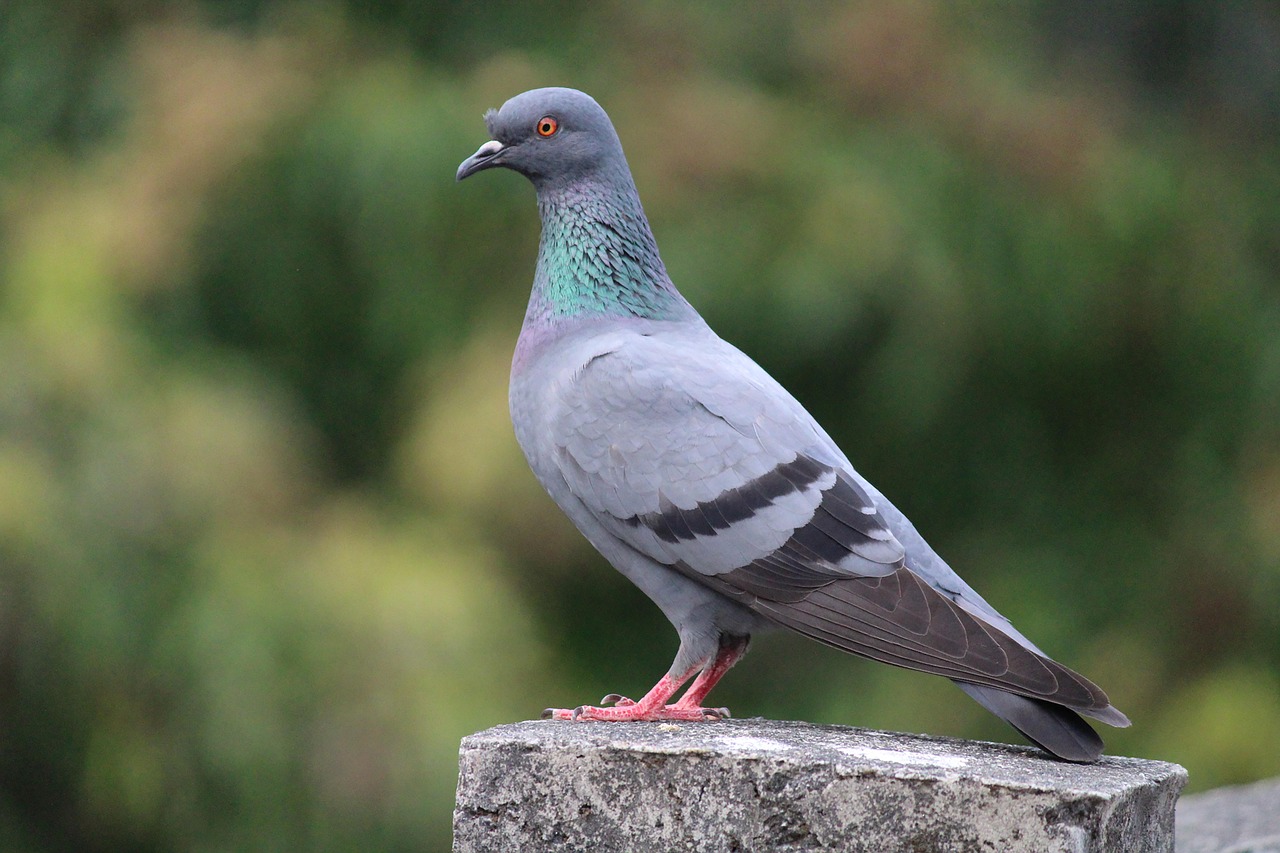
Rare pigeon breeds captivate enthusiasts with their unique colors and forms, but presenting them effectively requires the right tools. This guide explores essential equipment for highlighting their beauty, focusing on show cage setup and lighting for pigeons to enhance visual appeal and health. By mastering these elements, you can transform your displays into stunning showcases that impress judges and fellow breeders alike.
Essential Show Cage Setup for Rare Pigeons
A well-designed show cage setup is the foundation for displaying rare pigeons, providing safety and comfort while emphasizing their features. It should be spacious enough to allow natural movement, yet secure to prevent stress or injury during exhibitions. Investing in quality materials ensures durability and enhances the overall aesthetic of your display.
Choosing the Right Cage Size and Material
Selecting the appropriate cage size is crucial for rare pigeons, as cramped spaces can cause anxiety and obscure their beauty. Aim for dimensions that allow birds to stretch their wings and move freely, typically at least 24 inches in length for medium breeds. Materials like stainless steel or powder-coated wire resist corrosion and are easy to clean, maintaining hygiene and preventing diseases. For instance, a cage with smooth, non-toxic finishes protects delicate feathers and reduces the risk of injury, making it ideal for long shows. Additionally, consider cages with removable trays for effortless maintenance, ensuring your pigeons stay healthy and vibrant throughout events.
Beyond size, the cage's design should complement the pigeon's breed characteristics. For example, taller cages suit breeds with upright postures, while wider ones accommodate those with expansive wing displays. Always prioritize ventilation to prevent overheating, especially in crowded exhibition halls. By tailoring the cage to your pigeon's needs, you create an environment that not only showcases their rarity but also promotes their well-being, leading to more confident and striking presentations.
Customizing Cage Interiors for Optimal Display
Customizing the interior of your show cage setup can dramatically enhance how rare pigeons are perceived, focusing on perches, flooring, and accessories. Use natural wood perches of varying diameters to encourage foot health and natural posing, which highlights leg and feather details. Avoid synthetic materials that might cause discomfort or slipping, as stable footing is key for pigeons to exhibit their best posture during judging. Incorporating soft, non-abrasive flooring like felt or rubber mats can prevent bumblefoot and add a touch of elegance to the display.
Think about adding subtle elements that draw attention to specific traits, such as color-coordinated backdrops or minimalistic decorations that don't distract from the bird. For breeds with intricate plumage, a plain background in neutral tones can make patterns pop, while strategic placement of perches at different heights allows for dynamic viewing angles. Remember, the goal is to create a setup that feels like a natural habitat, reducing stress and encouraging pigeons to display their unique behaviors. With these customizations, your show cage becomes a stage that amplifies the rarity and beauty of each pigeon, making them stand out in any competition.
Mastering Lighting for Pigeons in Exhibitions
Proper lighting for pigeons is essential in exhibitions, as it can accentuate colors, textures, and movements that define rare breeds. Inadequate lighting may wash out vibrant hues or create shadows that hide details, so it's vital to use a balanced approach. This section covers how to choose and position lights to make your pigeons shine, ensuring they look their best under scrutiny.
Selecting the Best Light Types and Colors
When choosing lighting for pigeons, opt for LED lights with a high Color Rendering Index (CRI) above 90, as they reveal true colors without distorting feathers or skin tones. Warm white lights around 3000K to 4000K are ideal, as they mimic natural daylight and reduce glare that could stress the birds. Avoid harsh fluorescent bulbs, which can emit flickering that irritates pigeons and alters their appearance. For example, directional spotlights can be used to highlight specific areas like the head or tail, drawing attention to unique markings without overwhelming the entire cage.
Consider the color temperature's impact on different pigeon breeds; cooler lights might enhance blue or gray feathers, while warmer tones can make reds and browns appear richer. Experiment with dimmable options to adjust intensity based on the exhibition environment, ensuring consistency across various settings. By selecting the right light types, you not only improve visual appeal but also support the pigeons' comfort, leading to more natural and engaging displays that captivate audiences and judges.
Positioning Lights to Enhance Visual Appeal
Strategic positioning of lighting for pigeons can transform a good display into an exceptional one, focusing on angles and coverage to minimize shadows and highlight key features. Place lights above and slightly in front of the cage to illuminate the pigeon's body evenly, avoiding direct beams into their eyes to prevent stress. Use multiple light sources if possible, such as overhead fixtures combined with side lights, to create depth and dimension that accentuate feather textures and muscle definition. For instance, a top light can emphasize the sheen on iridescent feathers, while a side light might reveal subtle color gradients in rare breeds.
Pay attention to the distance between lights and the cage; too close can cause overheating, while too far may result in insufficient illumination. Aim for a balanced setup where shadows are soft and defined, allowing judges to appreciate every detail without distortion. In larger exhibitions, consider using adjustable stands to fine-tune positioning based on the venue's layout. By mastering light placement, you ensure that your pigeons' unique attributes are always in the spotlight, making them memorable and award-worthy in competitive settings.
Integrating Cage and Lighting for Maximum Impact
Combining an optimal show cage setup with effective lighting for pigeons creates a synergistic effect that elevates the entire presentation. This integration ensures that the cage's structure supports the lighting's enhancements, resulting in a cohesive and professional display. Focus on how these elements work together to highlight the pigeons' rarity and beauty in a holistic manner.
Designing a Cohesive Display Environment
To design a cohesive display, start by aligning the cage's layout with the lighting plan, ensuring that perches and open spaces are well-lit and accessible. For example, position perches where they catch the best light angles, allowing pigeons to naturally pose in illuminated spots. Use reflective surfaces or light-colored cage materials to bounce light and reduce dark areas, creating a bright and inviting atmosphere. This approach not only makes the pigeons more visible but also reduces their stress by providing a consistent and comfortable environment.
Think about the overall aesthetic; a minimalist cage with clean lines pairs well with focused lighting, drawing all attention to the bird's features. Avoid cluttering the space with unnecessary decorations that could interfere with light distribution or the pigeon's movement. By testing the setup before exhibitions, you can adjust elements like light intensity or perch height to achieve the perfect balance. This integrated design ensures that every aspect of the display works in harmony, making your rare pigeons the center of attention and increasing their chances of success in shows.
Practical Tips for Setup and Adjustments
Implementing practical tips for integrating cage and lighting can save time and improve results during exhibitions. Begin by assembling the show cage setup in a mock environment to assess how lighting for pigeons interacts with the structure, making notes on any shadows or hotspots. Use adjustable clamps or mounts for lights, allowing quick changes based on venue conditions or pigeon behavior. For instance, if a pigeon tends to hide in corners, reposition lights to encourage movement into better-lit areas, enhancing their visibility and appeal.
Regular maintenance is key; clean cages and light fixtures before each show to ensure optimal performance and prevent issues like dimming or obstructions. Have backup equipment on hand, such as extra bulbs or portable lights, to handle unexpected situations. By staying adaptable and proactive, you can fine-tune the integration on the fly, ensuring that your display remains flawless. These practical steps not only boost the effectiveness of your setup but also build your confidence as an exhibitor, leading to more polished and professional presentations that highlight the exquisite beauty of rare pigeon breeds.
Advanced Techniques for Highlighting Rare Traits
Beyond basic setups, advanced techniques can further emphasize the unique traits of rare pigeons, making them stand out in competitive environments. This section delves into innovative methods for using cage and lighting elements to showcase specific features, such as color patterns or behavioral quirks. By applying these strategies, you can elevate your displays to an art form that resonates with judges and enthusiasts.
Using Lighting to Accentuate Color and Texture
Advanced lighting techniques can bring out the subtle colors and textures in rare pigeon feathers, requiring a nuanced approach to placement and type. For pigeons with metallic or opalescent feathers, use directional lights at oblique angles to create highlights and shadows that enhance the iridescence. Experiment with colored gels or filters sparingly to intensify certain hues, but ensure it doesn't alter the natural appearance—for example, a light blue filter might make white feathers appear brighter without distortion. This method allows you to control how light interacts with the plumage, revealing details that might go unnoticed under standard illumination.
Incorporate dynamic lighting effects, such as slowly changing intensities or colors, to simulate natural environments and encourage pigeons to display their full range of behaviors. However, always monitor the birds for signs of stress and adjust accordingly. By mastering these advanced lighting strategies, you can create captivating visual experiences that not only showcase the pigeons' rarity but also tell a story about their unique characteristics. This level of detail can be the difference between a good display and an award-winning one, impressing audiences with your expertise and dedication.
Custom Cage Modifications for Breed-Specific Needs
Tailoring your show cage setup to the specific needs of rare pigeon breeds can highlight their distinctive traits more effectively. For breeds with long tail feathers, design cages with higher perches and ample rear space to prevent damage and allow full extension. Use modular components that can be rearranged for different breeds, ensuring flexibility without compromising stability. For instance, add removable panels or adjustable dividers to create custom configurations that suit each pigeon's size and posture, enhancing their natural elegance during shows.
Consider integrating sensory elements, such as gentle airflow or subtle sounds, to stimulate pigeons and encourage active displays that showcase their vitality. Always prioritize safety by avoiding sharp edges or loose parts that could cause injury. By focusing on breed-specific modifications, you demonstrate a deep understanding of pigeon husbandry, which can earn respect from judges and peers. These custom approaches not only improve the visual impact but also contribute to the pigeons' well-being, resulting in healthier and more vibrant presentations that celebrate the diversity of rare breeds.
Conclusion
Mastering the art of showcasing rare pigeons involves a careful blend of show cage setup and lighting for pigeons, ensuring their beauty is highlighted in every detail. From choosing the right materials to advanced techniques, these elements work together to create compelling displays that stand out. As you apply these insights, consider using tools like Ghawy – Pigeon Manager to streamline your exhibition planning and care routines for even better results.