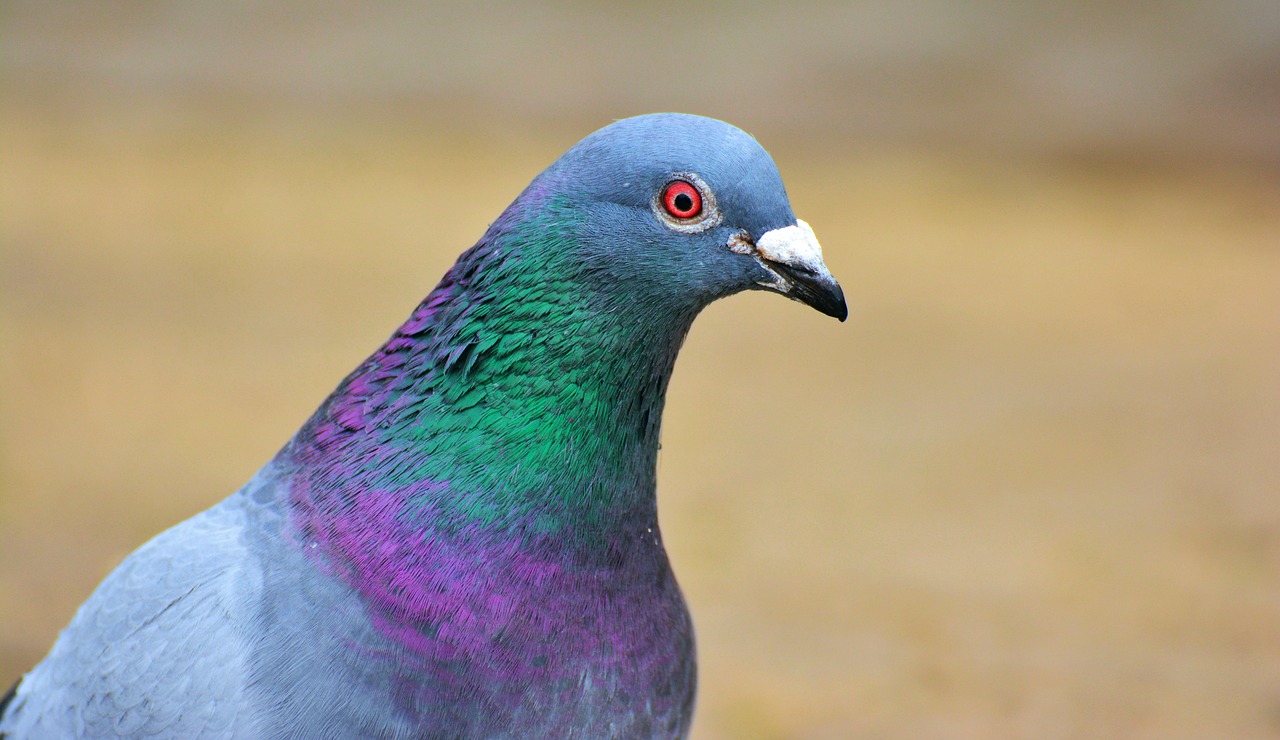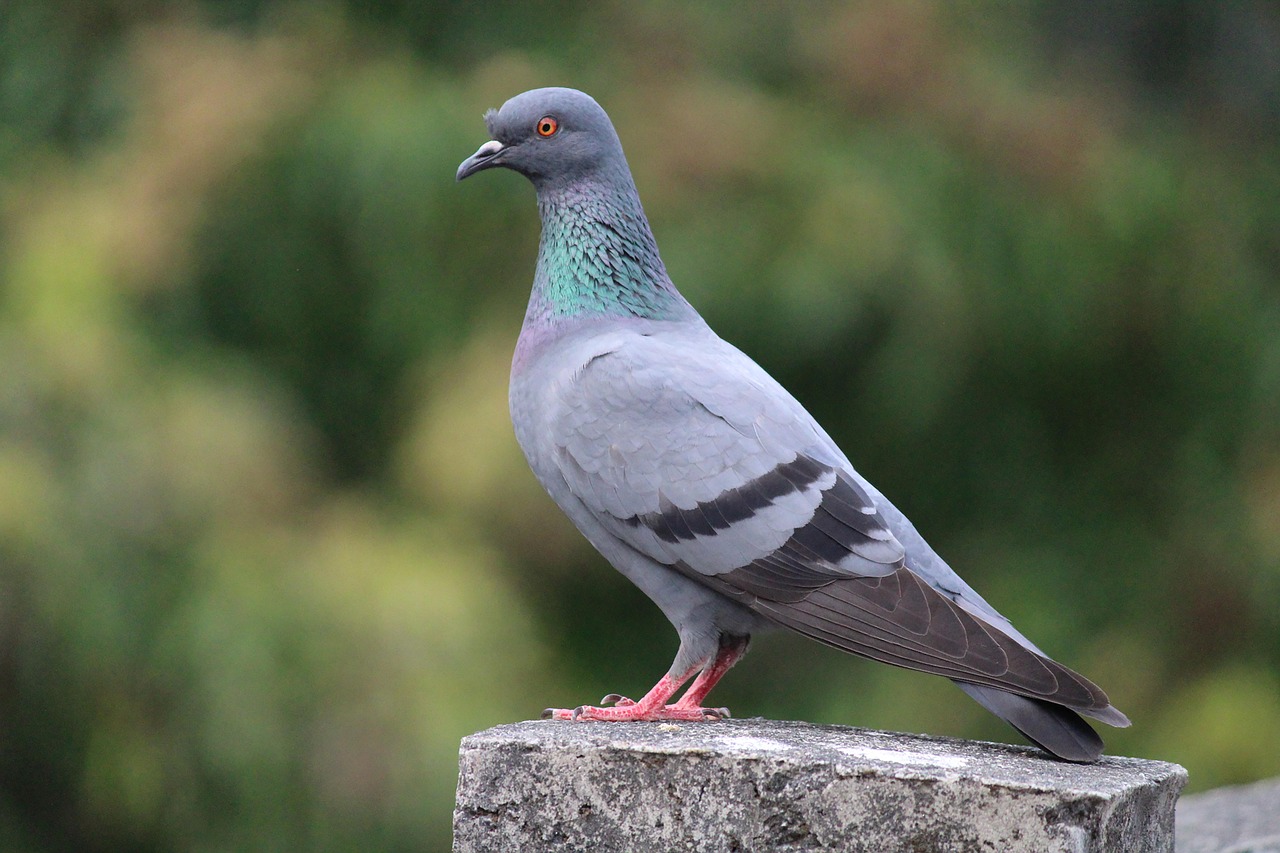
Rare pigeon breeds captivate enthusiasts with their unique beauty, but showcasing them effectively requires the right equipment. From show cage setup to lighting for pigeons, this guide explores how to highlight their elegance and charm. Whether you're a seasoned breeder or a newcomer, these insights will help you present your birds in the best possible light.
Understanding the Basics of Show Cage Setup
A well-designed show cage setup is the foundation for displaying rare pigeon breeds. It not only ensures the birds' comfort and safety but also enhances their visual appeal during exhibitions. Investing in quality cages can make a significant difference in how judges and audiences perceive your pigeons.
Choosing the Right Cage Materials
Selecting appropriate materials for your show cage setup is crucial for durability and aesthetics. Opt for non-toxic, easy-to-clean options like stainless steel or powder-coated metals, which resist rust and provide a sleek look. Avoid materials that could harm the birds, such as those with sharp edges or toxic paints, as they can cause injuries or health issues. Additionally, consider the cage's weight and portability if you travel to shows, ensuring it's sturdy yet manageable to transport without compromising on stability.
Beyond material choice, the design of the cage should allow for adequate ventilation and visibility. Mesh or bar spacing must be narrow enough to prevent escapes but wide enough to promote air circulation, reducing stress for the pigeons. Incorporating removable trays and perches can simplify cleaning and maintenance, keeping the environment hygienic. Remember, a clean and well-maintained cage not only protects your birds but also reflects your dedication as a breeder, making a positive impression in competitive settings.
Designing for Comfort and Display
When designing a show cage setup, prioritize the pigeons' comfort to keep them calm and healthy during events. Include features like adjustable perches and nesting areas that mimic their natural habitat, reducing anxiety and encouraging natural behaviors. This approach not only benefits the birds' well-being but also makes them more likely to exhibit their best traits, such as vibrant plumage and confident postures.
For optimal display, focus on the cage's layout to highlight the pigeons' unique characteristics. Position perches at varying heights to create dynamic visual interest, and use transparent or minimalistic barriers to maximize visibility from all angles. Incorporating elements like background panels or themed decorations can further enhance the presentation, but avoid overcrowding to maintain a clean, professional look. Ultimately, a thoughtfully designed cage setup ensures that rare breeds stand out, drawing attention to their rarity and beauty in any exhibition.
Mastering Lighting for Pigeons in Displays
Proper lighting for pigeons is essential to accentuate their colors, textures, and movements, transforming a simple display into a captivating showcase. It can influence how judges and viewers perceive the birds' qualities, from feather sheen to overall health. By understanding different lighting techniques, you can create an environment that flatters your pigeons and emphasizes their unique attributes.
Types of Lighting and Their Effects
Various types of lighting can be used in pigeon displays, each with distinct effects on appearance. Natural light is ideal for bringing out true colors, but it's often inconsistent, so artificial options like LED lights are popular for their controllability and energy efficiency. Warm white LEDs can enhance red and brown tones in feathers, while cool white lights may make blues and grays pop, allowing you to tailor the illumination to specific breed characteristics.
- LED lights: Energy-efficient and customizable for color temperature
- Halogen lights: Provide bright, focused beams but generate heat
- Fluorescent lights: Offer even distribution but may alter color perception
Beyond color rendering, consider the intensity and direction of lighting to avoid shadows or glare that could obscure details. Soft, diffused light is generally best for reducing stress on the birds and creating an even highlight on their plumage. Experiment with adjustable fixtures to find the perfect balance, ensuring that the lighting complements the show cage setup without causing discomfort. This attention to detail can make a significant impact in competitive settings, where subtle differences in presentation often determine success.
Positioning and Adjusting Lights for Optimal Impact
Strategic positioning of lighting for pigeons is key to achieving a balanced and flattering display. Place lights at angles that minimize reflections and shadows, such as from above or the sides, to evenly illuminate the birds without causing eye strain. Using multiple light sources can help eliminate dark spots and create a three-dimensional effect, making the pigeons appear more vibrant and dynamic.
Adjustability is crucial for adapting to different environments, such as indoor halls or outdoor tents. Incorporate dimmers or movable fixtures to fine-tune the brightness based on the time of day or specific breed requirements. For instance, rare breeds with iridescent feathers might benefit from angled lighting that catches the light as they move, enhancing their natural shimmer. Regularly test the setup before events to ensure consistency, and always prioritize the pigeons' comfort by avoiding excessive heat or brightness that could cause stress. With careful planning, effective lighting can turn a good display into an unforgettable one.
Integrating Cage and Lighting for Cohesive Displays
Combining show cage setup and lighting for pigeons creates a harmonious environment that maximizes visual appeal. When these elements work together, they highlight the birds' best features while ensuring their well-being. This integration requires careful planning to balance aesthetics with practicality, resulting in a display that stands out in any competition.
Coordinating Design Elements
To achieve a cohesive display, coordinate the design of your show cage setup with the lighting scheme. Choose cage colors and materials that complement the lighting effects; for example, light-colored cages can reflect light to brighten the area, while dark ones might create contrast for dramatic emphasis. Ensure that lighting fixtures are integrated seamlessly, perhaps built into the cage structure or positioned nearby without obstructing views, to maintain a clean and professional appearance.
Consider the overall theme or focus of your display, such as emphasizing a specific rare breed's history or characteristics. Use lighting to draw attention to key areas, like the pigeon's head or tail, and align the cage layout to support this focus. For instance, if showcasing a breed known for its graceful flight, incorporate open spaces in the cage and use dynamic lighting to simulate movement. This thoughtful coordination not only enhances beauty but also tells a story, engaging viewers and judges alike with a memorable presentation.
Practical Tips for Setup and Maintenance
Implementing an integrated display involves practical steps to ensure everything runs smoothly. Start by assembling the show cage setup in a well-ventilated area, checking for stability and safety before adding lighting elements. Use secure mounts for lights to prevent accidents, and test all electrical components to avoid malfunctions during events. Regular maintenance, such as cleaning cages and replacing bulbs, keeps the display looking fresh and functional.
For ongoing care, establish a routine to inspect both cage and lighting before each use, addressing any wear or damage promptly. Keep spare parts on hand, like extra bulbs or perch attachments, to handle unexpected issues. Additionally, train your pigeons to acclimate to the setup gradually, reducing stress and ensuring they behave naturally during shows. By prioritizing both design and upkeep, you create a reliable and stunning display that consistently highlights the beauty of rare pigeon breeds.
Enhancing Displays with Accessories and Backgrounds
Accessories and backgrounds can elevate a pigeon display by adding depth and context, making the show cage setup and lighting for pigeons even more effective. These elements should complement the birds without overwhelming them, focusing on enhancing their natural beauty. From simple additions like plants to custom backdrops, thoughtful choices can transform a basic setup into an award-winning presentation.
Selecting Appropriate Accessories
Choose accessories that serve a purpose, such as improving comfort or highlighting specific traits. For example, adding natural perches made from branches can encourage natural behaviors and provide a rustic look, while decorative elements like small rocks or faux foliage can create a habitat-like environment. Avoid clutter by selecting a few key pieces that align with the breed's origin or characteristics, ensuring they don't distract from the pigeons themselves.
When integrating accessories, consider how they interact with lighting for pigeons. Reflective or colorful items might enhance light effects, but test them to avoid glare or shadows. Additionally, ensure all accessories are safe and non-toxic, with no small parts that could be ingested. By carefully curating these additions, you support the overall aesthetic while maintaining a focus on the rare breeds, making the display both beautiful and functional.
Using Backgrounds to Tell a Story
Backgrounds play a vital role in setting the scene for your pigeon display, helping to tell a story about the breed's rarity or history. Opt for neutral or themed backdrops that contrast with the birds' colors, such as dark fabrics for light-feathered pigeons or natural scenes for breeds from specific regions. This not only draws attention to the pigeons but also adds an educational element, engaging viewers with context about their uniqueness.
To maximize impact, coordinate backgrounds with your lighting for pigeons, using them to diffuse or reflect light for better illumination. For instance, a light-colored backdrop can brighten the entire area, while a textured one might create interesting shadows. Keep backgrounds simple and easy to install, ensuring they don't interfere with the show cage setup or the birds' movement. With a well-chosen background, you can create a compelling narrative that enhances the overall presentation and showcases your pigeons in their best light.
Conclusion
Mastering the art of displaying rare pigeon breeds involves a thoughtful blend of show cage setup and lighting for pigeons, ensuring both beauty and well-being. By focusing on quality materials, strategic design, and integrated elements, you can create stunning presentations that highlight these unique birds. Remember, tools like Ghawy – Pigeon Manager can simplify your efforts, offering support for enthusiasts dedicated to excellence in pigeon care and exhibition.