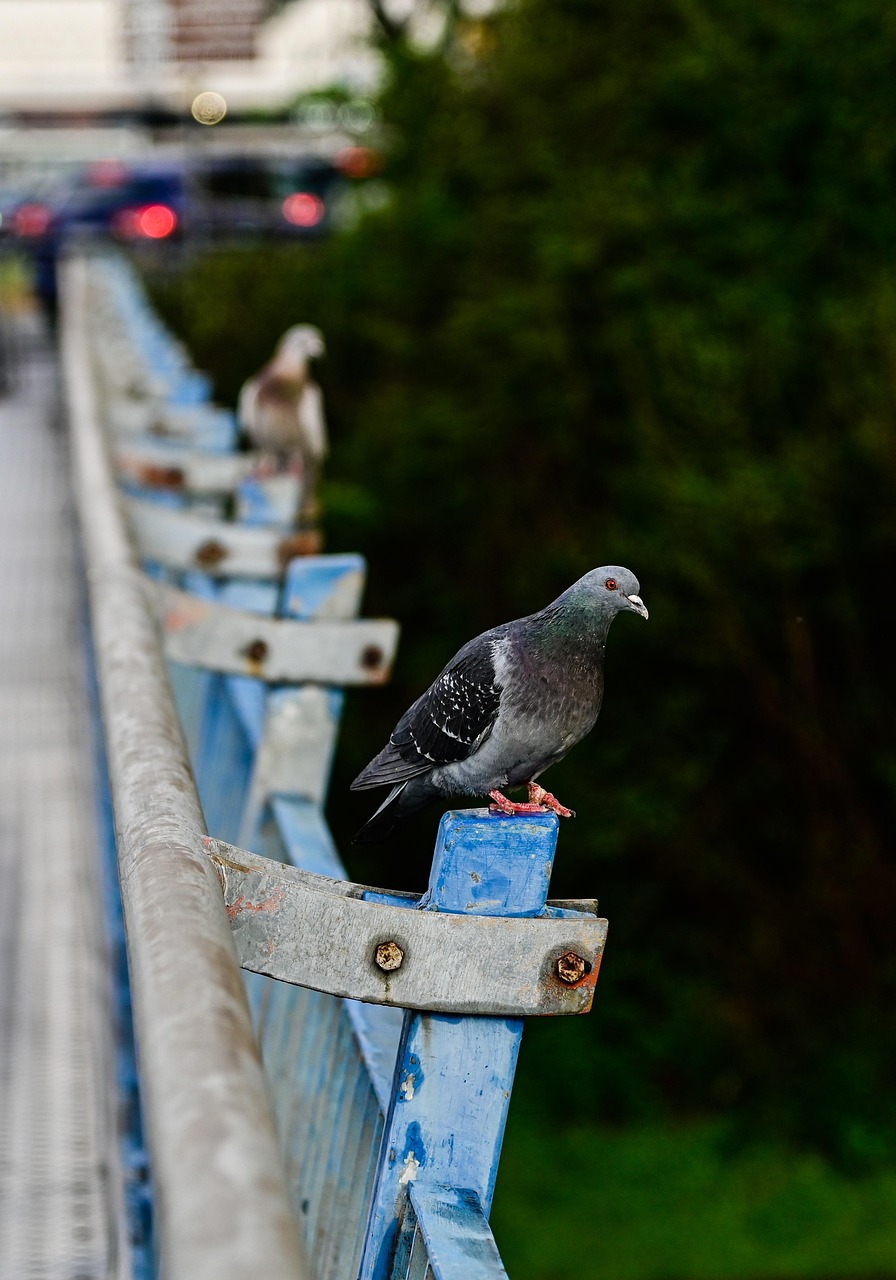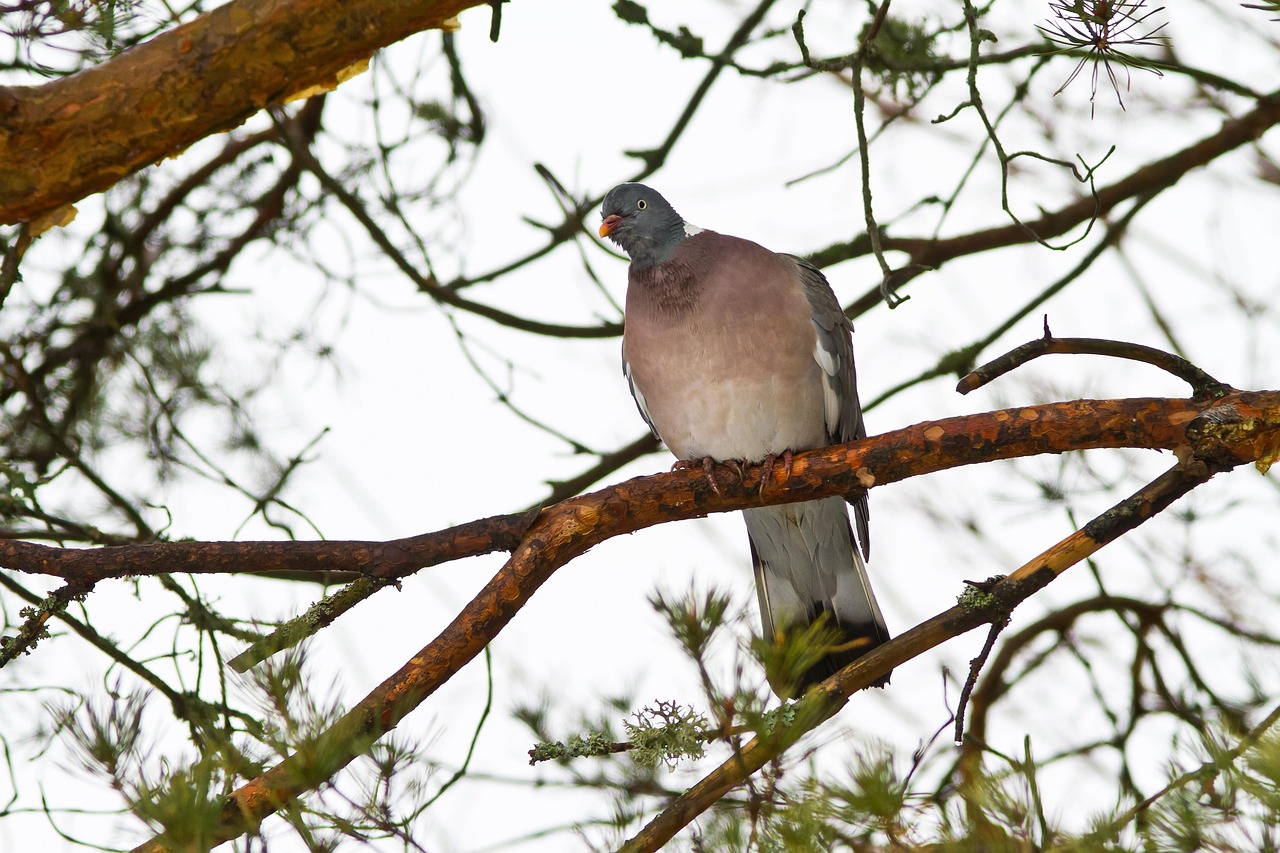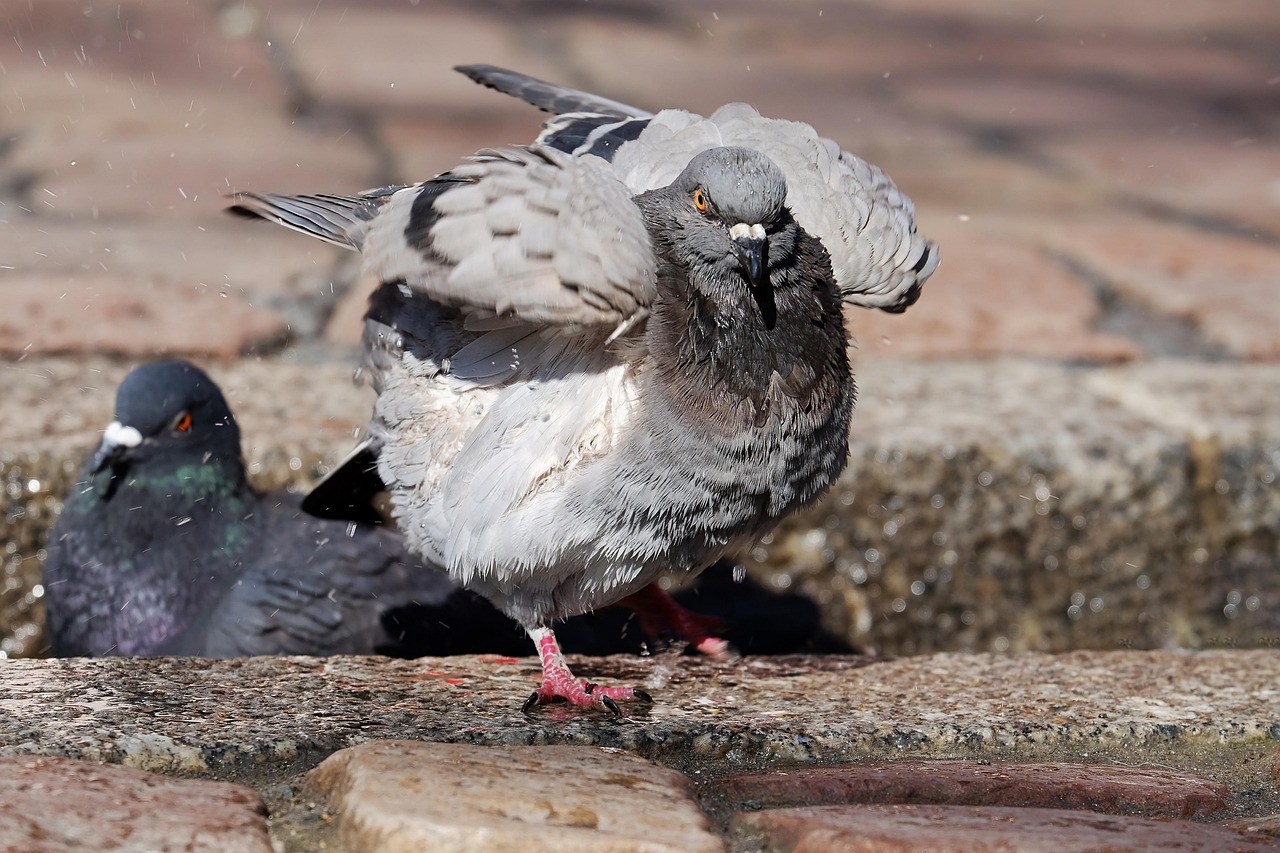
In the world of pigeon breeding, showcasing your birds effectively can significantly increase their market appeal and value. This guide delves into the art of pigeon photography and show presentation, offering practical tips to highlight your pigeons' best features. By mastering these techniques, you can attract more buyers and command higher prices for your prized birds.
Understanding the Basics of Pigeon Photography
Pigeon photography is more than just taking pictures; it's about capturing the essence of your birds to enhance their show presentation. Start by learning the fundamentals, such as lighting and composition, to create stunning images that stand out. This section covers the core principles that every enthusiast should know to get started on the right foot.
Choosing the Right Equipment
Selecting the proper camera and accessories is crucial for high-quality pigeon photography. A DSLR or mirrorless camera with a macro lens can capture fine details like feather patterns and eye color, which are vital for show presentation. Additionally, invest in a tripod to avoid blurry shots and use natural light or softbox lights to eliminate harsh shadows. Remember, good equipment doesn't have to be expensive; focus on features that suit your needs, such as adjustable settings for different environments.
Beyond the camera, consider props like perches or backgrounds that complement your pigeons without distracting from their features. For instance, a simple wooden stand can emphasize posture, while a neutral backdrop keeps the focus on the bird. Regular maintenance of your gear ensures consistent results, helping you build a portfolio that boosts your pigeons' market value through professional imagery.
Setting Up the Perfect Shot
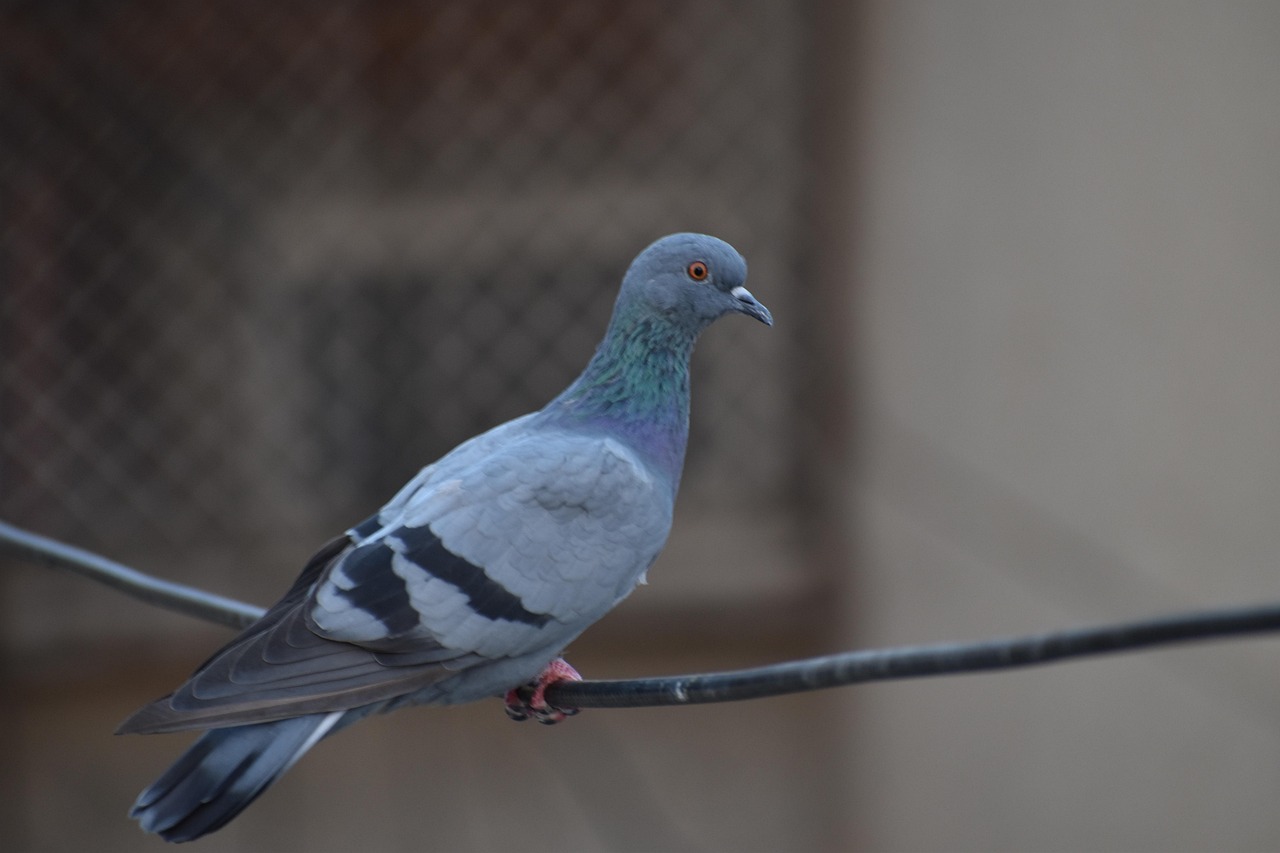
Preparation is key to successful pigeon photography for show presentation. Begin by acclimating your pigeons to the camera environment to reduce stress, which can affect their appearance. Choose a quiet, well-lit area, preferably during daylight hours, to capture natural colors and textures. Position the bird to highlight its best angles, such as the head profile or wing span, and use treats or gentle handling to encourage cooperative behavior.
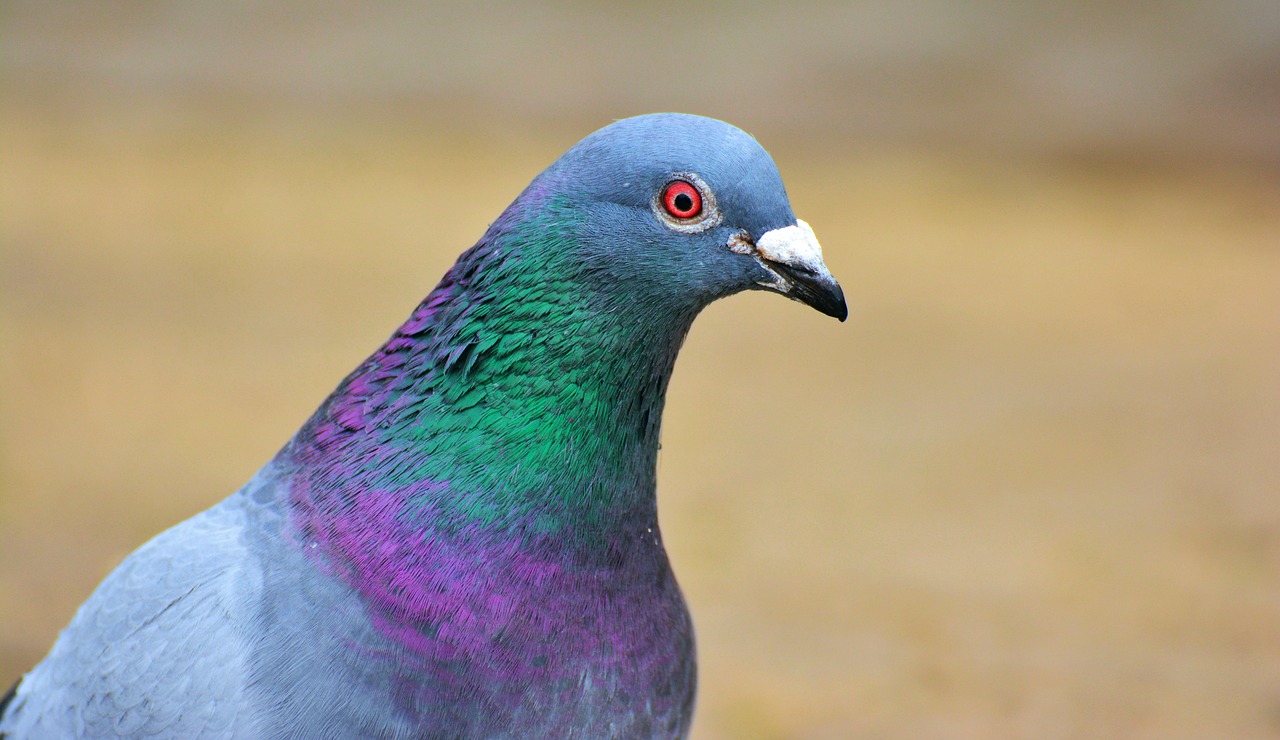
Experiment with different perspectives, like close-ups for detail shots or full-body images to showcase overall conformation. Pay attention to the background, ensuring it's clean and uncluttered to make your pigeon the star of the photo. By planning each shot carefully, you can produce images that not only look great but also tell a story, making your birds more appealing in competitive shows and sales.
Advanced Techniques for Show Presentation
Once you have the basics down, it's time to explore advanced methods that elevate your pigeon photography and show presentation. This section focuses on creative approaches and post-processing tips to make your images pop. Implementing these strategies can set your birds apart in exhibitions and online listings, driving up their perceived value.
Mastering Lighting and Angles
Lighting plays a pivotal role in pigeon photography, as it can enhance colors and textures for a more dynamic show presentation. Use soft, diffused light to avoid glare and shadows, such as from a north-facing window or artificial sources with modifiers. Experiment with backlighting to create a halo effect around feathers or side lighting to emphasize muscle tone and structure. Angles are equally important; shoot from eye level to connect with viewers or from above to showcase symmetry and balance.
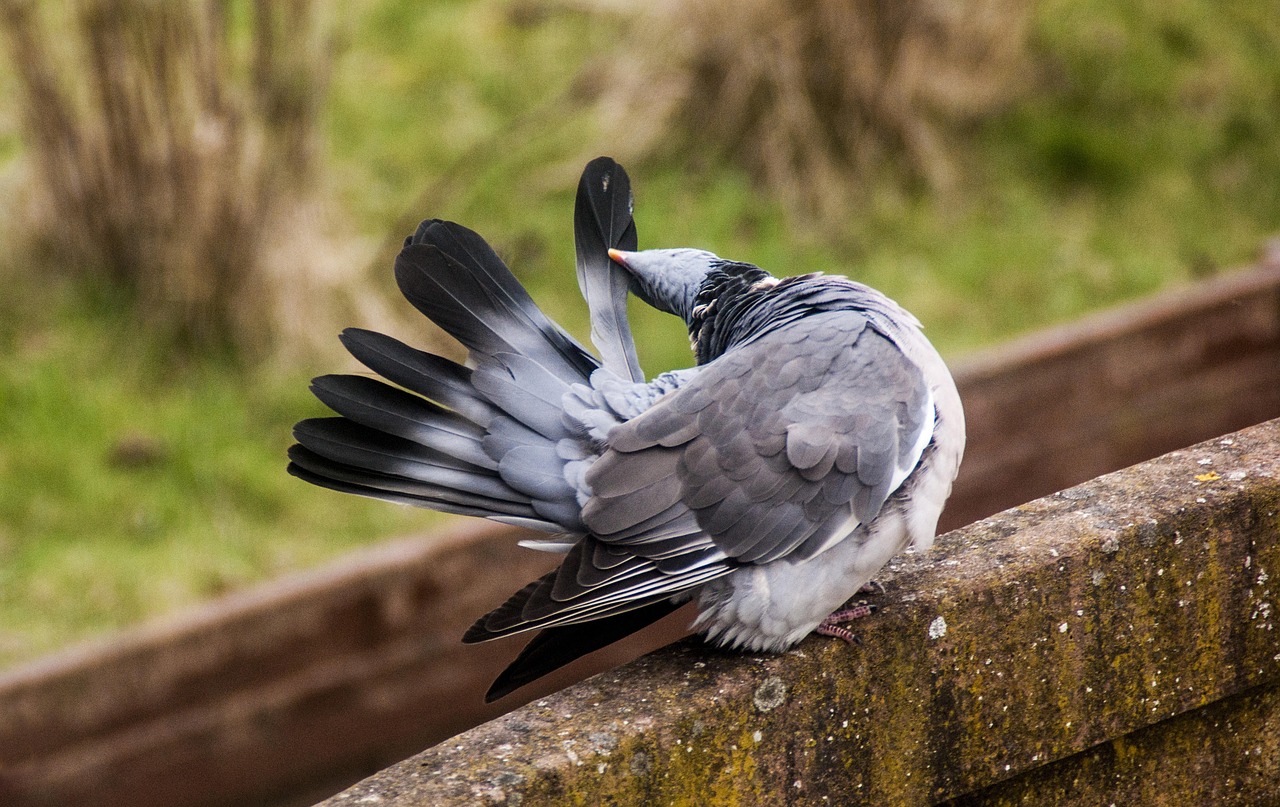
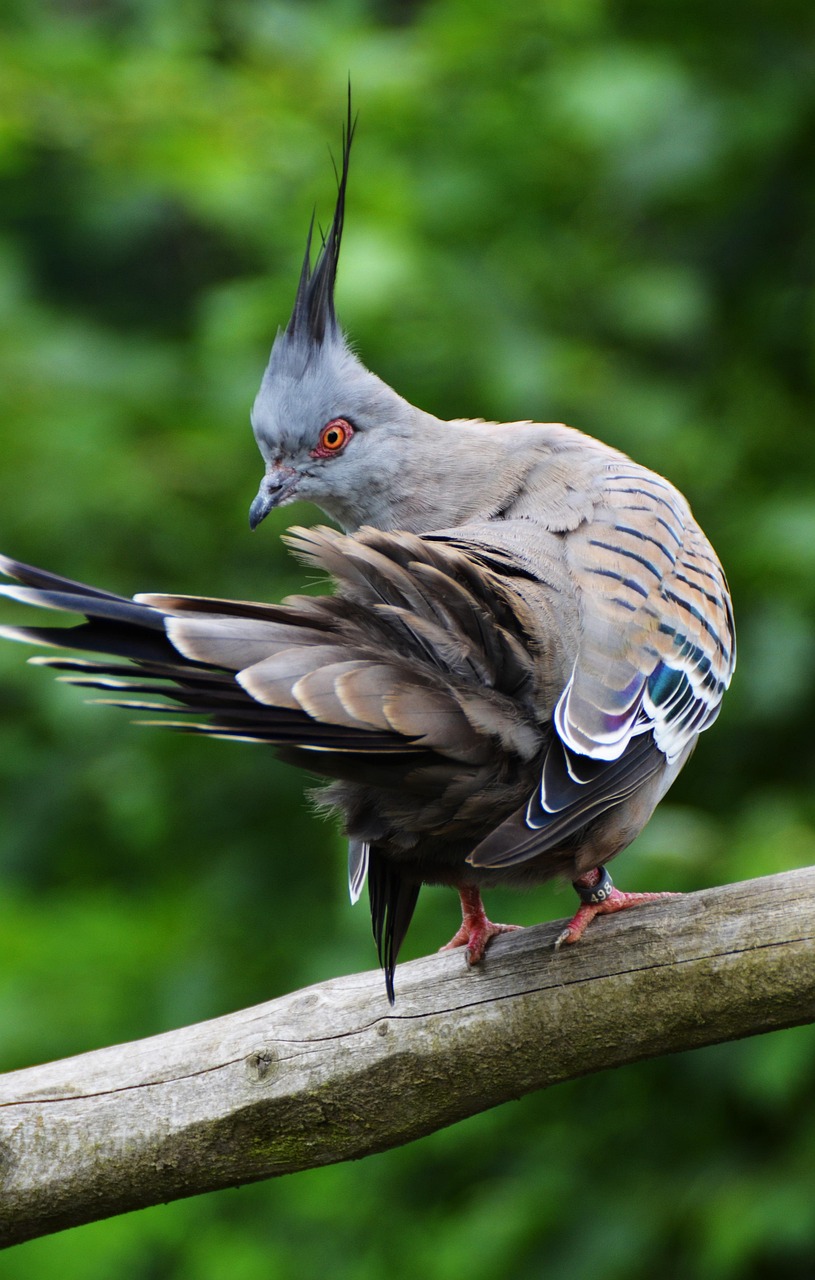
Incorporate dynamic poses by capturing your pigeons in action, like during flight or preening, to add life to your photos. This not only highlights their health and vitality but also makes the images more engaging for potential buyers. Practice regularly to refine your skills, and don't hesitate to review and adjust your setup based on the results. With consistent effort, you'll develop a keen eye for what works best in various settings.
Post-Processing for Professional Results
After taking photos, post-processing can polish your images for a flawless show presentation. Use editing software like Adobe Lightroom or free alternatives to adjust brightness, contrast, and saturation, ensuring the colors match the pigeon's true appearance. Crop images to remove distractions and focus on key features, such as the head or wings, and sharpen details to make feathers and eyes stand out. Avoid over-editing, as authenticity is crucial in building trust with buyers.
Consider creating a consistent style across all your photos, such as using similar filters or backgrounds, to build a recognizable brand for your pigeons. This cohesion can make your portfolio more professional and appealing in online marketplaces or show catalogs. Save your edited files in high resolution for printing or digital use, and always keep originals as backups. By mastering post-processing, you turn good photos into great ones that command attention and higher prices.
Showcasing Pigeons in Competitions and Sales
Effective pigeon photography and show presentation are essential for success in competitions and sales. This section covers how to use your images to create compelling entries and listings that attract judges and buyers. From digital portfolios to physical displays, learn how to leverage your work for maximum impact and financial gain.
Creating Winning Competition Entries
For pigeon shows, your photography can make or break your entry by highlighting the bird's conformity to breed standards. Start by researching the specific criteria for the show, such as color, posture, or feather quality, and tailor your photos to emphasize those aspects. Submit multiple angles and close-ups to give judges a comprehensive view, and include brief descriptions that explain key features. Use high-quality prints or digital submissions that are clear and well-lit to stand out in a crowded field.
Practice presenting your pigeons in person by using your photos as a reference for grooming and posing. This ensures consistency between the images and the live bird, building credibility with judges. Attend shows to observe winning entries and gather inspiration for your own approach. Over time, this strategic use of photography can lead to more awards, which in turn boosts your pigeons' reputation and market value.
Enhancing Online Sales Listings
In today's digital age, online platforms are a prime venue for selling pigeons, and strong photography is key to attracting buyers. Create detailed listings with multiple photos that showcase your birds from various angles, including videos if possible to demonstrate movement and health. Write compelling descriptions that integrate keywords like pigeon photography and show presentation naturally, and highlight unique selling points, such as award wins or rare traits. Use high-resolution images that load quickly to keep potential buyers engaged.
Optimize your listings for search engines by including relevant tags and categories, and share them on social media or pigeon enthusiast forums to reach a wider audience. Respond promptly to inquiries and provide additional photos or information upon request to build trust. By presenting your pigeons professionally online, you can increase visibility, generate more leads, and ultimately secure better prices for your birds.
Common Mistakes and How to Avoid Them
Even experienced pigeon enthusiasts can make errors in photography and show presentation that undermine their efforts. This section identifies frequent pitfalls and offers solutions to ensure your work remains top-notch. Learning from these mistakes can save time and resources while improving your overall results.
Overlooking Pigeon Welfare
One common mistake is prioritizing the perfect shot over the pigeon's comfort, which can lead to stress and poor performance. Always handle your birds gently and limit photo sessions to short durations to prevent fatigue. Provide water and rest breaks, and avoid using flash photography if it startles them. Remember, a relaxed pigeon looks better in photos and during shows, so prioritize their well-being to achieve natural, appealing results.
Monitor your pigeons for signs of distress, such as ruffled feathers or avoidance behavior, and adjust your approach accordingly. Building a positive relationship with your birds through regular, calm interactions can make them more cooperative over time. By putting welfare first, you not only ethical but also enhance the quality of your photography and presentation, leading to better outcomes in competitions and sales.
Neglecting Background and Composition
Another error is using distracting backgrounds or poor composition that detracts from the pigeon's features. Avoid cluttered settings, such as busy rooms or messy cages, and opt for simple, neutral backdrops that make the bird pop. Pay attention to the rule of thirds in composition, placing the pigeon off-center for a more dynamic image, and ensure the entire bird is in focus to highlight key details.
Review your photos critically after each session to identify areas for improvement, such as cropping out unwanted elements or adjusting the angle. Practice with different setups to find what works best for your specific pigeons and environments. By refining these aspects, you can produce cleaner, more professional images that effectively support your show presentation goals.
Conclusion
Mastering pigeon photography and show presentation is a powerful way to elevate your birds' market value and success in competitions. By focusing on equipment, techniques, and ethical practices, you can create compelling imagery that attracts buyers and judges alike. Remember, consistency and attention to detail are key to standing out in this competitive field. For expert tools and support in managing your pigeon endeavors, consider using Ghawy – Pigeon Manager (غاوي – إدارة الحمام) to streamline your efforts and achieve even greater results.