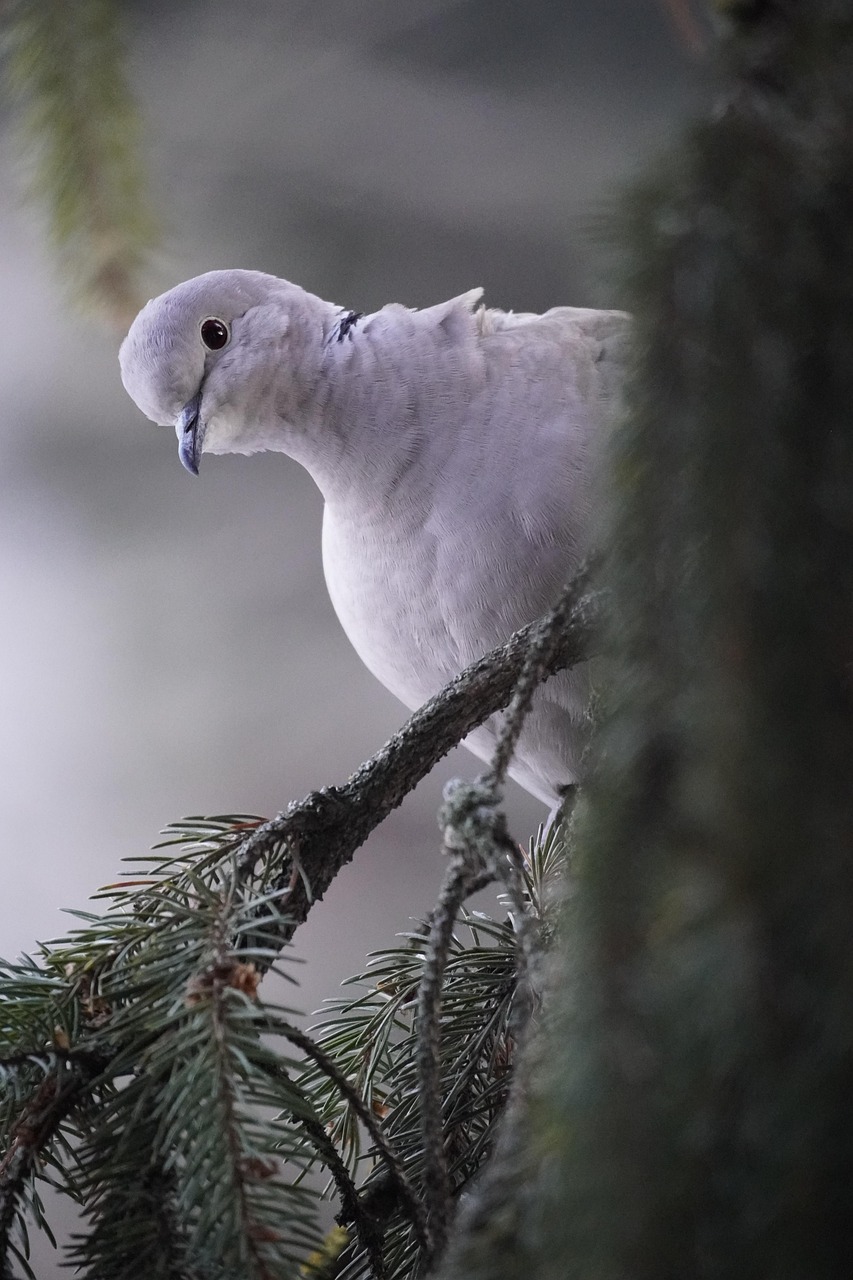
The King pigeon, known as 'حمام كنجي' in Arabic, has become a highly sought-after breed in the Gulf market, captivating enthusiasts with its unique characteristics and cultural significance. This article delves into the specifications that make this pigeon a standout choice, exploring its origins, physical traits, and the booming demand in regions like Saudi Arabia and the UAE. By understanding these aspects, breeders and hobbyists can better appreciate why the King pigeon reigns supreme in the السوق الخليجي.
Origins and Historical Background of the King Pigeon
The King pigeon's roots trace back to selective breeding efforts that combined various pigeon strains to enhance desirable traits. Initially developed for utility purposes, such as meat production, it has evolved into a prized ornamental and competitive breed. In the Gulf region, its adoption has been fueled by a rich history of pigeon keeping, where these birds symbolize status and tradition. This section explores how the King pigeon's journey from practical origins to luxury item has shaped its current popularity.
Development and Breeding History
The breeding history of the King pigeon is marked by meticulous selection for size, temperament, and aesthetic appeal. Breeders in the United States pioneered its development in the early 20th century, focusing on creating a robust bird that could thrive in various climates. Over time, Gulf breeders adapted these techniques, incorporating local preferences for vibrant colors and graceful postures. This subsection details the key milestones in its breeding, highlighting how crossbreeding with other strains has resulted in the high-quality specimens seen today. The evolution reflects a blend of science and art, ensuring the King pigeon meets the exacting standards of the السوق الخليجي.
Cultural Significance in the Gulf
In the Gulf, pigeon keeping is more than a hobby; it is a cultural tradition that dates back centuries, often associated with hospitality and prestige. The King pigeon, with its imposing presence and elegant demeanor, has become a symbol of wealth and refinement in countries like Kuwait and Qatar. This subsection examines how cultural events, such as pigeon shows and competitions, have elevated its status, making it a centerpiece in social gatherings. By integrating into local customs, the King pigeon has cemented its role as a beloved icon, driving demand in the حمام كنجي niche.
Physical Characteristics and Unique Traits
The King pigeon is renowned for its distinctive physical attributes, which set it apart from other breeds. From its large, muscular build to its varied color patterns, these traits not only enhance its visual appeal but also contribute to its functionality and health. Understanding these characteristics is crucial for breeders aiming to maintain or improve stock quality in the competitive السوق الخليجي. This section breaks down the key physical features that define the breed.
Size, Weight, and Body Structure
Typically, King pigeons are large birds, with males weighing between 900 grams to 1.2 kilograms and females slightly lighter. Their body structure is robust and well-proportioned, featuring a broad chest, strong wings, and a short, stout beak that aids in feeding efficiency. This subsection elaborates on how these size attributes make them ideal for both show purposes and practical uses, such as breeding for meat. In the Gulf market, where size often correlates with value, these traits are highly prized, influencing pricing and demand for حمام كنجي specimens.
Color Variations and Feather Quality
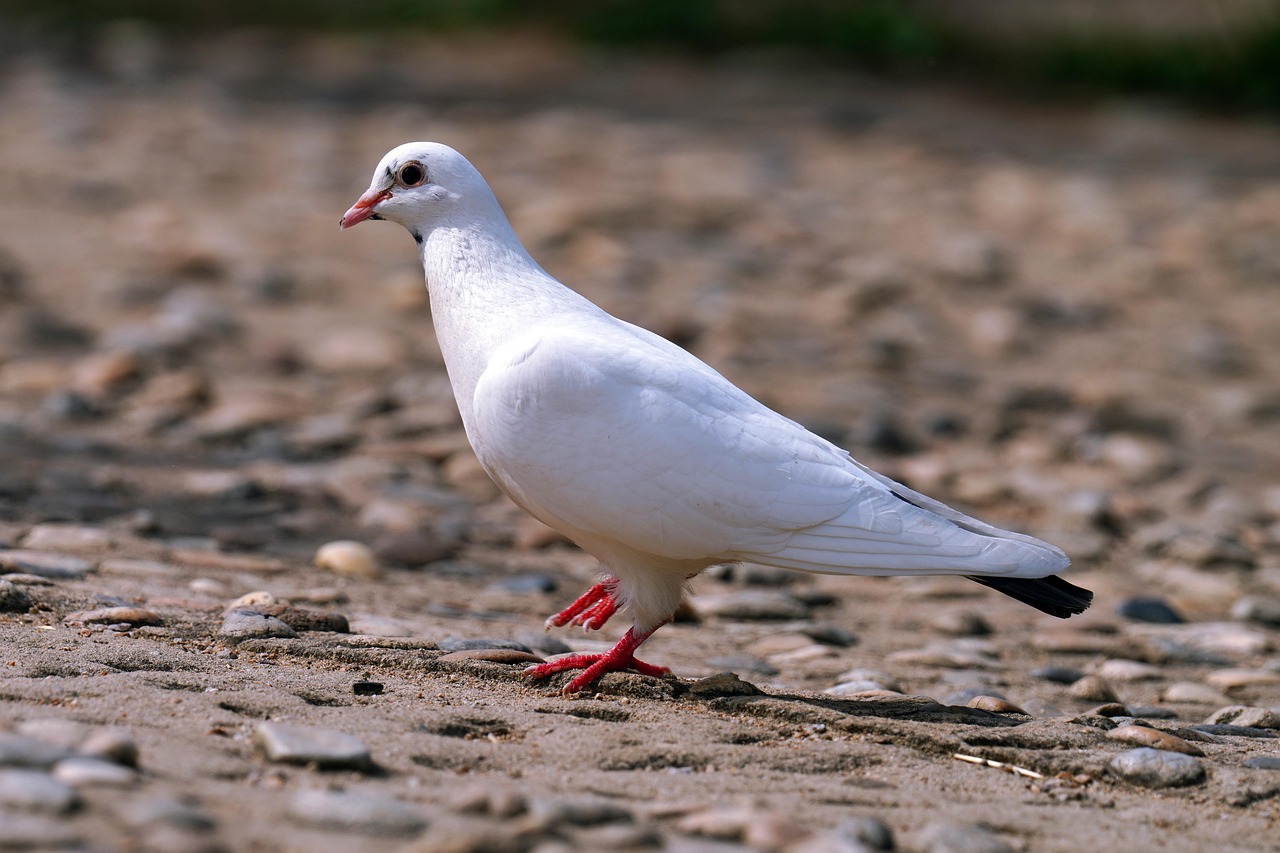
King pigeons exhibit a wide range of color variations, including pure white, black, blue, and red, often with iridescent sheens that catch the light beautifully. Their feathers are dense and smooth, providing excellent insulation and contributing to their overall health. This subsection discusses the genetics behind these colors and how selective breeding in the السوق الخليجي has led to rare and sought-after patterns. Additionally, it covers the importance of feather quality in judging competitions, where a glossy, well-maintained coat can significantly impact a bird's appeal and market value.
Behavioral Traits and Temperament
Beyond physical appearance, the King pigeon's behavior and temperament play a vital role in its suitability for Gulf enthusiasts. Known for their calm and docile nature, these birds are easy to handle and train, making them ideal for both novice and experienced keepers. This section explores their social habits, intelligence, and how these traits align with the preferences of the السوق الخليجي, where birds are often kept in communal aviaries or as pets.
Social Behavior and Interaction with Humans
King pigeons are highly social creatures, often forming strong bonds with their owners and flock mates. They exhibit playful behaviors, such as cooing and preening, which endear them to families and breeders alike. This subsection delves into their interaction patterns, highlighting how their gentle demeanor reduces stress in aviary settings and enhances their appeal in the حمام كنجي community. Practical tips for socializing young birds are included, emphasizing the importance of early handling to foster trust and adaptability in diverse environments.
Intelligence and Trainability
These pigeons demonstrate notable intelligence, capable of learning simple commands and routines, which makes them excellent for training in shows or homing exercises. Their trainability is a key factor in the السوق الخليجي, where competitions often test birds' abilities to navigate or perform tasks. This subsection covers methods for enhancing their cognitive skills, such as using positive reinforcement and structured training schedules. By leveraging their innate curiosity and memory, breeders can unlock the full potential of their حمام كنجي investments, leading to higher satisfaction and market success.
Breeding and Care Requirements
Successful breeding and care are essential for maintaining the health and vitality of King pigeons, especially in the demanding climate of the Gulf region. This section provides a comprehensive guide on housing, nutrition, and health management, tailored to the unique needs of the السوق الخليجي. By following best practices, breeders can ensure their birds thrive and reproduce effectively, sustaining the high demand for quality حمام كنجي.
Housing and Environmental Needs
Proper housing for King pigeons involves spacious, well-ventilated lofts that protect them from extreme temperatures and predators. In the Gulf, where summers can be harsh, incorporating shade, cooling systems, and secure enclosures is crucial. This subsection outlines ideal loft designs, including materials and layout recommendations, to promote comfort and hygiene. It also addresses the importance of regular cleaning to prevent diseases, ensuring that birds remain healthy and productive in the competitive حمام كنجي market.
Nutrition and Dietary Plans
A balanced diet is key to the King pigeon's growth and reproduction, consisting of grains, seeds, and supplements to meet their nutritional needs. This subsection details specific feed compositions, such as mixes of corn, wheat, and peas, along with vitamins and minerals essential for feather quality and immune support. Practical advice on feeding schedules and portion control is provided, helping breeders in the السوق الخليجي optimize their birds' health. Additionally, it covers common dietary issues and how to address them, ensuring that حمام كنجي maintain their vigor and appeal.
Health Management and Common Ailments
King pigeons are generally hardy, but they can be susceptible to ailments like respiratory infections or parasites, particularly in crowded conditions. This subsection focuses on preventive measures, such as vaccinations and regular health checks, to mitigate risks. It also lists common symptoms and treatments, empowering breeders to act quickly in emergencies. By prioritizing health management, enthusiasts in the السوق الخليجي can reduce losses and enhance the longevity of their حمام كنجي flocks, contributing to a sustainable breeding ecosystem.
Market Dynamics and Demand in the Gulf
The demand for King pigeons in the Gulf market is driven by factors such as cultural trends, economic prosperity, and the rise of pigeon-related events. This section analyzes the current market dynamics, including pricing trends, buyer preferences, and the role of digital platforms in facilitating trade. Understanding these elements can help stakeholders navigate the السوق الخليجي effectively, capitalizing on opportunities in the حمام كنجي niche.
Pricing Trends and Economic Factors
Prices for King pigeons in the Gulf can vary widely, from a few hundred to thousands of dollars, depending on factors like age, color, and pedigree. This subsection examines how economic conditions, such as oil wealth and disposable income, influence purchasing power and demand. It also discusses the impact of supply chain issues, such as import regulations, on availability and costs. By monitoring these trends, breeders can set competitive prices and maximize profits in the حمام كنجي segment of the السوق الخليجي.
Buyer Preferences and Cultural Influences
Gulf buyers often prioritize birds with unique colors, proven lineage, and calm temperaments, reflecting broader cultural values of prestige and tradition. This subsection explores how these preferences shape breeding strategies and marketing efforts. It highlights the growing interest in rare variants and how social media has amplified trends, making the حمام كنجي a status symbol. Insights into consumer behavior are provided, helping breeders tailor their offerings to meet the evolving demands of the السوق الخليجي.
Future Prospects and Innovations
Looking ahead, the King pigeon industry in the Gulf is poised for growth, with innovations in breeding techniques, technology, and sustainability shaping its future. This section discusses emerging trends, such as genetic engineering and eco-friendly practices, that could revolutionize the حمام كنجي market. By staying informed, enthusiasts can adapt to changes and ensure the long-term viability of their investments in the السوق الخليجي.
Technological Advancements in Breeding
Advances in technology, like DNA testing and automated monitoring systems, are enhancing the precision and efficiency of King pigeon breeding. This subsection covers how these tools help identify desirable traits early, reduce genetic disorders, and improve overall flock health. It also touches on the potential for virtual shows and online marketplaces to expand the reach of the السوق الخليجي. By embracing innovation, breeders can elevate the quality of حمام كنجي and tap into new opportunities.
Sustainability and Ethical Considerations
As awareness of animal welfare grows, sustainable practices are becoming increasingly important in the pigeon industry. This subsection addresses ethical breeding standards, habitat conservation, and the role of community initiatives in promoting responsible ownership. It encourages breeders in the السوق الخليجي to adopt eco-friendly methods, such as reducing waste and supporting local ecosystems, to ensure the حمام كنجي trade remains viable for generations. Practical steps for implementation are outlined, fostering a balanced approach to growth and conservation.
Conclusion
In summary, the King pigeon's appeal in the Gulf market stems from its impressive physical traits, gentle behavior, and deep cultural roots. By focusing on proper care, breeding, and market awareness, enthusiasts can thrive in this dynamic niche. For those looking to elevate their pigeon management, consider exploring tools and resources from Ghawy – Pigeon Manager (غاوي – إدارة الحمام) to streamline your efforts and achieve greater success.