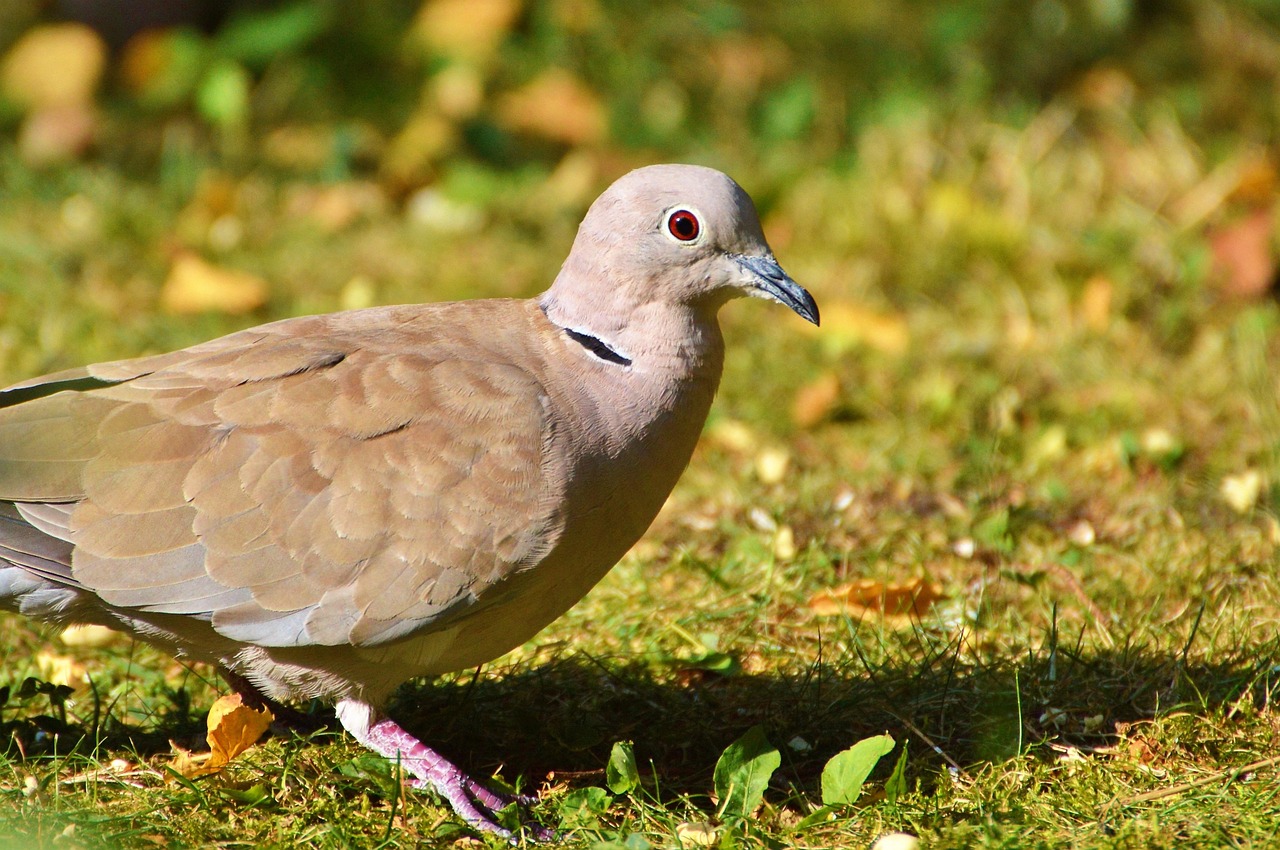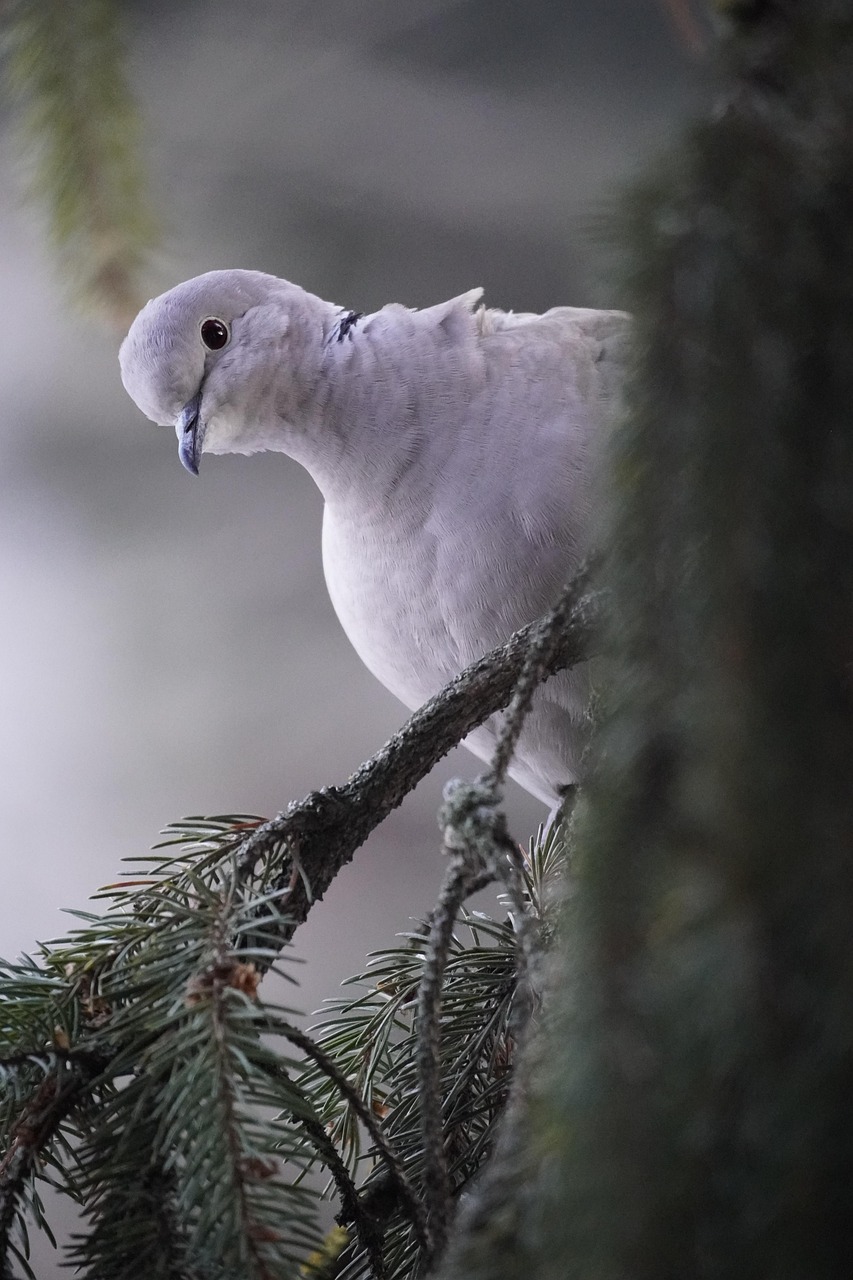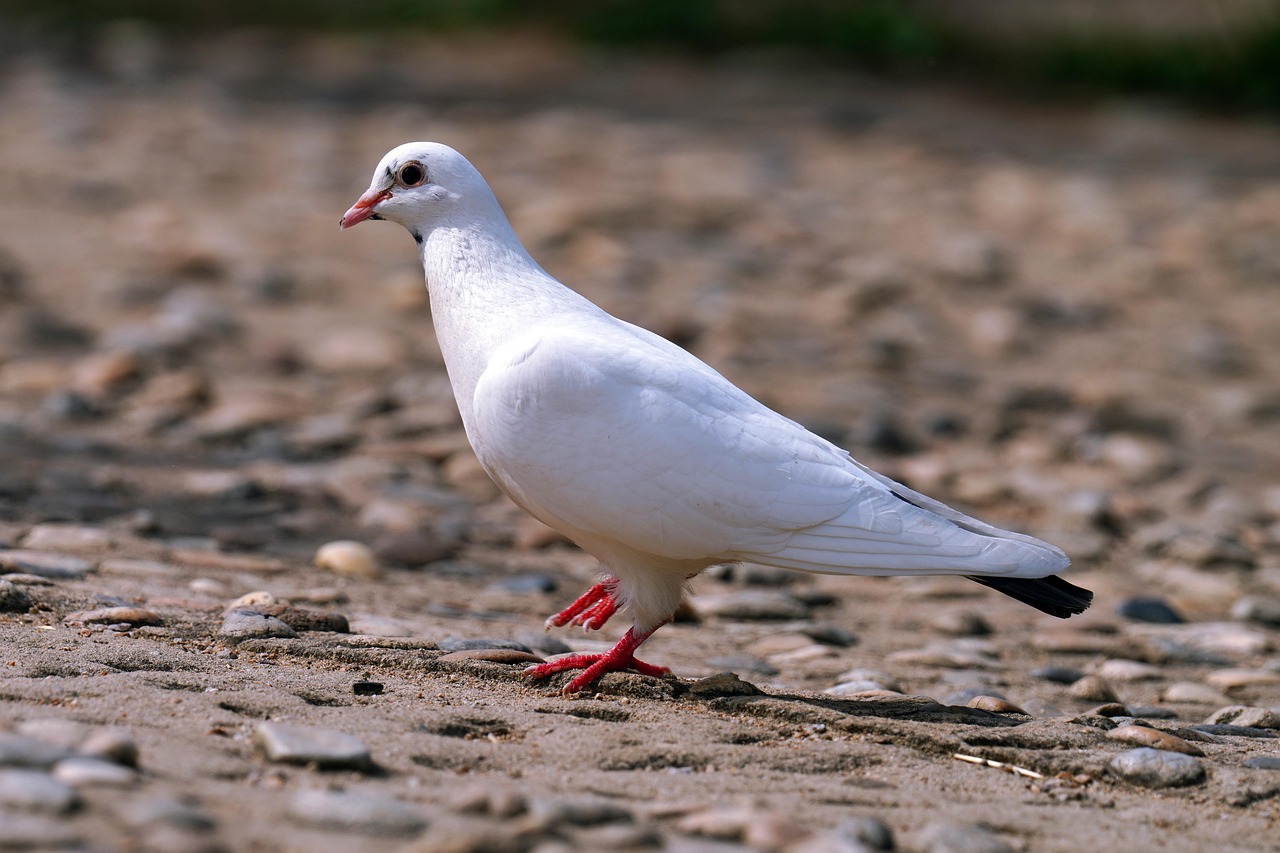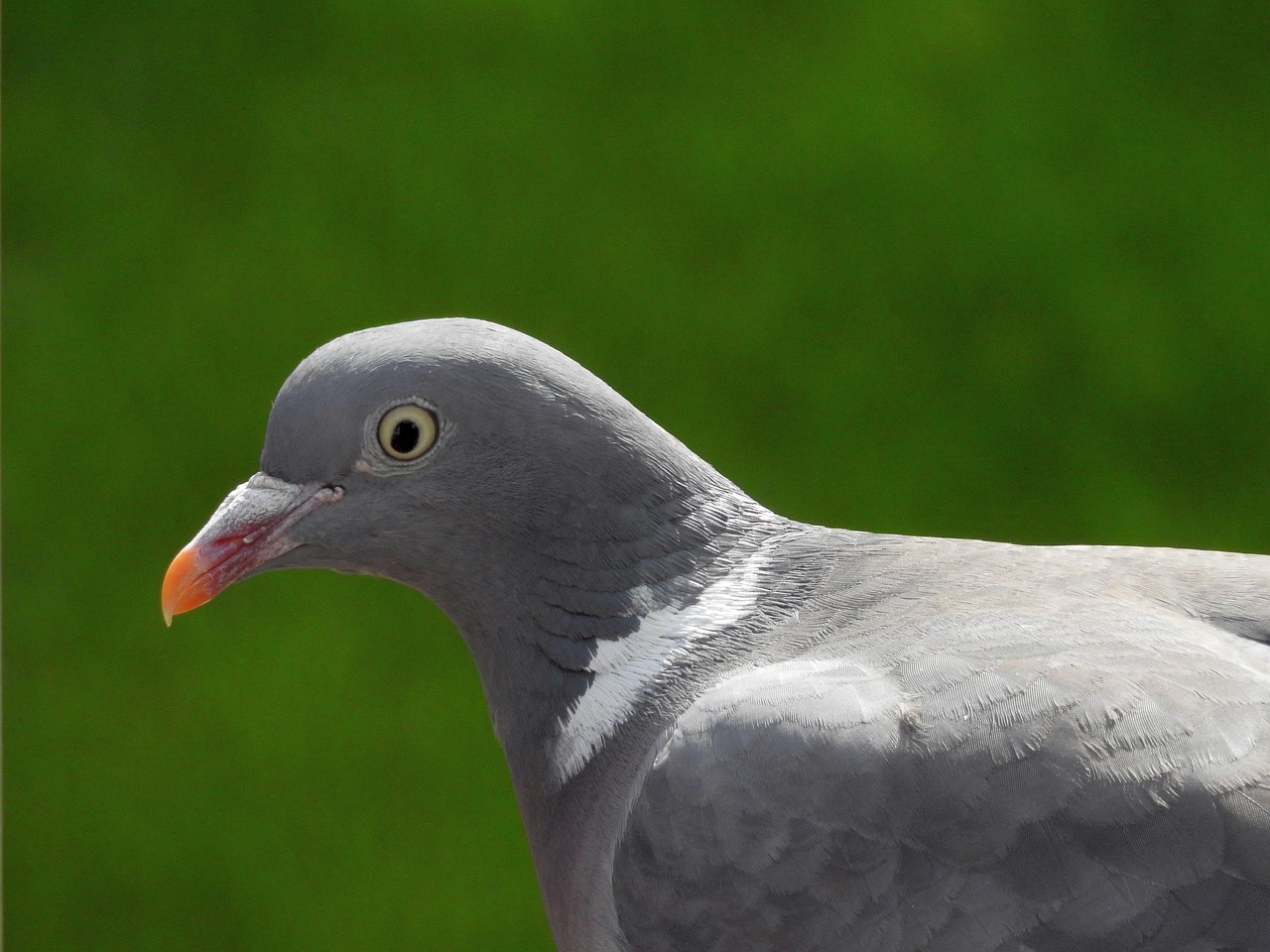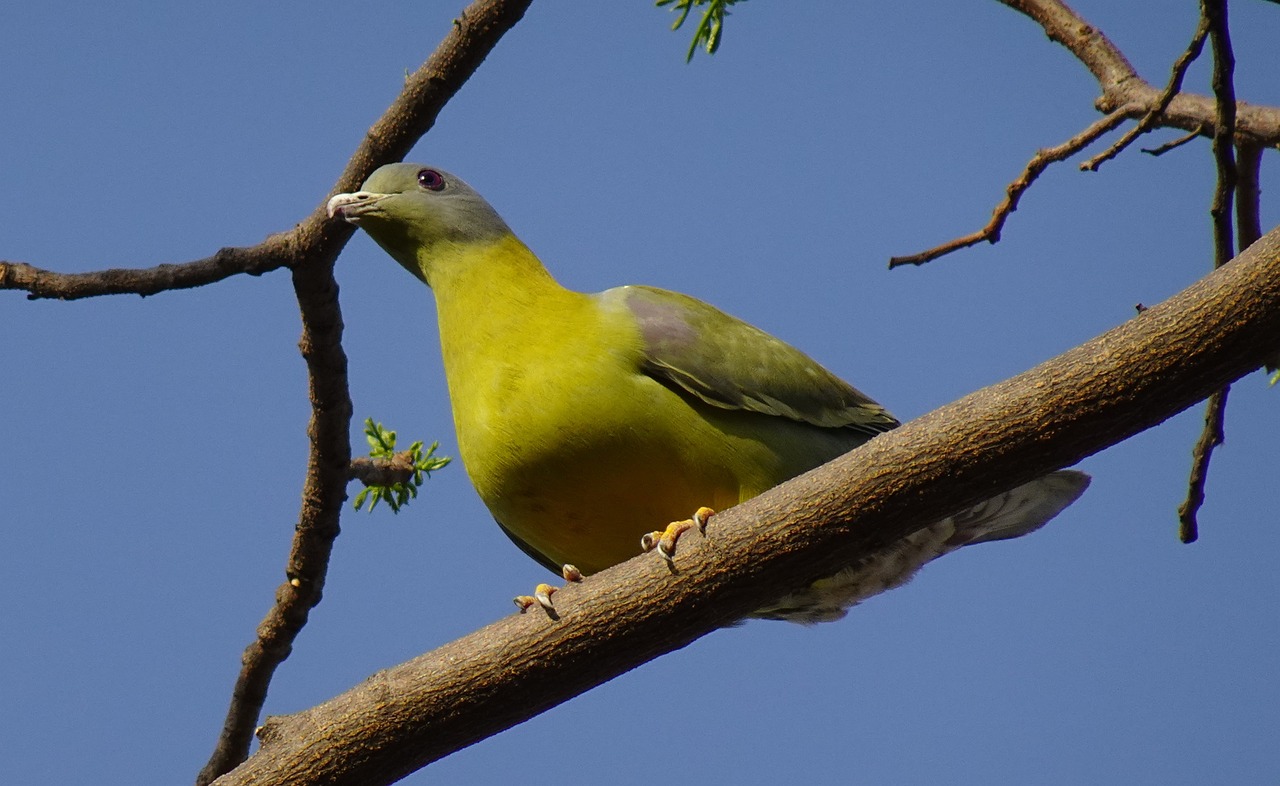
The King pigeon, known as 'حمام كنجي' in Arabic, has become a highly sought-after breed in the Gulf market, captivating enthusiasts with its unique characteristics and cultural significance. This article delves into the specifications and factors driving its popularity, offering insights for breeders and collectors. Understanding these aspects can help you navigate the thriving pigeon scene in the region.
Introduction to the King Pigeon
The King pigeon, or 'حمام كنجي', is a distinguished breed that has gained immense popularity in the Gulf region due to its striking appearance and versatile uses. Originating from selective breeding practices, this pigeon is prized for both ornamental and practical purposes. In this section, we explore its origins and why it stands out in the competitive pigeon market.
Historical Background
The King pigeon has a rich history rooted in Middle Eastern pigeon breeding traditions, where it was developed for its robust build and aesthetic appeal. Over decades, breeders in countries like Saudi Arabia and the UAE have refined this breed, emphasizing traits that cater to local preferences. This evolution has made it a symbol of prestige and heritage in Arab pigeon culture, often featured in exhibitions and private collections. Understanding this background helps appreciate why it remains a top choice in the Gulf market today.
In recent years, the demand for King pigeons has surged, driven by their association with luxury and status in Gulf societies. Historical records and breeder anecdotes highlight how these pigeons were once reserved for royalty, but now they are accessible to a wider audience. This shift has fueled a vibrant market, with enthusiasts seeking birds that embody traditional values while meeting modern standards. By tracing its journey, we see how the King pigeon has adapted to changing times while retaining its core appeal.
Key Characteristics
King pigeons are renowned for their distinctive physical traits, including a large, muscular body, broad chest, and elegant posture that commands attention. Their feathers often display a variety of colors, such as white, black, or mottled patterns, with a glossy sheen that enhances their visual appeal. Additionally, they possess a calm temperament, making them easy to handle and ideal for both novice and experienced breeders in the Gulf region.
Beyond aesthetics, these pigeons exhibit strong flying abilities and resilience to the harsh climatic conditions common in the Gulf, such as high temperatures and arid environments. Breeders value their high fertility rates and good parenting instincts, which contribute to successful breeding programs. When selecting a King pigeon, look for clear eyes, well-formed beaks, and symmetrical wings to ensure quality. These characteristics not only make them desirable for shows but also for practical uses like homing or meat production.
Demand Factors in the Gulf Market
The Gulf market for King pigeons is booming, influenced by cultural, economic, and social factors that drive high demand. This section examines the key elements that make 'حمام كنجي' a staple in the region, from its role in traditions to its investment potential. By understanding these drivers, breeders can better position themselves in this lucrative niche.
Cultural Significance
In Gulf cultures, pigeons have long been symbols of peace, beauty, and hospitality, with the King pigeon holding a special place in events like weddings and festivals. Its presence in Arab folklore and art underscores its importance, often representing elegance and grace. This cultural embeddedness fuels demand, as owning such pigeons is seen as a way to honor heritage and connect with community traditions.
Moreover, pigeon racing and showing are popular pastimes in the Gulf, where King pigeons frequently compete and win accolades, boosting their prestige. Families often pass down breeding knowledge and prized birds through generations, reinforcing their value. As urbanization increases, maintaining these cultural ties through pigeon keeping has become a cherished practice, ensuring steady demand. Embracing this aspect can help breeders market their pigeons effectively, highlighting their role in preserving Arab identity.
Economic Drivers
The economic appeal of King pigeons in the Gulf market stems from their potential for high returns, with top-quality birds fetching significant prices in auctions and private sales. Factors like rarity, lineage, and physical perfection influence value, making them attractive investments for collectors and breeders alike. In regions like Qatar and Kuwait, pigeon-related businesses thrive, supported by a growing community of enthusiasts willing to pay premium prices.
Additionally, the pigeon industry contributes to local economies through events, feed suppliers, and veterinary services, creating a ripple effect that sustains demand. With the Gulf's affluent consumer base, there is a constant appetite for luxury items, including exotic pigeons. Breeders can capitalize on this by focusing on quality breeding and marketing strategies that emphasize exclusivity. Understanding these economic dynamics is crucial for anyone looking to enter or expand in the 'حمام كنجي' market.
Breeding and Care Essentials
Successfully raising King pigeons requires knowledge of breeding techniques and proper care to ensure health and vitality. This section covers practical advice for breeders, from selecting pairs to maintaining optimal conditions, tailored to the Gulf environment. By following these guidelines, you can enhance your flock's quality and meet market demands effectively.
Breeding Best Practices
Breeding King pigeons starts with selecting healthy, genetically diverse pairs that exhibit desirable traits like strong conformation and good temperament. In the Gulf, it's essential to consider climate adaptability, choosing birds that can withstand heat and humidity. Use controlled environments, such as shaded lofts or indoor facilities, to protect them from extreme weather, and implement a balanced breeding schedule to avoid overproduction.
Monitoring genetics is key to preventing inbreeding, which can lead to health issues; maintain detailed records of lineage and performance. Introduce new bloodlines occasionally to enhance vigor and diversity in your flock. During breeding seasons, provide ample nesting materials and space to reduce stress, and observe pairs for compatibility to improve success rates. By adhering to these practices, breeders can produce high-quality 'حمام كنجي' that thrive in the Gulf market, meeting the expectations of discerning buyers.
Health and Nutrition
Maintaining the health of King pigeons involves a balanced diet rich in proteins, vitamins, and minerals, with feeds specifically formulated for pigeons to support growth and feather quality. In the Gulf's hot climate, ensure access to fresh water at all times and supplement with electrolytes during peak summer months to prevent dehydration. Regular health checks are vital; watch for signs of common ailments like respiratory infections or parasites, and consult avian veterinarians for preventive care.
Hygiene plays a crucial role in pigeon care; clean lofts regularly to avoid disease outbreaks, and use disinfectants safe for birds. Provide perches and flying space to encourage exercise, which boosts immunity and overall well-being. A well-maintained diet and environment not only prolong the lifespan of your pigeons but also enhance their marketability. For instance, a healthy King pigeon with glossy feathers and energetic behavior is more likely to attract buyers in the competitive Gulf market.
Market Trends and Opportunities
The Gulf pigeon market is evolving, with trends shaping the future of King pigeon breeding and sales. This section explores current developments, from digital platforms to sustainability concerns, offering insights for breeders to stay ahead. By leveraging these opportunities, you can maximize your success in this dynamic industry.
Emerging Trends
Recent trends in the Gulf pigeon market include a growing interest in online sales and social media communities, where breeders showcase King pigeons to a global audience. Platforms like Instagram and specialized forums have made it easier to connect with buyers, discuss breeding techniques, and share successes. This digital shift allows for wider reach and faster transactions, benefiting those who adapt to new technologies.
Another trend is the emphasis on sustainable and ethical breeding practices, with consumers increasingly valuing transparency in animal welfare. Breeders who adopt humane methods and document their processes can gain a competitive edge. Additionally, there's a rise in cross-border trade within the GCC, facilitating the exchange of high-quality 'حمام كنجي' and expanding market opportunities. Staying informed about these trends enables breeders to innovate and meet the evolving demands of the Gulf market.
Future Outlook
The future of King pigeons in the Gulf looks promising, with projections indicating sustained growth due to increasing disposable incomes and cultural preservation efforts. As urbanization continues, more people are turning to pigeon keeping as a hobby, driving demand for premium breeds. Breeders can expect opportunities in niche areas like specialized shows or breeding for specific traits, such as enhanced colors or sizes.
To capitalize on this, focus on education and community building, perhaps through workshops or online resources that share expertise. The integration of technology, like apps for tracking lineage or health, could revolutionize the industry. By anticipating these changes, breeders can position themselves as leaders in the 'حمام كنجي' market. Ultimately, the key to long-term success lies in balancing tradition with innovation, ensuring that King pigeons remain a beloved part of Gulf culture.
Conclusion
In summary, the King pigeon, or 'حمام كنجي', stands out in the Gulf market for its unique traits, cultural importance, and economic potential. By focusing on quality breeding, proper care, and adapting to market trends, enthusiasts can thrive in this vibrant community. For expert guidance and resources, consider reaching out to Ghawy – Pigeon Manager (غاوي – إدارة الحمام), a trusted name in pigeon management that supports breeders in achieving their goals.