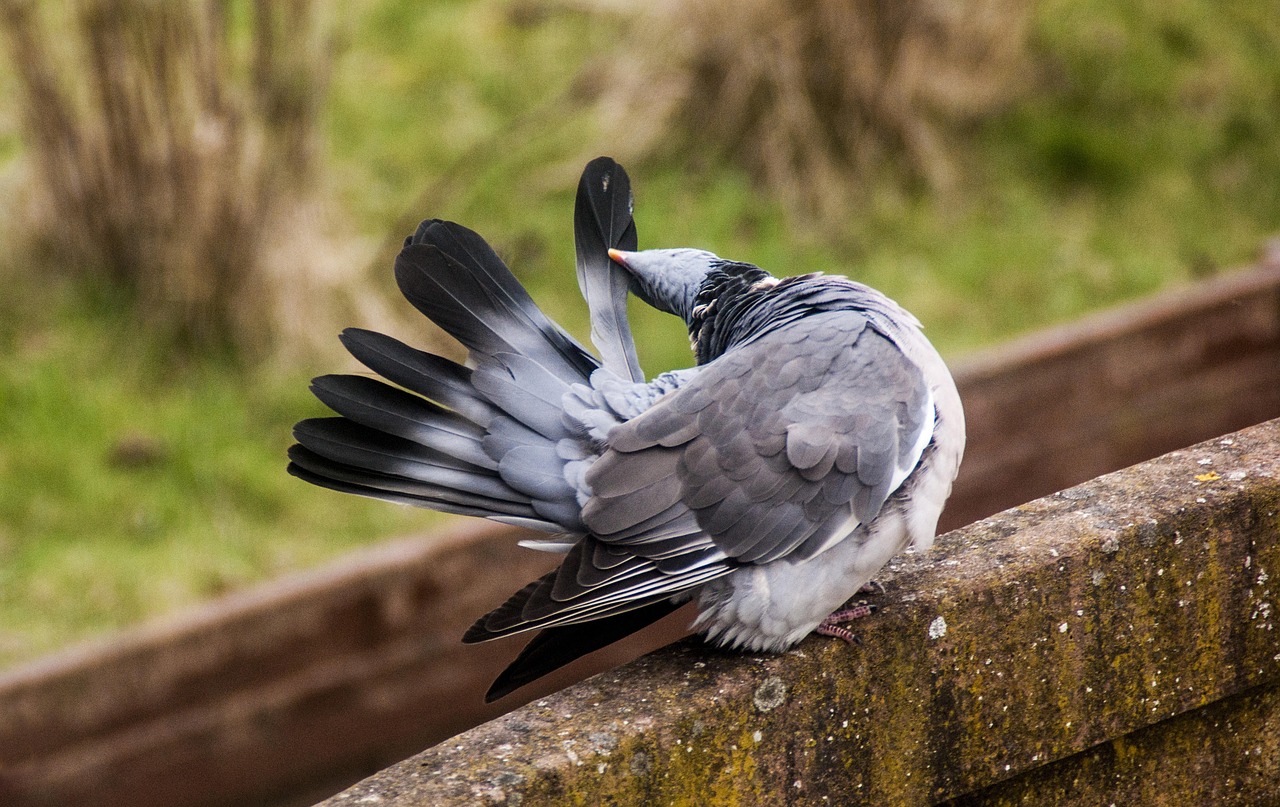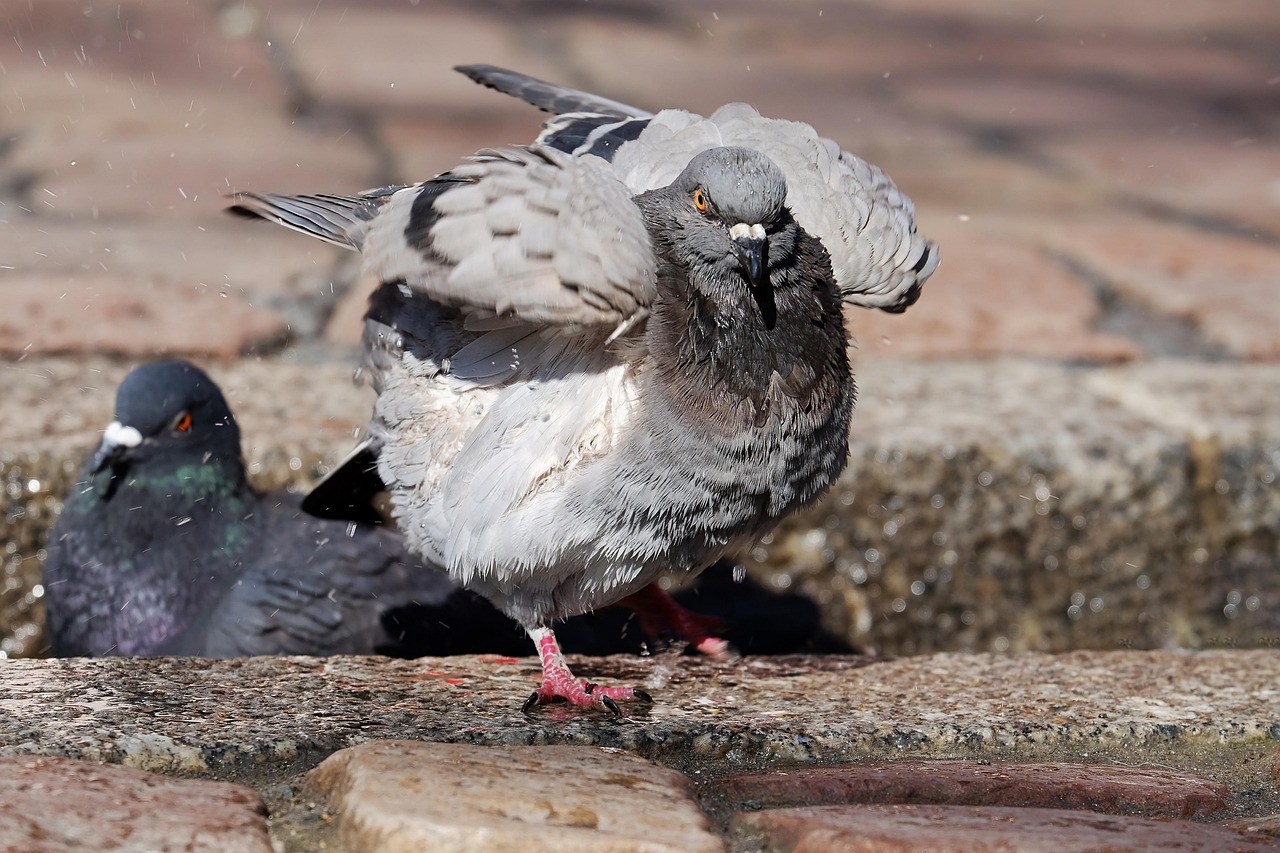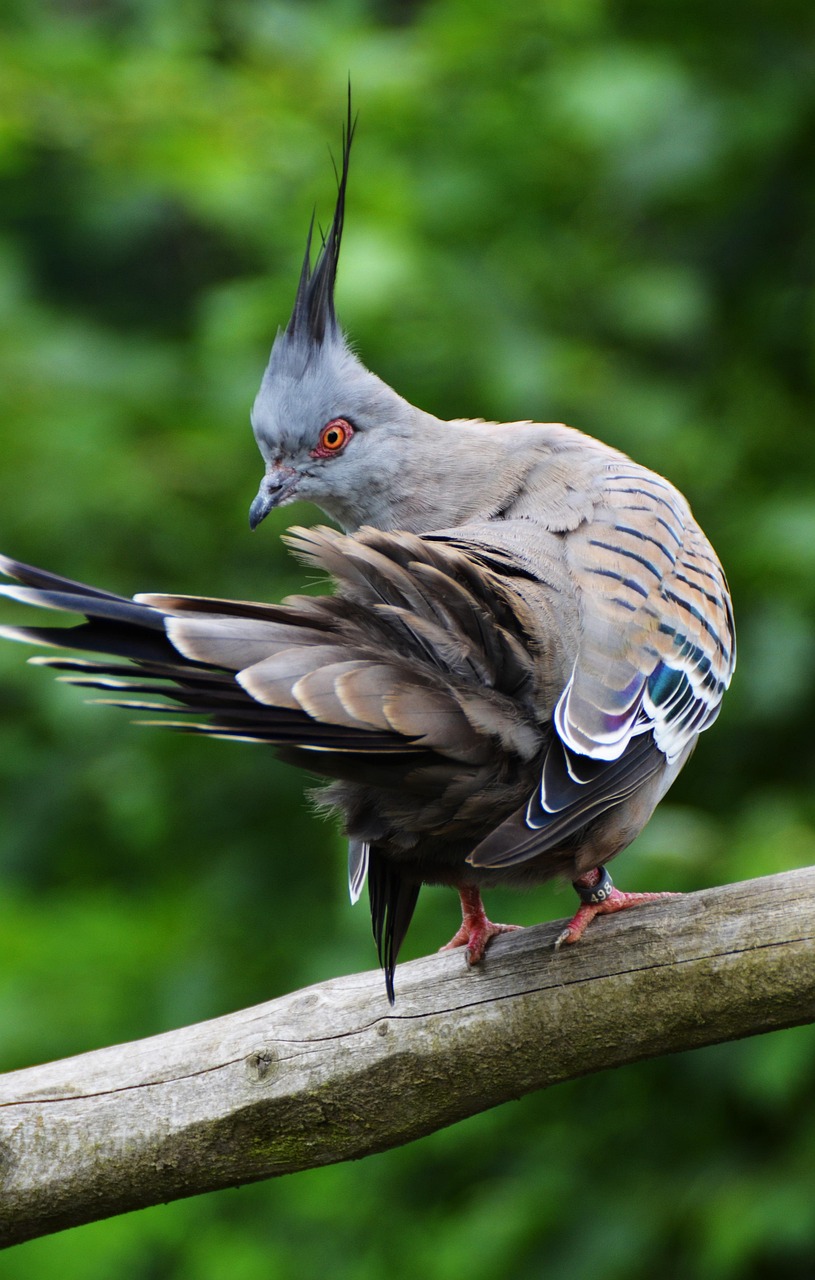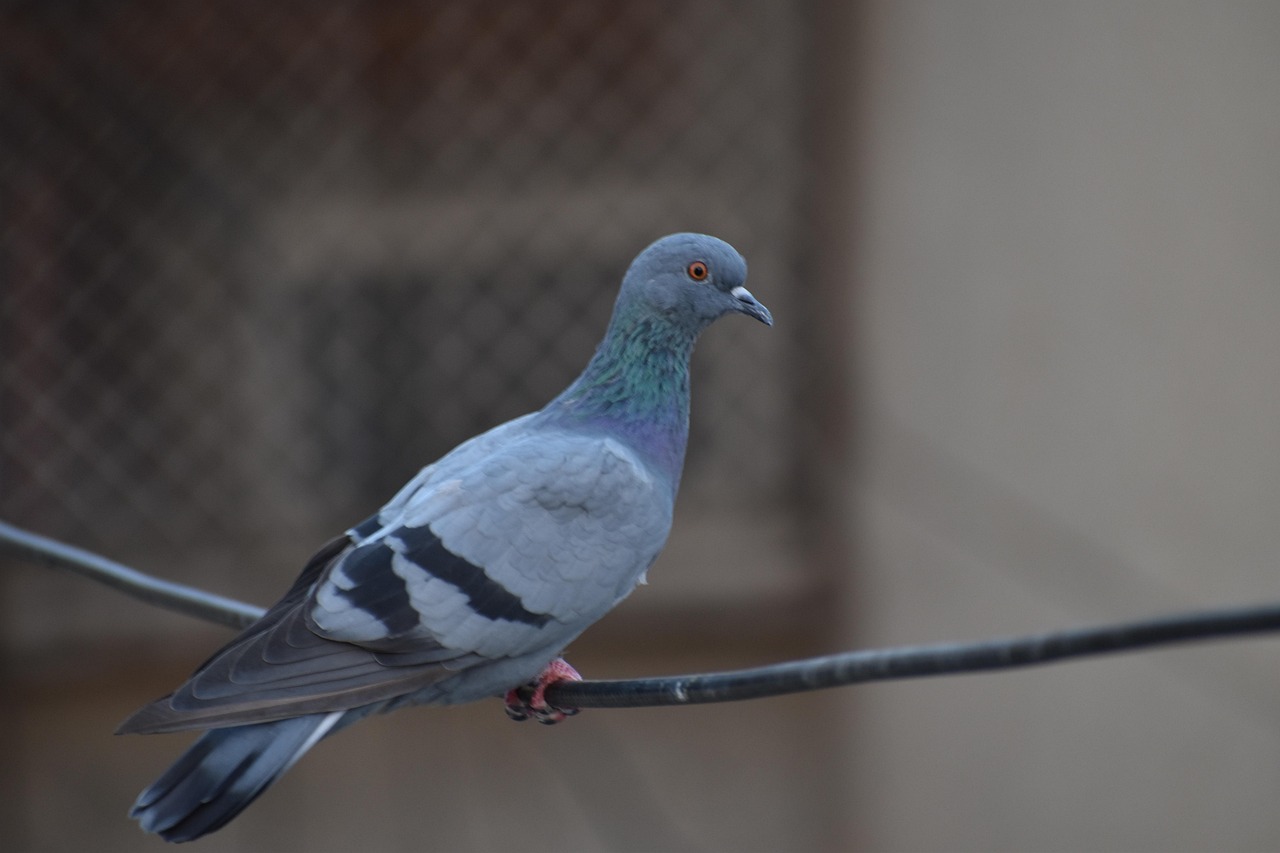
Rare pigeon breeds captivate enthusiasts with their unique beauty and elegance, but showcasing them effectively requires the right equipment. From the show cage setup to strategic lighting for pigeons, every detail matters in highlighting their splendor. This guide explores professional tools and techniques to elevate your displays and impress judges and audiences alike.
Understanding the Importance of a Proper Show Cage Setup
A well-designed show cage setup is the foundation for presenting rare pigeon breeds at their best. It not only ensures the birds' comfort and safety but also enhances their visual appeal, allowing their distinctive features to shine. Investing in quality cages can make a significant difference in competitive shows and personal collections.
Choosing the Right Cage Materials and Design
Selecting the ideal materials for your show cage setup involves balancing durability, aesthetics, and functionality. Stainless steel and powder-coated metals are popular choices due to their resistance to corrosion and ease of cleaning, which is crucial for maintaining hygiene in pigeon displays. The design should include smooth edges and secure latches to prevent injuries and escapes, while also allowing for adequate ventilation to keep the birds healthy. Additionally, consider cages with removable trays or panels for effortless maintenance, as this saves time during busy show preparations. Opt for designs that complement the pigeon's colors and patterns, such as neutral tones that don't distract from their natural beauty, ensuring the focus remains on the breed's rarity and elegance.
When it comes to size and dimensions, a proper show cage setup should provide enough space for the pigeon to move comfortably without feeling cramped, which can stress the bird and detract from its presentation. Standard sizes often range from 18 to 24 inches in length, but this may vary based on the breed's specific needs. For instance, larger breeds like Carriers or Homers require more room to showcase their posture, while smaller varieties like Tumblers can thrive in compact setups. Always prioritize the bird's well-being by ensuring the cage allows for natural behaviors like perching and preening, as this contributes to a lively and engaging display that captures attention in any exhibition.
Essential Features for an Optimal Display Environment
Incorporating key features into your show cage setup can dramatically improve the presentation of rare pigeon breeds. Perches should be adjustable and made from non-slip materials to support the birds' feet and encourage natural posing, which is vital for judging criteria in competitions. Include built-in feeders and water dispensers that are easily accessible yet discreet, minimizing clutter and keeping the cage looking pristine. Features like removable dividers or modular components allow for customization based on the number of birds or the layout of the show venue, providing flexibility for different events. By focusing on these elements, you create a habitat that not only showcases the pigeons but also promotes their health and happiness, leading to more dynamic and award-winning displays.
Another critical aspect is the integration of security measures, such as lockable doors and reinforced mesh, to protect valuable rare breeds from theft or accidental release. In high-stakes shows, a secure show cage setup gives owners peace of mind, allowing them to focus on other details like grooming and interaction. Additionally, consider cages with built-in handling doors or access points that facilitate easy bird retrieval for judging or health checks, reducing stress for both the pigeon and the handler. These features not only enhance safety but also streamline the overall experience, making your setup a reliable choice for repeated use in various exhibitions and breeding programs.
Mastering Lighting for Pigeons to Enhance Visual Appeal
Lighting for pigeons plays a pivotal role in accentuating the intricate details and vibrant colors of rare breeds, transforming a good display into an exceptional one. Proper illumination can highlight feather patterns, eye color, and overall conformation, making it easier for judges and spectators to appreciate the bird's uniqueness. This section delves into techniques and tools to optimize lighting in your setup.
Types of Lighting and Their Effects on Pigeon Presentation
Different types of lighting can dramatically alter how pigeons are perceived in a show environment. Natural daylight is often preferred for its ability to reveal true colors and reduce shadows, but it's not always controllable indoors. As an alternative, full-spectrum LED lights mimic sunlight and provide consistent, energy-efficient illumination that enhances feather sheen and minimizes glare. Avoid harsh, direct lighting that can cause discomfort or overheating, and instead opt for diffused sources that create a soft, even glow. This approach not only improves the visual appeal but also supports the birds' well-being by reducing stress from bright, fluctuating light conditions.
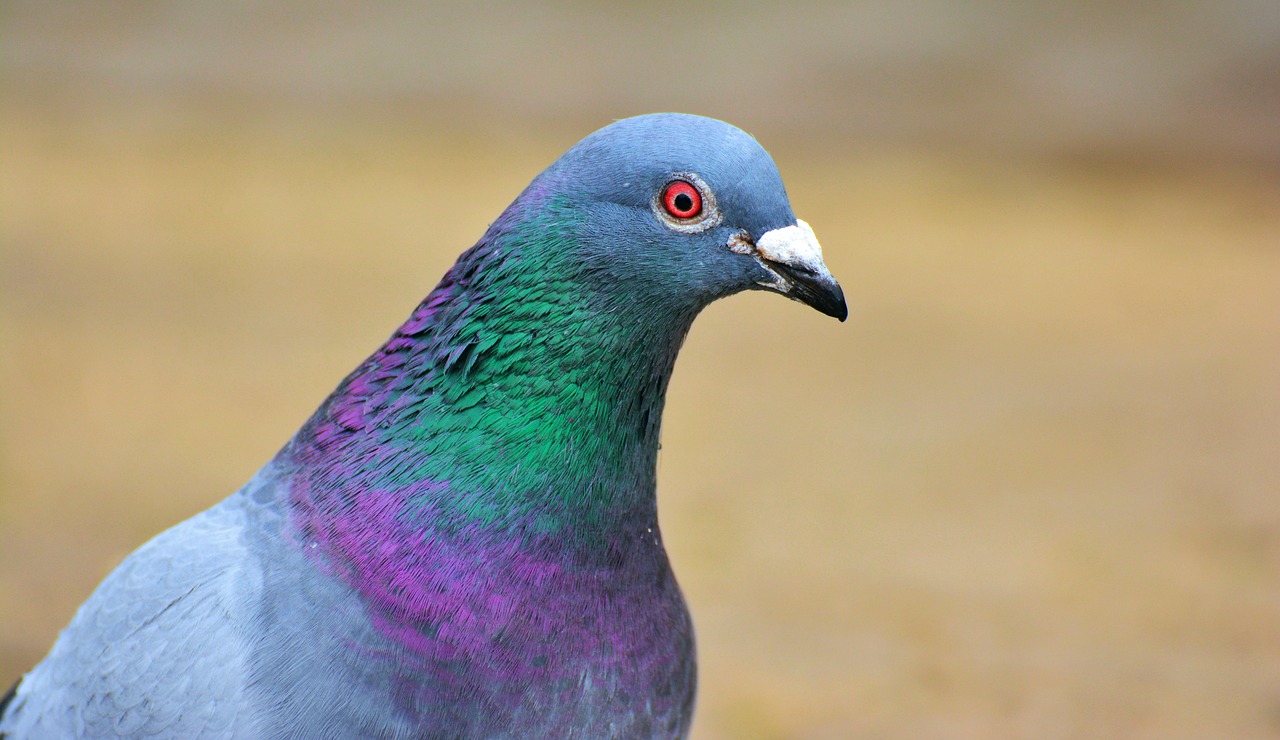
In addition to general lighting, focused spotlights can be used to draw attention to specific features, such as the iridescence on a pigeon's neck or the symmetry of its wings. When implementing lighting for pigeons, consider the color temperature; warmer tones around 3000K can add a rich, inviting ambiance, while cooler tones around 5000K may better highlight details in competitive settings. Experiment with adjustable fixtures to find the perfect balance, and always test the setup beforehand to ensure it doesn't cast unflattering shadows or cause the birds to appear washed out. By tailoring the lighting to the breed's characteristics, you create a captivating display that stands out in any show.
Strategic Placement and Timing for Maximum Impact
The placement of lights is crucial in a show cage setup to avoid hotspots and ensure even coverage that flatters the pigeon's form. Position lights at angles that illuminate the bird from multiple sides, such as from above and the front, to reduce shadows and showcase three-dimensional features like body depth and feather texture. Use dimmable controls to adjust intensity based on the time of day or specific judging criteria, allowing for flexibility in different show environments. For instance, during peak viewing hours, brighter lighting can attract attention, while softer settings might be used for longer exhibitions to maintain a calm atmosphere. This strategic approach not only enhances the aesthetic but also aligns with best practices for animal welfare, as consistent, well-placed lighting reduces the risk of eye strain or behavioral issues in pigeons.
Timing is another key factor when using lighting for pigeons; for example, gradually increasing light levels in the morning can simulate a natural dawn, helping birds acclimate and reducing stress during shows. Incorporate timers or smart lighting systems to automate these changes, ensuring a seamless experience without constant manual adjustments. In competitive settings, coordinate with event schedules to highlight your display during judging periods, using focused beams to emphasize the pigeon's best attributes. Remember, the goal is to create a dynamic yet comfortable environment that allows the breed's rarity to shine, making your setup a benchmark for excellence in pigeon showcasing.
Integrating Accessories for a Complete Display Experience
Beyond the basic show cage setup and lighting, accessories can elevate your presentation by adding functionality and aesthetic appeal. Items like background panels, decorative elements, and interactive features help create a cohesive and engaging environment that highlights the uniqueness of rare pigeon breeds. This section covers essential add-ons to consider for a professional display.
Backgrounds and Decorative Elements to Complement the Birds
Choosing the right background for your show cage setup can make a significant difference in how the pigeons are perceived. Solid colors like deep blues or earthy tones often work best, as they provide contrast without distracting from the bird's natural colors and patterns. Avoid busy patterns or bright hues that might overwhelm the viewer; instead, opt for materials that are easy to clean and durable, such as vinyl or fabric panels. These backgrounds can be customized with subtle textures or gradients to add depth, creating a visually pleasing frame that directs focus squarely on the pigeon. Additionally, consider incorporating natural elements like faux foliage or minimalist perches that mimic the bird's habitat, enhancing the overall theme without compromising on professionalism.
Decorative accessories should serve a purpose beyond aesthetics; for example, adding small, secure platforms or ledges can encourage pigeons to adopt striking poses that showcase their breed standards. Use items that are non-toxic and easy to sanitize, as hygiene is paramount in preventing disease transmission in show environments. When selecting decorations, think about the narrative you want to convey—whether it's the elegance of a fancy breed or the robustness of a utility type. By thoughtfully integrating these elements, you create an immersive experience that not only highlights the bird's beauty but also tells a story, making your display memorable for judges and enthusiasts alike.
Interactive and Educational Components for Audience Engagement
Incorporating interactive features into your display can boost audience engagement and educational value, especially in public shows or exhibitions. Simple additions like informational plaques or QR codes linked to breed details allow viewers to learn more about the rarity and history of the pigeons, fostering a deeper appreciation. For lighting for pigeons, consider using color-changing LEDs that can be adjusted to demonstrate how different hues affect the bird's appearance, providing a hands-on learning experience. These elements not only make your setup more dynamic but also position you as an expert in the field, encouraging discussions and networking within the pigeon community.
To further enhance interactivity, include safe handling stations or viewing windows that let spectators observe the birds up close without causing stress. Use clear, durable materials for these components to maintain visibility while ensuring the pigeons' security. In larger setups, you might add audio elements, such as recordings of pigeon coos or explanations of breeding techniques, to create a multisensory experience. By blending education with entertainment, you not only showcase your rare breeds effectively but also contribute to the broader knowledge and passion for pigeon keeping, making your display a highlight of any event.
Maintaining and Optimizing Your Equipment for Long-Term Use
Regular maintenance of your show cage setup and lighting systems is essential for ensuring longevity and consistent performance in pigeon displays. Proper care not only protects your investment but also upholds the health and safety of your birds, preventing issues that could detract from their presentation. This section provides practical tips for upkeep and optimization.
Routine Cleaning and Sanitization Practices
Keeping your show cage setup clean is crucial for preventing the spread of diseases and maintaining a professional appearance. Establish a routine that includes daily spot cleaning of droppings and food debris, followed by a weekly deep clean using bird-safe disinfectants. Focus on all surfaces, including perches, trays, and mesh, to remove bacteria and parasites that could harm your pigeons. For lighting fixtures, dust and wipe them regularly to ensure optimal brightness and prevent overheating, which can affect both the equipment and the birds' comfort. By adhering to a strict cleaning schedule, you not only extend the life of your equipment but also create a healthier environment that allows rare breeds to thrive and look their best during shows.
In addition to basic cleaning, inspect your setup for wear and tear, such as rust on metal parts or frayed wires in lighting systems, and address these issues promptly to avoid accidents. Use non-abrasive cleaners and soft cloths to preserve finishes and prevent damage that could compromise the cage's integrity. For lighting for pigeons, check bulbs and connections periodically to ensure consistent performance, and replace any components that show signs of failure. Documenting maintenance logs can help track the lifespan of your equipment and plan for replacements, ensuring your display remains top-notch for years to come. This proactive approach not only saves money in the long run but also reinforces your reputation as a diligent and responsible pigeon enthusiast.
Upgrades and Customizations for Enhanced Performance
As technology and trends evolve, upgrading your show cage setup and lighting can keep your displays competitive and innovative. Consider integrating smart controls for lighting systems, allowing remote adjustments via apps to adapt to different show conditions or judge preferences. For cages, explore modular designs that can be expanded or reconfigured for various breeds or events, providing versatility without the need for entirely new equipment. These upgrades not only improve functionality but also demonstrate a commitment to excellence, setting your presentations apart in a crowded field. When customizing, focus on enhancements that align with the specific needs of rare pigeon breeds, such as added insulation for temperature-sensitive varieties or specialized perches for breeds with unique posture requirements.
To optimize your setup further, gather feedback from judges and fellow exhibitors to identify areas for improvement, and use this input to make informed upgrades. For instance, if lighting for pigeons is consistently mentioned as a weak point, invest in higher-quality LEDs or diffusers to achieve better results. Additionally, stay informed about new products and techniques in the industry, such as energy-efficient options or eco-friendly materials, to make sustainable choices that benefit both your birds and the environment. By continuously refining your equipment, you ensure that your displays not only meet but exceed expectations, helping you achieve success in shows and build a lasting legacy in the pigeon community.
Conclusion
Showcasing rare pigeon breeds effectively hinges on a well-executed show cage setup and strategic lighting for pigeons, which together highlight their unique beauty and ensure their comfort. By choosing the right materials, incorporating essential features, and maintaining your equipment, you can create displays that impress judges and enthusiasts alike. For those looking to streamline their pigeon management, consider exploring tools like Ghawy – Pigeon Manager to enhance your overall approach and achieve greater success in your endeavors.