In the world of pigeon showing, exceptional photography can dramatically increase your bird's market appeal and sale price. By mastering pigeon photography techniques, you create a powerful tool for show presentation that highlights your pigeon's best features. This guide will walk you through actionable steps to capture stunning images that elevate your pigeon's value.
Essential Equipment for Pigeon Photography
Investing in the right gear is the first step toward professional pigeon photography. Quality equipment ensures sharp, clear images that showcase your pigeon's details, from feather patterns to eye color. Start with a DSLR or mirrorless camera for flexibility, and consider accessories like tripods and lighting to enhance your shots.
Choosing the Right Camera and Lenses
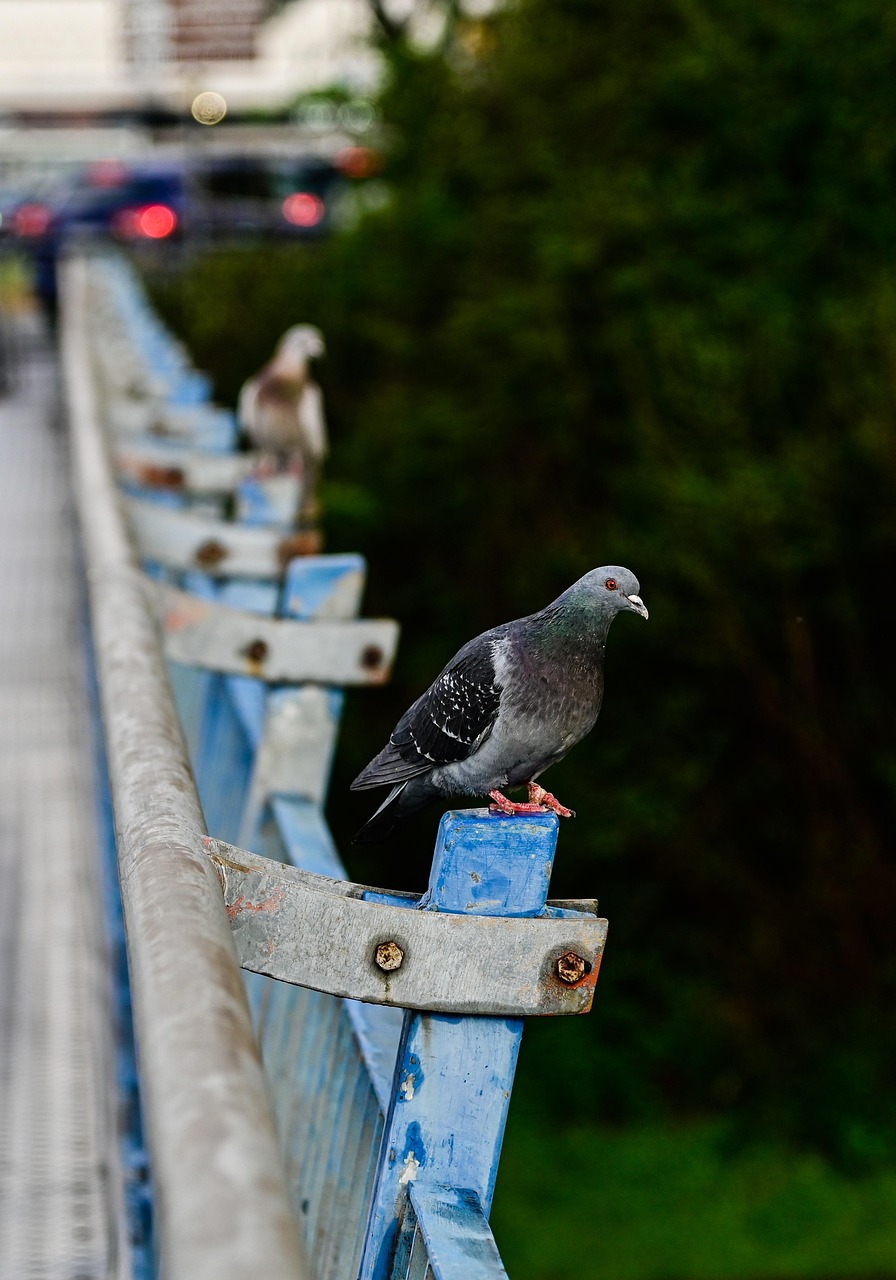
Select a camera with manual controls to adjust settings like aperture and shutter speed for optimal results. A macro lens is ideal for close-ups of feathers and eyes, while a standard zoom lens works well for full-body shots. For example, set a wide aperture (e.g., f/2.8) to blur the background and make your pigeon stand out in show presentation photos.
Experiment with different lenses to find what suits your pigeon's breed; some may require more detail in plumage, while others benefit from dynamic action shots. Remember, the goal is to capture images that tell a story and attract buyers, so prioritize clarity and composition in every shot.
Lighting and Background Setup
Natural light is often best for pigeon photography, as it brings out true colors without harsh shadows. Shoot during golden hour—early morning or late afternoon—for soft, flattering light. If indoors, use softboxes or diffusers to mimic natural light and avoid glare.
Choose simple, uncluttered backgrounds that don't distract from your pigeon; solid colors or natural settings work well. For show presentation, ensure the background complements your pigeon's coloration, making it the focal point. Proper lighting not only enhances image quality but also reduces post-processing time, saving you effort in the long run.
Techniques for Capturing Stunning Pigeon Images
Mastering photography techniques is key to creating compelling images that boost market value. Focus on angles, composition, and timing to highlight your pigeon's unique traits. With practice, you'll develop an eye for what makes a photo stand out in competitive show circles.
Angles and Composition Tips
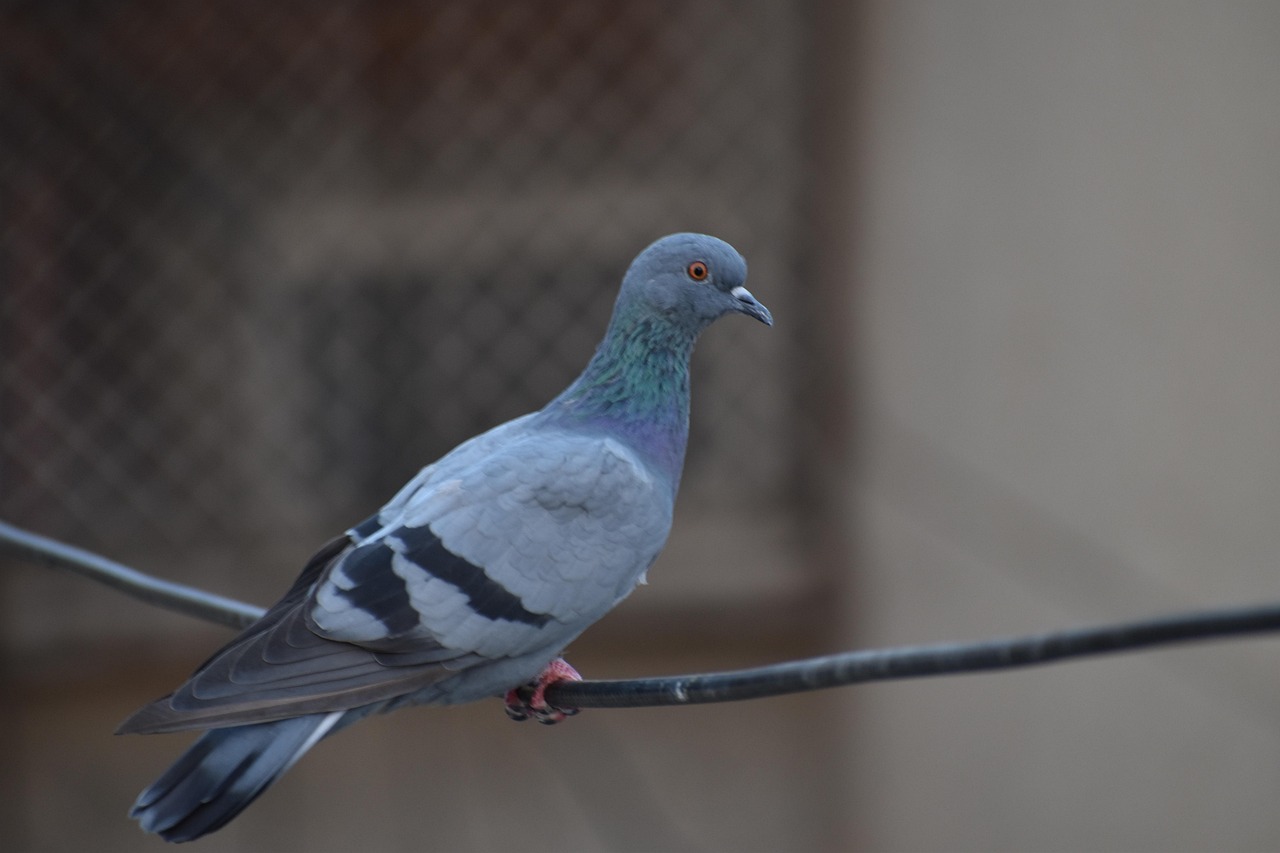
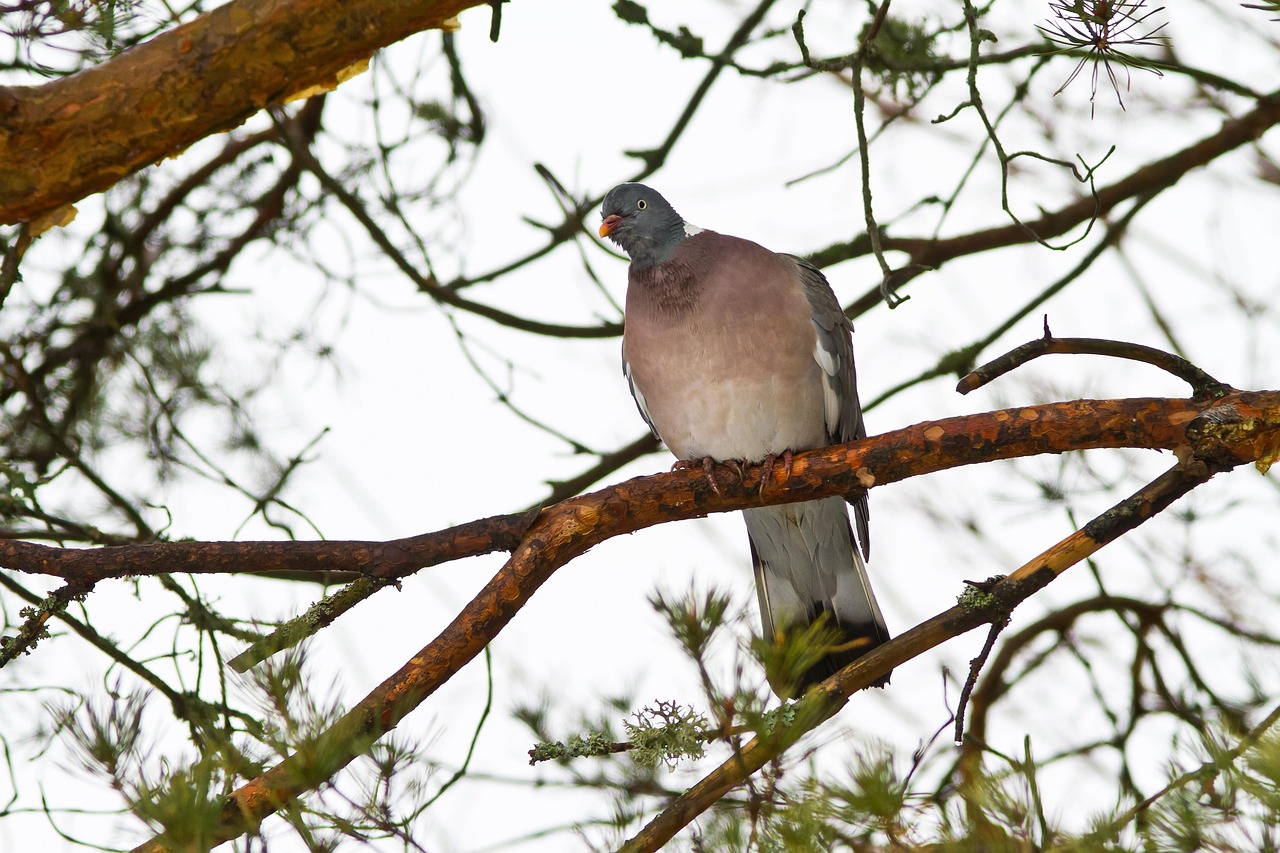
Shoot from various angles to showcase your pigeon's best features, such as a side view for body shape or a top-down shot for wing span. Use the rule of thirds to compose balanced images, placing your pigeon off-center for a more dynamic look. This approach draws viewers' eyes to key areas, like the head or tail, enhancing the overall show presentation.
Incorporate negative space to give your pigeon room to "breathe" in the frame, making it appear more elegant. Avoid cropping too tightly; instead, leave some background to contextually situate the bird. These small adjustments can make a big difference in how potential buyers perceive your pigeon's value.
Timing and Patience in Shoots
Pigeons can be unpredictable, so patience is crucial for capturing the perfect shot. Schedule photography sessions when your pigeon is calm and alert, such as after feeding or during relaxed moments. Use treats or familiar sounds to encourage natural poses that reflect its personality.
For action shots, like flying or perching, use a fast shutter speed (e.g., 1/1000s) to freeze motion without blur. This is especially important for show presentation, as it demonstrates your pigeon's vitality and health. With consistent practice, you'll learn to anticipate behaviors and snap photos that tell a compelling story.
Show Presentation Strategies Through Photography
Photography isn't just about taking pictures; it's a strategic tool for show presentation that can influence judges and buyers. Use your images to highlight conformity to breed standards, health, and unique selling points. A well-presented pigeon in photos often commands higher prices and greater interest.
Highlighting Breed Standards and Features
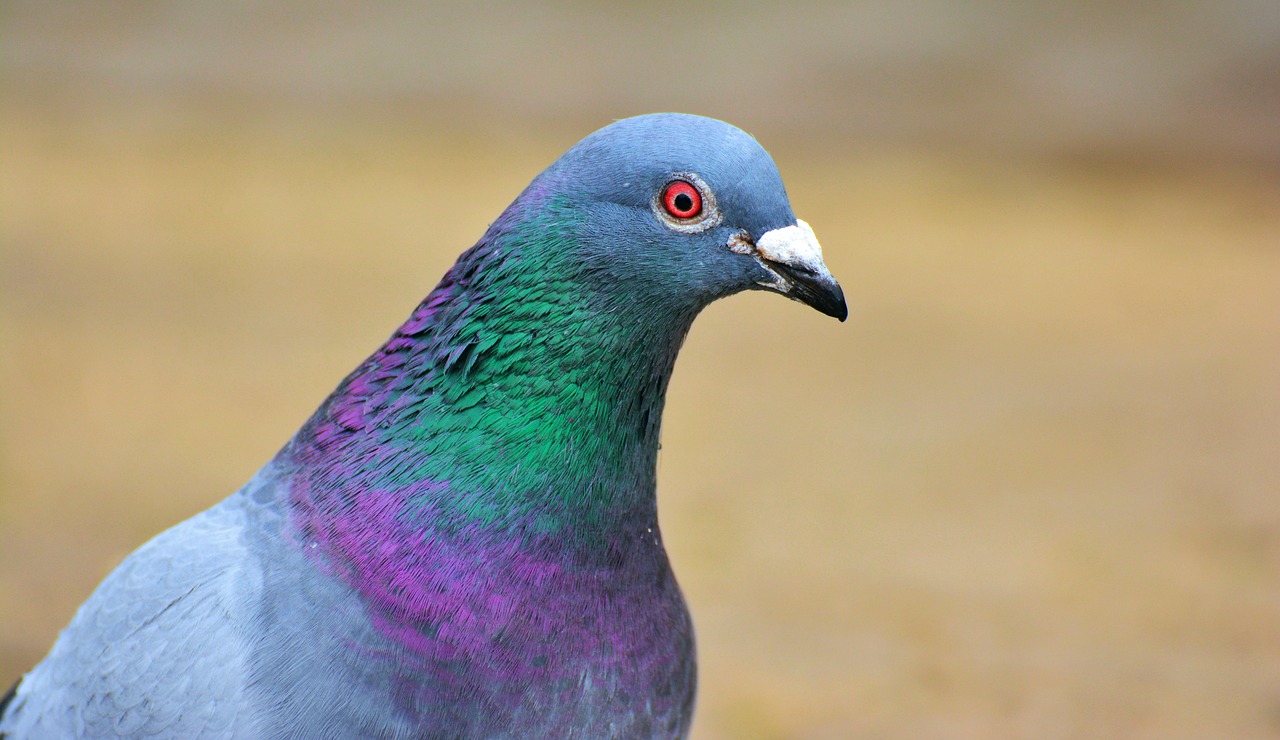
Research your pigeon's breed standards to ensure your photos emphasize key traits, such as feather color, eye cere, or body posture. For instance, if showing a racing pigeon, focus on aerodynamic features like wing shape and muscle definition. Close-up shots can reveal intricate details that might be missed in person.
Compare your images to breed guidelines to identify areas for improvement in both photography and pigeon care. This proactive approach not only enhances your show presentation but also helps you refine your breeding or training methods. Ultimately, detailed photos serve as proof of quality, building trust with potential buyers.
Using Photos in Marketing and Sales
Incorporate high-quality pigeon photography into your marketing materials, such as online listings, social media, or show catalogs. A strong visual portfolio can set your pigeon apart, attracting serious collectors and enthusiasts. Use a mix of shots—portraits, action scenes, and detail close-ups—to provide a comprehensive view.
When selling, include images that tell a story, like your pigeon in a natural habitat or during training. This emotional connection can justify a higher price by showcasing its lifestyle and care. For best results, update your photo gallery regularly to reflect any improvements or new achievements in shows.
Post-Processing and Editing for Professional Results
Editing is an essential part of pigeon photography that polishes your images for a professional finish. Use software like Adobe Lightroom or free alternatives to adjust exposure, color, and sharpness without over-editing. The goal is to enhance, not alter, your pigeon's natural appearance for honest show presentation.
Basic Editing Techniques
Start with basic adjustments: correct exposure to avoid dark or washed-out areas, tweak white balance for accurate colors, and sharpen details to make feathers pop. Avoid heavy filters or effects that could misrepresent your pigeon; authenticity is key in building credibility with buyers.
Crop images to improve composition, removing distractions while keeping the focus on your pigeon. For consistency, create a editing preset that matches your style across all photos. This saves time and ensures a cohesive look in your show presentation portfolio, making it easier for viewers to assess quality.
Ethical Considerations in Editing
Always maintain integrity in your pigeon photography by avoiding edits that deceive, such as changing feather colors or hiding flaws. Transparency builds trust and long-term relationships in the pigeon community. If you must retouch, limit it to minor blemishes like dust spots, and disclose any alterations if asked.
Remember, the purpose of editing is to present your pigeon in the best light, not to create a false image. Ethical practices not only uphold your reputation but also contribute to fair competition in shows. By prioritizing honesty, you ensure that your photos accurately reflect your pigeon's true market value.
Common Mistakes to Avoid in Pigeon Photography
Even experienced enthusiasts can make errors that undermine their pigeon photography efforts. Awareness of common pitfalls helps you produce better images and improve your show presentation. From technical blunders to compositional issues, addressing these mistakes can elevate your work significantly.
Technical Errors and How to Fix Them
Common technical mistakes include using incorrect camera settings, resulting in blurry or poorly exposed photos. For example, a slow shutter speed can cause motion blur, while high ISO introduces noise. To fix this, practice in different lighting conditions and review your shots immediately to adjust settings on the fly.
Another issue is neglecting focus; always ensure your pigeon's eyes are sharp, as they are a focal point in show presentation. Use single-point autofocus for precision, and take multiple shots to guarantee at least one is perfect. By mastering your equipment, you minimize errors and capture consistently high-quality images.
Compositional and Stylistic Pitfalls
Avoid cluttered backgrounds that distract from your pigeon, as well as awkward angles that distort its proportions. For instance, shooting from too low can make the bird appear larger than life, potentially misleading buyers. Instead, aim for neutral poses that accurately represent its size and structure.
Over-editing is another stylistic pitfall; resist the urge to oversaturate colors or over-sharpen details, which can look unnatural. Keep your style clean and focused on authenticity. Learning from feedback and studying successful pigeon photography examples can help you refine your approach and avoid these common errors.
Conclusion
Mastering pigeon photography is a powerful way to enhance your show presentation and increase your pigeon's market value. By focusing on equipment, techniques, and ethical practices, you can create compelling images that attract buyers and judges alike. Remember, great photos tell a story of quality and care, making your pigeon stand out in a competitive market. For ongoing support in managing your pigeon endeavors, consider using Ghawy – Pigeon Manager (غاوي – إدارة الحمام) to streamline your efforts and achieve even better results.