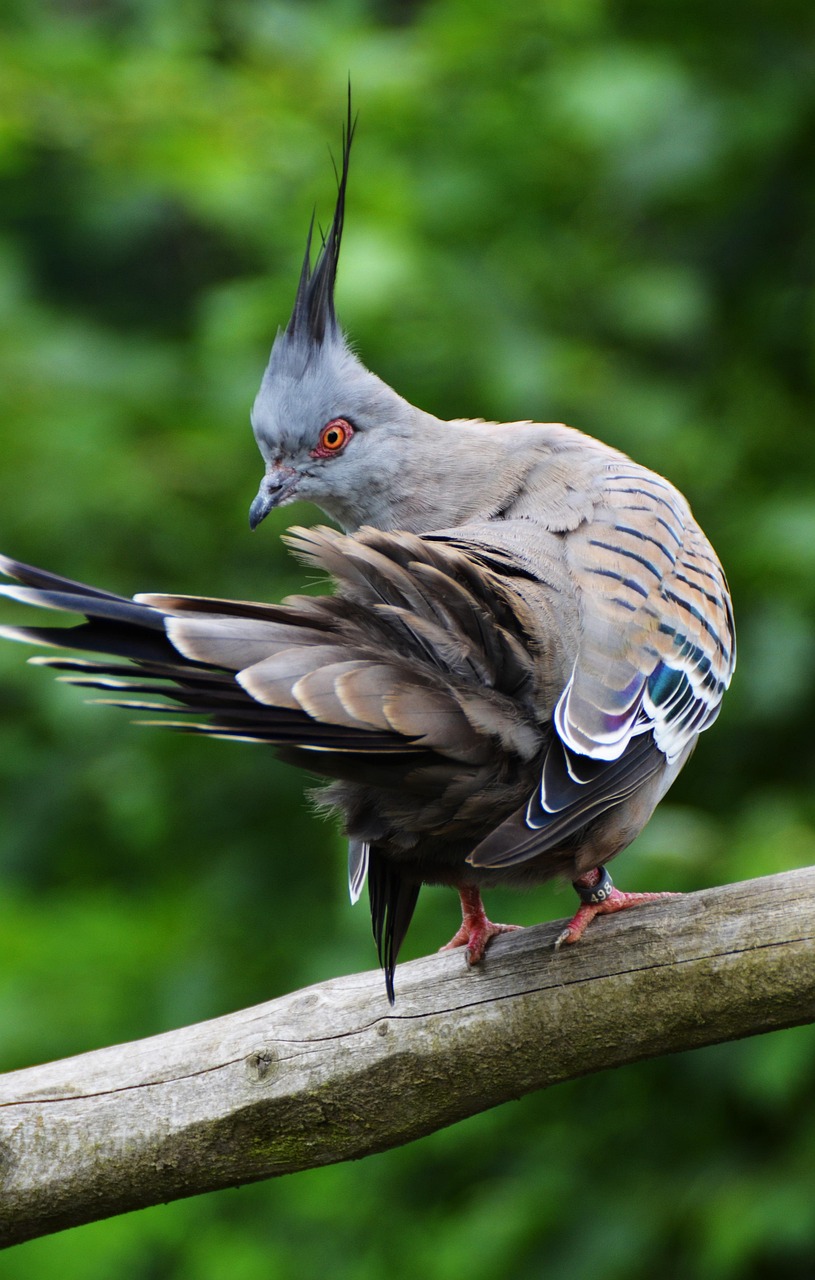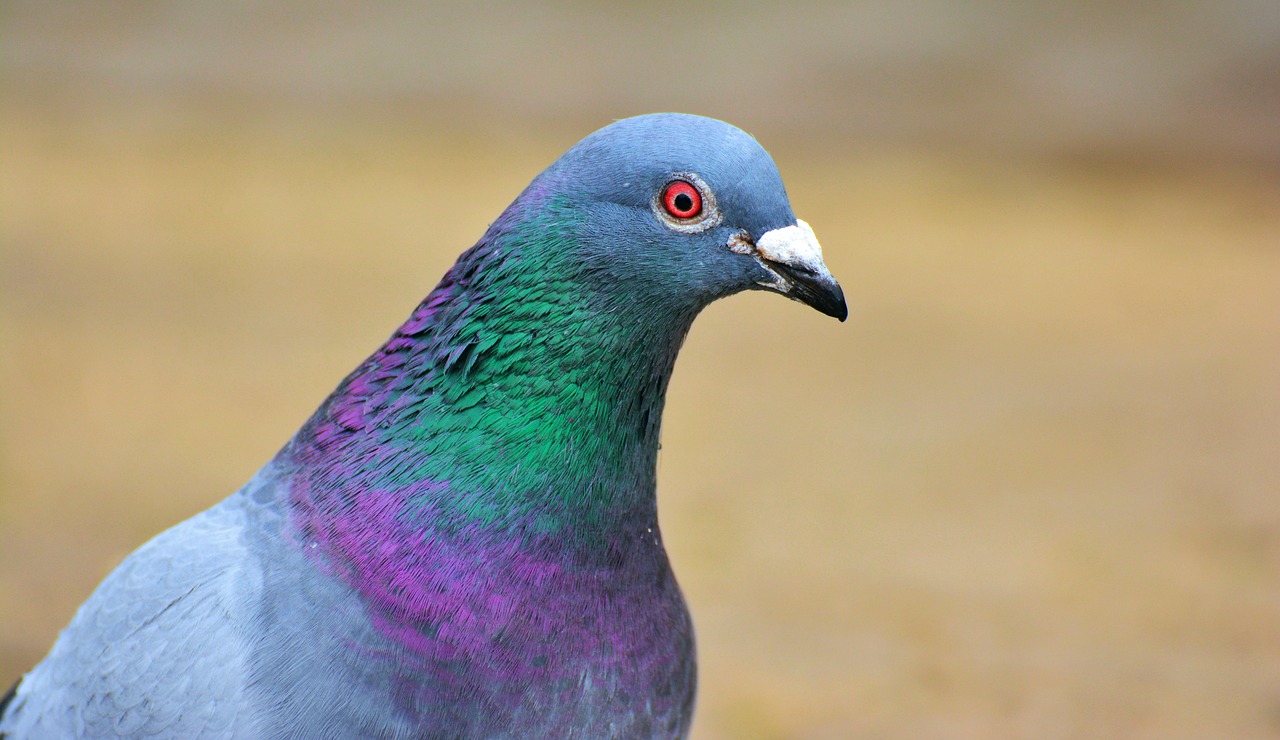
Rare pigeon breeds captivate enthusiasts with their unique beauty, but showcasing them effectively requires the right equipment. From show cage setup to lighting for pigeons, this guide explores how to highlight their elegance and charm. Whether you're a seasoned breeder or a newcomer, these insights will help you present your birds in the best possible light.
Understanding the Basics of Show Cage Setup
A proper show cage setup is the foundation for displaying rare pigeon breeds, ensuring they are comfortable and visible. It involves selecting cages that provide ample space, security, and aesthetic appeal to enhance the birds' natural features. Investing in quality materials can make a significant difference in how your pigeons are perceived by judges and audiences.
Choosing the Right Cage Design
When selecting a cage, consider designs that prioritize both functionality and visual appeal. Opt for cages with smooth, non-toxic finishes and adequate ventilation to keep pigeons healthy during exhibitions. The size should allow for natural movement without crowding, which is crucial for breeds with elaborate plumage or unique postures. Additionally, look for cages with removable perches and easy-access doors to simplify cleaning and handling, reducing stress on the birds.
Materials like stainless steel or powder-coated wire are ideal as they resist corrosion and are easy to sanitize. For rare breeds, custom cages can be tailored to highlight specific traits, such as taller structures for high-flying varieties or wider bases for ground-oriented species. Remember, a well-designed cage not only protects the pigeons but also frames them as the stars of the show, making your setup a key element in competitive events.
Essential Features for Optimal Display
Key features in a show cage setup include adjustable dividers, secure locking mechanisms, and integrated feeding stations. Dividers allow you to separate birds if needed, preventing aggression and ensuring each pigeon gets individual attention. Locking mechanisms should be robust to avoid escapes, while feeding stations designed for easy refilling minimize disruptions during shows. These elements contribute to a seamless presentation that keeps the focus on the birds' beauty.
Another important aspect is the cage's portability; lightweight yet sturdy designs make transportation to events hassle-free. Consider cages with built-in handles or wheels for added convenience. By incorporating these features, you create an environment where rare breeds can thrive, showcasing their colors and forms without distractions. This attention to detail can elevate your display from ordinary to exceptional, impressing both judges and fellow enthusiasts.
Mastering Lighting for Pigeons in Exhibitions
Lighting for pigeons plays a critical role in accentuating their plumage and overall appearance during shows. Proper illumination can enhance colors, reduce shadows, and create a welcoming atmosphere for viewers. Understanding the types of lighting and their effects will help you design a setup that makes your rare breeds stand out.
Types of Lighting and Their Effects
Different lighting options, such as LED, fluorescent, and natural light, offer unique benefits for pigeon displays. LED lights are energy-efficient and provide consistent, bright illumination that brings out vibrant feather colors without generating excess heat. Fluorescent lights are cost-effective and offer a soft glow, ideal for reducing glare and highlighting subtle details in plumage. Natural light, when available, can create a dynamic environment but requires careful management to avoid harsh shadows or overheating.
Each type of lighting affects how pigeons are perceived; for instance, warm tones can make red and orange hues pop, while cool tones enhance blues and greens. Experiment with color temperatures and intensities to find what best suits your breeds. Additionally, consider the direction of light—front lighting minimizes shadows on the birds, while side lighting can add depth and texture. By tailoring your lighting setup, you ensure that every aspect of your pigeons' beauty is visible and appealing.
Implementing Effective Lighting Strategies
To implement effective lighting, start by positioning lights at angles that eliminate harsh shadows and highlight key features like iridescence or patterns. Use adjustable fixtures to direct light precisely, ensuring it falls evenly on the pigeons without causing discomfort. Dimmer switches can help control intensity, allowing you to adapt to different show environments and times of day. This flexibility is essential for maintaining optimal visibility throughout an event.
It's also important to consider the overall ambiance; soft, diffused lighting can create a calm setting that reduces stress for the birds. Avoid direct beams that might startle them, and ensure all wiring is safely secured to prevent accidents. Regularly test your setup before shows to fine-tune the effects, and seek feedback from other breeders to improve. With these strategies, your lighting for pigeons will not only enhance their appearance but also contribute to a professional and engaging display.
Selecting Accessories to Complement Your Setup
Accessories like perches, backgrounds, and decorative elements can elevate your show cage setup, making it more attractive and functional. Choose items that align with the breed's characteristics and the overall theme of your display. Thoughtful selection ensures that accessories enhance rather than distract from the pigeons' beauty.
Choosing Perches and Backgrounds
Perches should be comfortable and safe, made from materials like natural wood or smooth plastic to prevent foot injuries. Select sizes and shapes that match the pigeons' habits—for example, wider perches for larger breeds or angled ones for birds that prefer elevated spots. Backgrounds, such as neutral-colored fabrics or custom prints, can frame the pigeons and draw attention to their colors. Avoid busy patterns that might overshadow the birds, opting instead for subtle tones that complement their plumage.
When setting up backgrounds, ensure they are easy to clean and replace, as hygiene is crucial in show environments. Consider using Velcro or magnetic attachments for quick changes between events. By integrating these elements, you create a cohesive look that highlights the rarity and elegance of your pigeons, making your display memorable and professional.
Adding Decorative Touches
Decorative touches, such as plants, signage, or themed props, can add personality to your setup without overwhelming the birds. Use artificial plants for a natural feel that requires no maintenance, and place them strategically to fill empty spaces. Signage with breed information educates viewers and adds credibility to your display. Keep decorations minimal to maintain focus on the pigeons, ensuring they remain the center of attention.
Props should be lightweight and secure to avoid accidents, and always prioritize the pigeons' well-being by avoiding sharp or toxic materials. By carefully selecting accessories, you enhance the overall aesthetic while supporting the birds' comfort. This approach not only improves the visual appeal but also demonstrates your dedication as a breeder, potentially earning higher scores in competitions.
Maintaining Hygiene and Safety in Display Areas
Hygiene and safety are paramount in any show cage setup to protect both pigeons and attendees. Regular cleaning, proper ventilation, and safe materials prevent diseases and ensure a positive experience. Implementing best practices will keep your birds healthy and your display professional.
Cleaning Protocols and Materials
Establish a routine cleaning schedule that includes disinfecting cages, perches, and accessories after each use. Use bird-safe cleaners that are non-toxic and effective against common pathogens. Materials like stainless steel or sealed wood are easier to clean and less likely to harbor bacteria. Additionally, provide fresh water and food in clean containers to maintain the pigeons' health during shows.
Incorporate easy-to-remove parts in your setup to streamline cleaning, such as slide-out trays or detachable perches. This not only saves time but also reduces stress on the birds by minimizing handling. By prioritizing hygiene, you prevent the spread of illness and create a welcoming environment that reflects your commitment to quality care.
Ensuring Safety for Birds and Viewers
Safety measures include securing cages to prevent tipping, using non-slip surfaces, and ensuring all electrical components for lighting are out of reach. Check for sharp edges or loose parts that could injure pigeons, and avoid overcrowding to reduce aggression. For viewers, place barriers or signs to maintain a safe distance, preventing accidental disturbances or stress to the birds.
Regular inspections before and during events help identify potential hazards, such as frayed wires or unstable structures. Educate assistants on proper handling techniques to avoid injuries. By focusing on safety, you foster a trustworthy reputation and ensure that your rare breeds are showcased in a secure, stress-free setting.
Integrating Technology for Enhanced Presentations
Modern technology can elevate your show cage setup and lighting for pigeons, offering tools like digital displays, automated systems, and monitoring devices. These innovations improve efficiency and engagement, making your presentations more dynamic and informative.
Using Digital Displays and Automation
Digital displays can show breed information, videos, or live feeds, providing educational content that enhances viewer experience. Automate lighting and environmental controls with timers or sensors to maintain consistent conditions without manual adjustments. This not only saves time but also ensures that your pigeons are always presented in the best light, even during long events.
When integrating technology, choose user-friendly systems that are reliable and easy to troubleshoot. Test all equipment beforehand to avoid technical issues, and have backup plans in place. By embracing these tools, you demonstrate innovation and professionalism, setting your display apart in competitive settings.
Monitoring Health and Behavior
Devices like cameras or sensors can monitor pigeons' health and behavior during shows, alerting you to signs of stress or illness. Use this data to make real-time adjustments to your setup, such as modifying lighting or temperature. This proactive approach shows your dedication to animal welfare and can improve overall presentation quality.
Share insights from monitoring with audiences to educate them on breed care, adding value to your display. However, keep technology discreet to avoid distracting from the birds. With careful integration, you create a high-tech yet harmonious environment that highlights the beauty of rare pigeon breeds.
Conclusion
Showcasing rare pigeon breeds effectively hinges on a well-planned show cage setup and strategic lighting for pigeons. By focusing on design, accessories, hygiene, and technology, you can create displays that highlight their unique beauty and ensure their well-being. Remember, tools like Ghawy – Pigeon Manager can streamline your efforts, helping you manage your birds with ease and precision. Apply these tips to elevate your presentations and share the splendor of these remarkable birds with the world.