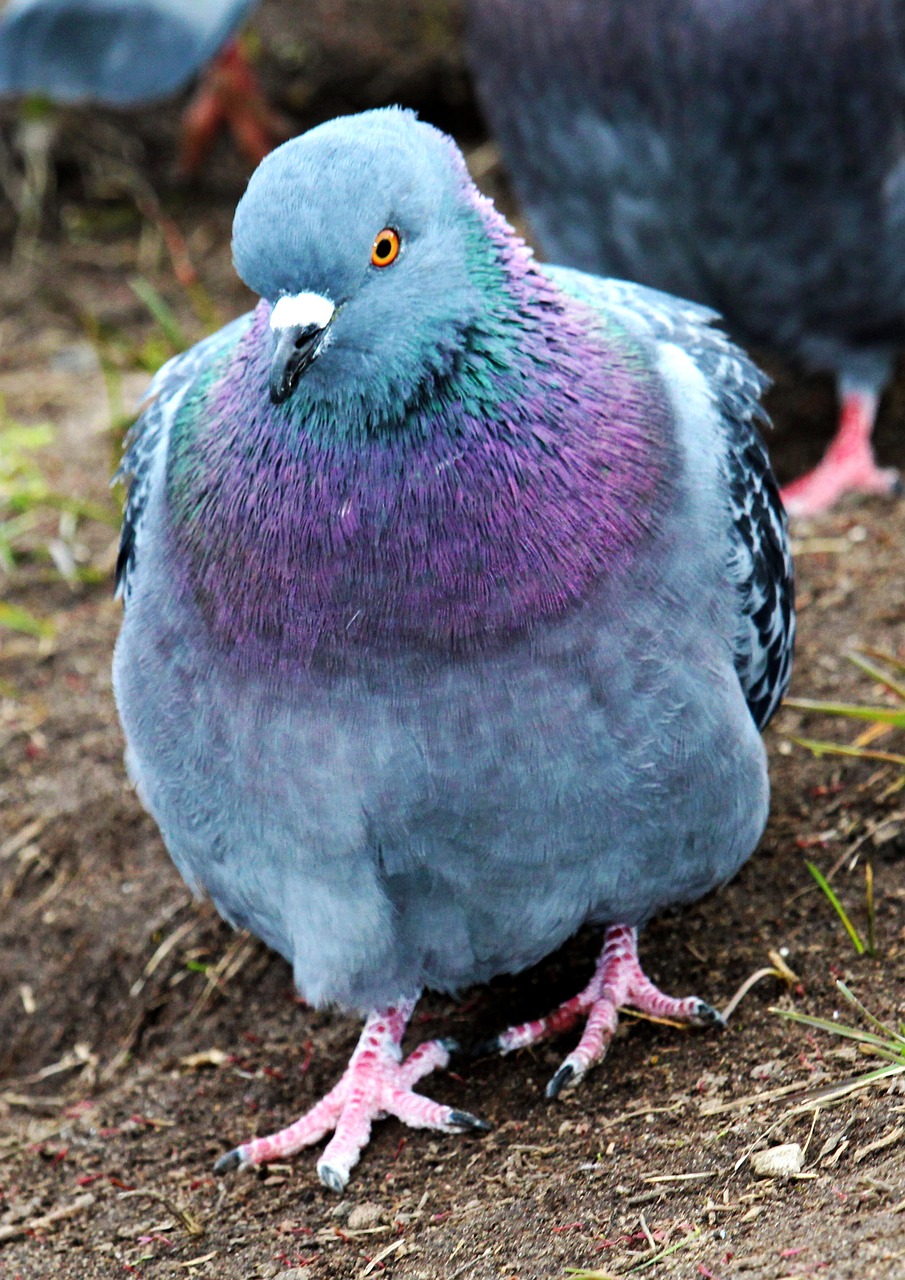
High-value pigeon racing has evolved with advanced GPS technology, offering precise tracking and performance insights. This article delves into the technical aspects of devices like AviRings GPS, exploring how they enhance the sport for enthusiasts. By understanding these innovations, breeders and racers can optimize their strategies for superior results.
Understanding GPS Technology in Pigeon Racing
GPS devices have revolutionized pigeon racing by providing real-time location data and detailed flight analytics. These tools help racers monitor their birds' paths, speeds, and environmental conditions, leading to better training and race outcomes. In high-stakes competitions, such technology is indispensable for maximizing returns on valuable pigeons.
How GPS Tracking Works
GPS tracking in pigeon racing relies on satellite signals to pinpoint a bird's exact location during flight. Devices like the pigeon tracking device use receivers to capture data, which is transmitted to a base station for analysis. This process involves calculating coordinates, altitude, and speed, allowing racers to track progress and identify deviations. Advanced systems integrate with software to visualize routes and detect patterns over time.
Modern GPS units are lightweight and durable, designed to withstand the rigors of flight without impeding the pigeon's performance. They often include features like geofencing, which alerts owners if a bird strays from its intended path. By leveraging this technology, racers can make informed decisions based on accurate, up-to-the-minute information, reducing risks and improving success rates.
Benefits for High-Value Racing Pigeons
For high value racing pigeons, GPS tracking offers significant advantages, including enhanced safety and performance optimization. Real-time monitoring helps prevent losses due to predators or adverse weather, ensuring that expensive birds return safely. Additionally, data on flight patterns can reveal strengths and weaknesses, enabling targeted training to boost endurance and speed.
Owners can analyze historical data to refine breeding programs, selecting pigeons with superior genetic traits based on consistent performance metrics. This not only protects investments but also drives the evolution of elite racing strains. With GPS insights, the sport becomes more data-driven, fostering a competitive edge in high-value markets.
Key Features of AviRings GPS Devices
AviRings GPS stands out in the market for its precision and user-friendly design, tailored specifically for pigeon racing. This section explores its core features, from battery life to data accuracy, highlighting why it's a top choice for serious enthusiasts. By examining these elements, racers can assess how AviRings enhances their tracking capabilities.
Advanced Data Accuracy and Reliability
AviRings GPS devices are renowned for their high data accuracy, utilizing multi-frequency signals to minimize errors in location tracking. This reliability is crucial in pigeon racing, where even small deviations can impact race results. The system processes data with low latency, providing near-instant updates on a bird's position and speed during flights.
To ensure consistency, AviRings incorporates error-correction algorithms that account for atmospheric interference and satellite drift. This results in precise metrics, such as distance traveled and elevation changes, which are vital for performance analysis. Racers can trust this data to make strategic adjustments, whether in training regimens or race-day preparations.
Battery Life and Durability
The longevity of a GPS device's battery is essential for extended races and training sessions. AviRings models are designed with energy-efficient components, offering up to 24 hours of continuous operation on a single charge. This endurance allows racers to monitor long-distance flights without interruptions, ensuring comprehensive coverage.
Durability is another key aspect, as devices must endure harsh conditions like rain, wind, and physical impacts. AviRings units are built with waterproof casings and shock-resistant materials, protecting the electronics from damage. This robustness ensures that the pigeon tracking device remains functional throughout its lifespan, providing reliable service for high-value investments.
Integrating GPS Data into Training Programs
Effective training is the backbone of successful pigeon racing, and GPS data plays a pivotal role in optimizing these programs. This section discusses how to use tracking information to design personalized workouts, monitor progress, and prevent overtraining. By integrating technology, racers can elevate their pigeons' performance to new heights.
Personalized Workout Plans
GPS data allows racers to create customized training plans based on individual pigeon capabilities. By analyzing metrics like average speed and flight duration, owners can tailor exercises to address specific weaknesses, such as stamina or navigation skills. For example, if data shows a bird struggles with headwinds, training can focus on building resilience in similar conditions.
These personalized plans help prevent injuries and burnout by adjusting intensity levels according to real-time feedback. Over time, this approach leads to more consistent performances and higher success rates in races. It's a proactive method that leverages technology to foster growth, making it ideal for managing high value racing pigeons.
Monitoring Progress and Adjusting Strategies
Regular monitoring of GPS data enables racers to track improvements and identify areas needing attention. Tools like flight path visualizations and speed graphs provide clear insights into a pigeon's development, allowing for timely adjustments to training routines. This iterative process ensures that strategies remain aligned with the bird's evolving abilities.
By comparing data across multiple sessions, owners can detect patterns, such as peak performance times or common obstacles. This information helps in fine-tuning race strategies, such as release points or recovery periods. Ultimately, this data-driven approach maximizes the potential of each pigeon, turning raw talent into championship-winning performances.
Challenges and Solutions in GPS Implementation
While GPS technology offers numerous benefits, its implementation in pigeon racing comes with challenges like signal interference and cost barriers. This section addresses these issues and provides practical solutions to overcome them, ensuring that racers can fully leverage devices like AviRings GPS without setbacks.
Overcoming Signal Interference
Signal interference is a common problem in GPS tracking, caused by factors like urban landscapes or solar activity. To mitigate this, AviRings devices use advanced antennas and signal-boosting technologies that maintain connectivity in diverse environments. Racers can also optimize device placement on pigeons to reduce obstructions, such as by attaching them to the leg or back.
In cases of persistent issues, combining GPS with other technologies, like GLONASS, can enhance reliability by accessing multiple satellite networks. This redundancy ensures that tracking remains accurate even in challenging conditions, safeguarding the data integrity crucial for high-stakes races. By adopting these strategies, enthusiasts can minimize disruptions and focus on performance.
Addressing Cost and Accessibility
The initial cost of high-quality GPS devices can be a barrier for some racers, especially those new to the sport. However, investing in reliable equipment like AviRings pays off through reduced losses and improved outcomes. To make it more accessible, manufacturers offer financing options or entry-level models that provide essential features at lower prices.
Additionally, sharing devices among multiple pigeons or collaborating with clubs can distribute costs, making advanced tracking more affordable. Over time, the return on investment from better race results and breeding insights justifies the expense. By prioritizing value over upfront cost, racers can integrate GPS technology effectively into their operations.
Future Trends in Pigeon Tracking Technology
The future of GPS in pigeon racing is bright, with innovations like AI integration and enhanced connectivity on the horizon. This section explores emerging trends that could further transform the sport, from smarter analytics to global tracking networks. Staying ahead of these developments will be key for enthusiasts seeking a competitive advantage.
AI and Machine Learning Applications
Artificial intelligence is set to revolutionize pigeon tracking by analyzing vast datasets to predict behaviors and optimize training. For instance, AI algorithms could identify early signs of fatigue or illness based on flight patterns, allowing for proactive interventions. This would enhance the care and performance of high value racing pigeons, reducing risks and improving longevity.
Machine learning models can also personalize recommendations for breeding and racing strategies, learning from historical data to suggest optimal pairings or race conditions. As these technologies mature, they will make GPS devices even more intuitive, providing racers with actionable insights that drive success in an increasingly data-centric sport.
Global Connectivity and Real-Time Updates
Advancements in global connectivity, such as 5G and satellite internet, will enable seamless real-time updates from anywhere in the world. This means racers can monitor their pigeons during international competitions without delays, ensuring immediate response to any issues. Devices like AviRings GPS are likely to incorporate these features, offering unparalleled access and control.
With improved connectivity, collaborative platforms could emerge, allowing racers to share data and insights across communities. This would foster innovation and best practices, elevating the entire sport. By embracing these trends, enthusiasts can look forward to a more connected and efficient racing experience.
Conclusion
In summary, GPS technology, exemplified by devices like AviRings GPS, has become a cornerstone of modern pigeon racing, offering precise tracking and data-driven insights. From enhancing training programs to addressing implementation challenges, these tools empower racers to maximize the potential of their high value racing pigeons. As the field evolves, staying informed and adaptable will be crucial for sustained success. For those looking to streamline their management, consider exploring solutions with Ghawy – Pigeon Manager (غاوي – إدارة الحمام) to integrate these advancements seamlessly.