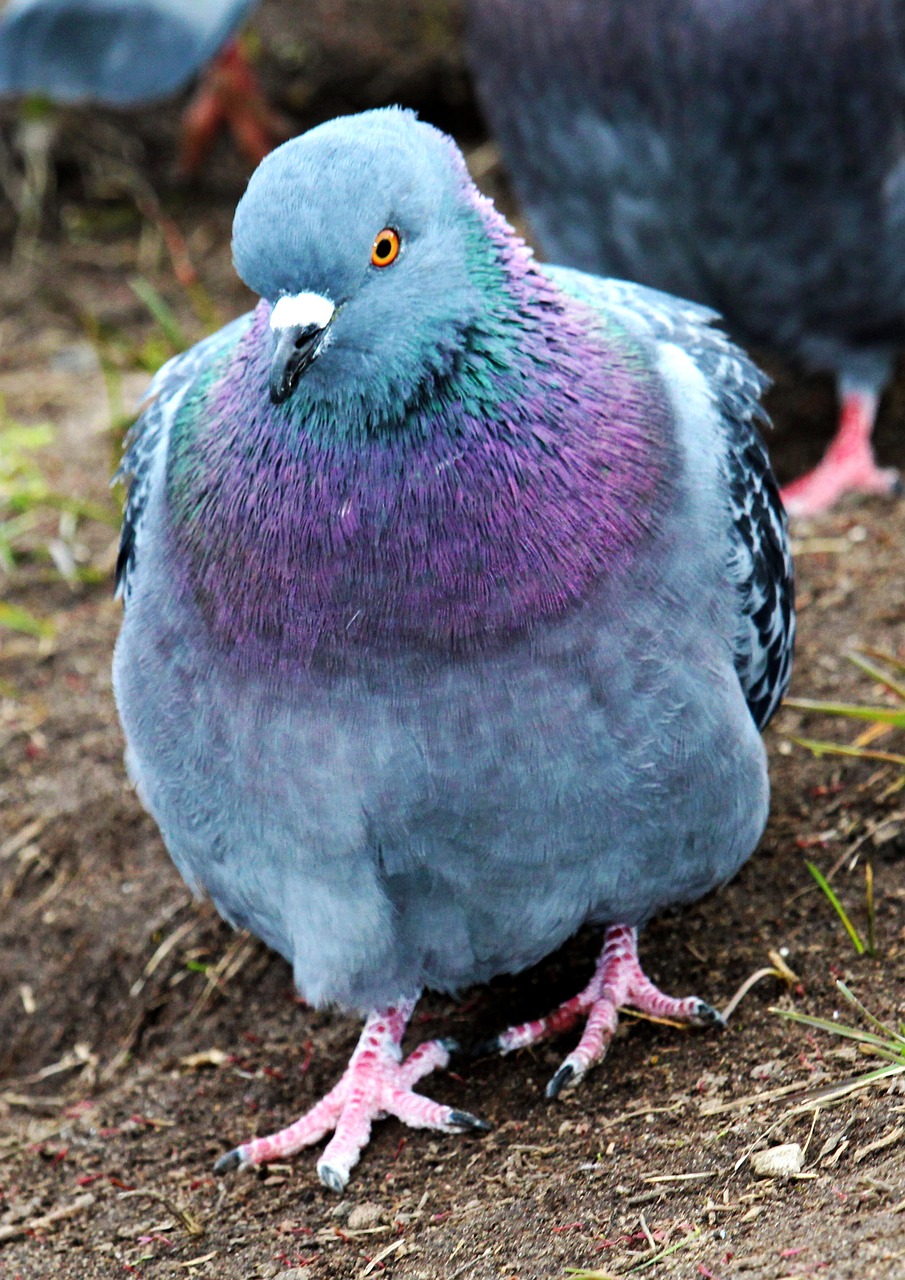
High-value pigeon racing has evolved with advanced GPS technology, offering precise tracking and performance insights. This article delves into the technical aspects of devices like AviRings GPS, exploring how they enhance the sport for enthusiasts. By understanding these innovations, breeders and racers can optimize their strategies for superior results.
The Evolution of Pigeon Tracking Technology
Pigeon racing has a rich history, but the integration of GPS has revolutionized how we monitor and manage these birds. Early methods relied on manual timing and visual observations, which were prone to errors and limitations. With the advent of pigeon tracking devices, accuracy and data collection have improved dramatically, allowing for real-time insights into flight patterns and health metrics. This shift has made high-value racing pigeons more competitive and valuable, as owners can now make informed decisions based on reliable data.
From Traditional Methods to Modern GPS
In the past, pigeon fanciers used simple bands and clocks to record race times, but these methods often led to disputes and inaccuracies. The introduction of electronic timing systems marked a significant improvement, yet it was the pigeon tracking device that truly transformed the sport. GPS technology enables precise location tracking, speed calculations, and environmental monitoring, providing a comprehensive view of a pigeon's performance. This evolution has not only increased fairness in competitions but also opened doors for breeding programs focused on endurance and speed.
Moreover, modern devices like AviRings GPS incorporate features such as altitude tracking and weather integration, which help in analyzing how external factors affect flight. For high-value racing pigeons, this data is crucial for identifying strengths and weaknesses, ultimately leading to better training regimens. As technology continues to advance, we can expect even more sophisticated tools that push the boundaries of what's possible in pigeon racing.
Impact on High-Value Pigeon Investments
Investing in high-value racing pigeons requires a deep understanding of their capabilities, and GPS devices play a key role in this assessment. By tracking metrics like distance covered and average speed, owners can evaluate a pigeon's potential for future races, making informed purchasing and breeding decisions. This has led to a surge in the market value of top-performing birds, as data-driven insights reduce risks and enhance returns. In essence, the pigeon tracking device has become an indispensable tool for serious enthusiasts looking to maximize their investments.
Additionally, the ability to monitor health indicators through these devices helps prevent losses due to fatigue or injury, ensuring that high-value assets are protected. For example, sudden changes in flight patterns can alert owners to potential issues, allowing for timely interventions. This proactive approach not only safeguards the pigeons but also boosts confidence among investors, fostering growth in the sport's economy.
Key Features of AviRings GPS Devices
AviRings GPS stands out in the market for its robust features tailored to the needs of pigeon racing. These devices offer real-time tracking, long battery life, and durable designs that withstand harsh flying conditions. For owners of high-value racing pigeons, such reliability is essential to ensure continuous monitoring during critical races. The integration of user-friendly apps and software further enhances the experience, making data accessible and actionable for improvements in training and care.
Real-Time Tracking and Data Accuracy
One of the most significant advantages of AviRings GPS is its ability to provide real-time location updates, allowing owners to follow their pigeons' journeys with precision. This feature is particularly valuable in long-distance races, where knowing a bird's position can help in strategizing and ensuring its safety. The data accuracy of these pigeon tracking devices is achieved through advanced satellite systems, minimizing errors and providing trustworthy metrics for performance analysis. High-value racing pigeons benefit immensely from this, as even minor deviations can impact race outcomes.
Furthermore, the device's capability to log historical data enables trend analysis over multiple races, identifying patterns that might go unnoticed otherwise. For instance, consistent speed drops in certain weather conditions can inform adjustments in training schedules. By leveraging this information, breeders can selectively enhance traits that contribute to success, ultimately elevating the quality of their flocks.
Durability and Battery Performance
Pigeon racing often involves exposure to extreme elements, so durability is a critical factor in choosing a tracking device. AviRings GPS is designed with waterproof and shock-resistant materials, ensuring it remains functional throughout demanding flights. The battery life is another standout feature, with some models lasting up to several days on a single charge, which is sufficient for most race durations. This reliability means that owners of high-value racing pigeons can focus on other aspects of management without worrying about device failures.
In addition, the lightweight design of these pigeon tracking devices minimizes any impact on the pigeon's flight performance, a crucial consideration for competitive racing. Regular maintenance and updates from manufacturers help keep the technology current, addressing any potential issues before they affect operations. As a result, AviRings GPS has become a trusted companion for enthusiasts dedicated to excellence in the sport.
Benefits of GPS in Training and Racing
Incorporating GPS technology into pigeon training and racing offers numerous benefits, from improved performance to enhanced safety. For high-value racing pigeons, these advantages translate into higher win rates and better overall health. By analyzing data from devices like AviRings GPS, trainers can tailor exercises to individual birds, addressing specific needs and maximizing potential. This personalized approach has become a game-changer in the world of pigeon racing.
Enhanced Training Regimens
GPS devices provide detailed insights into a pigeon's flight patterns, including speed, altitude, and route efficiency. This information allows trainers to design customized training programs that target areas for improvement, such as building stamina or refining navigation skills. For example, if data shows a pigeon consistently struggles with headwinds, exercises can be adjusted to strengthen its resilience. The pigeon tracking device thus acts as a coach, guiding decisions that lead to peak performance in high-stakes races.
Moreover, the ability to monitor multiple birds simultaneously streamlines the training process, saving time and resources. Trainers can compare data across their flock, identifying top performers and those needing extra attention. This holistic view fosters a competitive environment where high-value racing pigeons are continuously pushed to excel, resulting in a more dynamic and successful racing team.
Safety and Risk Mitigation
Safety is a paramount concern in pigeon racing, as birds can face hazards like predators, adverse weather, or disorientation. AviRings GPS helps mitigate these risks by enabling quick location tracking in case a pigeon goes off course or fails to return. This immediate response capability can be lifesaving, especially for high-value racing pigeons that represent significant investments. Additionally, the data collected can reveal common danger zones, allowing owners to avoid those areas in future races.
Beyond immediate dangers, long-term health monitoring through these devices helps prevent overexertion and injuries. By setting alerts for unusual activity, such as prolonged rest periods or erratic flight, owners can intervene early to address potential health issues. This proactive care not only protects the pigeons but also ensures they remain in top condition for competitions, contributing to sustained success in the sport.
Integrating GPS Data into Breeding Programs
The use of GPS data extends beyond racing into breeding programs, where it informs decisions on genetics and lineage. For high-value racing pigeons, this integration is crucial for producing offspring with desirable traits. By analyzing performance metrics from devices like AviRings GPS, breeders can identify birds with superior speed, endurance, and navigation skills, selecting them for mating to enhance future generations. This data-driven approach has elevated the standards of pigeon breeding worldwide.
Selecting Elite Breeding Stock
GPS data provides objective criteria for evaluating a pigeon's racing capabilities, making it easier to select elite breeding stock. Metrics such as average flight speed, consistency in different conditions, and recovery times offer a comprehensive profile of each bird's potential. For instance, a pigeon tracking device might reveal that certain individuals excel in long-distance races, indicating strong genetic traits for endurance. By focusing on these high-performers, breeders can systematically improve their flocks, increasing the value of high-value racing pigeons over time.
Furthermore, combining GPS insights with traditional breeding knowledge allows for a balanced approach that considers both data and intuition. This synergy helps avoid over-reliance on numbers while still leveraging technology for better outcomes. As a result, breeding programs become more efficient and effective, producing birds that are not only fast but also resilient and adaptable.
Long-Term Genetic Improvements
Over multiple generations, the accumulation of GPS data enables breeders to track genetic trends and make informed predictions about offspring performance. This long-term perspective is essential for sustaining success in pigeon racing, as it helps identify which traits are heritable and how they evolve. For example, if data shows that speed is consistently passed down, breeders can prioritize that in their selections. The pigeon tracking device thus becomes a tool for genetic mapping, contributing to the development of superior high-value racing pigeons.
In addition, this approach fosters innovation in breeding techniques, such as cross-breeding based on complementary data profiles. By experimenting with different combinations, breeders can uncover new potentials that might not be apparent through observation alone. This continuous improvement cycle ensures that the sport remains dynamic and competitive, driven by advancements in technology and strategy.
Future Trends in Pigeon Tracking Technology
The future of pigeon tracking technology holds exciting possibilities, with innovations poised to further enhance the sport. From AI integration to enhanced sensor capabilities, these advancements will provide even deeper insights into pigeon behavior and performance. For owners of high-value racing pigeons, staying ahead of these trends is key to maintaining a competitive edge. This section explores what lies ahead and how it might reshape pigeon racing.
AI and Predictive Analytics
Artificial intelligence is set to revolutionize pigeon tracking by enabling predictive analytics that forecast race outcomes and health risks. By analyzing vast datasets from devices like AviRings GPS, AI algorithms can identify patterns that humans might miss, such as subtle changes in flight behavior indicating stress or illness. This proactive approach could help prevent losses and optimize training for high-value racing pigeons, making the sport more efficient and rewarding. As these technologies mature, we can expect personalized recommendations tailored to each bird's unique profile.
Moreover, AI could facilitate automated race management, reducing human error and increasing fairness. For instance, real-time adjustments based on weather data or competitor positions might become standard, enhancing the overall racing experience. The pigeon tracking device of the future will likely be smarter and more interconnected, offering a seamless interface for enthusiasts to manage their flocks with precision.
Enhanced Sensor and Connectivity Features
Future GPS devices may include advanced sensors for monitoring physiological metrics like heart rate and body temperature, providing a holistic view of a pigeon's health. These additions would complement existing tracking capabilities, offering insights into how physical condition affects performance. For high-value racing pigeons, this could mean earlier detection of issues and more targeted care, ultimately prolonging their racing careers. Improved connectivity, such as 5G integration, would ensure faster data transmission and reduced latency, making real-time updates even more reliable.
Additionally, the development of smaller, more energy-efficient designs will minimize the burden on pigeons, allowing for longer tracking periods without compromising flight. As technology evolves, the pigeon tracking device will become an even more integral part of the sport, empowering owners to achieve new heights of success. Embracing these innovations will be essential for those invested in the future of pigeon racing.
Conclusion
In summary, GPS technology has profoundly impacted high-value pigeon racing, offering tools like AviRings GPS for precise tracking and data-driven decisions. From enhancing training and safety to informing breeding programs, these devices provide invaluable insights that elevate the sport. As we look to the future, advancements in AI and sensors promise even greater possibilities. For those seeking to optimize their pigeon management, consider exploring solutions with Ghawy – Pigeon Manager (غاوي – إدارة الحمام) to stay at the forefront of innovation.