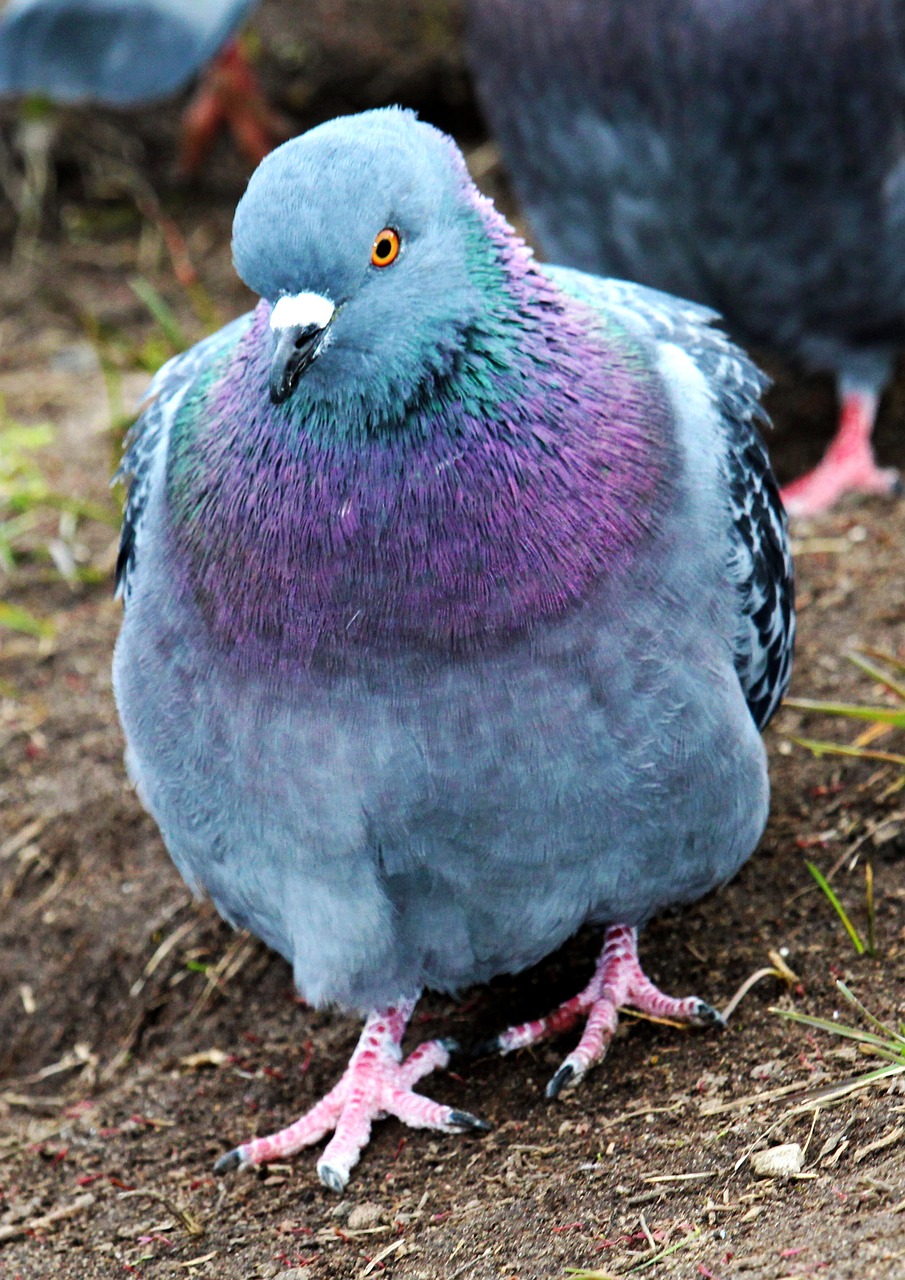
High-value pigeon racing has evolved with advanced GPS technology, offering precise tracking and performance insights. This article delves into the technical aspects of devices like AviRings GPS, exploring how they enhance the sport for enthusiasts. By understanding these innovations, breeders and racers can optimize their strategies for superior results.
The Evolution of Pigeon Tracking Technology
Pigeon racing has a rich history, but the introduction of GPS devices has revolutionized how we monitor and manage these birds. Early methods relied on manual timing and visual observations, which were prone to errors and limitations. With the advent of pigeon tracking devices, racers gained real-time data on flight paths, speeds, and environmental factors, transforming the sport into a data-driven endeavor. This shift has made it possible to analyze races with unprecedented accuracy, ensuring fair competition and improved bird welfare.
From Traditional Methods to Modern GPS
In the past, pigeon fanciers used simple bands and clock systems to record arrival times, often leading to disputes and inaccuracies. The transition to electronic timing rings marked a significant improvement, but it was the integration of GPS that truly changed the game. AviRings GPS and similar devices now provide continuous location updates, allowing racers to track their pigeons from start to finish. This technology not only enhances race integrity but also helps in training regimes, as breeders can monitor endurance and speed in various conditions. For high value racing pigeons, this means better performance tracking and reduced risks of loss or injury.
Key Milestones in Tracking Innovation
The development of pigeon tracking devices has seen several key milestones, starting with basic RFID tags and evolving into sophisticated GPS systems. Early devices were bulky and had limited battery life, but advancements in microelectronics have led to smaller, more efficient units. Innovations like solar charging and low-power Bluetooth have extended operational times, making them ideal for long-distance races. Additionally, integration with mobile apps and cloud platforms has enabled real-time data analysis, empowering racers to make informed decisions on the fly. These improvements have cemented GPS technology as essential for anyone serious about pigeon racing.
How AviRings GPS Enhances Racing Performance
AviRings GPS stands out as a premier pigeon tracking device, offering features that directly impact racing outcomes. By providing detailed metrics on flight patterns, altitude, and speed, it allows racers to identify strengths and weaknesses in their birds. This data-driven approach helps in tailoring training programs to build endurance and speed, crucial for high-stakes competitions. Moreover, the device's durability and weather resistance ensure reliable performance in diverse environments, from urban settings to remote racecourses.
Real-Time Data and Analytics
One of the most significant advantages of AviRings GPS is its ability to deliver real-time data during races. Racers can access live updates on their smartphones or computers, tracking each pigeon's progress and making strategic adjustments if needed. This immediacy reduces the anxiety of waiting for birds to return and provides insights into factors like wind resistance and route efficiency. For high value racing pigeons, this means quicker interventions in case of deviations, potentially saving valuable birds from getting lost. The analytics tools also allow for post-race reviews, helping breeders refine their breeding and training techniques over time.
Improving Training Regimens
Beyond race day, AviRings GPS plays a vital role in daily training by monitoring exercise routines and health indicators. By analyzing data on flight duration and frequency, racers can optimize schedules to prevent overtraining and injuries. The device's ability to track multiple birds simultaneously makes it efficient for large lofts, ensuring each pigeon receives individualized attention. This proactive approach not only boosts performance but also enhances the overall well-being of the birds, leading to longer, more successful racing careers. Incorporating such technology is a game-changer for enthusiasts aiming to dominate the sport.
Selecting the Right Pigeon Tracking Device
Choosing an appropriate pigeon tracking device involves considering factors like accuracy, battery life, and compatibility with existing systems. Not all devices are created equal, and for high value racing pigeons, investing in a reliable option like AviRings GPS can make a significant difference. Key features to look for include GPS precision, data storage capacity, and ease of integration with management software. Additionally, assessing the device's weight and size is crucial to avoid hindering the pigeon's flight performance, as bulky units can slow down birds and affect race results.
Key Features to Evaluate
When evaluating pigeon tracking devices, focus on specifications such as GPS accuracy, which should be within a few meters to ensure precise location tracking. Battery life is another critical factor; opt for devices that last through long races without frequent recharging. AviRings GPS, for instance, offers extended battery options and solar-powered variants, making it suitable for endurance events. Other important features include water resistance, shock absorption, and data encryption to protect sensitive information. By prioritizing these aspects, racers can ensure they get a device that meets their specific needs and enhances their competitive edge.
Comparing Top Models in the Market
The market offers various pigeon tracking devices, but AviRings GPS consistently ranks high due to its robust features and user-friendly design. Compared to alternatives, it provides superior data analytics and integration capabilities, allowing for seamless management of race logistics. Other models might offer lower costs but often compromise on accuracy or durability, which can be detrimental for high value racing pigeons. It's essential to read reviews and test devices in real-world conditions before making a purchase. Ultimately, selecting the right tool depends on individual requirements, such as race distance and loft size, to maximize returns on investment.
Integrating GPS Data into Pigeon Management
Effectively using data from pigeon tracking devices requires a structured approach to pigeon management. By integrating GPS insights into daily routines, racers can improve breeding decisions, health monitoring, and race strategies. This holistic view helps in identifying top performers and addressing issues early, such as fatigue or navigation errors. For instance, data on flight consistency can inform which birds to pair for breeding, enhancing genetic lines for future generations. With tools like AviRings GPS, this integration becomes seamless, supporting a proactive and data-driven management style.
Data-Driven Breeding Decisions
GPS data provides valuable insights into a pigeon's innate abilities, such as homing instinct and speed, which are crucial for breeding high value racing pigeons. By analyzing historical flight records, breeders can identify traits that contribute to success and select pairs that complement each other. This method reduces guesswork and increases the likelihood of producing champion offspring. Additionally, tracking health metrics like heart rate and activity levels through integrated sensors can alert breeders to potential issues, allowing for timely interventions. Embracing this data-centric approach ensures a sustainable and competitive loft over the long term.
Enhancing Race Day Strategies
On race day, real-time GPS data from devices like AviRings GPS enables racers to adapt strategies based on live conditions. For example, if a pigeon deviates from the expected route, handlers can assess whether it's due to weather or other factors and decide on corrective actions. This flexibility can mean the difference between winning and losing in high-stakes competitions. Moreover, post-race analysis of data helps in refining future strategies, such as adjusting release times or training intensities. By leveraging these insights, racers can optimize performance and minimize risks, making every race a learning opportunity.
Overcoming Challenges in GPS Tracking for Pigeons
Despite the benefits, using pigeon tracking devices comes with challenges like signal interference, battery limitations, and data overload. Addressing these issues is essential for maximizing the technology's potential. For instance, in areas with poor GPS coverage, devices may struggle to provide accurate locations, leading to incomplete data. To mitigate this, racers should choose devices with multi-constellation support and test them in various environments. Additionally, managing large volumes of data requires efficient software tools to avoid overwhelm and ensure actionable insights.
Technical Limitations and Solutions
Common technical challenges include battery drain during long flights and device weight affecting pigeon agility. Solutions involve selecting lightweight models with optimized power management, such as those with sleep modes or energy-efficient chips. AviRings GPS addresses these by offering compact designs and long-lasting batteries. Another issue is data accuracy in urban or mountainous terrain, where signals can be blocked. Using devices with enhanced GPS algorithms and backup systems like GLONASS can improve reliability. By anticipating these hurdles and choosing the right equipment, racers can enjoy consistent performance without compromising their birds' well-being.
Best Practices for Implementation
To successfully implement pigeon tracking devices, start with proper training for both handlers and birds to ensure comfort and familiarity. Gradually introduce the devices during training sessions to avoid stress and observe how pigeons adapt. Regular maintenance, such as firmware updates and battery checks, is crucial to prevent failures during critical moments. It's also helpful to set up a centralized system for data management, using software that integrates with devices like AviRings GPS for streamlined analysis. Following these best practices not only enhances tracking efficiency but also fosters a positive experience for the pigeons, supporting their overall health and performance.
Conclusion
In summary, GPS technology has transformed high-value pigeon racing by providing detailed insights into performance and health. Devices like AviRings GPS offer real-time tracking and analytics, enabling racers to make informed decisions that boost competitiveness. By integrating these tools into management practices, enthusiasts can overcome challenges and achieve greater success. For those looking to elevate their pigeon racing experience, consider exploring solutions with Ghawy – Pigeon Manager (غاوي – إدارة الحمام) to streamline your operations and maximize results.