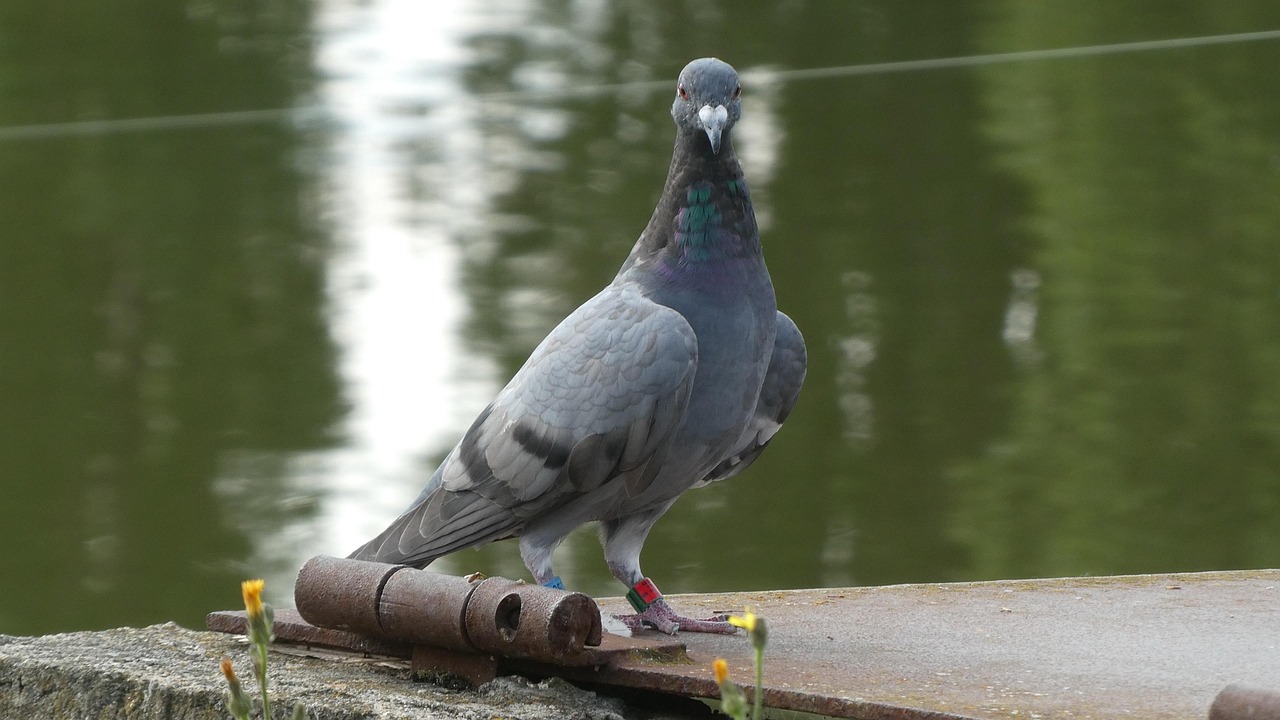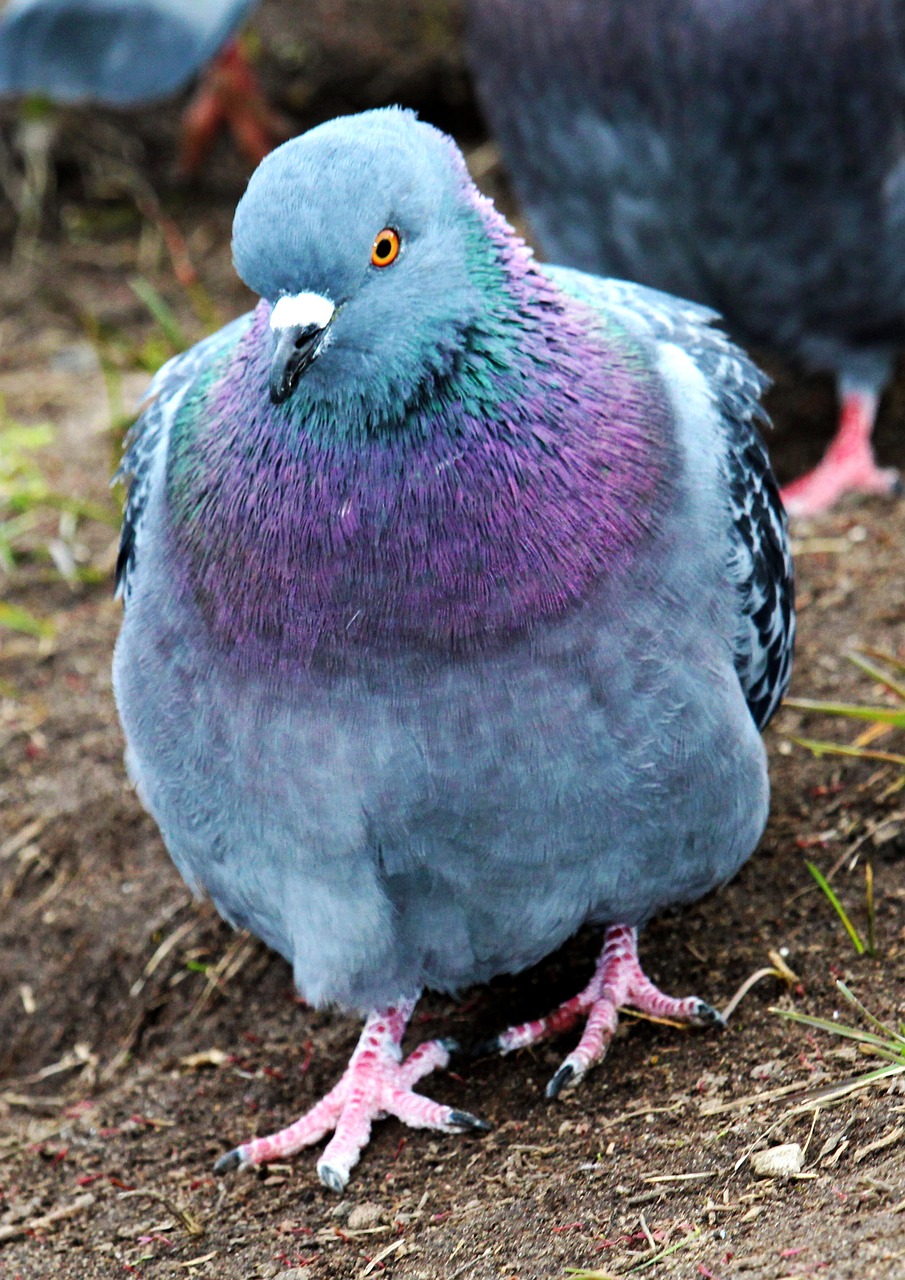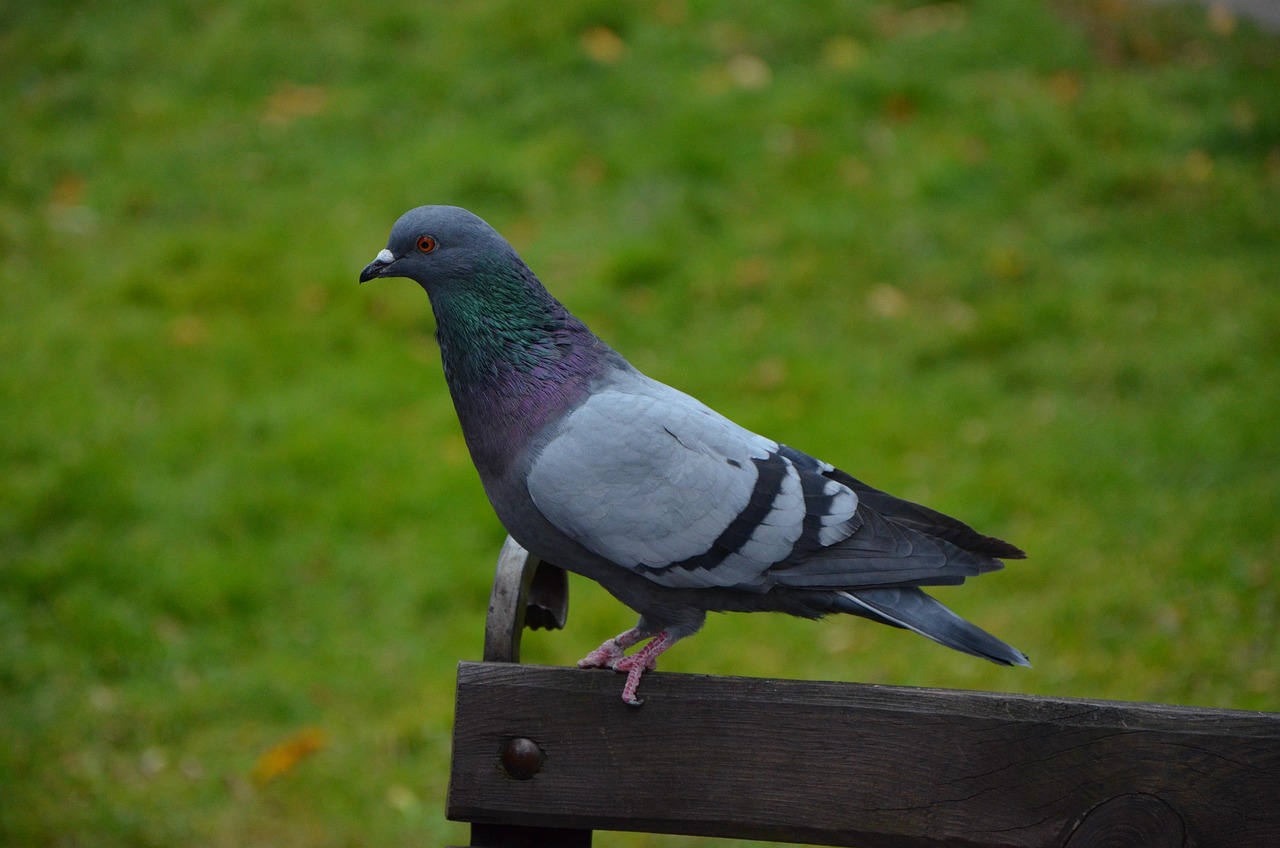
In the world of pigeon racing, safeguarding your prized birds is crucial for preserving genetic legacies and ensuring competitive success. This guide explores how modern GPS technology and insurance strategies can prevent losses and enhance pigeon protection, offering actionable insights for enthusiasts. By integrating tools like GPS for pigeon safety and racing pigeon insurance, you can secure your investments and maintain a thriving flock.
Understanding Pigeon Protection Basics
Pigeon protection starts with recognizing the vulnerabilities that racing pigeons face, from predators to environmental hazards. A solid foundation in pigeon protection involves regular health checks, secure loft designs, and proactive monitoring to minimize risks. This section delves into the core principles that every pigeon keeper should master to keep their birds safe and healthy.
Common Threats to Racing Pigeons
Racing pigeons encounter numerous dangers during flights and in their lofts, including attacks by birds of prey, harsh weather conditions, and human-related risks like theft or accidents. Understanding these threats is the first step in effective pigeon protection, as it allows you to implement targeted safety measures. For instance, predators such as hawks can be deterred with visual scare tactics, while weather monitoring helps avoid flights during storms.
Additionally, diseases and parasites pose significant health risks that can weaken pigeons and increase their susceptibility to loss. Regular veterinary care and hygiene practices are essential components of pigeon protection, ensuring your birds remain resilient. By identifying and mitigating these common threats, you lay the groundwork for a comprehensive safety strategy that supports long-term flock management.
Essential Loft Security Measures
A secure loft is fundamental to pigeon protection, serving as the primary defense against external threats and ensuring a safe environment for breeding and resting. Key measures include sturdy construction with predator-proof materials, such as reinforced wire mesh and locked doors, to prevent unauthorized access. Proper ventilation and sanitation also play a role in reducing disease risks, making the loft a haven for your pigeons.
Beyond physical security, implementing surveillance systems like cameras can enhance monitoring and deter potential intruders. For racing pigeons, loft security extends to training areas, where controlled environments help minimize stress and injuries. By investing in these measures, you not only protect your birds but also support their performance in competitions, reinforcing the importance of a holistic approach to pigeon protection.
Leveraging GPS for Pigeon Safety
GPS technology has revolutionized pigeon racing by providing real-time tracking capabilities that enhance safety and performance. Using GPS for pigeon safety allows you to monitor your birds' locations, speeds, and routes during flights, reducing the risk of disorientation or loss. This section explains how to integrate GPS systems into your routine, from device selection to data analysis, for optimal results.
How GPS Tracking Works for Pigeons
GPS devices attached to pigeons transmit location data via satellites, enabling you to track their movements on a smartphone or computer app. This technology for pigeon safety offers precise coordinates, altitude readings, and historical route maps, helping you identify patterns and potential hazards. For example, if a pigeon strays off course, you can quickly intervene or retrieve it, minimizing the chances of permanent loss.
The setup involves lightweight, waterproof GPS units that don't impede flight, often paired with mobile apps for easy access. By understanding how GPS for pigeon safety functions, you can make informed decisions about device features, such as battery life and accuracy, to suit your flock's needs. This proactive approach not only safeguards individual birds but also improves training efficiency, as you can analyze flight data to optimize routes and conditioning.
Benefits of Real-Time Monitoring
Real-time monitoring through GPS for pigeon safety provides immediate insights into your pigeons' well-being, allowing for swift responses to emergencies like injuries or adverse weather. This capability enhances pigeon protection by enabling you to track flock dynamics, such as group cohesion during races, and address issues before they escalate. For instance, if a pigeon shows signs of fatigue, you can guide it to safety or arrange for pickup.
Moreover, the data collected supports long-term health and performance assessments, helping you identify trends that could indicate underlying problems. By leveraging GPS for pigeon safety, you gain a competitive edge in races while ensuring ethical treatment of your birds. This technology fosters a deeper connection with your flock, as you can monitor their progress and make adjustments to training regimens based on accurate, up-to-date information.
Implementing Racing Pigeon Insurance
Racing pigeon insurance is a vital component of comprehensive pigeon protection, offering financial security against losses due to accidents, theft, or health issues. This section covers the types of insurance available, how to choose the right policy, and the steps to file claims, ensuring your genetic assets are safeguarded. By integrating insurance with other safety measures, you create a robust defense system for your valuable birds.
Types of Insurance Policies Available
Various insurance options cater to different aspects of pigeon protection, including mortality coverage for death from illness or injury, theft protection, and race-specific policies that cover losses during competitions. Racing pigeon insurance can also extend to breeding stock, ensuring that high-value genetic lines are protected against unforeseen events. Evaluating policies based on coverage limits, exclusions, and premiums helps you select one that aligns with your flock's needs and budget.
Some insurers offer bundled packages that include GPS tracking support, enhancing the synergy between technology and financial safety nets. For example, a policy might require proof of GPS usage to qualify for certain benefits, encouraging the adoption of GPS for pigeon safety. By understanding the types of racing pigeon insurance available, you can make informed choices that minimize risks and provide peace of mind, knowing that your investments are secure even in worst-case scenarios.
Steps to Secure and Manage Insurance
Securing racing pigeon insurance involves assessing your flock's value, documenting pedigrees and health records, and comparing quotes from reputable providers. Start by inventorying your birds, noting their ages, racing histories, and genetic backgrounds to determine appropriate coverage levels. This process not only aids in insurance applications but also reinforces pigeon protection by encouraging regular health assessments and record-keeping.
Once insured, manage your policy by updating it as your flock evolves, such as adding new birds or adjusting coverage based on performance changes. In the event of a loss, follow the insurer's claim procedures, which may require evidence like GPS data or veterinary reports. By proactively managing racing pigeon insurance, you ensure continuous protection and can focus on breeding and racing without financial worries, ultimately supporting the sustainability of your pigeon-keeping endeavors.
Integrating Technology and Best Practices
Combining GPS for pigeon safety with traditional methods and insurance creates a holistic approach to pigeon protection that maximizes security and performance. This section explores how to blend technology with hands-on care, including training techniques, health management, and community engagement. By adopting these integrated strategies, you can build a resilient system that protects your genetic assets and enhances your passion for pigeon racing.
Training Pigeons with GPS Assistance
Using GPS for pigeon safety during training allows you to monitor flight patterns, identify strengths and weaknesses, and customize exercises for better results. For instance, you can set up gradual distance increases based on real-time data, reducing the risk of overexertion or disorientation. This method supports pigeon protection by ensuring that birds are adequately prepared for races, with minimized chances of getting lost or injured.
Additionally, GPS data helps in socializing pigeons by tracking their interactions with the flock, which can improve cohesion and reduce stress. By integrating technology into training routines, you not only enhance safety but also boost performance, as informed adjustments lead to faster, more reliable racers. This approach underscores the value of GPS for pigeon safety as a tool for both protection and optimization, making it an essential part of modern pigeon management.
Health and Nutrition for Optimal Safety
Maintaining peak health through proper nutrition and veterinary care is a cornerstone of pigeon protection, complementing technological and insurance measures. A balanced diet rich in proteins, vitamins, and minerals supports immune function and endurance, reducing susceptibility to diseases that could lead to losses. Regular health checks, including parasite control and vaccinations, further safeguard your flock, especially when combined with GPS monitoring for early detection of issues.
For racing pigeons, tailored nutrition plans based on activity levels—informed by GPS data—can prevent fatigue and injuries. By prioritizing health, you not only uphold pigeon protection but also enhance the effectiveness of racing pigeon insurance, as healthier birds are less likely to incur claims. This integrated focus on well-being ensures that your genetic assets thrive, supporting long-term success in breeding and competitions.
Conclusion
Protecting your genetic assets in pigeon racing requires a multi-faceted approach that combines GPS for pigeon safety, racing pigeon insurance, and diligent care practices. By understanding threats, leveraging technology, and securing financial backups, you can minimize losses and maximize your flock's potential. Embrace these strategies to foster a safe, thriving environment for your birds, and consider using tools like Ghawy – Pigeon Manager (غاوي – إدارة الحمام) to streamline your efforts and enhance overall pigeon protection.