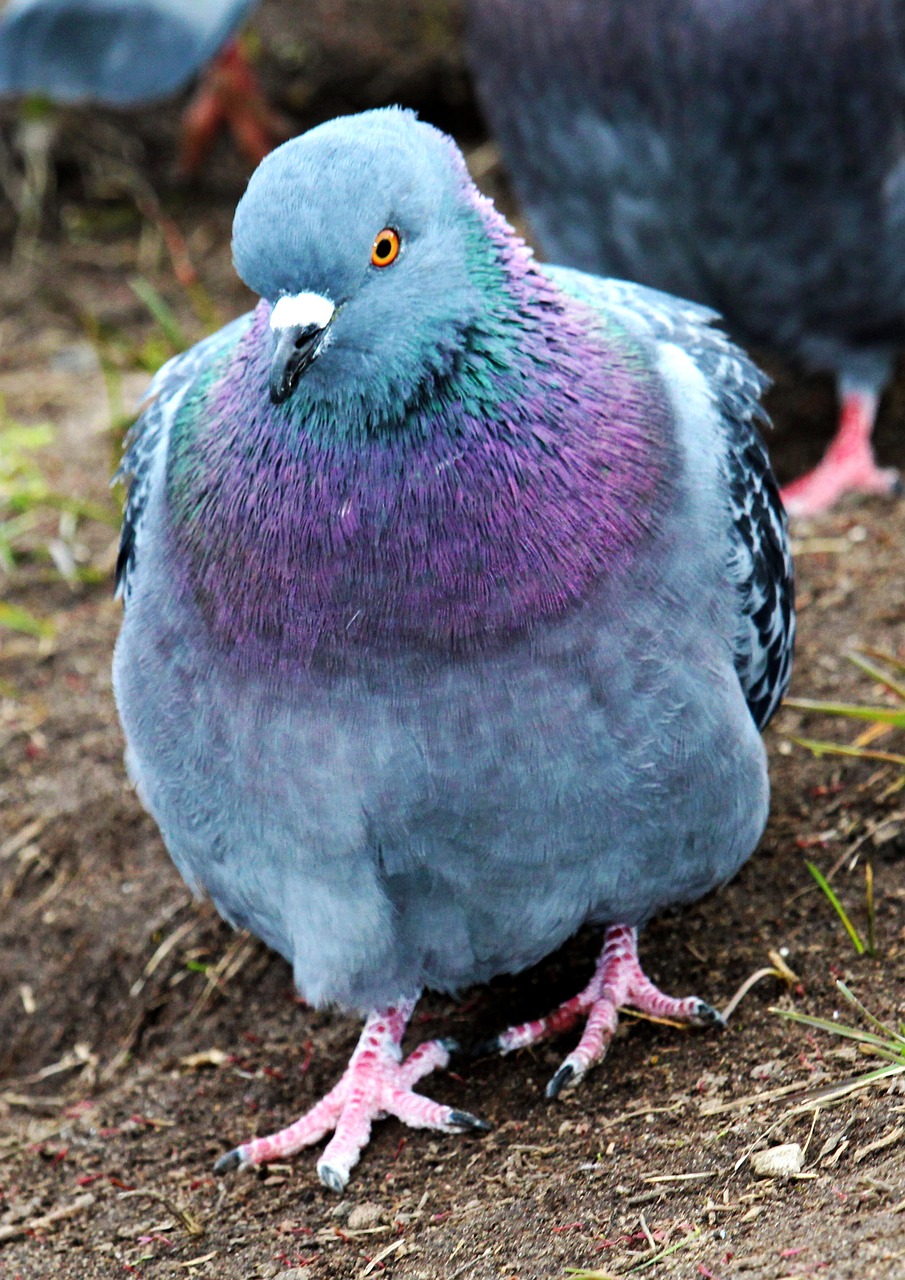
High-value pigeon racing has evolved with advanced GPS technology, offering precise tracking and performance insights. This article delves into the technical aspects of devices like AviRings GPS, exploring how they enhance the sport for enthusiasts. By understanding these innovations, breeders and racers can optimize their strategies for superior results.
The Evolution of Pigeon Tracking Technology
Pigeon racing has a rich history, but the integration of GPS has revolutionized how we monitor and train birds. Early methods relied on manual timing and visual checks, which were prone to errors and delays. With the advent of pigeon tracking devices, such as AviRings GPS, the sport has become more data-driven and efficient. These tools provide real-time location data, allowing for immediate analysis and adjustments during races. This shift not only improves accuracy but also enhances the safety and well-being of high value racing pigeons, making the hobby more rewarding for all involved.
From Traditional Methods to Modern GPS
In the past, pigeon fanciers used simple bands and manual logs to track their birds, which often led to inconsistencies in race results. The introduction of electronic timing systems marked a significant improvement, but it was the development of GPS that truly transformed the landscape. AviRings GPS and similar pigeon tracking devices now offer features like live mapping and speed calculations, enabling racers to monitor their pigeons' paths with unprecedented detail. This technological leap has made it easier to identify strengths and weaknesses in training regimens, ultimately boosting the performance of high value racing pigeons. As a result, breeders can make informed decisions based on concrete data rather than guesswork.
Moreover, the reliability of these devices has increased over time, with better battery life and durability. For instance, modern pigeon tracking devices can withstand harsh weather conditions, ensuring continuous operation during long-distance races. This evolution underscores the importance of embracing innovation in pigeon racing, as it leads to fairer competitions and healthier birds. By adopting tools like AviRings GPS, enthusiasts can stay ahead in this competitive sport, leveraging data to nurture champion pigeons.
Key Milestones in Tracking Innovation
The journey of pigeon tracking technology includes several key milestones that have shaped today's devices. Initially, radio-frequency identification (RFID) tags were used, but they had limited range and required close proximity for data retrieval. The integration of GPS in pigeon tracking devices, such as AviRings GPS, addressed these limitations by providing global coverage and real-time updates. This breakthrough allowed for the monitoring of high value racing pigeons across vast distances, from training flights to international competitions. Another significant advancement was the miniaturization of components, making devices lighter and less intrusive for the birds.
Additionally, the development of cloud-based platforms has enabled seamless data sharing and analysis among breeders. With AviRings GPS, users can access historical flight data, track multiple pigeons simultaneously, and receive alerts for unusual behavior. These features have made it easier to detect issues like fatigue or disorientation, which are critical for maintaining the health of high value racing pigeons. As technology continues to evolve, we can expect even more sophisticated tools that integrate artificial intelligence for predictive analytics. Embracing these innovations ensures that pigeon racing remains a cutting-edge and ethical pursuit.
How AviRings GPS Enhances Pigeon Racing Performance
AviRings GPS stands out as a premier pigeon tracking device, offering a suite of features that directly impact racing outcomes. By providing accurate location and speed data, it helps trainers fine-tune their pigeons' conditioning and race strategies. This section explores the specific ways AviRings GPS boosts performance, from real-time monitoring to post-race analysis. For owners of high value racing pigeons, these insights are invaluable in maximizing investment and achieving consistent wins.
Real-Time Monitoring and Data Accuracy
One of the most significant advantages of AviRings GPS is its ability to deliver real-time data during races and training sessions. This pigeon tracking device uses advanced satellite technology to track pigeons' positions with high precision, allowing racers to monitor their birds' progress on a map. For high value racing pigeons, this means immediate feedback on flight patterns, such as deviations or optimal routes, which can be used to adjust training programs. The accuracy of AviRings GPS reduces the risk of disputes in race results, as it provides verifiable evidence of each pigeon's journey.
Furthermore, the device's data logging capabilities enable detailed analysis of factors like altitude, speed, and environmental conditions. By reviewing this information, breeders can identify trends that affect performance, such as how weather impacts flight efficiency. AviRings GPS also includes features like geofencing, which sends alerts if a pigeon strays from a predefined area, enhancing security for valuable birds. This level of detail empowers users to make data-driven decisions, leading to healthier and more competitive pigeons. In essence, AviRings GPS transforms pigeon racing from a guessing game into a science.
Improving Training Regimens with Insights
AviRings GPS provides actionable insights that can revolutionize how trainers develop their pigeons. By analyzing data from the pigeon tracking device, such as average speeds and recovery times, breeders can customize training schedules to match each bird's capabilities. For high value racing pigeons, this personalized approach minimizes the risk of overtraining and injuries, promoting long-term health and peak performance. The device also tracks cumulative flight distances, helping to build endurance gradually and safely.
In addition, AviRings GPS allows for comparative analysis between pigeons, identifying top performers and areas for improvement. Trainers can use this data to pair birds with complementary strengths or adjust diets and rest periods based on exertion levels. The pigeon tracking device's user-friendly interface makes it easy to generate reports and share findings with team members, fostering collaboration in breeding programs. Ultimately, by leveraging AviRings GPS, enthusiasts can achieve higher success rates in races, as the insights lead to smarter, more effective training methods. This not only benefits the pigeons but also enhances the overall experience for racers.
Key Features of Modern Pigeon Tracking Devices
Modern pigeon tracking devices, including AviRings GPS, come equipped with a range of features designed to meet the demands of competitive racing. These tools go beyond basic location tracking, offering functionalities that support health monitoring, data analysis, and user convenience. In this section, we'll break down the essential features that make these devices indispensable for managing high value racing pigeons. Understanding these aspects helps breeders choose the right technology for their needs.
Advanced GPS and Connectivity Options
At the core of any effective pigeon tracking device is its GPS capability, which ensures accurate and reliable location data. AviRings GPS, for example, utilizes multi-constellation satellite systems for enhanced coverage, even in remote areas. This is crucial for high value racing pigeons that may traverse diverse terrains during races. The device also supports various connectivity options, such as Bluetooth and cellular networks, allowing for seamless data transmission to smartphones or computers. This means racers can access live updates without being physically present at the race site.
Moreover, these connectivity features enable real-time alerts for events like completed flights or potential hazards. For instance, if a pigeon equipped with AviRings GPS experiences a sudden drop in speed, the system can notify the owner, prompting immediate action. The integration with mobile apps enhances user experience, providing intuitive interfaces for tracking multiple birds and setting custom parameters. By offering robust GPS and connectivity, pigeon tracking devices like AviRings GPS ensure that breeders stay informed and in control, ultimately protecting their investments in high value racing pigeons.
Battery Life and Durability Considerations
Battery life is a critical factor in pigeon tracking devices, as long races require sustained power without frequent recharging. AviRings GPS is designed with energy-efficient components that extend battery life, often lasting through multi-day events. This reliability is essential for high value racing pigeons, as any device failure could result in lost data or, worse, a lost bird. Additionally, the durability of these devices is tested against environmental stressors like rain, wind, and extreme temperatures, ensuring they remain functional under challenging conditions.
Another aspect is the lightweight design, which minimizes the burden on pigeons during flight. AviRings GPS and similar pigeon tracking devices are engineered to be compact and aerodynamic, reducing drag and allowing birds to perform at their best. Breeders should also consider features like solar charging options or replaceable batteries for added convenience. By prioritizing battery life and durability, these devices support consistent performance and safety for high value racing pigeons. This makes them a wise investment for anyone serious about excelling in the sport.
Benefits of Using GPS for High Value Racing Pigeons
Incorporating GPS technology, such as AviRings GPS, into pigeon racing offers numerous benefits that extend beyond mere tracking. From enhancing bird welfare to increasing competitive edge, these advantages make a strong case for adoption. This section highlights the key benefits, emphasizing how pigeon tracking devices contribute to the success and sustainability of high value racing pigeons. By understanding these perks, breeders can make informed decisions that elevate their racing endeavors.
Enhanced Safety and Health Monitoring
One of the primary benefits of using a pigeon tracking device like AviRings GPS is the improved safety it provides for high value racing pigeons. Real-time location tracking helps quickly locate lost or injured birds, reducing the risk of permanent loss. The device can also monitor vital signs indirectly, such as through activity levels, alerting owners to potential health issues before they become serious. This proactive approach ensures that pigeons receive timely care, which is especially important for valuable breeds where each bird represents a significant investment.
Additionally, GPS data can reveal patterns related to stress or fatigue, allowing trainers to adjust workloads and prevent burnout. For example, if AviRings GPS shows a pigeon consistently slowing down on certain routes, it might indicate underlying health problems or environmental factors. By addressing these issues early, breeders can maintain the well-being of their high value racing pigeons, leading to longer careers and better performance. Overall, the safety features of pigeon tracking devices foster a more ethical and responsible racing culture.
Competitive Advantage and Data-Driven Decisions
Using AviRings GPS gives breeders a competitive edge by enabling data-driven strategies that optimize race outcomes. The pigeon tracking device collects comprehensive data on flight metrics, such as speed, altitude, and route efficiency, which can be analyzed to identify winning patterns. For high value racing pigeons, this means breeders can select the best birds for competitions based on empirical evidence rather than intuition. This analytical approach reduces guesswork and increases the likelihood of success in high-stakes races.
Moreover, the insights from AviRings GPS allow for continuous improvement in breeding and training programs. By comparing historical data, breeders can track progress over time and make adjustments to enhance performance. The ability to share this data with other enthusiasts or professionals fosters a community of learning and innovation. Ultimately, pigeon tracking devices like AviRings GPS transform pigeon racing into a more scientific and rewarding pursuit, where every decision is backed by reliable information. This not only boosts wins but also elevates the overall standard of the sport.
Choosing the Right Pigeon Tracking Device
Selecting the appropriate pigeon tracking device is crucial for maximizing the benefits in high-value pigeon racing. With options like AviRings GPS available, it's important to consider factors such as features, cost, and compatibility. This section provides guidance on evaluating devices to ensure they meet specific needs, helping breeders make smart investments for their high value racing pigeons. By focusing on key criteria, you can find a tool that enhances both performance and peace of mind.
Evaluating Features and Specifications
When choosing a pigeon tracking device, start by assessing its core features, such as GPS accuracy, battery life, and data storage capabilities. AviRings GPS, for instance, offers high-resolution tracking and long-lasting power, making it suitable for extensive races. Look for devices that provide real-time updates and easy integration with other systems, as this simplifies management for high value racing pigeons. Additionally, consider user reviews and industry ratings to gauge reliability and performance in real-world scenarios.
It's also wise to examine the software that accompanies the device, ensuring it offers robust analysis tools and customizable reports. A good pigeon tracking device should allow you to set alerts, track multiple pigeons, and export data for further study. For high value racing pigeons, features like health monitoring and route optimization can be game-changers. By thoroughly evaluating these aspects, you can select a device like AviRings GPS that aligns with your racing goals and budget, ultimately supporting better outcomes and bird care.
Cost-Benefit Analysis and Long-Term Value
Investing in a pigeon tracking device involves weighing the initial cost against long-term benefits, especially for high value racing pigeons. While devices like AviRings GPS may have a higher upfront price, they often pay off through improved race results and reduced losses. Consider factors like durability and warranty, as a reliable device can last for years, providing consistent value. Calculate the potential savings from preventing lost birds or optimizing training, which can outweigh the purchase cost over time.
Furthermore, think about the scalability of the device—can it grow with your flock? AviRings GPS and similar pigeon tracking devices often offer modular features or upgrades, making them adaptable to expanding operations. By conducting a thorough cost-benefit analysis, breeders can justify the investment and choose a device that delivers maximum return. Remember, for high value racing pigeons, the right technology isn't an expense but an investment in success and sustainability. This careful approach ensures you get the most out of your pigeon tracking device.
Conclusion
In summary, GPS technology like AviRings GPS has revolutionized high-value pigeon racing by providing precise tracking, enhanced safety, and data-driven insights. From improving training regimens to offering competitive advantages, pigeon tracking devices are essential tools for modern breeders. By embracing these innovations, you can elevate your racing efforts and ensure the well-being of your birds. For expert guidance and management solutions, consider reaching out to Ghawy – Pigeon Manager (غاوي – إدارة الحمام) to optimize your pigeon racing experience.