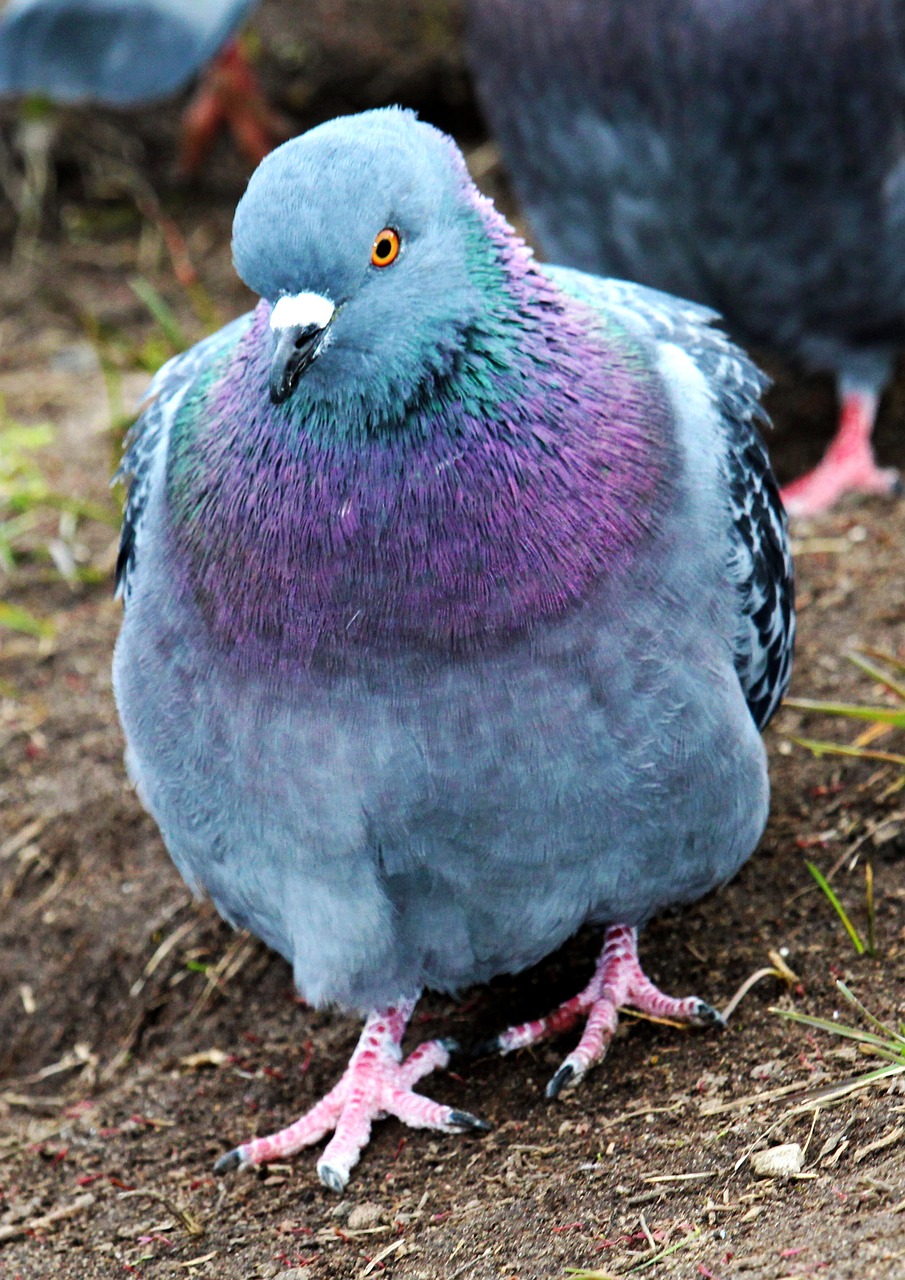
Pigeon racing has evolved from a traditional hobby into a high-tech sport, driven by advancements in GPS and data analytics. By tracking every flight detail, enthusiasts can now optimize training and health, revolutionizing how we understand and enhance pigeon performance.
The Rise of GPS Technology in Pigeon Racing
GPS devices have become essential tools in modern pigeon racing, offering precise location tracking that was once unimaginable. These small, lightweight units attach safely to pigeons, recording data on speed, altitude, and route efficiency during races. This technology allows breeders to monitor their birds in real-time, reducing guesswork and improving decision-making for better outcomes.
How GPS Tracking Works
GPS trackers use satellite signals to pinpoint a pigeon's exact position, transmitting data to a central system for analysis. This process involves multiple satellites triangulating the bird's location, ensuring accuracy even over long distances. The data collected includes flight paths, stop times, and environmental factors, providing a comprehensive view of each race. With this information, handlers can identify patterns, such as preferred routes or potential obstacles, and adjust training regimens accordingly. Over time, this leads to more consistent and improved racing performances, as pigeons are conditioned based on empirical evidence rather than intuition.
Benefits of Real-Time Monitoring
Real-time monitoring through GPS enables immediate interventions during races, such as alerting handlers to deviations or health issues. This capability not only enhances safety but also boosts performance by allowing quick adjustments to training plans. For instance, if a pigeon shows signs of fatigue or navigational errors, handlers can provide targeted support post-race. Additionally, it fosters a deeper connection between breeders and their birds, as they can track progress and celebrate milestones together. The emotional and practical benefits make GPS an indispensable tool in competitive pigeon racing.
Leveraging Data Analytics for Performance Insights
Data analytics transforms raw GPS data into actionable insights, helping breeders understand what drives success in pigeon racing. By analyzing metrics like speed consistency and recovery times, they can pinpoint strengths and weaknesses in their flocks. This approach moves beyond basic observation to a scientific method that predicts and improves future performances.
Key Metrics in Pigeon Data Analytics
Critical metrics in pigeon data analytics include average speed, flight duration, and heart rate variability, which indicate overall health and stamina. For example, a pigeon maintaining high speed over long distances likely has superior endurance, while fluctuations might signal underlying issues. Other factors, such as weather conditions and altitude changes, are also analyzed to contextualize performance. By focusing on these metrics, breeders can develop personalized training programs that address specific needs, leading to more reliable and competitive birds in races.
Tools and Software for Analysis
Specialized software tools process GPS data to generate reports and visualizations, making it easier for breeders to interpret complex information. These platforms often include features like trend analysis and predictive modeling, which forecast how changes in training might affect race outcomes. Many are user-friendly, allowing even novice enthusiasts to benefit from advanced analytics. By integrating these tools into daily routines, breeders can continuously refine their strategies, ensuring their pigeons are always performing at their peak. This technological edge is becoming a standard in the sport, leveling the playing field for all participants.
Improving Training Regimens with Data-Driven Approaches
Data-driven training regimens use insights from analytics to create customized plans that maximize pigeon potential. Instead of relying on generic methods, breeders can tailor exercises based on individual bird data, leading to faster improvements and reduced injury risks. This personalized approach is reshaping how pigeons are prepared for competitions.
Customizing Diets and Exercise
Analytics reveal how diet and exercise impact performance, enabling breeders to adjust nutrition and training intensity. For instance, data might show that certain foods boost energy levels during long flights, prompting dietary changes. Similarly, exercise routines can be modified to focus on weak areas, such as building stamina or improving navigation skills. By continuously monitoring these adjustments through GPS tracking, breeders ensure that their methods are effective and sustainable. This holistic care results in healthier, more resilient pigeons that excel in races.
Monitoring Health and Recovery
Health monitoring through data analytics helps detect early signs of illness or stress, allowing for prompt treatment and better recovery. Metrics like rest periods and activity levels provide clues about a pigeon's well-being, enabling breeders to intervene before minor issues become major problems. This proactive approach not only enhances performance but also extends the birds' racing careers. By prioritizing health, breeders build stronger bonds with their flocks and achieve long-term success in the sport.
Case Studies: Success Stories in Pigeon Racing
Real-world examples demonstrate how GPS and data analytics have led to remarkable improvements in pigeon racing. From amateur breeders to professional teams, these stories highlight the transformative power of technology in achieving competitive advantages and fostering innovation.
Amateur Breeder Breakthroughs
Many amateur breeders have used GPS data to overcome challenges and achieve top rankings in local races. For example, one enthusiast analyzed flight patterns to identify a recurring navigational error, then adjusted training to correct it, resulting in a top-three finish. These successes often start with simple tracking and evolve into sophisticated analytics, proving that technology is accessible to all. By sharing their journeys, these breeders inspire others to adopt data-driven methods, driving growth and excitement in the community.
Professional Team Innovations
Professional racing teams leverage advanced analytics to fine-tune every aspect of their operations, from breeding selection to race-day strategies. In one case, a team used historical data to predict optimal release times based on weather, leading to multiple championship wins. These innovations often involve collaboration with tech developers, pushing the boundaries of what's possible in the sport. As more teams embrace these tools, the overall standard of competition rises, benefiting everyone involved.
Future Trends in Pigeon Racing Technology
The future of pigeon racing is bright, with emerging technologies like AI and IoT set to further enhance data analytics and performance tracking. These advancements promise even greater precision and efficiency, opening new possibilities for breeders to explore and innovate in their practices.
AI and Machine Learning Applications
AI and machine learning can analyze vast datasets to predict race outcomes and suggest optimal training adjustments. For instance, algorithms might identify subtle patterns in flight data that humans overlook, leading to breakthroughs in performance optimization. As these technologies become more integrated, they could automate routine tasks, freeing up breeders to focus on strategic decisions. This evolution will likely make pigeon racing more data-centric and competitive, attracting a new generation of tech-savvy enthusiasts.
Integration with Broader IoT Ecosystems
Integrating pigeon tracking with IoT devices, such as smart lofts and environmental sensors, creates a comprehensive ecosystem for monitoring and management. This allows breeders to control factors like temperature and lighting remotely, ensuring ideal conditions for their birds. The synergy between GPS data and IoT enhances overall efficiency, making it easier to maintain peak performance year-round. As these systems evolve, they could include features like automated feeding and health alerts, further simplifying the breeder's role.
Conclusion
In summary, GPS and data analytics are revolutionizing pigeon racing by providing deep insights into performance, health, and training. By embracing these tools, breeders can achieve greater success and foster stronger connections with their birds. For those looking to get started, consider using Ghawy – Pigeon Manager to streamline your data tracking and enhance your racing strategies.