Rare pigeon breeds captivate enthusiasts with their unique beauty, but showcasing them effectively requires the right equipment. From show cage setup to lighting for pigeons, this guide explores how to highlight their elegance and appeal. Whether you're a seasoned breeder or a newcomer, these insights will help you present your birds in the best possible light.
Understanding the Importance of a Proper Show Cage Setup
A well-designed show cage setup is crucial for displaying rare pigeon breeds, as it ensures their comfort and enhances their visual appeal. In competitions or exhibitions, the cage serves as the stage where every detail matters, from the bird's posture to its interaction with the environment. Investing in a quality setup not only showcases the pigeon's attributes but also reflects the owner's dedication to excellence.
Key Elements of an Effective Show Cage
When selecting a show cage, focus on materials that are durable, easy to clean, and non-toxic, such as stainless steel or high-quality plastic. The size should allow the pigeon to move naturally without stress, typically around 24 inches in length for most breeds. Additionally, consider features like removable perches and feeding trays to simplify maintenance and ensure the bird's well-being during long events.
Beyond basic structure, customization plays a vital role; for instance, adding adjustable dividers can help separate birds if needed, reducing aggression. Ventilation is another critical factor, as proper airflow prevents humidity buildup and keeps the pigeons healthy. By prioritizing these elements, you create a show cage setup that not only looks professional but also supports the bird's health and behavior.
Designing for Breed-Specific Needs
Different rare pigeon breeds have unique requirements; for example, larger breeds like Carneau pigeons need more spacious cages to avoid cramped conditions. Research your breed's characteristics—such as feather length or activity level—to tailor the setup accordingly. This attention to detail can make a significant difference in how the bird is perceived by judges and spectators.
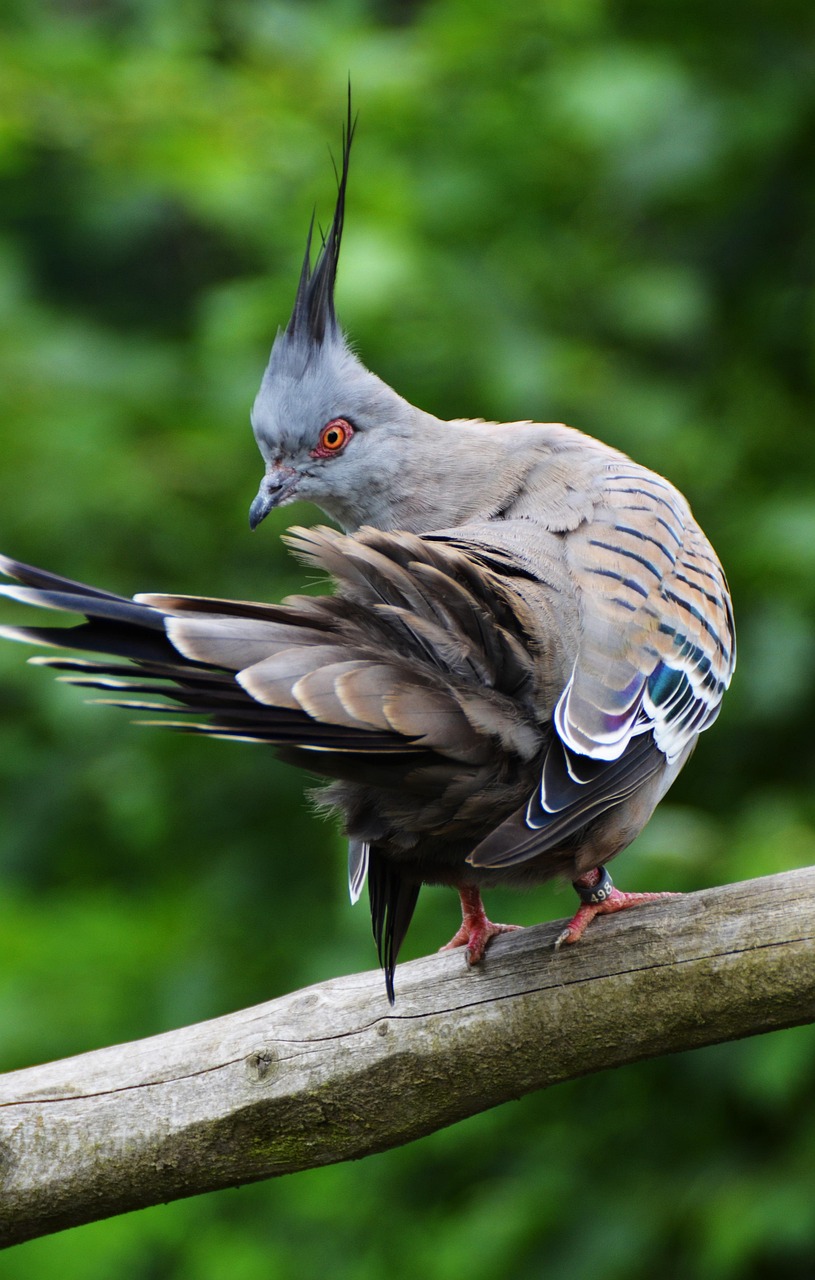
Incorporate elements that highlight the breed's strengths, such as elevated perches for birds with impressive crests or specialized flooring for those with delicate feet. Testing the setup beforehand allows you to make adjustments, ensuring the pigeon appears confident and poised. Ultimately, a breed-specific approach in your show cage setup maximizes the impact of your presentation.
Mastering Lighting for Pigeons in Display Environments
Lighting for pigeons is a game-changer in exhibitions, as it can accentuate colors, textures, and movements that define rare breeds. Proper illumination not only makes the birds more visible but also influences their mood and behavior, leading to a more dynamic display. By understanding the basics of light temperature and intensity, you can create an environment that showcases your pigeons at their best.
Choosing the Right Light Sources
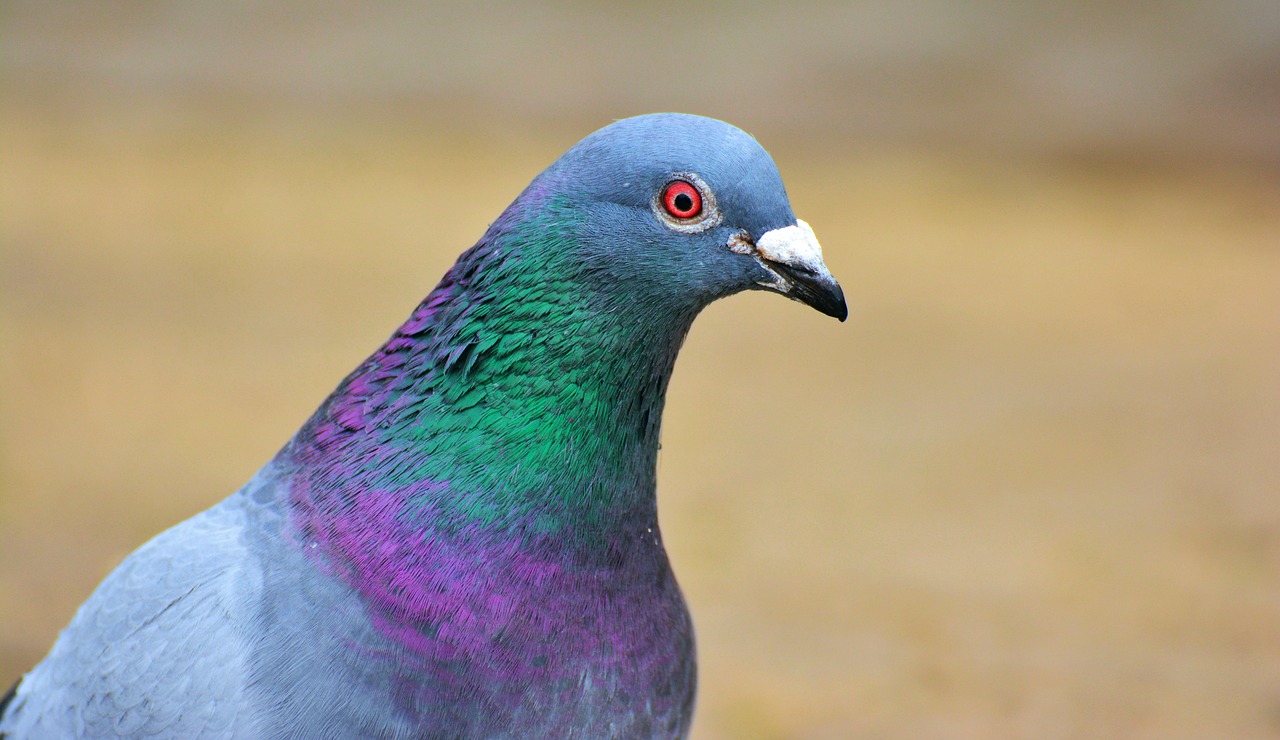
Opt for LED lights with adjustable color temperatures, as they provide consistent, energy-efficient illumination without generating excessive heat. A range of 3000K to 5000K is ideal, mimicking natural daylight to reveal true feather colors and reduce stress on the birds. Avoid harsh, direct lighting that can cause glare or shadows, which might obscure details like iridescence in breeds like the Archangel pigeon.
Positioning is key; place lights at angles that highlight the pigeon's profile and movements, such as from above or the sides. Use dimmers to control intensity, allowing you to adapt to different settings, from bright competition halls to intimate showcases. Regularly check for flickering or uneven lighting, as these issues can distract from the bird's appearance and affect its comfort.
Enhancing Visual Appeal with Strategic Lighting
Strategic lighting can emphasize specific features, such as using spotlights to draw attention to a pigeon's unique markings or feather patterns. For breeds with metallic sheens, like the Lahore pigeon, softer, diffused light can enhance the reflective qualities without washing out details. Experiment with backlighting or side-lighting during practice sessions to find the most flattering angles.
Consider the overall ambiance; in group displays, uniform lighting ensures all birds are equally highlighted, while individual setups might benefit from focused beams. Monitoring the pigeons' reactions helps you adjust the setup—if they appear agitated, reduce the brightness or change the light direction. By mastering lighting for pigeons, you transform a simple display into an engaging visual experience.
Integrating Accessories for a Complete Display
Accessories play a supportive role in showcasing rare pigeon breeds, complementing the show cage setup and lighting for pigeons to create a cohesive presentation. Items like background panels, decorative elements, and functional tools can enhance the overall aesthetic while ensuring practicality. Thoughtful integration of these components adds depth and professionalism to your display.
Selecting Backgrounds and Decor
Choose backgrounds that contrast with the pigeon's plumage, such as neutral tones for brightly colored birds or darker shades for light-feathered varieties. This helps the bird stand out and draws the eye to its unique features. Avoid busy patterns that might distract; instead, opt for simple, textured materials that add visual interest without overwhelming the scene.
Incorporate natural elements like faux branches or gravel to simulate a habitat, making the display more immersive and appealing. Ensure all decor is safe and easy to clean, as hygiene is paramount in preventing disease. By balancing aesthetics with functionality, you create an environment that highlights the pigeon's beauty while maintaining its well-being.
Utilizing Tools for Maintenance and Presentation
Essential tools include grooming kits for pre-show preparation, such as soft brushes and sanitizers to keep feathers pristine. Have backup items like extra perches or water dispensers on hand to address any issues during events. These tools not only support the show cage setup but also ensure the pigeon remains comfortable and presentable throughout the display.
For lighting adjustments, keep portable light meters or dimmers accessible to fine-tune illumination as needed. Regularly inspect accessories for wear and tear, replacing any damaged parts to avoid accidents. By being prepared, you demonstrate professionalism and care, which can positively influence perceptions in competitive settings.
Optimizing the Display for Different Environments
Displaying rare pigeon breeds effectively requires adaptability, as environments vary from indoor halls to outdoor fairs. Tailoring your show cage setup and lighting for pigeons to each setting ensures consistency and impact. Consider factors like space constraints, audience proximity, and natural light sources when planning your presentation.
Adapting to Indoor Exhibition Spaces
In indoor venues, control over lighting is easier, but you may face challenges like limited space or artificial ambiance. Use modular cages that can be rearranged to fit different layouts, and supplement existing lighting with your own sources to eliminate shadows. Test the setup in advance to identify potential issues, such as reflections from windows or uneven floor surfaces.
Focus on creating a focal point with your display, perhaps by grouping birds of complementary colors or using tiered arrangements. Ensure adequate ventilation and temperature control, as enclosed spaces can become stuffy, affecting the pigeons' behavior. By optimizing for indoor conditions, you deliver a polished and engaging showcase.
Thriving in Outdoor Showcases
Outdoor events introduce variables like weather and natural light, which can affect both the show cage setup and lighting for pigeons. Choose weather-resistant materials for cages and accessories, and have covers or shades ready to protect against sun or rain. Position displays to take advantage of morning or evening light, which is softer and more flattering than midday sun.
Monitor the pigeons for signs of stress, such as overheating, and provide water and shade as needed. Use portable lighting setups for consistency if the event extends into darker hours. Embracing the outdoors can enhance the natural beauty of the breeds, but preparation is key to a successful presentation.
Practical Tips for Maintenance and Long-Term Use
Maintaining your display equipment ensures it remains effective and safe over time, supporting repeated use in various events. Regular care of the show cage setup and lighting for pigeons not only prolongs their lifespan but also upholds hygiene standards. Implement a routine that includes cleaning, inspection, and storage practices to keep everything in top condition.
Cleaning and Sanitization Protocols
After each use, disassemble the show cage and clean all parts with bird-safe disinfectants to prevent the spread of pathogens. Pay special attention to perches and feeding areas, where debris can accumulate. For lighting fixtures, wipe down surfaces to remove dust and check for any electrical issues that could pose hazards.
Establish a schedule for deep cleaning, especially if you participate in multiple events annually. Use soft cloths and non-abrasive cleaners to avoid damaging surfaces, and allow components to dry completely before storage. Consistent sanitization not only protects your pigeons but also maintains the professional appearance of your display.
Storage and Transportation Best Practices
Store equipment in a dry, cool place to prevent rust or damage, using protective cases for fragile items like lights. Label parts for easy reassembly, and keep an inventory to track any missing pieces. When transporting, secure cages and accessories to avoid jostling, which could stress the birds or cause breakages.
Plan logistics in advance, considering the size and weight of your setup for different venues. Regularly update your kit based on lessons learned from previous events, such as adding spare bulbs or tools. By prioritizing maintenance, you ensure that your display remains reliable and impressive for years to come.
Conclusion
Showcasing rare pigeon breeds effectively hinges on a thoughtful show cage setup and strategic lighting for pigeons, which together highlight their unique beauty and ensure their comfort. By integrating accessories, adapting to various environments, and maintaining your equipment, you create displays that captivate audiences and elevate your breeding efforts. For those looking to streamline their pigeon management, consider exploring tools like Ghawy – Pigeon Manager to enhance your overall approach.