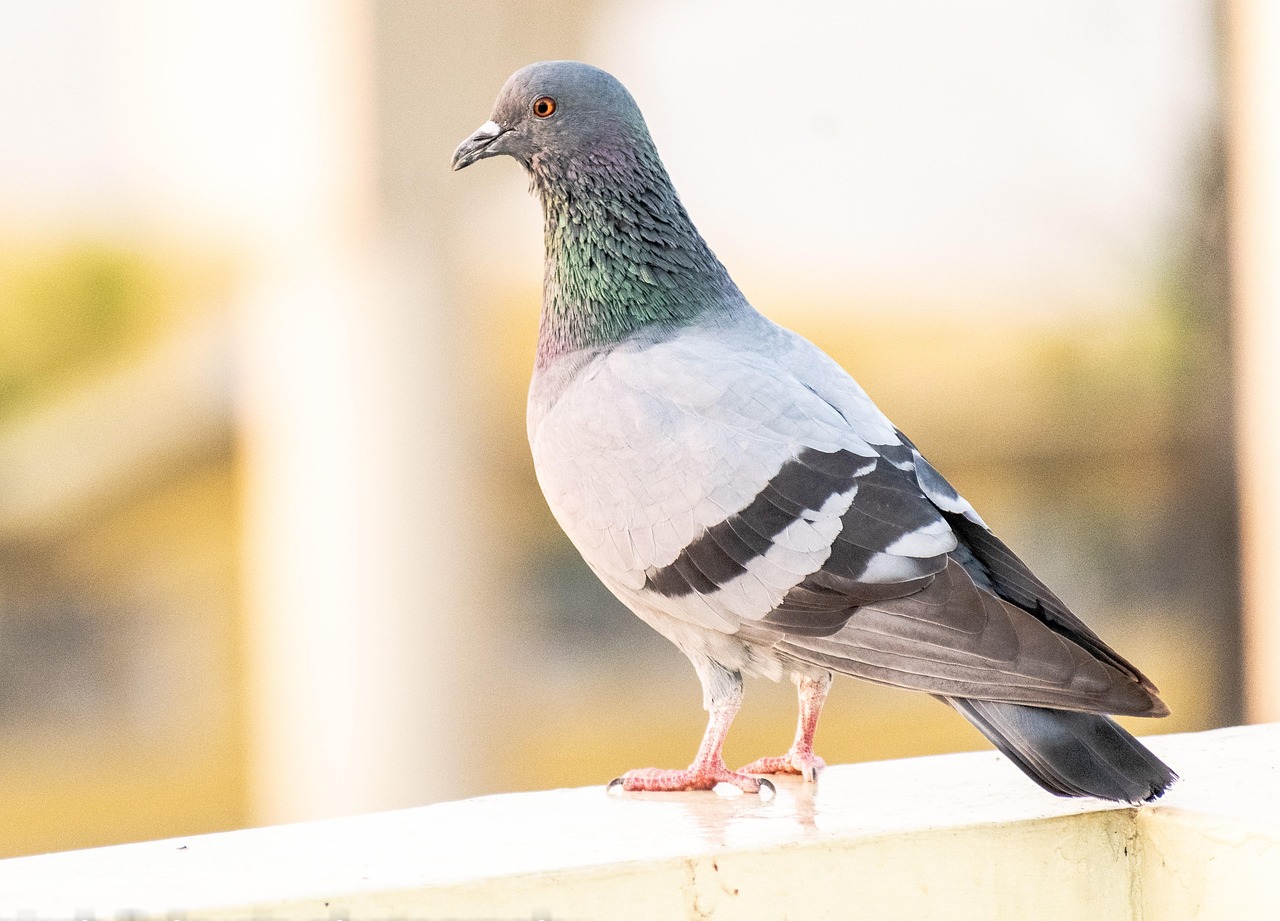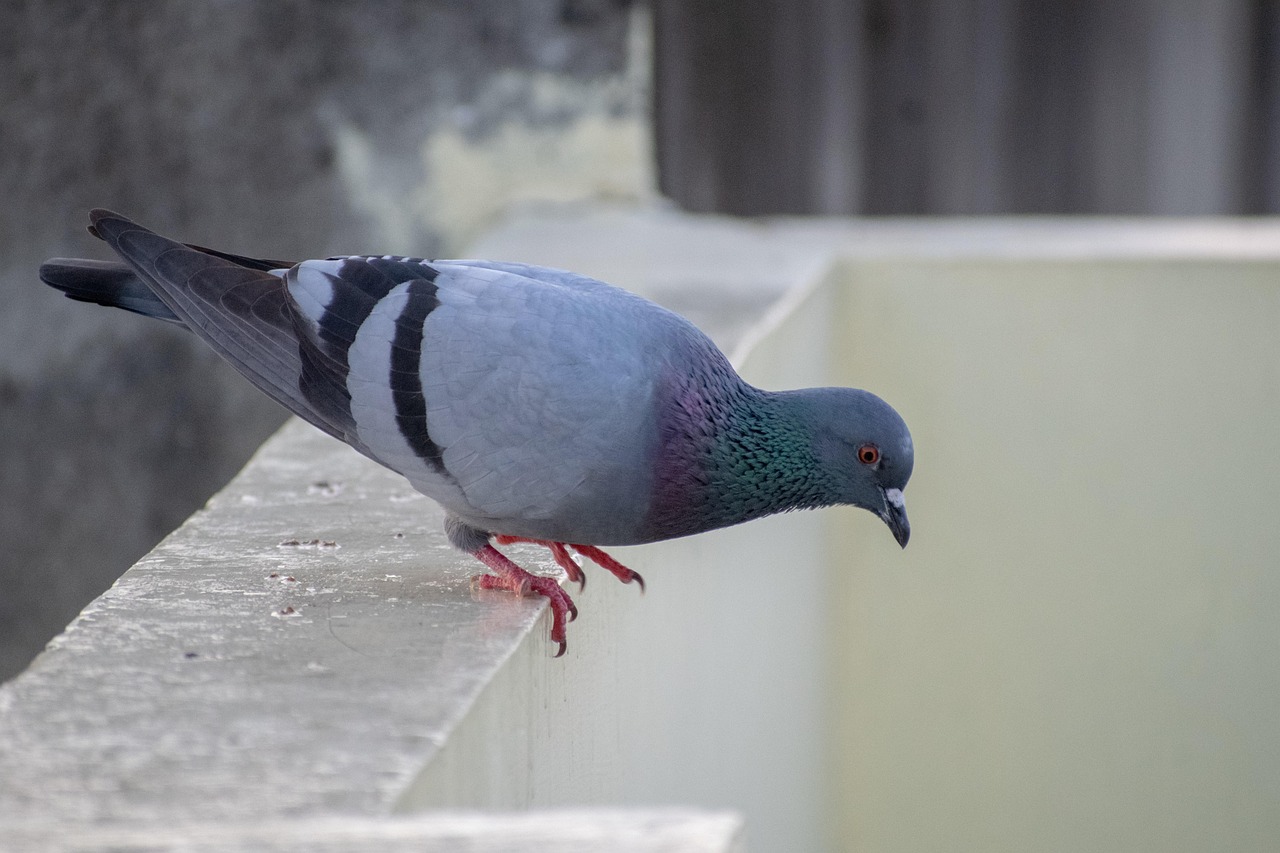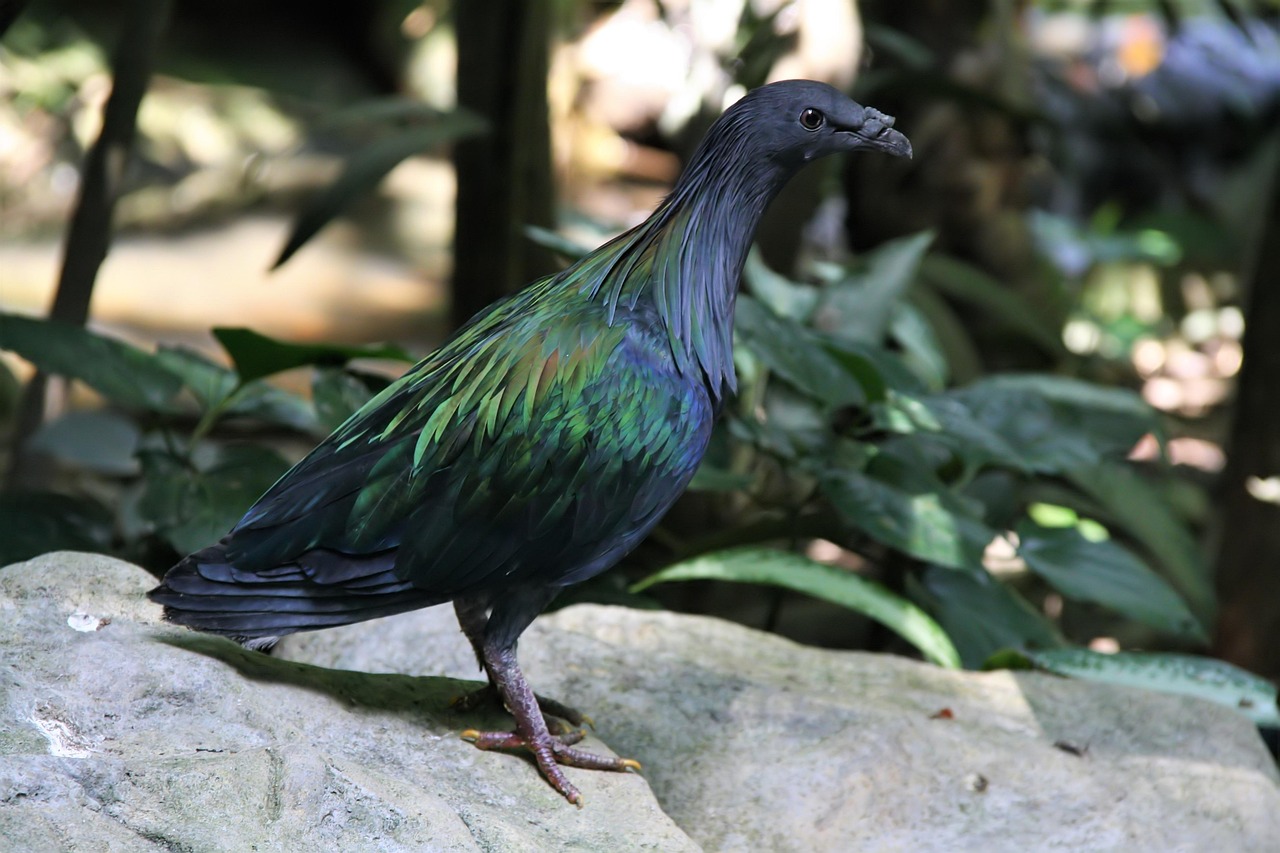
Keeping your pigeons healthy and vibrant requires a proactive approach to preventive care. This article outlines a powerful weekly program focused on essential practices, including the strategic use of pigeon vitamins, to ensure your birds thrive in any environment. By following this routine, you can prevent common illnesses and enhance their overall well-being.
Understanding Preventive Health for Pigeons
Preventive health is the cornerstone of successful pigeon keeping, aiming to stop diseases before they start. It involves regular monitoring, proper nutrition, and environmental management to maintain optimal health. This approach not only saves time and money but also ensures your pigeons live longer, more productive lives.
The Basics of Preventive Care
At its core, preventive care for pigeons revolves around consistent routines that address their physical and mental needs. This includes daily observations for signs of illness, such as changes in behavior or droppings, and maintaining a clean, stress-free loft. By catching issues early, you can intervene quickly and avoid more serious health problems down the line.
Another key aspect is understanding the life cycle of pigeons, from squabs to adults, and tailoring care accordingly. For instance, young birds may need extra attention to immune system development, while older pigeons might require joint support. Integrating pigeon vitamins into their diet from an early age can build a strong foundation for lifelong health.
Why Focus on Weekly Routines?
A weekly schedule provides a balanced framework that prevents overwhelm and ensures no aspect of care is neglected. Unlike daily checks that might focus on immediate needs, a weekly program allows for deeper assessments, such as evaluating weight trends or checking for parasites. This regularity helps in building habits that support long-term preventive health.
Moreover, weekly routines make it easier to incorporate supplements like pigeon vitamins systematically. For example, setting aside a specific day each week for vitamin administration ensures consistency, which is crucial for effectiveness. This structured approach also allows you to track progress and make adjustments based on seasonal changes or flock dynamics.
Essential Components of a Weekly Health Program
A comprehensive weekly program covers nutrition, hygiene, exercise, and supplementation to address all facets of pigeon health. Each component plays a vital role in preventing diseases and promoting vitality, with pigeon vitamins serving as a key element in boosting immunity and overall function.
Nutrition and Diet Planning
Proper nutrition is the foundation of any preventive health strategy, providing the essential nutrients pigeons need to fight off infections and maintain energy. A balanced diet should include high-quality grains, seeds, and legumes, tailored to the birds' age, activity level, and breeding status. Incorporating fresh greens and occasional proteins can further enhance their nutritional intake.
To optimize this, consider using pigeon vitamins as a supplement to fill any gaps in their diet. These vitamins often contain vital elements like Vitamin A for vision, Vitamin D for bone health, and B-complex for metabolism. By adding them to feed or water on a weekly basis, you ensure your pigeons receive consistent support for their immune systems and overall growth.
Hygiene and Loft Maintenance
Maintaining a clean environment is critical for preventing the spread of pathogens and reducing stress in pigeons. A weekly deep-clean of the loft should include removing droppings, disinfecting surfaces, and replacing bedding materials. This not only minimizes the risk of bacterial and fungal infections but also promotes better respiratory health.
In addition to cleaning, inspect the loft for potential hazards like sharp edges or damp areas that could harbor mold. Using safe, pigeon-friendly disinfectants helps maintain a hygienic space without exposing birds to harmful chemicals. Pair this with good ventilation to ensure fresh air circulation, which is essential for preventing respiratory issues linked to poor preventive health practices.
Role of Pigeon Vitamins in Preventive Care
Pigeon vitamins are specialized supplements designed to support various bodily functions, from immunity to reproduction. When used as part of a weekly program, they can significantly reduce the incidence of deficiencies and related health problems, making them a cornerstone of preventive health strategies.
Types of Vitamins and Their Benefits
There are several key vitamins that pigeons benefit from, each serving unique roles in maintaining health. For example, Vitamin E acts as an antioxidant, protecting cells from damage, while Vitamin C can boost immune response during stressful periods. B vitamins are crucial for energy production and nervous system function, helping pigeons stay active and alert.
It's important to choose vitamins specifically formulated for pigeons, as their needs differ from other birds. Look for products that include a blend of fat-soluble and water-soluble vitamins to ensure comprehensive coverage. Administering these on a weekly basis, perhaps mixed with feed or water, helps maintain steady levels in their system, supporting long-term preventive health without over-supplementation.
How to Administer Vitamins Effectively
Administering pigeon vitamins correctly ensures maximum absorption and effectiveness. Common methods include adding liquid vitamins to drinking water or mixing powder forms with moistened feed. Always follow dosage instructions based on the number of birds and their specific needs, such as during molting or breeding seasons when nutritional demands are higher.
To avoid wastage or uneven distribution, stir supplements thoroughly and offer them at times when pigeons are most likely to consume them, like in the morning. Monitoring your flock's response can help you adjust frequencies; for instance, if birds show signs of improved feather quality or increased activity, it indicates the vitamins are supporting their preventive health routine well.
Weekly Schedule for Optimal Health
Implementing a detailed weekly schedule helps streamline preventive care tasks, ensuring nothing is overlooked. This plan integrates all aspects, from diet to exercise, with pigeon vitamins playing a recurring role to reinforce health benefits consistently.
Daily and Weekly Task Breakdown
Start each week with a full health assessment, checking each pigeon for weight, behavior, and physical condition. Mid-week, focus on environmental tasks like loft cleaning and parasite control, which are essential for preventing disease outbreaks. End the week with a review of diet and supplementation, adjusting as needed based on observations.
Incorporate pigeon vitamins into this schedule by designating a specific day, such as Sunday, for administration. This regularity helps build a routine that pigeons adapt to, reducing stress and improving compliance. Keep a log to track changes over time, which can reveal patterns and guide future preventive health decisions.
Adapting the Schedule for Different Seasons
Seasonal changes affect pigeon health, requiring adjustments to the weekly program. In colder months, increase energy-rich foods and consider extra vitamin supplements to support immunity against respiratory illnesses. During hot weather, ensure ample hydration and adjust vitamin dosages to account for higher metabolic rates.
For example, in spring, when breeding activity peaks, boost vitamins that aid in reproduction and chick development. By tailoring the schedule to environmental factors, you enhance the effectiveness of preventive measures. This proactive approach ensures your pigeons remain resilient year-round, with pigeon vitamins serving as a flexible tool in your arsenal.
Monitoring and Adjusting Your Program
Regular monitoring is key to a successful preventive health program, allowing you to spot trends and make informed adjustments. Use tools like weight scales and health checklists to gather data, and be prepared to modify routines based on your flock's evolving needs.
Signs of Effective Preventive Care
Indicators that your program is working include consistent weight maintenance, bright eyes, smooth feathers, and high activity levels. Pigeons should exhibit normal behaviors like cooing, feeding eagerly, and interacting socially. If you notice improvements in these areas after introducing pigeon vitamins, it's a good sign that your preventive health efforts are paying off.
Conversely, watch for red flags such as lethargy, loss of appetite, or abnormal droppings, which may signal the need for changes. Early detection through weekly checks allows for quick interventions, such as adjusting vitamin types or frequencies. This ongoing evaluation ensures your program remains dynamic and responsive.
When to Seek Professional Advice
While a weekly program covers most aspects of preventive care, some situations require expert input. If you encounter persistent health issues despite your efforts, consult a veterinarian specializing in avian health. They can provide diagnostics and tailored recommendations, possibly suggesting specific pigeon vitamins or other treatments.
Additionally, networking with other pigeon enthusiasts through clubs or online forums can offer insights and support. Remember, preventive health is a collaborative effort, and staying informed about new research or products can enhance your approach. For tools to streamline this process, consider using Ghawy – Pigeon Manager for tracking and reminders.
Conclusion
In summary, a well-structured weekly program is essential for maintaining pigeon health through preventive measures. By integrating key elements like nutrition, hygiene, and the strategic use of pigeon vitamins, you can build a resilient flock that thrives. Start implementing these practices today to see lasting benefits in your birds' vitality and longevity.