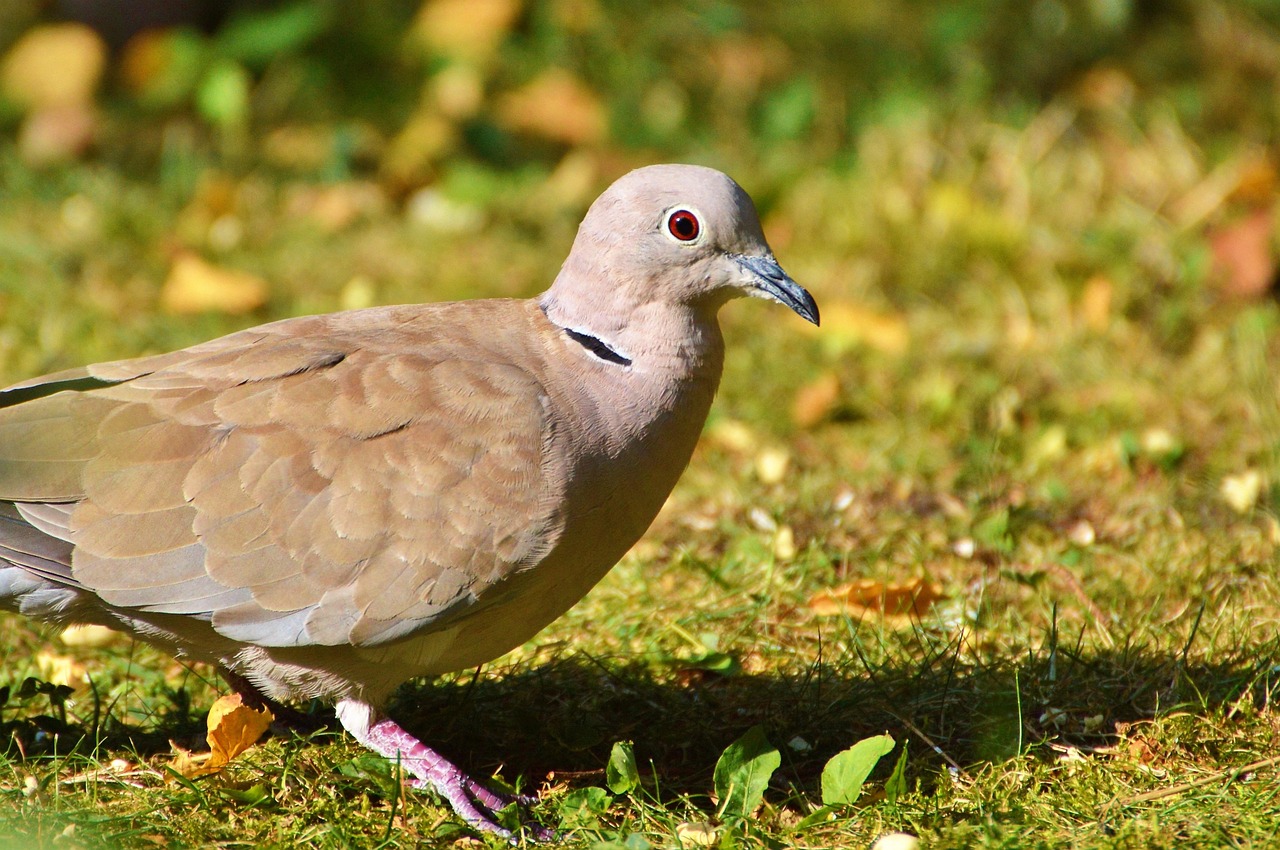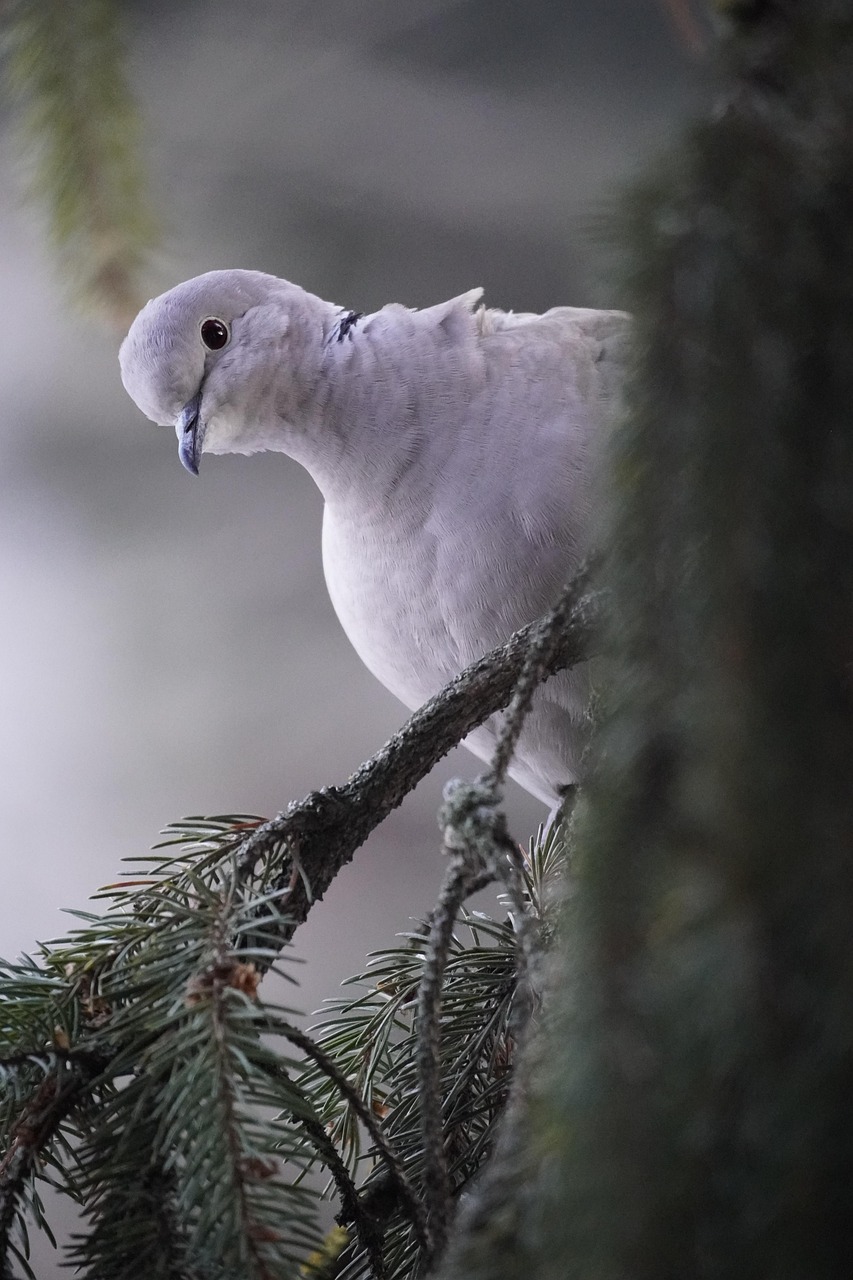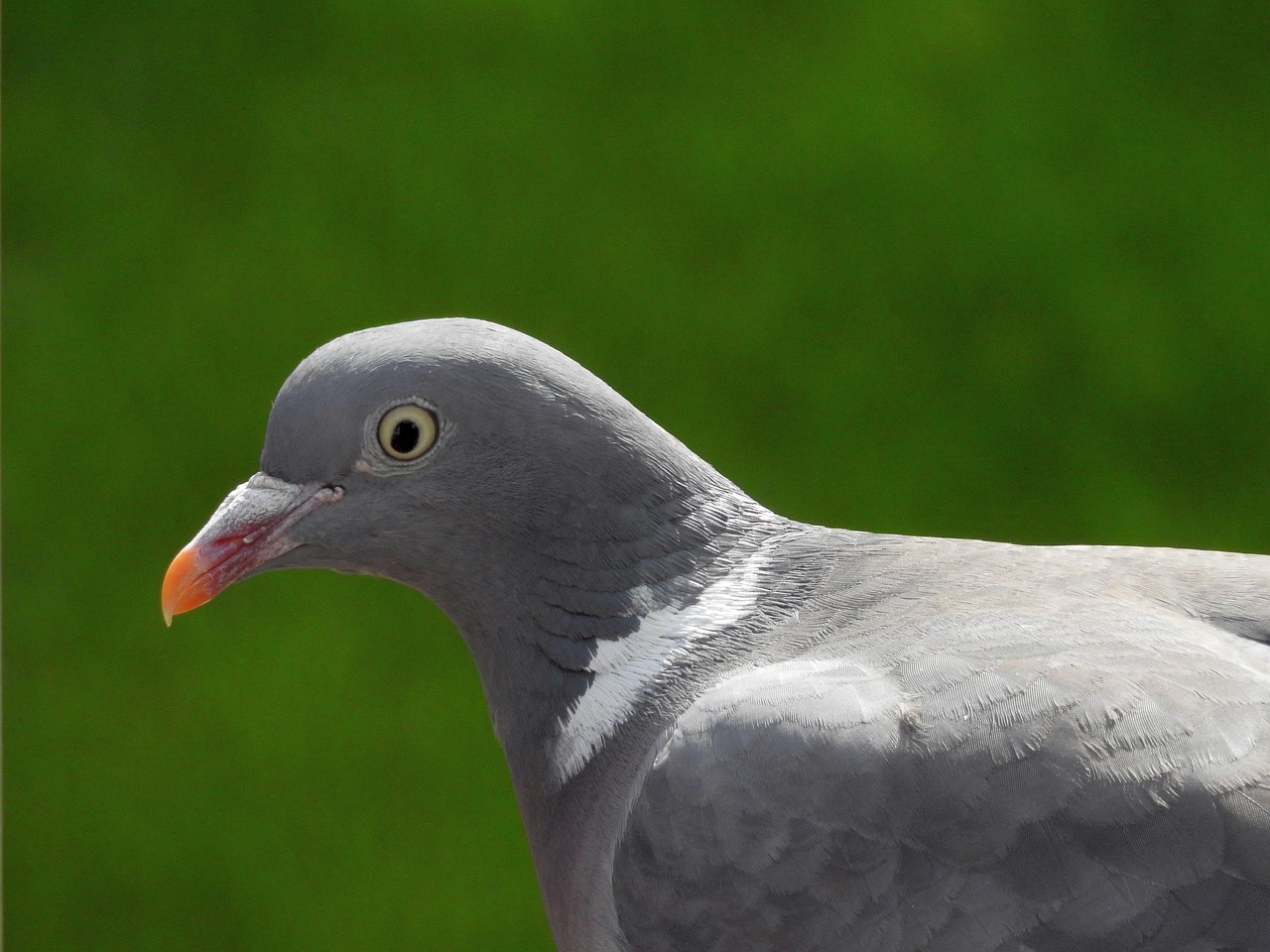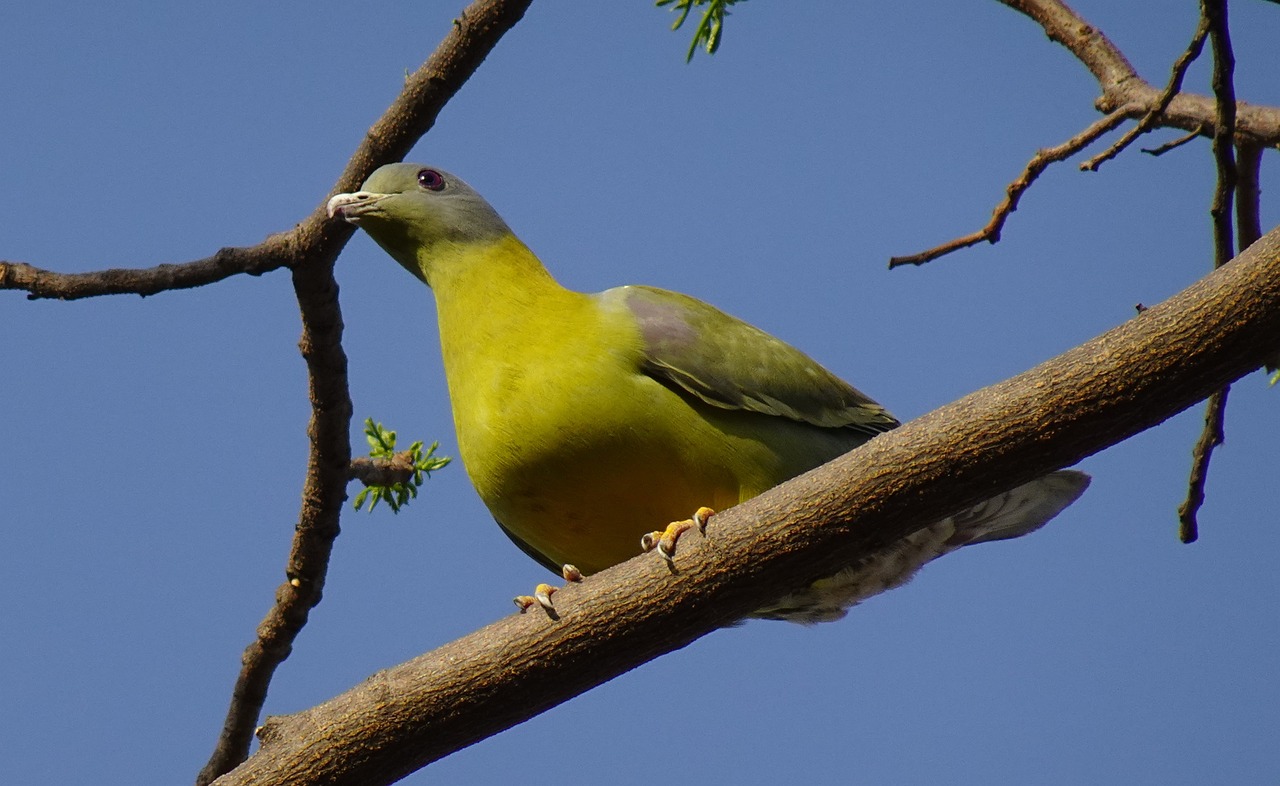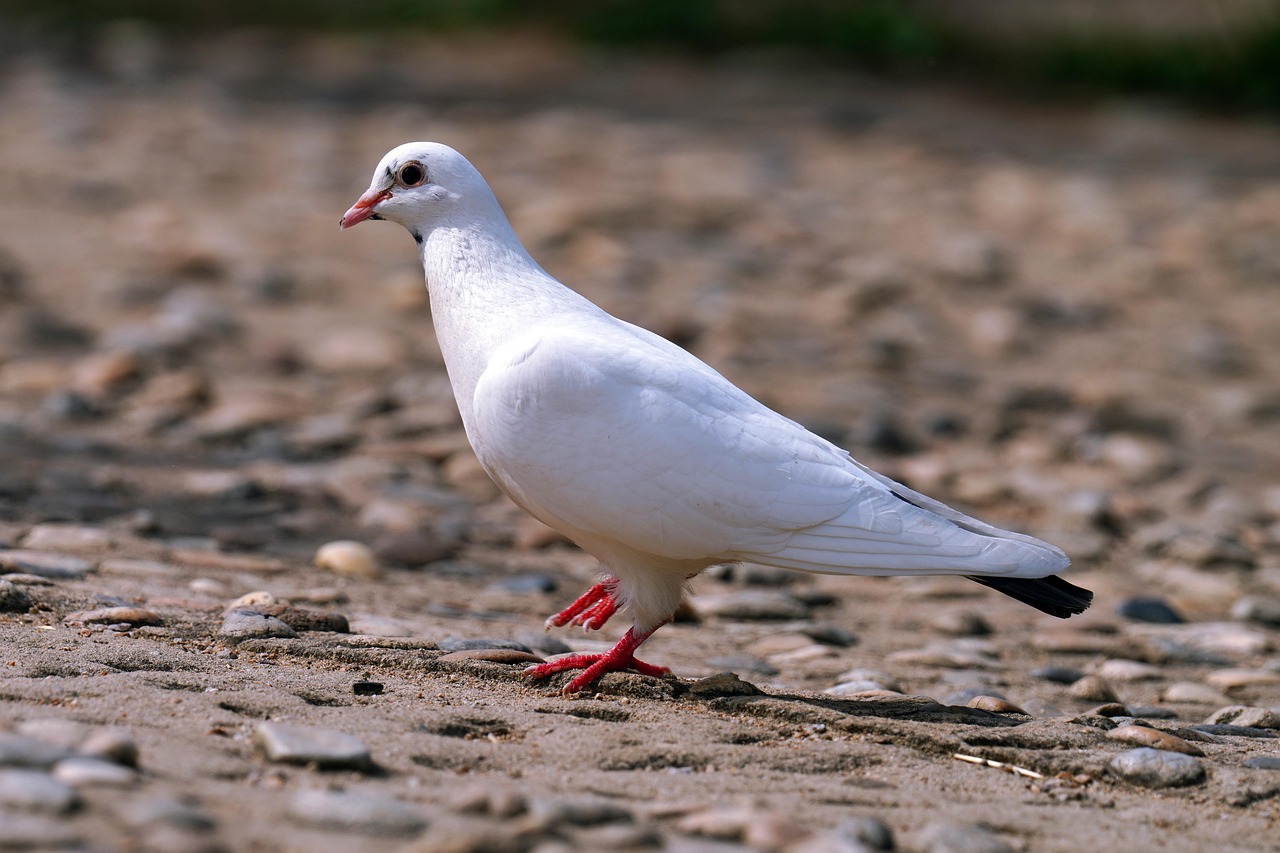
The King pigeon, known as 'حمام كنجي' in Arabic, has become a highly sought-after breed in the Gulf market, captivating enthusiasts with its unique characteristics and cultural significance. This article delves into the specifications that make this pigeon a standout choice, exploring its origins, physical traits, and the booming demand in regions like Saudi Arabia and the UAE. By understanding these aspects, breeders and hobbyists can better appreciate why the King pigeon reigns supreme in the السوق الخليجي.
Origins and Historical Background of the King Pigeon
The King pigeon boasts a rich history that traces back to selective breeding practices aimed at enhancing its utility and beauty. Originally developed for meat production, this breed has evolved into a symbol of prestige in pigeon keeping circles, particularly in the Gulf where traditional aviculture meets modern interests. Its journey from functional bird to cherished companion highlights the dynamic nature of pigeon breeding in the region.
Development and Breed Evolution
The evolution of the King pigeon involved careful crossbreeding with other strains to amplify desirable traits such as size and temperament. Over decades, breeders focused on creating a bird that not only excels in weight and meat yield but also exhibits a calm demeanor, making it ideal for both commercial and hobbyist settings. This subsection explores the key milestones in its development, including the influence of European and American breeding programs that contributed to its current form. Understanding this history provides insight into why the King pigeon is so well-suited to the demands of the السوق الخليجي, where quality and tradition are highly valued.
In the Gulf, the adoption of the King pigeon reflects a broader trend of embracing specialized breeds that align with local preferences for robustness and aesthetic appeal. As breeding techniques advanced, the pigeon's genetic lineage became more refined, leading to the high-demand variants seen today. This progression underscores the importance of historical context in appreciating the breed's current popularity and its role in the cultural fabric of pigeon enthusiasts across the region.
Cultural Significance in the Gulf
In the السوق الخليجي, pigeons are more than just birds; they are embedded in social and cultural practices, with the King pigeon often featured in competitions and gatherings. Its presence symbolizes status and dedication to the art of pigeon keeping, a hobby that has deep roots in Gulf societies. This subsection examines how the breed has been integrated into local traditions, from festive events to private collections, enhancing its appeal and driving demand.
The cultural resonance of the King pigeon is evident in the way it is celebrated in communities, where owning a high-quality specimen can elevate one's standing among peers. This has fueled a vibrant market, with enthusiasts eagerly seeking out birds that exemplify the best traits of the breed. By delving into these cultural aspects, we gain a fuller understanding of why the حمام كنجي remains a cornerstone of aviculture in the Gulf, blending heritage with contemporary interests.
Physical Characteristics and Breed Standards
Defining the King pigeon involves a detailed look at its physical attributes, which set it apart from other breeds in the السوق الخليجي. These standards ensure consistency and quality, making the bird easily recognizable and highly desirable among breeders. From its robust build to distinctive feather patterns, each characteristic plays a role in its overall appeal and functionality.
Size, Weight, and Body Structure
The King pigeon is renowned for its impressive size, typically weighing between 800 grams to over 1 kilogram, which makes it one of the larger pigeon breeds available. Its body is compact and muscular, with a broad chest and strong wings that contribute to its stately appearance. This subsection details the ideal measurements and proportions that breeders look for, emphasizing how these traits enhance the bird's utility for meat production and its visual impact in shows.
In the السوق الخليجي, where larger birds are often preferred for their substantial yield and imposing presence, the King pigeon's dimensions make it a top choice. Breeders prioritize maintaining these standards through selective pairing, ensuring that offspring inherit the desirable bulk and strength. This focus on physical excellence not only supports the breed's commercial value but also its popularity among enthusiasts who appreciate a well-proportioned and powerful bird.
Plumage Colors and Patterns
Plumage in the King pigeon varies widely, with common colors including white, black, blue, and red, often accompanied by unique patterns like bars or checks. These visual traits are not just aesthetic; they can indicate lineage and health, influencing buyer preferences in the السوق الخليجي. This subsection explores the diversity of feather types and how they are evaluated in breeding programs, highlighting the role of genetics in producing vibrant and consistent appearances.
Enthusiasts in the Gulf often seek out specific color variants that align with regional tastes, such as pure white birds symbolizing purity or multicolored ones adding variety to collections. The ability to breed for these traits has made the حمام كنجي a versatile choice, adaptable to different market demands. By understanding the intricacies of plumage, breeders can better cater to the evolving tastes of the السوق الخليجي, ensuring the breed's continued relevance and appeal.
Behavioral Traits and Temperament
Beyond physical looks, the King pigeon's behavior and temperament are crucial factors in its suitability for the السوق الخليجي. Known for its docile and friendly nature, this breed is easy to handle, making it ideal for both novice and experienced keepers. This section examines the behavioral aspects that contribute to its popularity, from social interactions to adaptability in various environments.
Social Behavior and flock Dynamics
King pigeons are inherently social birds, thriving in flock settings where they exhibit cooperative behaviors and minimal aggression. This makes them excellent for community aviaries or larger breeding operations common in the Gulf. In this subsection, we discuss how their group interactions enhance their well-being and productivity, with insights into managing flocks to prevent stress and promote harmony.
In the السوق الخليجي, where pigeon keeping often involves communal activities and competitions, the King pigeon's amiable disposition is a significant advantage. Breeders appreciate birds that integrate smoothly into existing groups, reducing the risk of conflicts and improving overall flock health. By fostering positive social dynamics, enthusiasts can maximize the breed's potential, whether for show, breeding, or simply as pets, reinforcing its status as a top choice in the region.
Adaptability to Gulf Climates
The ability of the King pigeon to thrive in the harsh climates of the Gulf, characterized by high temperatures and arid conditions, is a testament to its resilience. This subsection covers the breed's physiological adaptations, such as efficient water retention and heat tolerance, which make it well-suited to local environments. Practical tips for housing and care are included to help breeders maintain optimal conditions.
Given the extreme weather in areas like Saudi Arabia and the UAE, selecting breeds that can withstand these challenges is essential for sustainable aviculture. The حمام كنجي's robustness reduces the need for intensive climate control, making it a cost-effective option for many keepers. By highlighting these adaptive traits, this content empowers readers in the السوق الخليجي to make informed decisions, ensuring their pigeons remain healthy and productive year-round.
Breeding and Rearing Practices
Successful breeding of King pigeons requires specialized knowledge and techniques to maintain quality and meet the demands of the السوق الخليجي. This section provides a comprehensive guide to breeding and rearing practices, covering everything from selection of breeding pairs to chick care, aimed at enhancing productivity and genetic diversity.
Selecting and Pairing Breeding Stock
Choosing the right breeding stock is fundamental to producing high-quality King pigeons, with an emphasis on health, conformation, and genetic history. This subsection outlines the criteria for selecting males and females, including factors like age, vitality, and absence of hereditary defects. It also discusses pairing strategies to maximize desirable traits in offspring, such as size and color consistency.
In the competitive السوق الخليجي, breeders who master these selection techniques can gain an edge, offering pigeons that meet or exceed market expectations. By focusing on robust genetics and careful matching, they can improve flock quality over generations, sustaining the breed's popularity. This approach not only benefits commercial operations but also hobbyists looking to build reputable collections of حمام كنجي.
Incubation and Chick Rearing
Incubation and rearing are critical phases in the life cycle of King pigeons, requiring attention to detail to ensure high survival rates and healthy development. This subsection delves into best practices for egg handling, incubation temperatures, and feeding regimens for chicks, supported by practical advice for common challenges. It emphasizes the importance of a clean and safe environment to prevent diseases and promote growth.
For enthusiasts in the Gulf, where environmental factors can impact rearing success, these insights are invaluable. By adopting proven methods, breeders can increase their yield of vigorous pigeons ready for the السوق الخليجي. This not only boosts economic returns but also contributes to the overall health of the breed, ensuring that future generations of حمام كنجي continue to thrive in the region.
Market Dynamics and Economic Impact
The demand for King pigeons in the السوق الخليجي is driven by a combination of cultural, economic, and social factors, making it a lucrative niche for breeders and sellers. This section analyzes the market dynamics, including pricing trends, consumer preferences, and the economic benefits of investing in this breed.
Pricing and Value Determinants
Pricing for King pigeons varies based on factors such as age, color, lineage, and overall condition, with premium birds commanding higher prices in the السوق الخليجي. This subsection explores how these determinants influence market value, providing examples of typical price ranges and what buyers look for. It also touches on the role of auctions and online platforms in facilitating transactions.
Understanding these economic aspects helps breeders position their offerings effectively, targeting segments that value quality and rarity. In regions like the UAE and Qatar, where disposable income supports luxury hobbies, the حمام كنجي can be a profitable venture. By aligning breeding efforts with market demands, enthusiasts can capitalize on this demand, enhancing their financial returns while promoting the breed's prestige.
Trends and Future Outlook
The future of the King pigeon in the السوق الخليجي looks promising, with trends pointing towards increased specialization and international interest. This subsection discusses emerging patterns, such as the growing popularity of rare color mutations and the integration of technology in breeding management. It also considers potential challenges, like competition from other breeds, and how innovators can stay ahead.
As the market evolves, breeders who adapt to these trends will likely see sustained success, with the حمام كنجي remaining a key player in Gulf aviculture. By staying informed and proactive, they can navigate shifts in consumer behavior, ensuring the breed's longevity. This forward-looking perspective encourages continuous improvement and investment in the King pigeon sector.
Conclusion
In summary, the King pigeon's appeal in the السوق الخليجي stems from its exceptional physical traits, adaptable behavior, and strong cultural ties, making it a premier choice for enthusiasts and breeders alike. By focusing on quality breeding and understanding market dynamics, one can fully leverage the potential of this remarkable breed. For those looking to enhance their pigeon management, consider exploring tools and resources from Ghawy – Pigeon Manager (غاوي – إدارة الحمام) to streamline your efforts and achieve greater success.