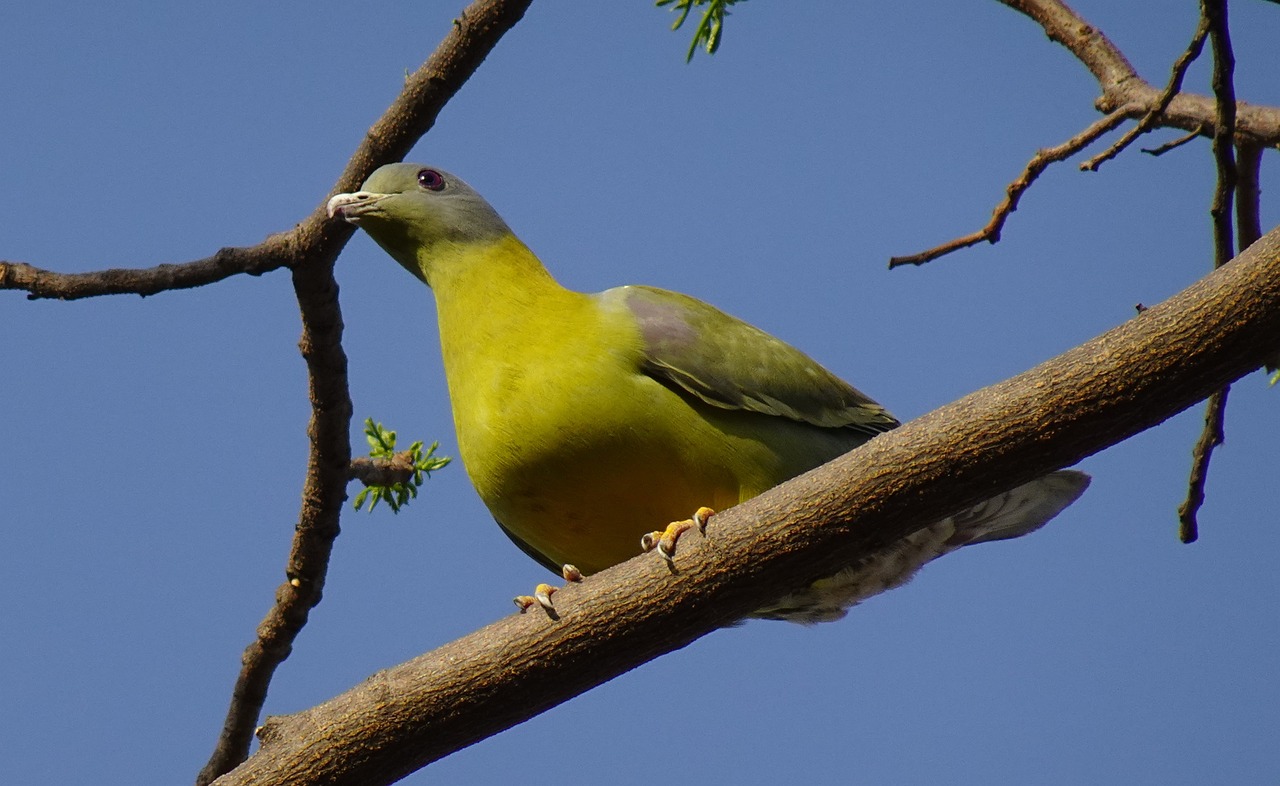
The King pigeon, known as 'حمام كنجي' in Arabic, has become a highly sought-after breed in the Gulf market, captivating enthusiasts with its unique characteristics and cultural significance. This article delves into the specifications that make this pigeon a standout choice, exploring its origins, physical traits, and the booming demand in regions like Saudi Arabia and the UAE. Whether you're a seasoned breeder or a newcomer, understanding these aspects can enhance your appreciation and success in pigeon keeping.
Origins and Historical Background of the King Pigeon
The King pigeon boasts a rich history that traces back to selective breeding efforts aimed at creating a robust and aesthetically pleasing bird. Originally developed in the United States, it has been adapted and embraced in the Gulf region, where it aligns with local traditions of pigeon fancying. This section explores how the breed evolved and its journey to becoming a staple in Arabian pigeon strains.
Development and Global Spread
The King pigeon was first bred in the early 20th century, primarily for utility purposes such as meat production, but its striking appearance soon made it a favorite among fanciers. Through careful selection, breeders enhanced traits like size and temperament, leading to its global popularity. In the Gulf, it was introduced via trade routes and quickly integrated into local aviaries, benefiting from the region's warm climate and rich aviculture heritage. Today, it represents a blend of international breeding standards and Arabian preferences, making it a versatile choice for various purposes.
As the breed spread, it underwent minor adaptations to suit Gulf conditions, such as improved heat tolerance. This historical context underscores why the King pigeon is not just a bird but a symbol of cross-cultural exchange in pigeon breeding. Understanding its origins helps breeders appreciate the genetic diversity and potential for further refinement in the السوق الخليجي.
Cultural Significance in the Gulf
In the Gulf countries, pigeon keeping is more than a hobby; it's a cherished tradition that dates back centuries, often associated with hospitality and status. The King pigeon fits seamlessly into this culture due to its majestic appearance and calm demeanor, making it a popular choice for shows and private collections. Its presence in events like pigeon competitions highlights its role in fostering community bonds and preserving heritage.
Moreover, the demand for حمام كنجي in the Gulf is driven by its symbolic value, representing elegance and prosperity. Many enthusiasts view breeding these pigeons as a way to connect with their roots while embracing modern aviculture techniques. This cultural embrace has fueled a vibrant market, where quality birds command high prices and are often featured in social gatherings.
Physical Characteristics and Breed Standards
Understanding the physical attributes of the King pigeon is crucial for breeders aiming to maintain or improve stock quality. This section details the breed's distinctive features, from size and color to structural integrity, which are key factors in its appeal in the السوق الخليجي.
Size, Weight, and Body Structure
The King pigeon is renowned for its large, muscular build, typically weighing between 800 grams to 1.2 kilograms, with a broad chest and strong wings that support its substantial frame. Its body is compact and well-proportioned, featuring a short, stout beak and powerful legs that contribute to its overall robustness. These physical traits make it not only visually impressive but also highly functional for breeding and exhibition purposes.
In the Gulf market, breeders prioritize birds that meet these standards, as size often correlates with health and breeding potential. Regular assessments of weight and structure are essential to ensure the pigeons thrive in local environments. By focusing on these aspects, enthusiasts can produce offspring that excel in both form and function, enhancing the breed's reputation in the region.
Color Variations and Plumage Quality
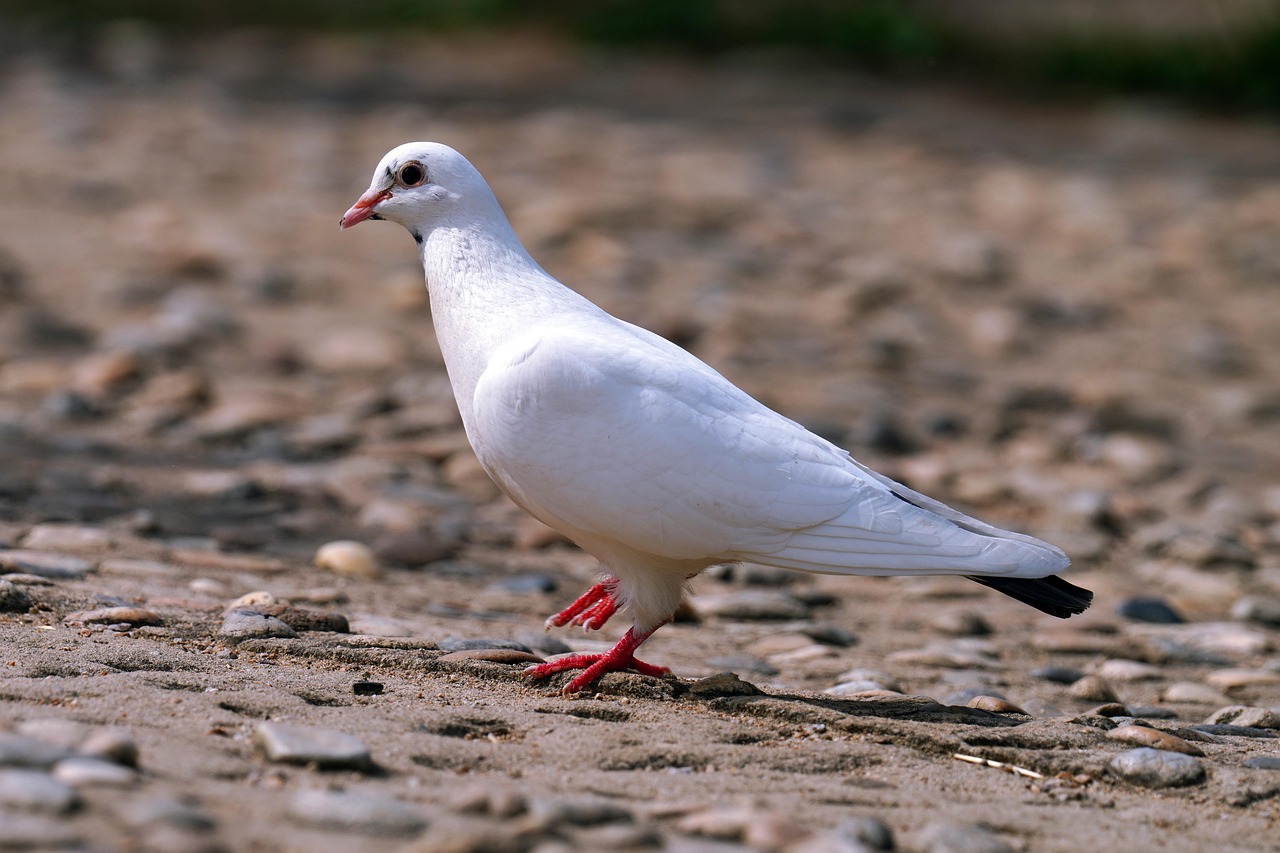
King pigeons exhibit a wide range of color patterns, including solid whites, blues, reds, and mottled combinations, each adding to their aesthetic appeal. The plumage is typically dense and smooth, providing insulation and contributing to their regal appearance. High-quality feathers are a sign of good health and proper nutrition, which are vital for maintaining the breed's standards in competitive settings.
In the السوق الخليجي, specific color variants may be more popular due to cultural preferences or trends. For instance, pure white pigeons are often associated with purity and are in high demand for ceremonial events. Breeders should aim for vibrant, consistent coloring through selective pairing and adequate care, as this can significantly impact the bird's market value and desirability among collectors.
Behavioral Traits and Temperament
The King pigeon's behavior plays a significant role in its suitability for various environments, from backyard lofts to commercial setups. This section explores its temperament, social interactions, and adaptability, which are essential for successful integration into Gulf-based aviaries.
Docility and Handling Ease
One of the most appealing aspects of the King pigeon is its calm and docile nature, making it easy to handle and ideal for beginners and experts alike. These birds are generally non-aggressive and can coexist peacefully with other pigeons, reducing the risk of conflicts in communal lofts. Their gentle demeanor also makes them suitable for interactive experiences, such as petting or training, which is a growing trend in the Gulf region.
This temperament is particularly valuable in the السوق الخليجي, where pigeon keeping often involves family participation and social displays. By emphasizing handling ease, breeders can attract a wider audience, including those new to the hobby. Proper socialization from a young age ensures that these pigeons remain friendly and manageable, enhancing their overall appeal and longevity.
Breeding and Parental Instincts
King pigeons are known for their strong parental instincts, often exhibiting excellent care for their chicks, which contributes to high survival rates in breeding programs. They tend to be prolific breeders, with pairs capable of producing multiple clutches per year under optimal conditions. This reliability makes them a dependable choice for enthusiasts looking to expand their flocks or enter the commercial market.
In the context of the Gulf, where breeding success is closely tied to cultural and economic factors, understanding these instincts is key. Breeders should provide nesting boxes and a stress-free environment to encourage natural behaviors. By leveraging the King pigeon's breeding prowess, one can tap into the growing demand for حمام كنجي, ensuring a steady supply of quality birds for the local market.
Health and Care Requirements
Maintaining the health of King pigeons is paramount for their well-being and performance, especially in the demanding Gulf climate. This section covers essential care practices, from diet and housing to common health issues, providing actionable insights for breeders.
Diet and Nutritional Needs
A balanced diet is crucial for King pigeons, consisting of high-quality grains, seeds, and supplements to support their large size and energy demands. Key components include corn, wheat, peas, and grit for digestion, along with occasional protein sources like legumes. In the Gulf, where temperatures can soar, ensuring access to fresh water and electrolytes helps prevent dehydration and supports overall vitality.
Breeders in the السوق الخليجي should tailor feeding regimens to local conditions, perhaps incorporating date-based supplements for added nutrition. Regular monitoring of weight and condition can prevent obesity or deficiencies, common issues in captive birds. By adhering to these dietary guidelines, enthusiasts can promote robust health and enhance the breed's appeal in competitive and commercial settings.
Housing and Environmental Management
Proper housing for King pigeons involves spacious, well-ventilated lofts that protect them from extreme weather, predators, and diseases. In the Gulf, where heat and humidity are concerns, features like shade, insulation, and cooling systems are essential. Lofts should include perches, nesting areas, and clean bedding to mimic natural habitats and reduce stress.
Additionally, regular cleaning and disinfection prevent outbreaks of common ailments like respiratory infections or parasites. For those in the السوق الخليجي, investing in quality infrastructure can pay off by improving breeding outcomes and bird longevity. By prioritizing environmental management, breeders ensure their حمام كنجي thrive, meeting the high standards expected in this vibrant market.
Market Dynamics and Economic Aspects
The demand for King pigeons in the Gulf is influenced by various economic factors, from pricing trends to breeding opportunities. This section analyzes the market dynamics, helping readers navigate the commercial landscape and capitalize on opportunities.
Pricing and Valuation Factors
In the السوق الخليجي, the price of a King pigeon can vary widely based on factors like age, color, lineage, and overall health, with premium birds fetching hundreds or even thousands of dollars. Rare color mutations or birds from champion bloodlines often command higher prices, reflecting their desirability among collectors and breeders. Understanding these valuation criteria allows enthusiasts to make informed purchases or sales.
Market trends show that demand for حمام كنجي remains strong, driven by cultural events and growing interest in pigeon fancying. By staying updated on pricing fluctuations, breeders can optimize their breeding programs for profitability. This economic insight is vital for anyone looking to engage seriously in the pigeon trade, ensuring they invest in birds that offer the best returns.
Breeding for Profit and Sustainability
Breeding King pigeons can be a lucrative venture in the Gulf, provided one focuses on quality and sustainability. Key strategies include selective breeding to enhance desirable traits, maintaining genetic diversity, and adhering to ethical practices. This not only boosts profitability but also supports the long-term health of the breed in the region.
In the السوق الخليجي, opportunities abound for selling birds locally or exporting to neighboring countries. Breeders should consider factors like market demand and competition when planning their operations. By emphasizing sustainable practices, such as avoiding overbreeding and promoting bird welfare, one can build a reputable business that contributes to the thriving pigeon community.
Conclusion
In summary, the King pigeon's appeal in the Gulf market stems from its impressive physical traits, gentle temperament, and cultural relevance. By focusing on proper care, breeding, and market strategies, enthusiasts can fully leverage the potential of حمام كنجي. For those seeking expert guidance in managing their pigeon endeavors, consider reaching out to Ghawy – Pigeon Manager (غاوي – إدارة الحمام) for personalized support and resources.