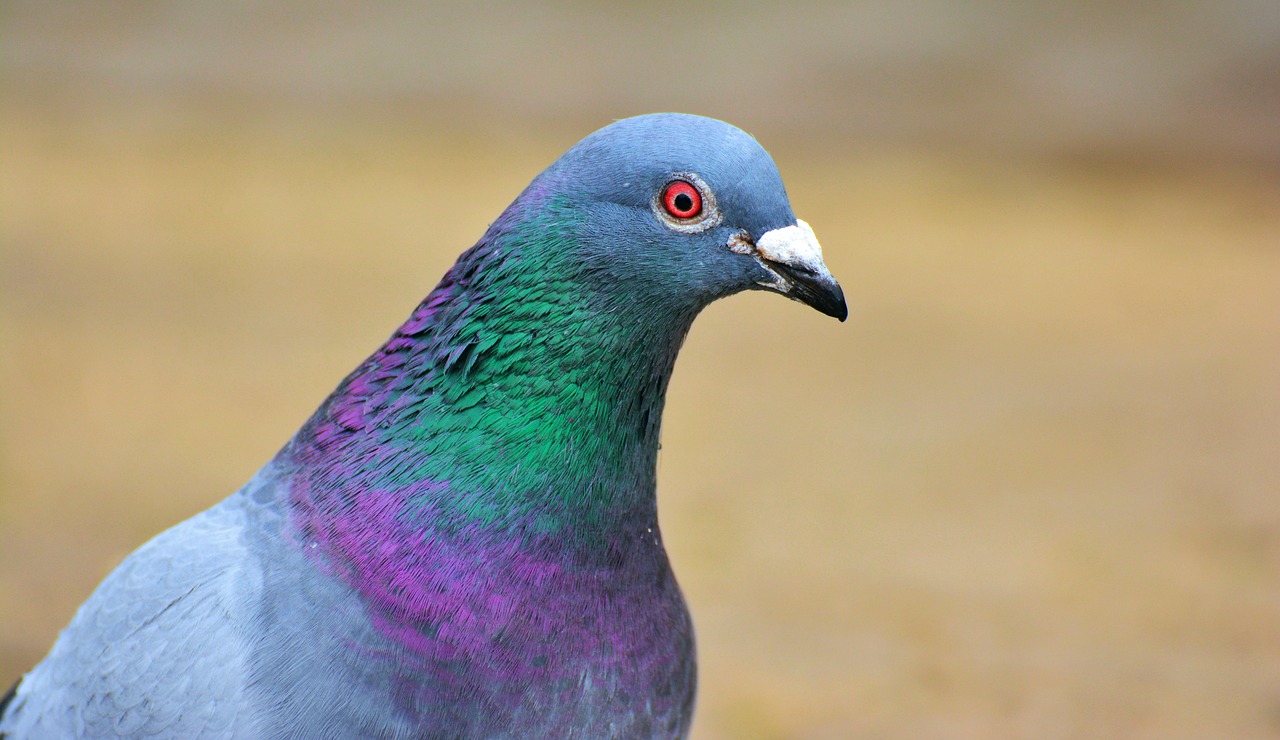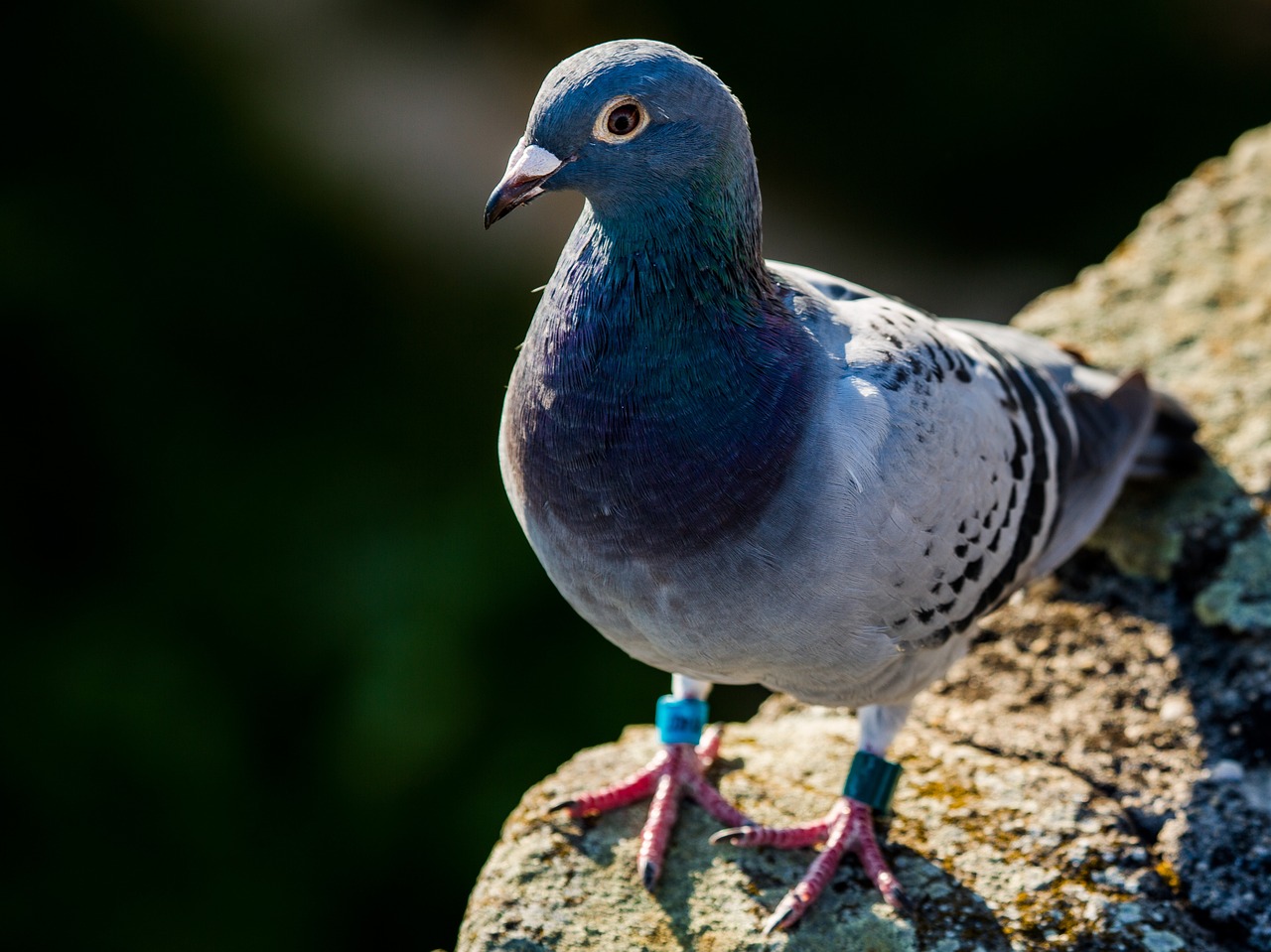
Rare pigeon breeds captivate enthusiasts with their unique beauty, but showcasing them effectively requires the right equipment. From the show cage setup to strategic lighting for pigeons, every detail matters in highlighting their elegance and rarity. This guide explores professional tools and techniques to make your birds stand out in any exhibition.
Choosing the Perfect Show Cage Setup
A well-designed show cage setup is the foundation for presenting rare pigeon breeds. It not only ensures the birds' comfort and safety but also enhances their visual appeal. Investing in high-quality cages can make a significant difference in competitions and displays.
Key Features of an Ideal Cage
An ideal show cage setup should prioritize durability, visibility, and bird welfare. Look for cages made from non-toxic materials like stainless steel or powder-coated wire, which resist corrosion and are easy to clean. The spacing between bars must be narrow enough to prevent escapes while allowing ample airflow. Additionally, consider cages with removable perches and feeding trays to simplify maintenance and reduce stress during handling. A spacious interior gives pigeons room to move naturally, showcasing their posture and grace without confinement issues.
Beyond basic structure, customization options can elevate your setup. Adjustable dividers allow you to modify the cage layout for different breeds or group displays. Smooth, rounded edges prevent injuries, and secure locking mechanisms ensure the birds remain safe during transport or public events. For rare breeds, which may have specific needs, opt for cages with modular designs that can be adapted as your collection grows. Remember, a thoughtful show cage setup not only protects your pigeons but also frames them as the stars of the show.
Materials and Durability Considerations
Selecting the right materials for your show cage setup is crucial for longevity and bird health. Stainless steel is a top choice due to its resistance to rust and ease of sterilization, making it ideal for frequent use in humid or outdoor settings. Powder-coated finishes add an extra layer of protection against scratches and fading, while also offering aesthetic options like neutral colors that don't distract from the birds. Avoid materials that can harbor bacteria or cause allergic reactions, such as certain plastics or untreated woods.
Durability goes hand-in-hand with portability, especially if you attend multiple shows. Lightweight yet sturdy frames made from aluminum alloys can withstand travel without compromising security. Check for reinforced joints and hinges, as these areas are prone to wear over time. For breeders focusing on rare pigeons, investing in premium materials might have a higher upfront cost but pays off in reduced replacements and better presentation. Ultimately, a robust show cage setup ensures your birds are displayed in a safe, professional environment that highlights their rarity.
Optimizing Lighting for Pigeons in Displays
Proper lighting for pigeons is essential to accentuate their plumage, color variations, and unique features. It can transform an ordinary display into a captivating showcase, drawing attention to the subtle details that make rare breeds special. Understanding how to use light effectively will set your presentation apart.
Types of Lighting and Their Effects
Different types of lighting can dramatically alter how pigeons are perceived. Natural daylight is often preferred for its ability to reveal true colors, but it's not always controllable. For indoor shows, LED lights with adjustable color temperatures (e.g., warm to cool white) mimic natural conditions and reduce heat buildup, which is vital for bird comfort. Spotlights can be used to highlight specific areas, such as iridescent feathers or distinctive markings, creating focal points that guide viewers' eyes. Avoid harsh, direct lights that cause glare or stress; instead, opt for diffused lighting that provides even illumination across the cage.
The effects of lighting extend beyond visibility—it influences mood and perception. Soft, ambient lighting can make pigeons appear more serene and elegant, while brighter lights might enhance vibrancy in colorful breeds. For rare pigeons with intricate patterns, consider using directional lights to cast subtle shadows that add depth and dimension. Experiment with angles and intensities during setup to find the perfect balance. Remember, the goal is to use lighting for pigeons in a way that complements their natural beauty without overwhelming the audience or the birds themselves.
Placement and Intensity Strategies
Strategic placement of lights is key to an effective display. Position fixtures above or to the sides of the show cage setup to avoid casting shadows that obscure details. Overhead lighting should be evenly distributed to prevent hot spots, while side lighting can emphasize texture and form. Use dimmers to adjust intensity based on the environment; for example, lower settings might be better for shy breeds to reduce stress. In larger exhibitions, consider layering lights—background lighting for overall ambiance and focused lights for specific birds—to create a dynamic, engaging scene.
Intensity management also involves considering the pigeons' well-being. Bright lights can cause discomfort or even health issues if used excessively. Aim for a luminance level that highlights features without causing squinting or agitation. For breeds with sensitive eyes, such as albino pigeons, use softer, indirect lighting. Additionally, incorporate timers to simulate natural day-night cycles if displays last for extended periods. By thoughtfully planning the placement and intensity of lighting for pigeons, you ensure that your rare breeds are shown in their best light, literally and figuratively.
Enhancing Visual Appeal with Backgrounds and Accessories
Backgrounds and accessories play a supportive role in showcasing rare pigeon breeds, adding context and elegance to the display. They should complement the birds without stealing the spotlight, creating a cohesive and professional presentation.
Selecting Complementary Backgrounds
Choosing the right background can make pigeon colors and patterns pop. Neutral tones like beige, gray, or soft green work well as they don't clash with plumage and provide a clean canvas. Avoid busy patterns or bright colors that might distract from the birds. For themed shows, subtle textures or gradients can add depth without overwhelming the scene. Fabric backgrounds are popular for their ease of installation and ability to absorb light, reducing reflections that could detract from the pigeons' appearance.
Incorporate backgrounds that align with the breed's origin or characteristics. For example, a rustic wood backdrop might suit heritage breeds, while a sleek, modern design could highlight contemporary varieties. Ensure the material is non-reflective and easy to clean, as dust or stains can undermine the overall effect. During setup, test different backgrounds under your lighting for pigeons to see how they interact. A well-chosen background not only enhances visual appeal but also tells a story about the rarity and uniqueness of your pigeons.
Using Accessories to Highlight Features
Accessories should be minimal and functional, serving to emphasize the pigeons' attributes rather than overshadow them. Perches of varying heights and materials can encourage natural poses, showcasing posture and movement. Choose perches that match the cage's aesthetics—for instance, natural branches for a rustic look or polished dowels for a sleek display. Feeding and water containers should be discreet, perhaps in colors that blend with the background, to maintain focus on the birds.
- Incorporate small, decorative elements like faux plants or rocks to simulate a natural habitat, but keep them sparse to avoid clutter.
- Use signage with breed information to educate viewers, placing it where it doesn't obstruct the view.
- Consider temperature-controlled accessories for sensitive breeds, ensuring they remain comfortable during long exhibitions.
When selecting accessories, prioritize safety and hygiene. All items should be easy to sanitize and free of sharp edges. For rare pigeons, which might have specific behavioral traits, accessories that encourage natural behaviors—like preening or perching—can make the display more dynamic. Ultimately, the goal is to use accessories to frame the pigeons in a way that highlights their beauty and rarity, making the show cage setup a true showcase of artistry.
Maintaining Health and Comfort During Exhibitions
Ensuring the health and comfort of rare pigeon breeds during displays is paramount, as stress or discomfort can detract from their appearance and well-being. A holistic approach that integrates the show cage setup and environmental factors will keep your birds in top condition.
Temperature and Humidity Control
Maintaining optimal temperature and humidity levels is crucial for pigeon health, especially in enclosed spaces like exhibition halls. Aim for a temperature range of 65-75°F (18-24°C), as extremes can cause stress or respiratory issues. Use portable heaters or fans if necessary, but avoid direct airflow on the birds. Humidity should be kept between 40-60% to prevent feather problems and ensure comfort. In dry environments, a small humidifier can help, while dehumidifiers are useful in damp conditions. Monitor these factors regularly with digital gauges, adjusting as needed based on the pigeons' behavior—signs of panting or fluffing feathers indicate discomfort.
Integrate climate control into your show cage setup by choosing materials that insulate well and allow for ventilation. For example, cages with mesh sides promote airflow, reducing the risk of overheating. If using lighting for pigeons, select energy-efficient options that emit minimal heat. During transport, pre-condition the vehicle to avoid sudden temperature shifts. By prioritizing a stable environment, you not only protect your rare breeds but also ensure they look their best, with vibrant feathers and alert demeanors that impress judges and spectators alike.
Stress Reduction Techniques
Reducing stress is key to maintaining pigeon well-being during exhibitions. Start by acclimating birds to the show cage setup well in advance, allowing them to become familiar with the space and reduce anxiety. Limit handling to essential moments, and use calm, slow movements to avoid startling them. Provide hiding spots or visual barriers within the cage, such as small partitions, to give shy breeds a sense of security. Background noise should be minimized, or use soft, ambient sounds to mask disruptive noises from crowds.
Nutrition and hydration play a role in stress management. Offer fresh water and familiar foods in accessible containers, and avoid dietary changes close to show dates. For longer events, schedule quiet periods where lighting is dimmed and activity around the cage is reduced. Observing pigeon behavior—like reduced vocalization or lethargy—can alert you to stress early. By implementing these techniques, you create a low-stress environment that allows rare pigeons to exhibit their natural beauty confidently, making your display both ethical and effective.
Advanced Techniques for Professional Presentations
Taking your pigeon displays to the next level involves advanced strategies that combine aesthetics, technology, and expert knowledge. These techniques can make your presentation stand out in competitive settings.
Incorporating Technology and Automation
Technology can enhance the efficiency and impact of your displays. Automated systems for lighting for pigeons allow you to program changes in intensity and color throughout the day, simulating natural cycles and keeping the presentation dynamic. Use timers to coordinate light shifts with peak viewing times, ensuring your birds are always shown in optimal conditions. Digital displays or tablets can provide interactive breed information, engaging viewers without physical clutter. For sound, consider subtle background music or recorded pigeon calls to create an immersive experience, but keep volumes low to avoid stress.
Automation also extends to environmental controls. Smart sensors can monitor temperature, humidity, and air quality, sending alerts if levels deviate from the ideal range. Integrate these with your show cage setup for seamless adjustments, reducing the need for constant manual checks. In larger exhibitions, wireless controls allow you to manage multiple cages from a central point. While technology adds a modern touch, ensure it doesn't overshadow the pigeons—the focus should remain on their rarity and beauty. By leveraging these tools, you demonstrate a professional approach that appeals to both enthusiasts and judges.
Storytelling and Thematic Displays
Creating a narrative around your rare pigeon breeds can captivate audiences and make your display memorable. Develop themes based on the breed's history, such as a "Heritage Revival" for old-world varieties or "Modern Elegance" for contemporary breeds. Use backgrounds, accessories, and lighting to reinforce the theme—for example, vintage props for historical contexts or minimalist designs for modern aesthetics. Incorporate descriptive labels that share fun facts or conservation efforts related to the birds, educating viewers while highlighting their uniqueness.
Storytelling should be subtle and integrated into the overall presentation. Arrange pigeons in groups that tell a visual story, such as showing color progression or family lineages. During setup, consider the flow of the display, guiding viewers' eyes from one highlight to the next. For instance, start with a striking individual under focused lighting, then move to a group in a softer setting. This approach not only showcases the birds but also engages emotions, making people more likely to remember and appreciate your efforts. By blending creativity with expertise, you turn a simple exhibition into an unforgettable experience.
Conclusion
Mastering the art of showcasing rare pigeon breeds involves a blend of the right show cage setup, effective lighting for pigeons, and thoughtful accessories. By prioritizing bird health, using advanced techniques, and creating engaging displays, you can highlight the unique beauty of these birds. For further guidance on managing your pigeon collection, explore resources from Ghawy – Pigeon Manager, where expert tips await to help you excel in your passion.