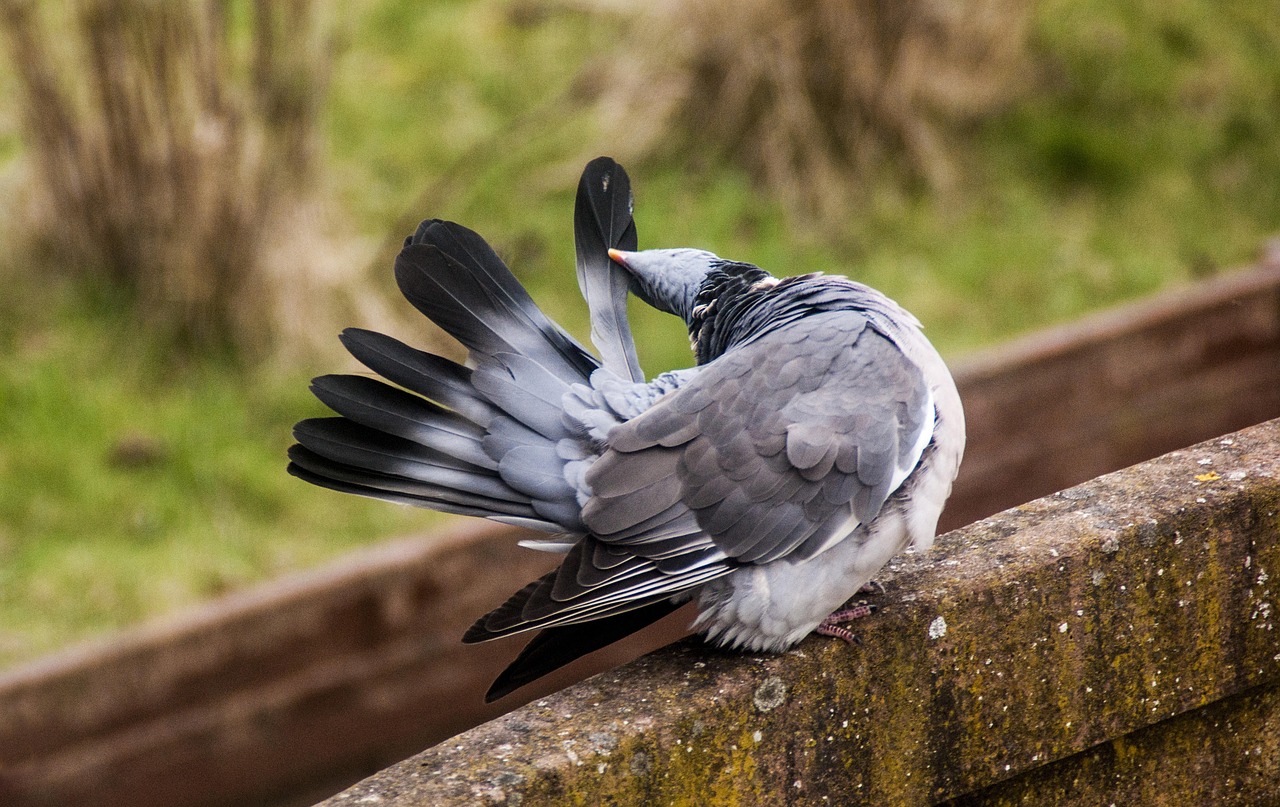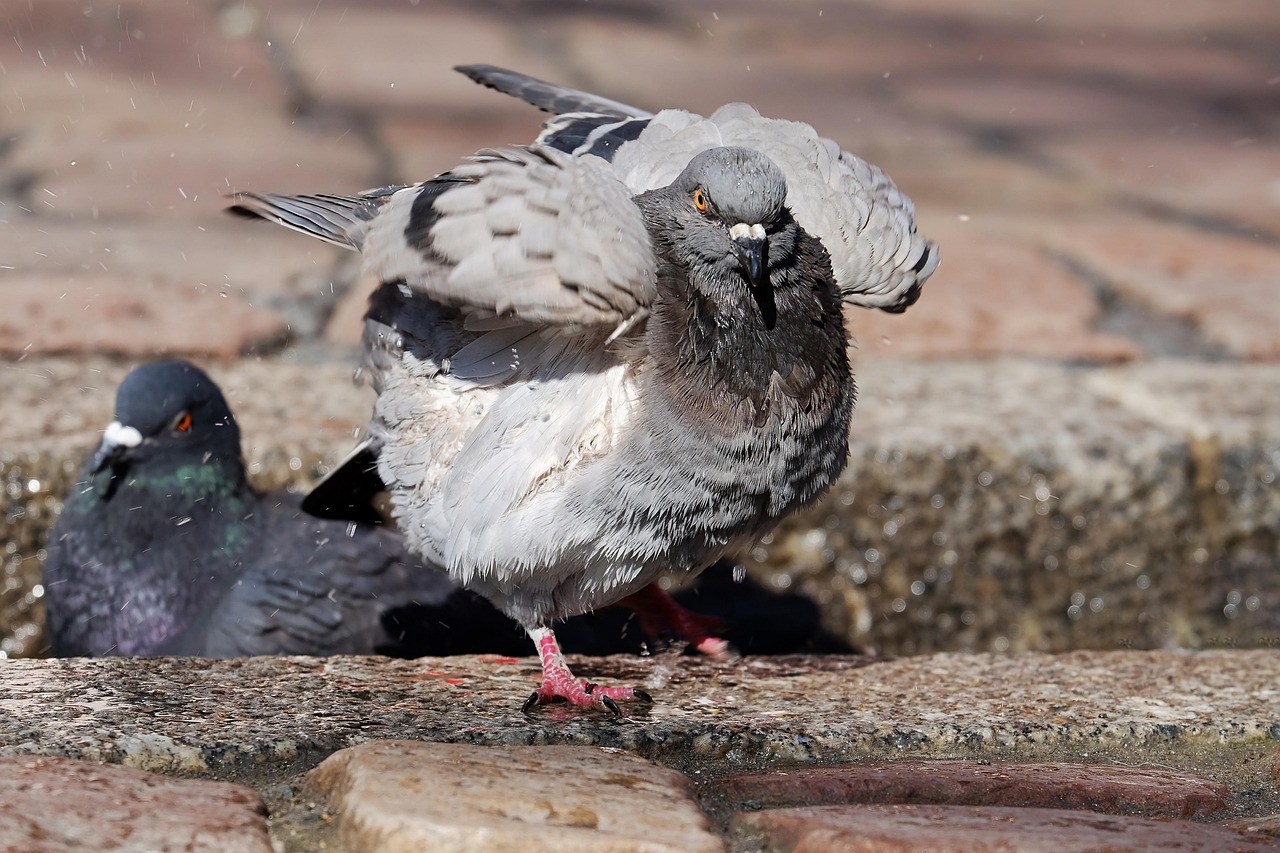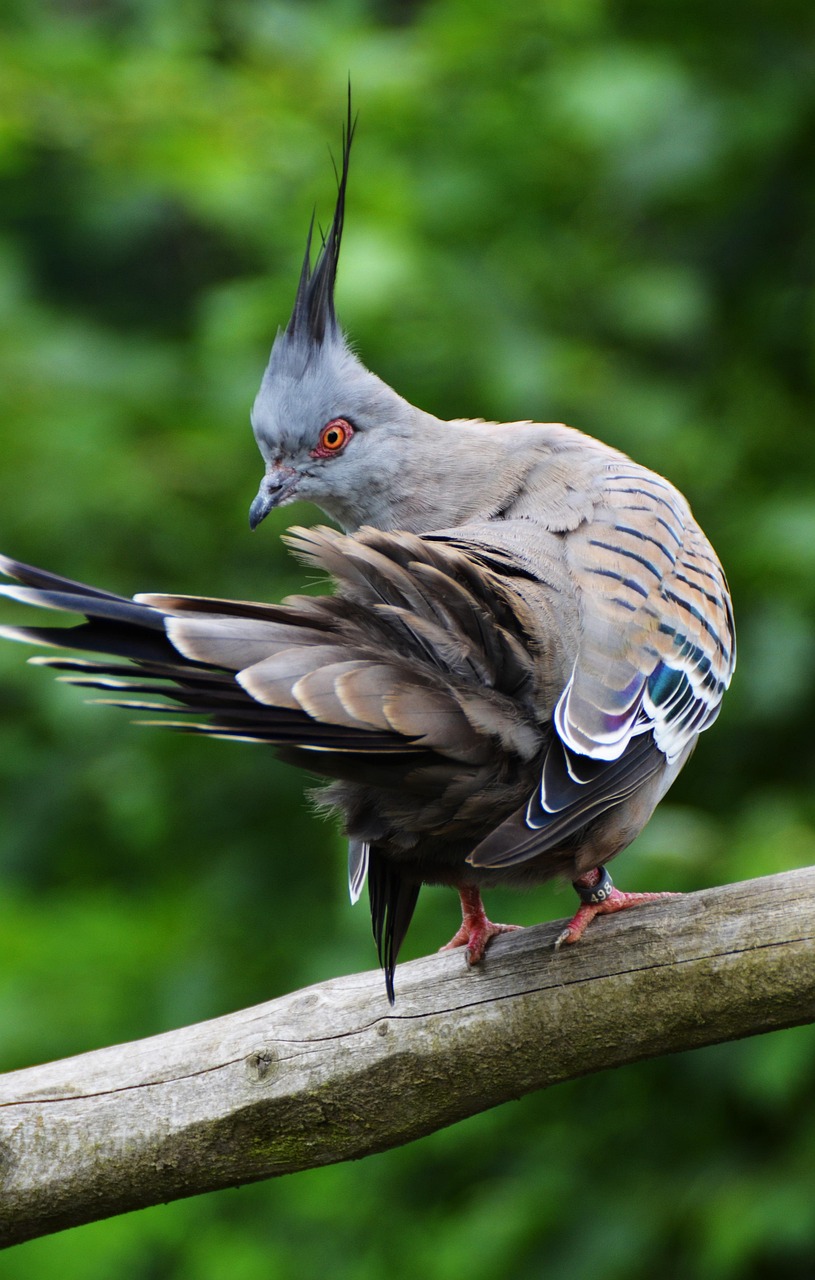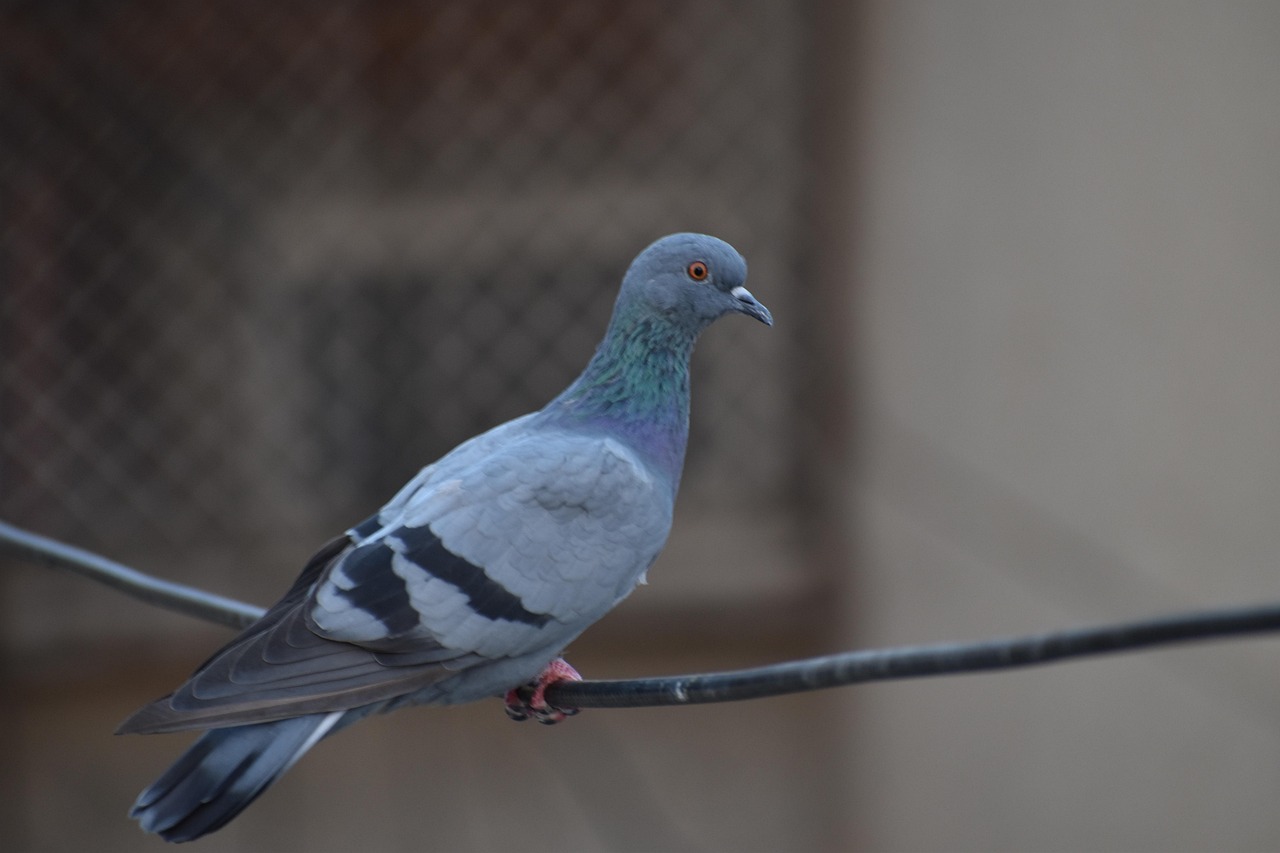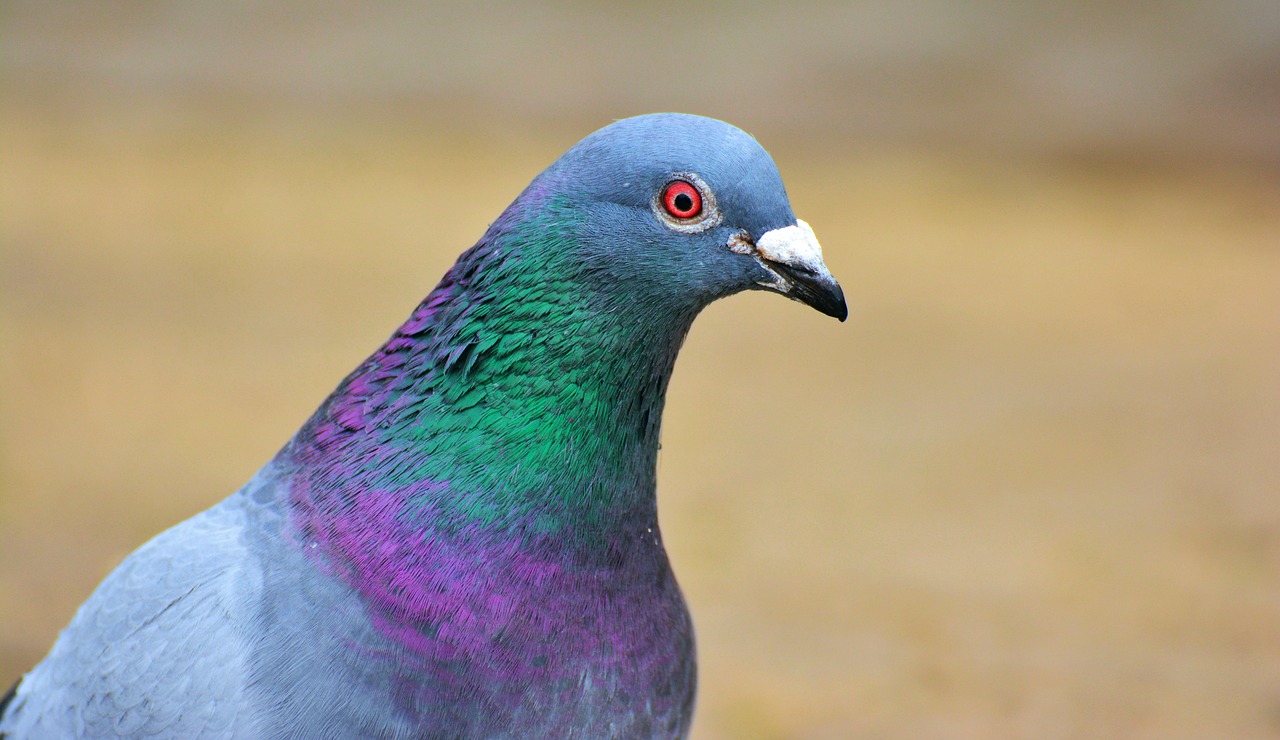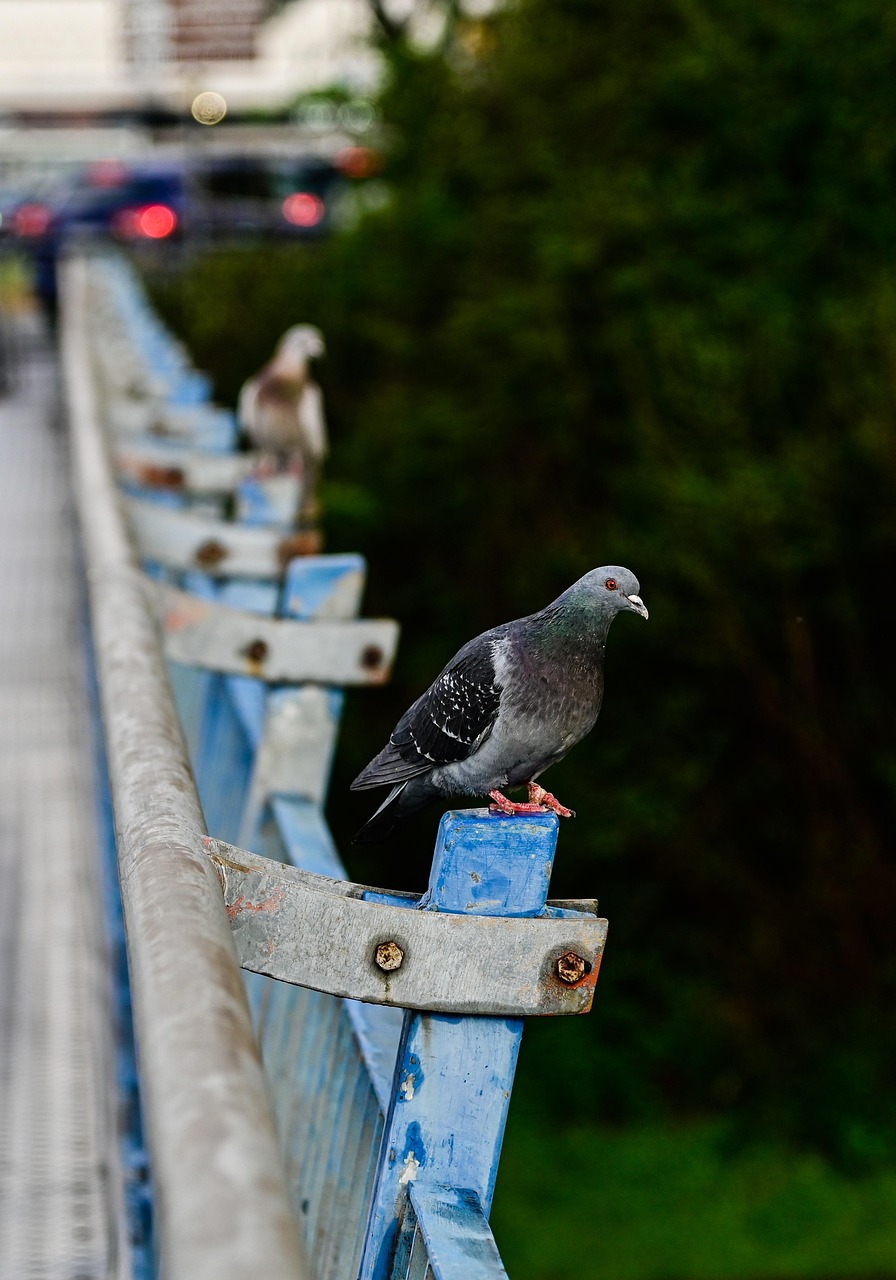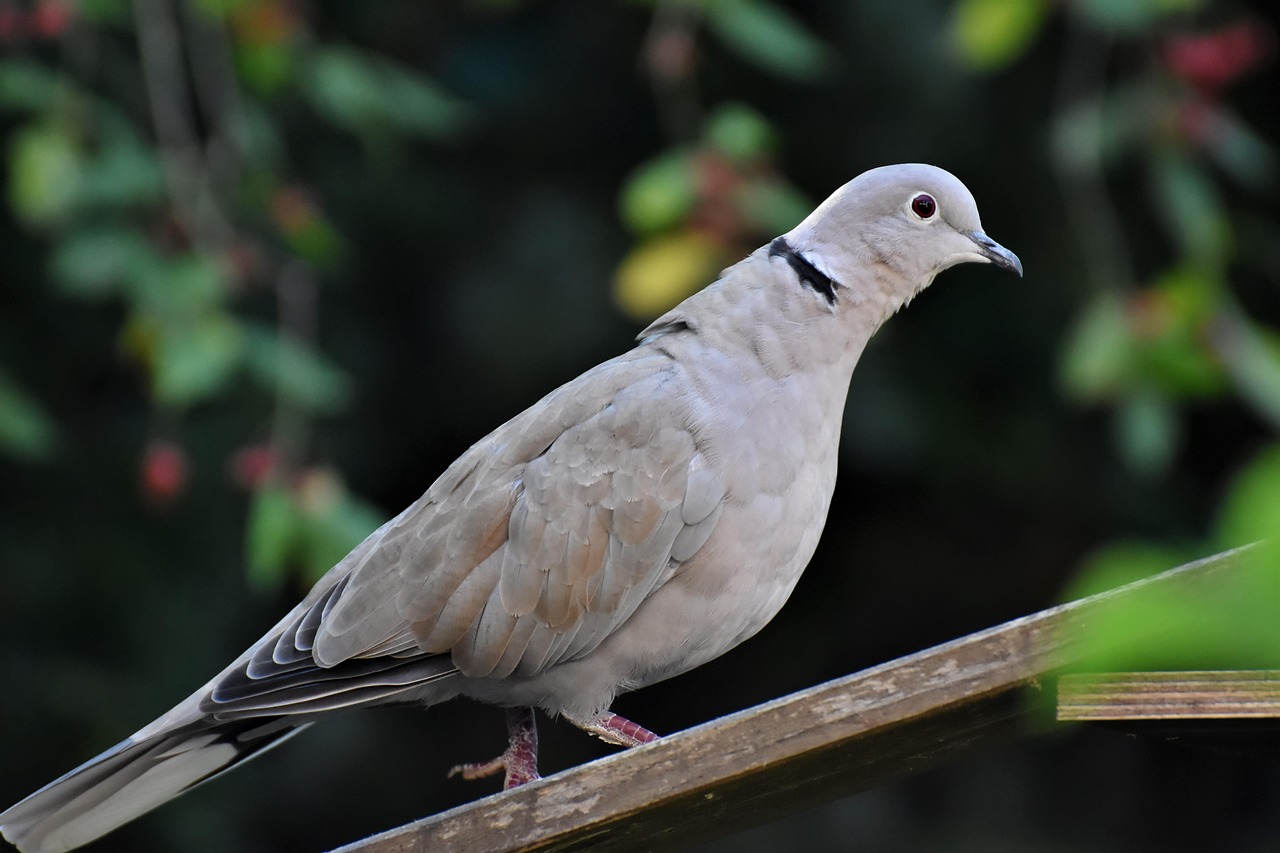
In the world of pigeon shows, exceptional photography can dramatically increase your bird's market value by highlighting its best features. This guide explores how to master pigeon photography and show presentation techniques to make your pigeons stand out. By focusing on key aspects like lighting and composition, you can create stunning images that captivate judges and buyers alike.
Essential Equipment for Pigeon Photography
To start with pigeon photography, you need the right tools to capture high-quality images that showcase your birds in the best light. Investing in good equipment ensures clarity and detail, which are crucial for show presentations. This section covers the basics, from cameras to accessories, to help you get started without breaking the bank.
Choosing the Right Camera
Selecting the perfect camera is the first step in pigeon photography. A DSLR or mirrorless camera with manual controls allows you to adjust settings like aperture and shutter speed for crisp shots. For beginners, a camera with a good autofocus system can make it easier to capture fast-moving pigeons. Consider factors like sensor size and lens compatibility to ensure versatility in different shooting conditions.
Additionally, investing in a camera with high resolution ensures that fine details, such as feather patterns and eye clarity, are preserved. This is vital for show presentations where every aspect of the pigeon is scrutinized. Don't forget to test different models to find one that feels comfortable in your hands, as this can improve your overall photography experience.
Must-Have Accessories
Accessories can elevate your pigeon photography from good to great. A sturdy tripod is essential for stable shots, especially in low-light conditions or when using telephoto lenses. Reflectors and diffusers help manage lighting, reducing harsh shadows that can obscure your pigeon's features. These tools are affordable and easy to use, making them ideal for enthusiasts at any level.
Other useful items include extra memory cards and batteries to avoid missing shots during long sessions. A remote shutter release can minimize camera shake, ensuring sharper images. By incorporating these accessories, you enhance your ability to produce professional-quality photos that boost your pigeon's appeal in shows.
Mastering Lighting Techniques
Lighting is a critical element in pigeon photography, as it can make or break your images. Proper lighting highlights the pigeon's colors, textures, and form, making it more attractive in show presentations. This section delves into natural and artificial lighting methods to help you achieve the best results.
Utilizing Natural Light
Natural light is often the most flattering for pigeon photography, providing soft, even illumination that enhances details. Shoot during the golden hours—early morning or late afternoon—when the light is warm and diffused. Position your pigeon so that the light comes from the side or front to avoid harsh shadows. This approach brings out the vibrancy of feathers and adds depth to your photos.
However, be mindful of overcast days, which can create flat lighting; use a reflector to bounce light and add contrast. Experiment with different angles to see how light interacts with your pigeon's features. By mastering natural light, you can create images that look authentic and appealing, perfect for show presentations.
Setting Up Artificial Lighting
When natural light isn't sufficient, artificial lighting setups offer control and consistency. Use softboxes or umbrella lights to create a soft, even glow that minimizes glare and shadows. Start with a basic two-light setup: one as the key light and another as a fill light to balance the exposure. This method ensures that your pigeon's details are clearly visible, which is essential for judging in shows.
Adjust the intensity and color temperature of your lights to match the pigeon's natural hues. For example, warmer lights can enhance red or brown feathers. Practice with different configurations to find what works best for your specific breed. With artificial lighting, you can shoot anytime and achieve professional results that elevate your pigeon's market value.
Composition and Framing Strategies
Good composition is key to creating engaging pigeon photos that tell a story and highlight your bird's strengths. By applying principles like the rule of thirds and leading lines, you can guide the viewer's eye to the most important features. This section covers techniques to improve your framing for better show presentations.
Applying the Rule of Thirds
The rule of thirds involves dividing your frame into a grid and placing key elements at the intersections. For pigeon photography, position the bird's eye or head at one of these points to create a balanced and dynamic image. This technique draws attention to the pigeon's expression and posture, making the photo more compelling for show judges.
Additionally, use negative space around the pigeon to emphasize its form and avoid clutter. This approach works well in portfolio shots where the focus is solely on the bird. Experiment with different crops in post-processing to refine the composition. By mastering this rule, you enhance the visual appeal of your photos, boosting their impact in presentations.
Using Angles and Perspectives
Varying angles and perspectives can reveal unique aspects of your pigeon that might go unnoticed. Shoot from a low angle to make the bird appear more majestic and dominant, ideal for highlighting stature in shows. Alternatively, try overhead shots to showcase symmetry and feather patterns. Changing perspectives adds variety to your photo collection and keeps viewers engaged.
Consider the background when framing your shots; a simple, uncluttered backdrop ensures the pigeon remains the focal point. Use a shallow depth of field to blur the background and make the bird pop. Practice with different lenses to achieve the desired effect. These strategies help create diverse and attractive images that stand out in competitive environments.
Preparing Pigeons for the Shoot
Before any photography session, proper preparation of your pigeon is essential to ensure it looks its best. This involves grooming, handling, and creating a comfortable environment to reduce stress. A well-prepared pigeon not only photographs better but also performs better in show presentations.
Grooming and Cleaning Tips
Start by gently cleaning your pigeon's feathers with a soft brush or cloth to remove dust and debris. Pay attention to areas like the beak, eyes, and feet, as cleanliness enhances overall appearance. For shows, consider using bird-safe products to add shine to feathers, but avoid overhandling to prevent stress. A clean, well-groomed pigeon reflects care and dedication, impressing judges and buyers.
Trim any overgrown nails or feathers if necessary, but consult a vet for guidance to avoid injury. Regular grooming sessions help your pigeon become accustomed to handling, making photography easier. By maintaining your bird's condition, you ensure that every photo captures its true potential, increasing its market value.
Handling and Posing Techniques
Handling your pigeon calmly and confidently is crucial for successful photography. Use gentle holds to position the bird, supporting its body to prevent discomfort. Encourage natural poses by observing its behavior; for example, capture it when it's alert and poised. This approach results in authentic images that showcase the pigeon's personality and breed standards.
If your pigeon is nervous, take breaks and use treats to build trust. Practice posing in a familiar setting to reduce anxiety. Over time, your pigeon will become more cooperative, allowing for smoother shoots. Effective handling not only improves photo quality but also strengthens your bond, benefiting overall show presentation.
Post-Processing for Professional Results
Post-processing is the final step in pigeon photography, where you refine images to perfection. Using software like Adobe Lightroom or free alternatives, you can enhance colors, sharpness, and contrast. This section explains basic editing techniques to make your photos shine without overdoing it.
Basic Editing Adjustments
Begin with basic adjustments such as exposure, contrast, and white balance to correct any issues from the shoot. Increase clarity slightly to bring out feather details, but avoid excessive sharpening that can create artifacts. Crop the image to improve composition, ensuring the pigeon is the main focus. These simple edits can transform a good photo into a great one, ready for show presentations.
Use histogram tools to check for balanced lighting and avoid blown-out highlights or crushed shadows. Adjust saturation and vibrance to enhance natural colors without making them look artificial. Save your edits non-destructively to preserve the original file. By mastering these basics, you maintain the integrity of your images while boosting their visual appeal.
Advanced Retouching Tips
For more polished results, delve into advanced retouching like spot removal and selective adjustments. Use healing tools to clean up minor imperfections, such as dust spots or small blemishes, without altering the pigeon's natural features. Apply local adjustments to brighten eyes or enhance specific feather areas, drawing attention to key attributes in shows.
Be cautious not to over-edit, as authenticity is valued in pigeon photography. Practice on copies of your files to experiment safely. With these techniques, you can produce images that look professional and trustworthy, increasing their impact on market value. Remember, the goal is to highlight your pigeon's best qualities, not to create an unrealistic representation.
Show Presentation Strategies
Integrating your photos into show presentations can significantly influence how your pigeon is perceived. This involves creating portfolios, using digital displays, and understanding judging criteria. A strong presentation showcases your pigeon's strengths and tells a compelling story to audiences.
Building a Winning Portfolio
A well-curated portfolio should include a variety of photos that highlight different angles, behaviors, and features of your pigeon. Organize images logically, starting with headshots and moving to full-body shots, to guide the viewer through a visual narrative. Use high-resolution prints or digital slideshows for clarity, ensuring that colors are accurate and details are sharp.
Include brief captions that explain key points, such as breed characteristics or achievements. This adds context and helps judges appreciate your pigeon's qualities. Update your portfolio regularly with new photos to keep it fresh. By presenting a cohesive and professional portfolio, you increase your chances of success in shows and attract potential buyers.
Leveraging Digital Tools
Digital tools like websites, social media, and presentation software can amplify your show presentations. Create online galleries to share your photos widely, using SEO-friendly descriptions with keywords like pigeon photography and show presentation to reach a broader audience. Utilize video clips alongside photos to show your pigeon in motion, adding dynamism to your presentation.
- Use platforms like Instagram to build a following and showcase your work.
- Invest in a good website to host your portfolio and attract inquiries.
- Consider virtual show entries if in-person events are limited.
By embracing digital avenues, you extend your reach and enhance your pigeon's visibility, ultimately boosting its market value. Stay updated with trends to keep your presentations modern and engaging.
Conclusion
Mastering pigeon photography and show presentation is a powerful way to elevate your bird's market value by highlighting its unique qualities through compelling visuals. From choosing the right equipment to perfecting post-processing, each step contributes to creating images that impress judges and buyers. By applying these strategies, you can turn your passion into profit and stand out in competitive shows. For expert guidance and tools to manage your pigeon endeavors, consider reaching out to Ghawy – Pigeon Manager (غاوي – إدارة الحمام) for personalized support.