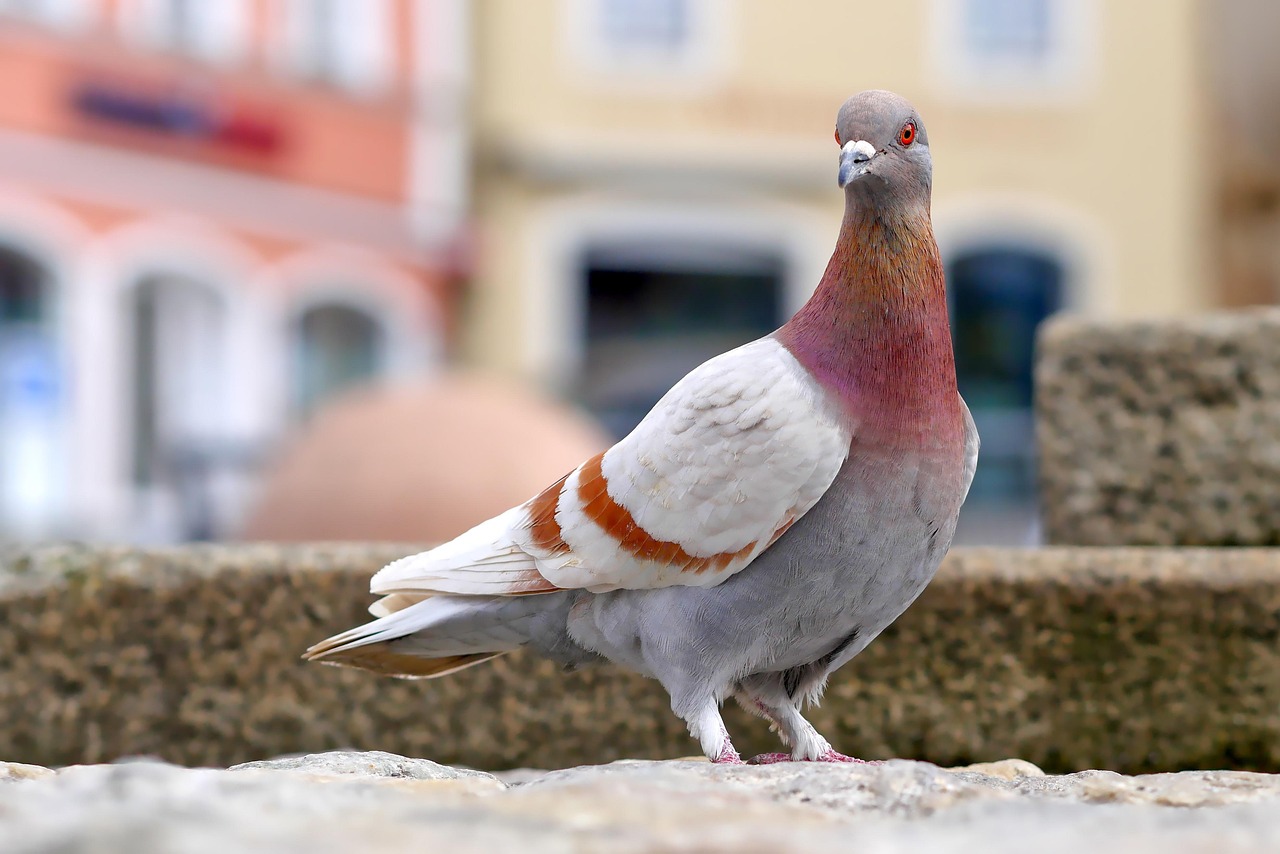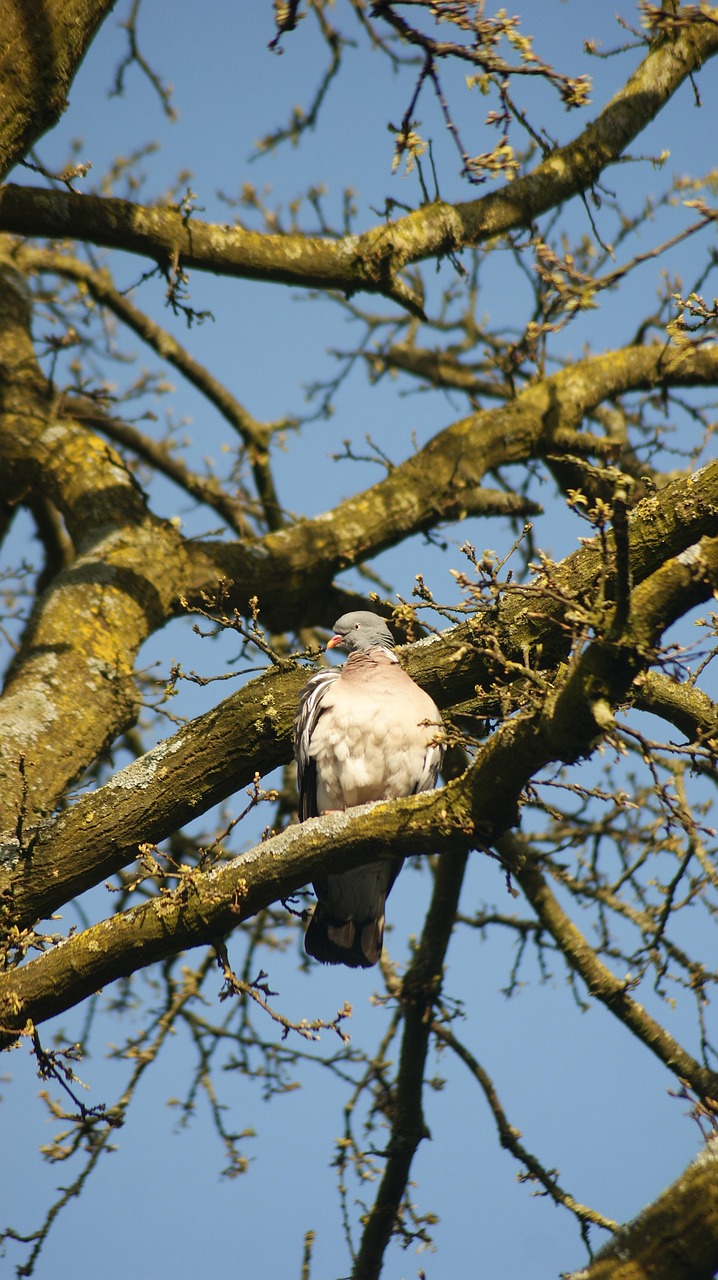
Enhancing the value of ornamental pigeons starts with a deep understanding of shoulder genetics and pigeon morphology improvement. By focusing on these key traits, breeders can significantly increase the aesthetic and financial worth of their birds. This article explores actionable strategies to double your pigeon's value through selective breeding and expert insights.
The Role of Shoulder Genetics in Pigeon Value
Shoulder genetics play a crucial role in determining the overall structure and appeal of ornamental pigeons. A well-developed shoulder contributes to a balanced and powerful appearance, which is highly prized in competitions and sales. Understanding the genetic basis can help breeders make informed decisions to enhance these traits over generations.
Understanding Shoulder Structure
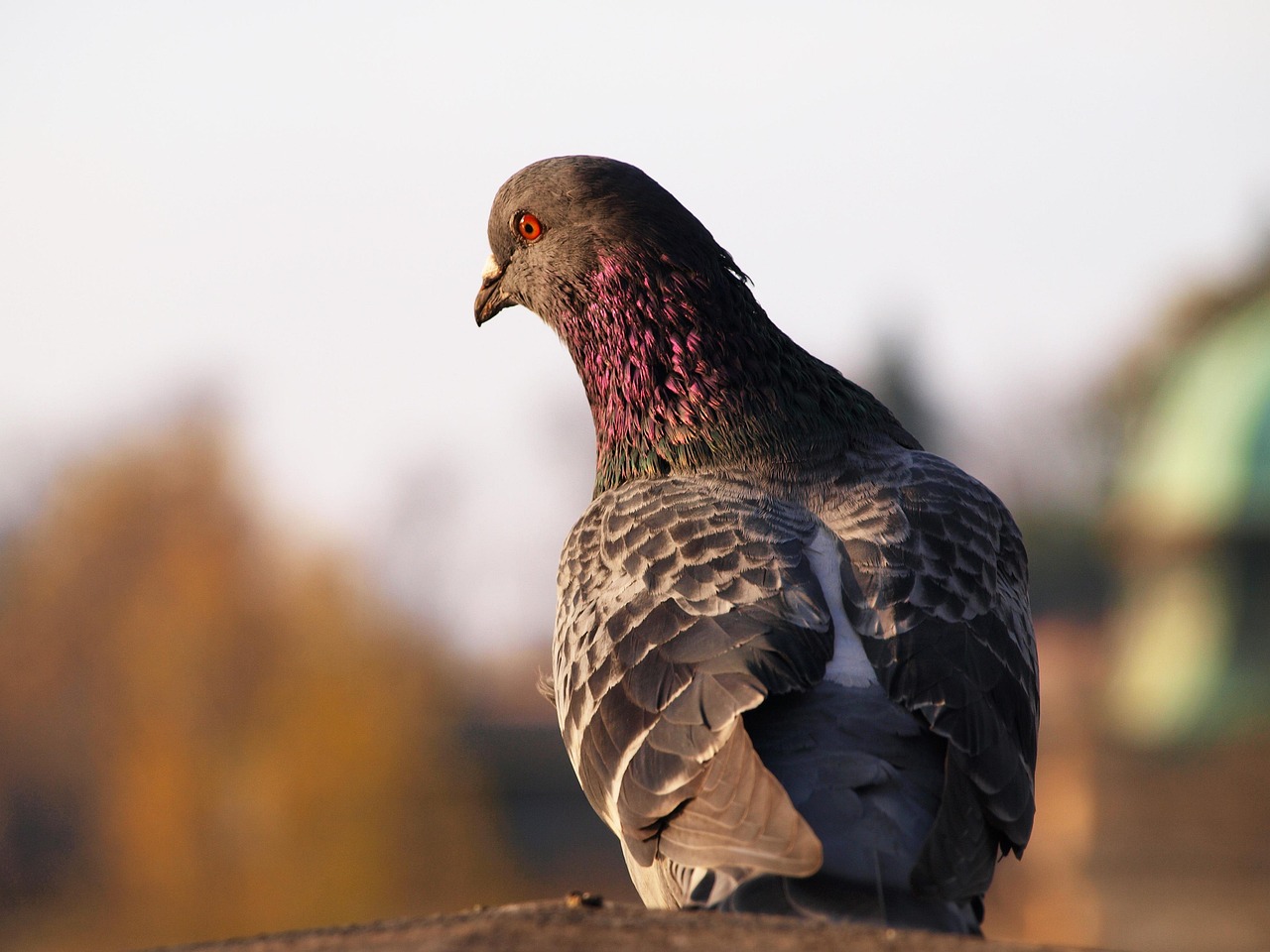
The shoulder area in pigeons includes the scapula and associated muscles, which influence posture and movement. In ornamental breeds, a broad and well-angled shoulder is often linked to better flight capabilities and a more imposing stance. By studying shoulder genetics pigeons, breeders can identify dominant and recessive genes that affect width, slope, and muscle attachment. This knowledge allows for targeted pairings that emphasize desirable characteristics, such as a robust frame that supports overall pigeon morphology improvement. Over time, consistent selection can lead to lineages with superior shoulder traits, boosting both health and market value.
Genetic markers for shoulder development are being increasingly studied, with some breeds showing higher heritability for these features. For instance, in breeds like Homers or Fantails, shoulder width can be a key differentiator in shows. Breeders should assess parental lines for shoulder conformation, using tools like pedigree analysis to track inheritance patterns. This proactive approach not only enhances aesthetic appeal but also reduces the risk of structural weaknesses, ensuring pigeons are both beautiful and functional. By integrating shoulder genetics into breeding programs, enthusiasts can achieve significant gains in pigeon value and performance.
Selecting for Optimal Shoulder Traits
When selecting pigeons for breeding, prioritize individuals with symmetrical, strong shoulders that align with breed standards. Look for features like a smooth transition from neck to wing, which indicates good muscle development and genetic soundness. In shoulder genetics pigeons, traits such as breadth and angle can be evaluated through visual inspection and measurements, helping to avoid common pitfalls like uneven growth or weakness. Breeding pairs should complement each other, with one parent possibly offsetting minor flaws in the other to produce balanced offspring. This selective process is essential for sustained pigeon morphology improvement, as it builds a foundation for future generations.
Practical steps include maintaining detailed records of shoulder dimensions and observing how traits express in different environments. For example, pigeons raised in spacious lofts may develop better shoulder muscles due to increased activity. Incorporate regular health checks to ensure that genetic potential isn't hindered by nutritional deficiencies or injuries. By focusing on these aspects, breeders can gradually enhance shoulder characteristics, leading to pigeons that command higher prices and greater admiration. Remember, consistency in selection is key to doubling value through genetic refinement.
Improving Pigeon Morphology for Enhanced Aesthetics
Pigeon morphology improvement involves refining physical attributes beyond just shoulders, including the head, body, and overall proportions. A holistic approach ensures that enhancements in one area, like the frontal region, complement other traits for a harmonious appearance. This section delves into techniques for achieving superior morphology that elevates pigeon value in competitive and commercial settings.
Focusing on Frontal Features
The frontal area, including the head and beak, is critical for pigeon morphology improvement as it affects balance and expression. A well-proportioned head with a strong beak and clear eyes can make a pigeon stand out, influencing judges and buyers alike. Genetics play a significant role here, with certain lines exhibiting traits like a broad forehead or elegant beak curvature. By breeding for these features, enthusiasts can enhance the bird's overall symmetry and appeal, which ties into broader goals of shoulder genetics pigeons for a cohesive look. Attention to detail in frontal morphology can transform an average pigeon into a premium specimen.
To improve frontal traits, start by assessing current stock for common issues such as narrow heads or weak beaks. Use selective breeding to introduce genes that promote desirable characteristics, and consider outcrossing with breeds known for strong frontal features. Environmental factors like diet and housing also impact development; for instance, a nutrient-rich diet supports bone and feather growth in the head region. Over time, this focused effort leads to pigeons with striking appearances that reflect careful pigeon morphology improvement. Such birds are not only more valuable but also healthier, as good morphology often correlates with better overall condition.
Integrating Morphology with Overall Health
Effective pigeon morphology improvement must balance aesthetics with health to ensure long-term value. Poor morphology can lead to issues like breathing difficulties or mobility problems, which detract from a pigeon's worth. By prioritizing traits that support functionality, such as a well-aligned spine and strong legs, breeders can create birds that are both beautiful and resilient. This approach complements work on shoulder genetics pigeons, as a healthy foundation allows genetic potential to fully express. Regular veterinary check-ups and a balanced breeding strategy are essential to avoid amplifying detrimental traits.
In practice, monitor for signs of stress or deformity during growth phases, and adjust breeding pairs accordingly. For example, if a lineage shows tendencies toward weak fronts, introduce genes from robust stocks to strengthen the gene pool. This proactive management not only enhances morphology but also boosts immunity and longevity, making pigeons more attractive to buyers. By viewing morphology as part of a holistic health plan, breeders can achieve significant pigeon morphology improvement that doubles value sustainably. Ultimately, healthy, well-formed pigeons are the goal, combining genetic excellence with practical care.
Breeding Strategies for Genetic Enhancement
Advanced breeding strategies are essential for leveraging shoulder genetics and pigeon morphology improvement to maximize value. By employing techniques like line breeding and outcrossing, breeders can accelerate genetic gains while maintaining diversity. This section covers practical methods to implement these strategies effectively, ensuring consistent improvements in pigeon quality.
Line Breeding for Consistent Traits
Line breeding involves mating closely related pigeons to fix desirable traits, such as those related to shoulder genetics pigeons. This method can quickly establish uniform characteristics in a flock, making it easier to predict outcomes and enhance value. For instance, if a breeder has a pigeon with exceptional shoulder width, breeding it with offspring or siblings can reinforce that trait across generations. However, it requires careful management to avoid inbreeding depression, which can weaken overall health. By keeping detailed records and introducing new blood periodically, breeders can use line breeding to achieve remarkable pigeon morphology improvement without compromising vitality.
To implement line breeding successfully, start by identifying foundation birds with strong shoulder and frontal features. Use pedigree charts to track relationships and select pairs that share the desired genes but have minimal common ancestors. Monitor offspring for consistency in traits and health, culling those that don't meet standards. This disciplined approach allows for rapid progress in shoulder genetics pigeons, leading to flocks that exhibit superior morphology and higher market appeal. Over time, line breeding can double value by producing pigeons that are not only visually stunning but also genetically robust, ready for shows or sales.
Outcrossing to Introduce New Genes
Outcrossing brings in unrelated pigeons to add genetic diversity and address weaknesses in shoulder genetics or morphology. This strategy is vital for pigeon morphology improvement when a breed becomes too homogeneous, risking health issues or stagnation. By selecting outcross partners with complementary traits, breeders can enhance features like shoulder breadth or head shape without losing existing qualities. For example, introducing a pigeon from a different lineage with strong frontal attributes can balance a flock focused on shoulder genetics pigeons. This method requires patience, as it may take a few generations to stabilize the new traits, but the long-term benefits include increased vigor and value.
When outcrossing, choose partners based on thorough research and compatibility with your breeding goals. Evaluate their health history, conformation, and genetic background to ensure a good fit. After mating, observe the offspring for any improvements in shoulder or frontal morphology, and integrate the best into your core breeding program. This approach not only boosts pigeon morphology improvement but also reduces the risk of genetic disorders, making your pigeons more resilient and desirable. By balancing line breeding with occasional outcrossing, breeders can sustainably double the value of their ornamental pigeons through enhanced genetics.
Practical Tips for Daily Management
Daily management practices directly impact the expression of shoulder genetics and pigeon morphology improvement. From nutrition to housing, these elements support genetic potential and overall health. This section provides actionable advice to optimize care routines, ensuring that your efforts in breeding translate into tangible value increases.
Nutrition for Optimal Development
Proper nutrition is foundational for expressing the best in shoulder genetics pigeons and achieving pigeon morphology improvement. A balanced diet rich in proteins, vitamins, and minerals supports muscle growth, bone strength, and feather quality, all of which contribute to a pigeon's appearance and value. For instance, calcium and phosphorus are crucial for developing strong shoulders and frontal bones, while amino acids aid in muscle formation. Feed high-quality grains, supplements, and fresh water to meet these needs, adjusting portions based on age, activity level, and breeding status. This targeted feeding strategy helps pigeons reach their genetic potential, making them more valuable in the market.
In addition to basic nutrients, consider adding supplements like omega-3 fatty acids for better feather sheen and joint health. Monitor body condition regularly to avoid over- or under-feeding, which can distort morphology. For breeding pairs, increase protein intake during egg-laying and chick-rearing phases to support offspring development. By aligning diet with genetic goals, breeders can enhance traits like shoulder width and head proportion, directly supporting pigeon morphology improvement. Consistent, high-quality nutrition not only boosts health but also amplifies the effects of selective breeding, leading to pigeons that are prized for their excellence.
Housing and Environment Considerations
The living environment plays a significant role in pigeon morphology improvement and the expression of shoulder genetics pigeons. A clean, spacious loft allows for adequate exercise, which strengthens muscles and promotes proper bone development in shoulders and other areas. Ensure the loft has perches of varying heights to encourage natural movement, and maintain good ventilation to prevent respiratory issues that could affect morphology. Regular cleaning reduces disease risk, supporting overall health and allowing genetic traits to shine. By optimizing housing conditions, breeders create an environment where pigeons can thrive and exhibit their full potential.
Key elements to include in loft design are ample flying space, protection from predators, and access to sunlight for vitamin D synthesis. These factors contribute to better posture and stronger frontal features, aiding in pigeon morphology improvement. Additionally, provide enrichment like toys or varied perches to stimulate activity and prevent boredom, which can lead to poor development. By investing in a well-designed loft, breeders support the long-term goals of enhancing shoulder genetics and overall value. This practical approach ensures that daily care complements breeding efforts, resulting in healthier, more valuable pigeons.
Conclusion
In summary, doubling the value of ornamental pigeons hinges on mastering shoulder genetics and pigeon morphology improvement through selective breeding, proper management, and a holistic approach. By focusing on traits like shoulder structure and frontal features, breeders can enhance aesthetics, health, and market appeal. Implementing strategies such as line breeding and outcrossing, combined with optimal nutrition and housing, ensures sustained progress. For those looking to streamline their efforts, tools like Ghawy – Pigeon Manager (غاوي – إدارة الحمام) offer valuable support in tracking genetics and care, making it easier to achieve your breeding goals and maximize returns.