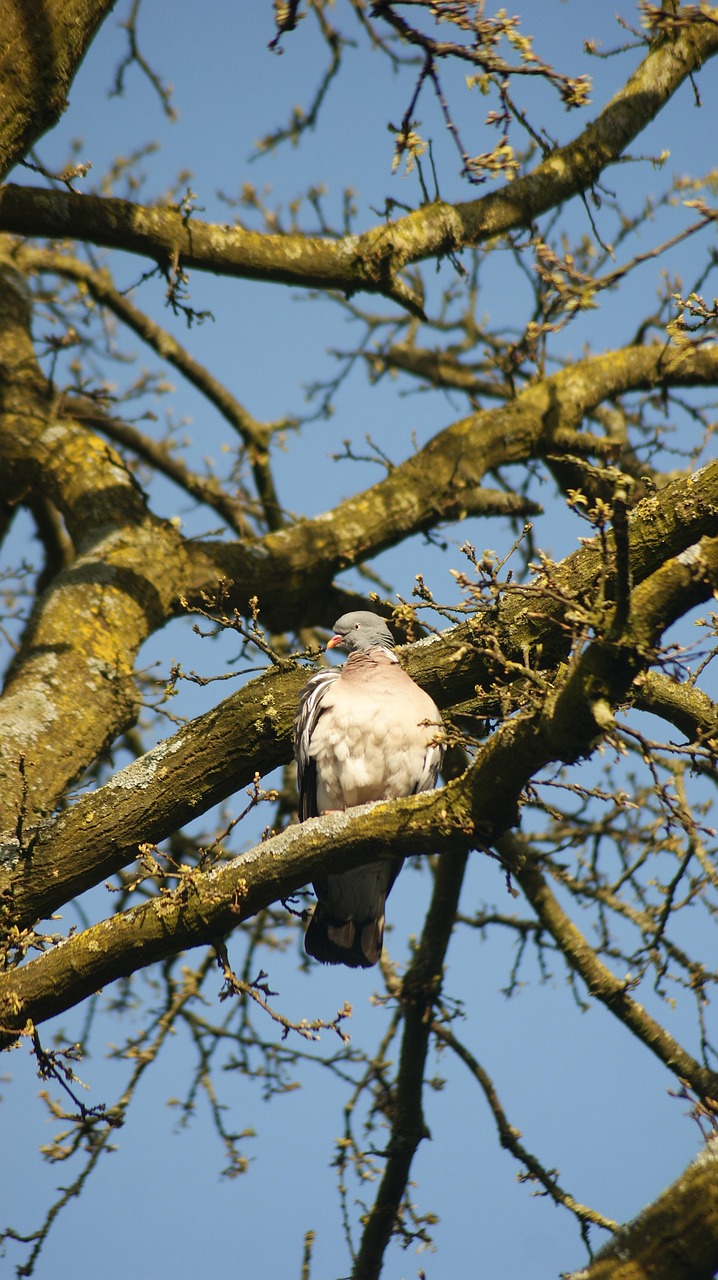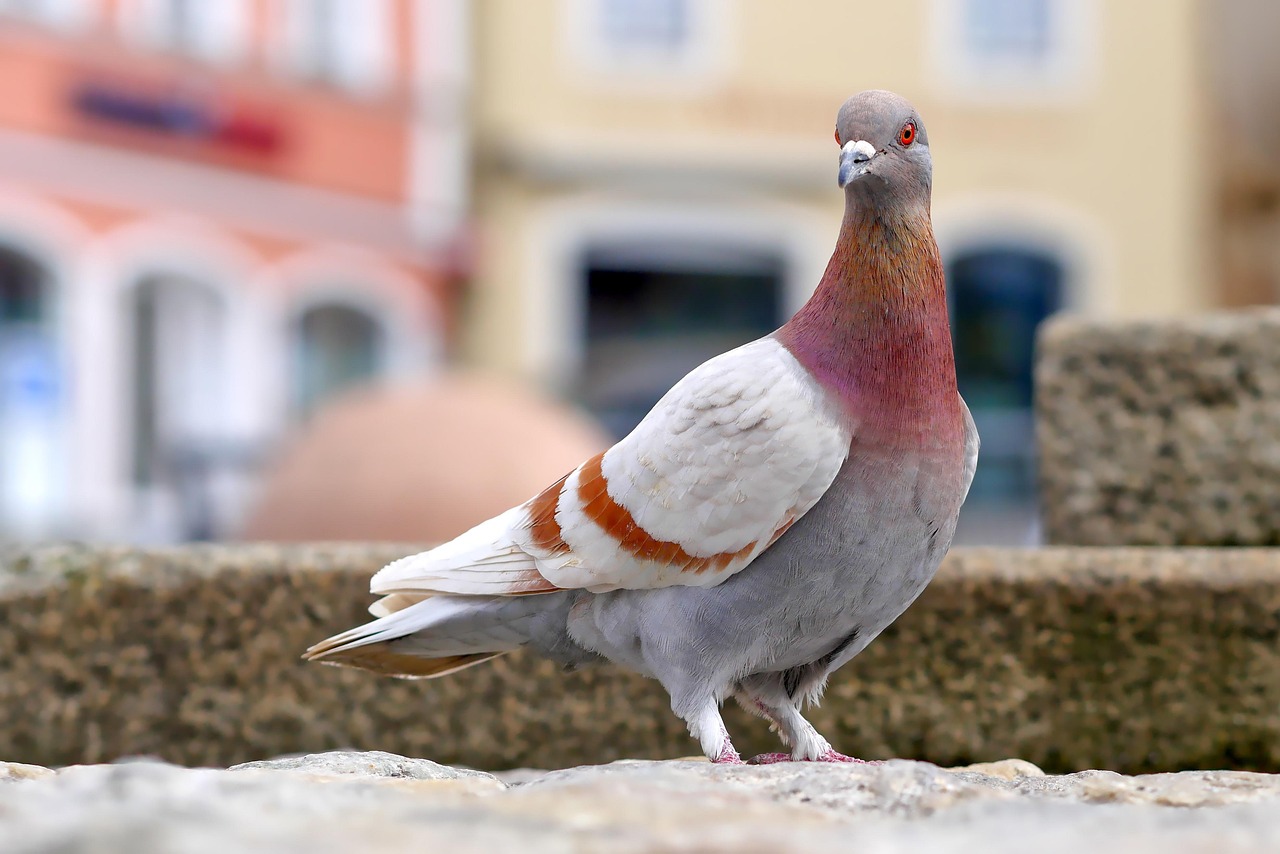
Fancy pigeon breeding is an art that combines science and passion to produce birds of exceptional purity and beauty. By focusing on the best pairing methods, breeders can enhance traits like color, form, and health, leading to stunning and genetically robust offspring. This guide delves into expert strategies to help you achieve high-quality results in your breeding endeavors.
Understanding Fancy Pigeon Breeding Basics
Fancy pigeon breeding involves selecting and mating birds to emphasize desirable characteristics, such as unique feather patterns, body shape, and temperament. It requires a deep understanding of genetics and pigeon behavior to avoid common pitfalls like inbreeding depression. By mastering these fundamentals, breeders can lay a strong foundation for producing high-purity offspring that stand out in shows and collections.
Key Principles of Genetic Selection
Genetic selection is the cornerstone of fancy pigeon breeding, where breeders choose parent birds based on their hereditary traits to influence the next generation. This process involves assessing factors like dominant and recessive genes, which determine features such as eye color, crest type, and overall conformation. For instance, pairing two birds with strong genetic backgrounds for size can result in larger, more impressive offspring. It's essential to maintain detailed records of lineage to track inheritance patterns and make informed decisions in future pairings.
Another critical aspect is understanding genetic diversity, as over-reliance on a limited gene pool can lead to health issues and reduced vitality. Breeders should aim for a balance, introducing new bloodlines periodically while preserving core traits. Tools like pedigree charts and genetic testing can aid in this process, ensuring that each pairing contributes to long-term breed improvement. By applying these principles, you can steadily enhance the purity and beauty of your flock, making fancy pigeon breeding a rewarding and sustainable hobby.
Importance of Breed Standards
Breed standards serve as benchmarks for evaluating fancy pigeons, outlining ideal characteristics for each variety, such as the Archangel or Fantail breeds. These standards cover aspects like body proportions, feather quality, and color markings, providing a clear goal for breeders to strive toward. Adhering to these guidelines helps maintain consistency and quality across generations, ensuring that offspring meet exhibition criteria and retain their aesthetic appeal.
In practice, breeders should regularly consult standards from organizations like the National Pigeon Association to guide their pairing decisions. This involves comparing potential mates against these criteria and selecting those that complement each other's strengths and weaknesses. For example, if one bird has excellent color but poor posture, pairing it with a bird that excels in conformation can produce balanced offspring. Over time, this focused approach leads to flocks that not only look beautiful but also embody the essence of their breed, making fancy pigeon breeding a pursuit of both art and precision.
Best Pairing Methods for High-Purity Offspring
Selecting the right pairing methods is crucial for achieving high-purity offspring in fancy pigeon breeding, as it directly impacts genetic health and trait expression. Methods like line breeding and outcrossing offer different advantages, allowing breeders to refine specific qualities while minimizing risks. By understanding and applying these techniques, you can optimize your breeding program for consistent, superior results that highlight the best in fancy pigeons.
Line Breeding for Trait Enhancement
Line breeding involves mating closely related birds, such as cousins or half-siblings, to concentrate desirable traits and fix them in the bloodline. This method is highly effective for enhancing characteristics like unique feather patterns or body shape, as it increases the likelihood of offspring inheriting these features. However, it requires careful management to avoid inbreeding depression, which can lead to health problems like reduced fertility or weakened immune systems.
To implement line breeding successfully, start by identifying your strongest birds with the traits you want to emphasize, and pair them with relatives that share those qualities. Monitor the offspring closely for any signs of genetic issues, and be prepared to introduce new genetics if problems arise. For example, if you're breeding for a specific color mutation, line breeding can help stabilize it over generations, resulting in a uniform and striking appearance. When done responsibly, this method is one of the best pairing approaches for producing high-purity fancy pigeons that excel in both beauty and vitality.
Outcrossing to Introduce New Traits
Outcrossing involves mating birds from unrelated or distantly related lines to introduce genetic diversity and new traits into your breeding program. This method is ideal for combating inbreeding and adding fresh characteristics, such as improved vigor or novel color variations. By broadening the gene pool, breeders can enhance overall flock health and create more resilient offspring that are less prone to hereditary diseases.
When using outcrossing, select birds from reputable sources that complement your existing stock, focusing on traits that fill gaps in your breeding goals. For instance, if your flock lacks strong flying ability, outcrossing with a line known for endurance can bring that quality into future generations. It's important to evaluate the outcomes carefully, as not all introduced traits may align with your standards. Over time, strategic outcrossing can lead to a more dynamic and adaptable flock, making it a valuable component of the best pairing methods for fancy pigeon breeding. Combine it with other techniques to maintain a balance between innovation and purity in your breeding efforts.
Selecting Ideal Breeding Pairs
Choosing the right breeding pairs is a critical step in fancy pigeon breeding, as it determines the genetic potential of the offspring. This process involves evaluating physical attributes, health, and temperament to ensure compatibility and maximize the chances of producing high-quality birds. By taking a systematic approach, breeders can make informed decisions that lead to successful pairings and beautiful, pure-bred pigeons.
Assessing Physical and Health Criteria
When selecting breeding pairs, prioritize birds that exhibit excellent physical condition, including robust body structure, vibrant feathering, and clear eyes, as these are indicators of good health and genetic strength. Look for specific traits aligned with your breeding goals, such as symmetry in wing placement or intensity of color patterns, to ensure that offspring inherit these desirable features. Health screenings for common issues like parasites or respiratory problems are also essential, as unhealthy parents can pass on weaknesses to their young.
In addition to visual assessments, consider factors like age and reproductive history; younger, proven breeders often yield better results. For example, a hen with a track record of raising strong chicks paired with a cock known for his striking appearance can produce outstanding offspring. Regular veterinary check-ups and a balanced diet further support this process, enhancing the overall success of your fancy pigeon breeding endeavors. By focusing on these criteria, you can build a foundation for pairs that consistently deliver high-purity and aesthetically pleasing results.
Evaluating Temperament and Compatibility
Temperament plays a significant role in breeding success, as calm, compatible pairs are more likely to mate effectively and care for their young. Observe birds for signs of aggression or stress, and avoid pairing individuals with conflicting behaviors, as this can lead to failed nests or neglected chicks. Instead, select pairs that show mutual interest and bonding, such as preening each other or cooing softly, which often indicates a harmonious relationship.
Compatibility also extends to environmental factors; ensure that pairs are acclimated to similar living conditions to reduce stress during breeding. For instance, if you're breeding fancy pigeons in a communal loft, introduce potential mates gradually to allow them to establish bonds naturally. This approach not only improves breeding outcomes but also contributes to the overall well-being of your flock. By prioritizing temperament and compatibility, you can enhance the efficiency of your pairing methods and increase the likelihood of raising healthy, beautiful offspring that thrive in their surroundings.
Managing the Breeding Environment
A well-managed breeding environment is essential for supporting fancy pigeon breeding, as it influences everything from mating behavior to chick development. Factors like loft design, nutrition, and hygiene play key roles in ensuring that pairs can focus on reproduction without distractions or health risks. By optimizing these elements, breeders can create a conducive setting that promotes high-purity offspring and overall flock success.
Optimizing Loft Conditions for Breeding
The loft should provide a safe, comfortable space for breeding pairs, with adequate ventilation, lighting, and nesting areas to encourage natural behaviors. Design the loft to minimize disturbances, such as loud noises or predator threats, which can stress birds and disrupt mating. Include separate compartments for pairs to establish territories, and ensure that nesting boxes are clean, spacious, and placed in quiet corners to support egg-laying and incubation.
Temperature and humidity control are also crucial, as extreme conditions can affect fertility and chick survival. For example, maintaining a stable temperature range of 60-75°F (15-24°C) helps keep birds comfortable and productive. Regular cleaning and disinfection prevent disease outbreaks, further safeguarding your breeding efforts. By investing in a well-planned loft, you can enhance the effectiveness of your pairing methods and create an environment where fancy pigeons can flourish, leading to healthier and more beautiful generations.
Nutrition and Health Maintenance
Proper nutrition is vital for breeding pigeons, as it supports reproductive health, egg quality, and chick growth. Provide a balanced diet rich in proteins, vitamins, and minerals, using high-quality feeds supplemented with grains, greens, and grit for digestion. During breeding seasons, increase protein intake to support egg production and fledgling development, and ensure access to fresh water at all times to prevent dehydration.
Health maintenance goes hand-in-hand with nutrition; implement a routine vaccination and deworming schedule to protect against common ailments. Monitor birds for signs of illness, such as lethargy or poor appetite, and isolate affected individuals promptly to prevent spread. For instance, adding probiotics to their diet can boost immune function and improve overall vitality. By prioritizing these aspects, you can support your fancy pigeon breeding goals, resulting in robust offspring that embody the purity and beauty you aim for. This holistic approach ensures that your pairs are in peak condition for successful pairings and rearing.
Advanced Techniques for Trait Refinement
For breeders seeking to elevate their fancy pigeon breeding, advanced techniques like selective culling and hybridization offer pathways to refine specific traits and achieve superior outcomes. These methods require expertise and careful planning but can lead to significant improvements in purity, beauty, and overall breed standards. By exploring these approaches, you can push the boundaries of what's possible in pigeon breeding.
Selective Culling for Quality Control
Selective culling involves removing birds that do not meet breeding standards from your program, either by rehoming or not breeding them, to maintain high genetic quality. This practice helps eliminate undesirable traits, such as weak constitutions or off-standard colors, ensuring that only the best individuals contribute to the gene pool. It requires objectivity and regular evaluations, comparing each bird against your goals for fancy pigeon characteristics.
To apply selective culling effectively, establish clear criteria based on breed standards and your personal objectives, and assess offspring at various growth stages. For example, cull chicks that show signs of deformities or poor health early on to focus resources on promising individuals. While it can be challenging, this method is one of the best pairing supports for long-term success, as it prevents the perpetuation of flaws and promotes a stronger, more beautiful flock. Over time, selective culling leads to a refined bloodline that consistently produces high-purity offspring.
Hybridization for Innovation
Hybridization involves crossing different fancy pigeon breeds to create new varieties or enhance existing ones, introducing novel traits like unique color combinations or improved hardiness. This advanced technique can spark innovation in your breeding program, but it must be approached with caution to avoid diluting desired characteristics. Start by selecting compatible breeds with complementary traits, and monitor the hybrids for stability and adherence to standards.
For instance, crossing a breed known for its elaborate feathering with one prized for its calm temperament might yield offspring that combine beauty with ease of handling. However, be prepared for variability in early generations and use subsequent pairings to stabilize the new traits. Hybridization, when integrated with other best pairing methods, can enrich your fancy pigeon breeding efforts, leading to exclusive and captivating birds. It's a powerful tool for breeders looking to explore new horizons while maintaining a focus on purity and aesthetic appeal.
Conclusion
In summary, mastering fancy pigeon breeding involves a blend of genetic knowledge, strategic pairing methods, and attentive management to produce offspring of high purity and beauty. By applying techniques like line breeding and outcrossing, selecting ideal pairs, and optimizing the breeding environment, you can achieve consistent success. For those eager to streamline their efforts, tools like Ghawy – Pigeon Manager (غاوي – إدارة الحمام) offer valuable support in tracking lineages and planning pairings. Embrace these insights to elevate your breeding journey and enjoy the rewards of raising stunning fancy pigeons.