Kashki pigeons, a cherished breed among Arab pigeon enthusiasts, captivate with their unique beauty and distinct characteristics. This article delves into an aesthetic analysis of these birds and provides essential guidelines for making informed selection choices, ensuring you appreciate their full potential in aviculture.
Understanding the Kashki Pigeon Breed
The Kashki pigeon, often referred to as حمام كشكي, holds a special place in the world of Arab pigeon breeds, known for its elegant appearance and spirited nature. Originating from specific regions in the Arab world, these pigeons have been bred for generations, combining aesthetic appeal with functional traits that make them ideal for both show and companionship. In this section, we explore the breed's history and core attributes, setting the stage for a deeper dive into their unique qualities.
Historical Background and Origins
The origins of the Kashki pigeon trace back to ancient breeding practices in the Middle East, where they were developed for their striking looks and resilience. Historically, these pigeons were prized by pigeon fanciers for their ability to thrive in diverse environments, contributing to their spread across Arab countries. Over time, selective breeding has refined their features, emphasizing traits like color patterns and flight capabilities, which are central to their appeal today. Understanding this history helps enthusiasts appreciate the breed's evolution and cultural significance in aviculture.
In the early days, Kashki pigeons were often associated with rural and urban communities, where they served as symbols of status and beauty. Breeders focused on enhancing specific characteristics, such as feather texture and body shape, leading to the modern variations we see now. This historical context not only enriches our knowledge but also highlights the importance of preserving these breeds through careful selection and breeding practices.
Key Physical Characteristics
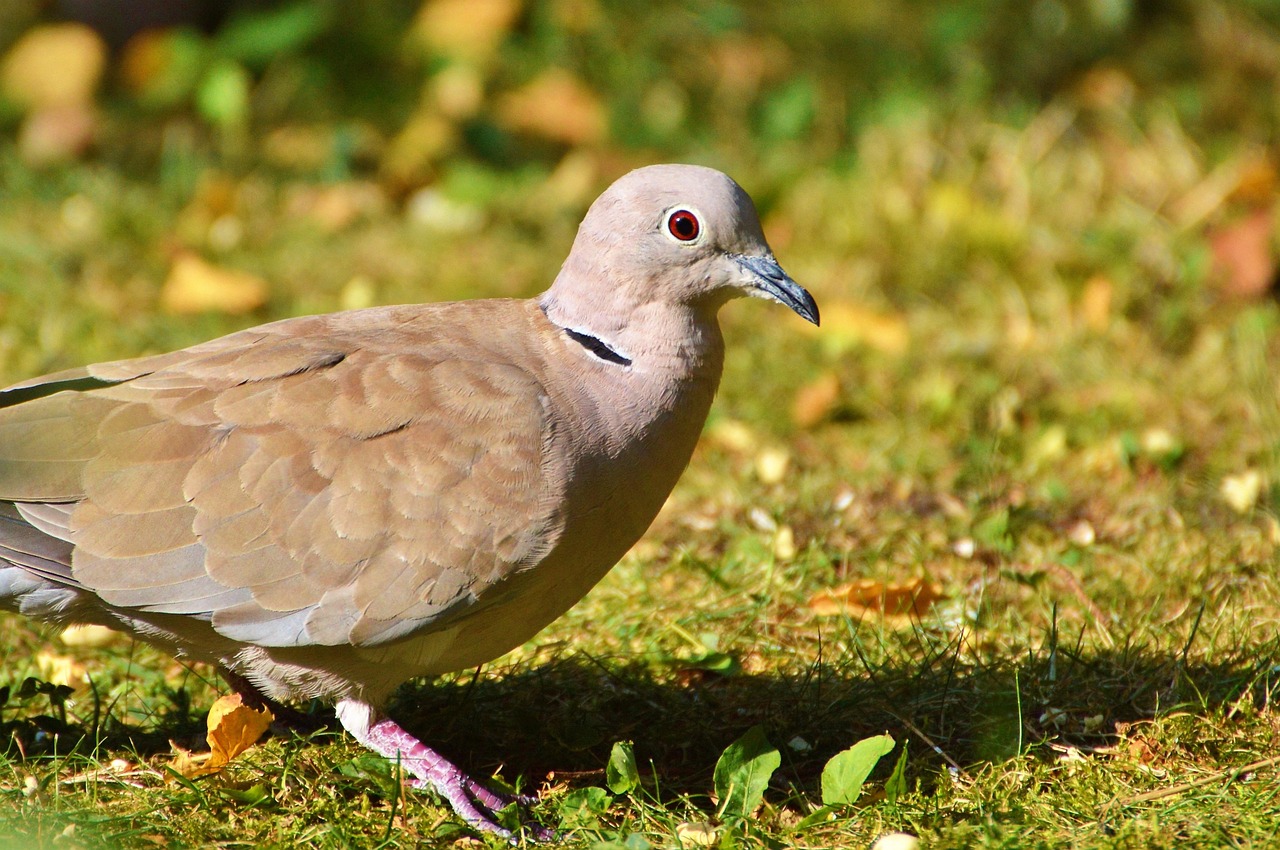
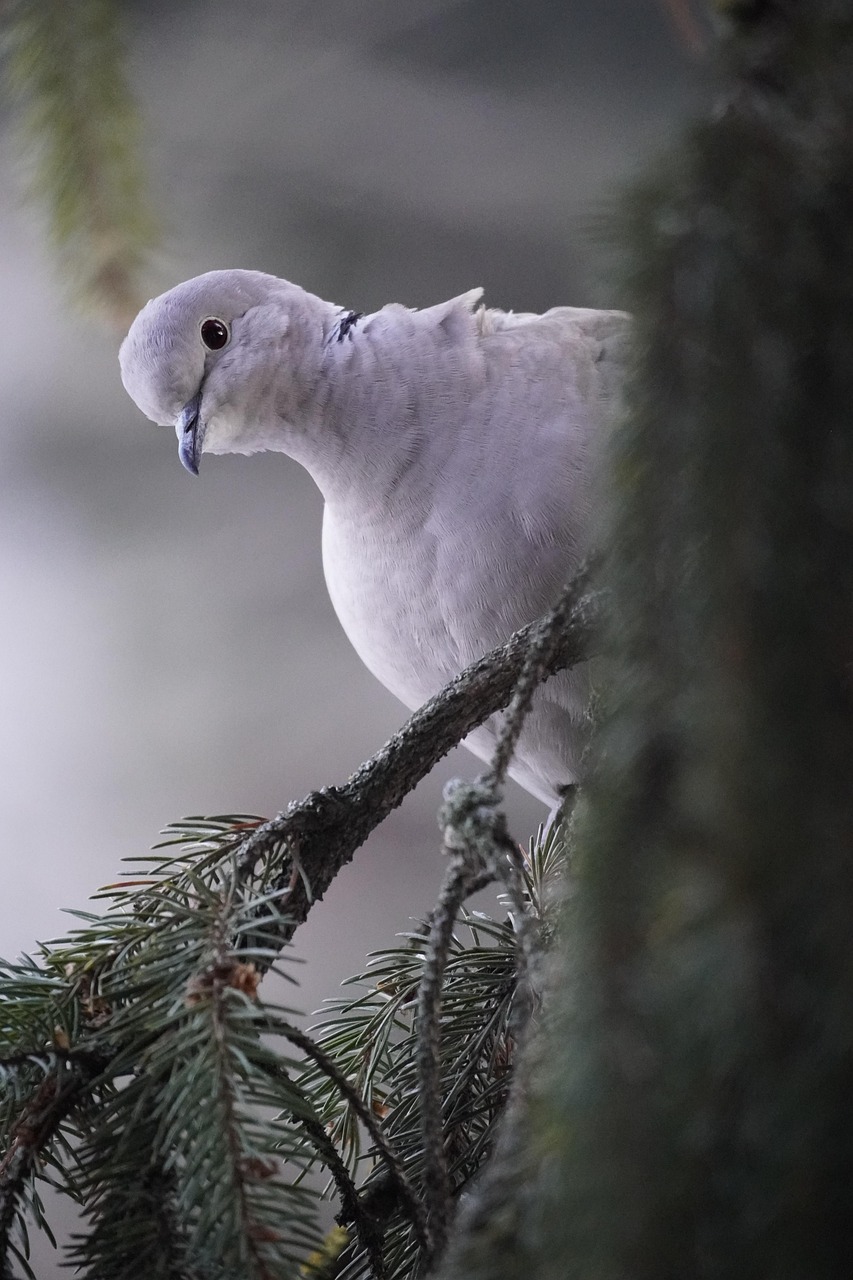
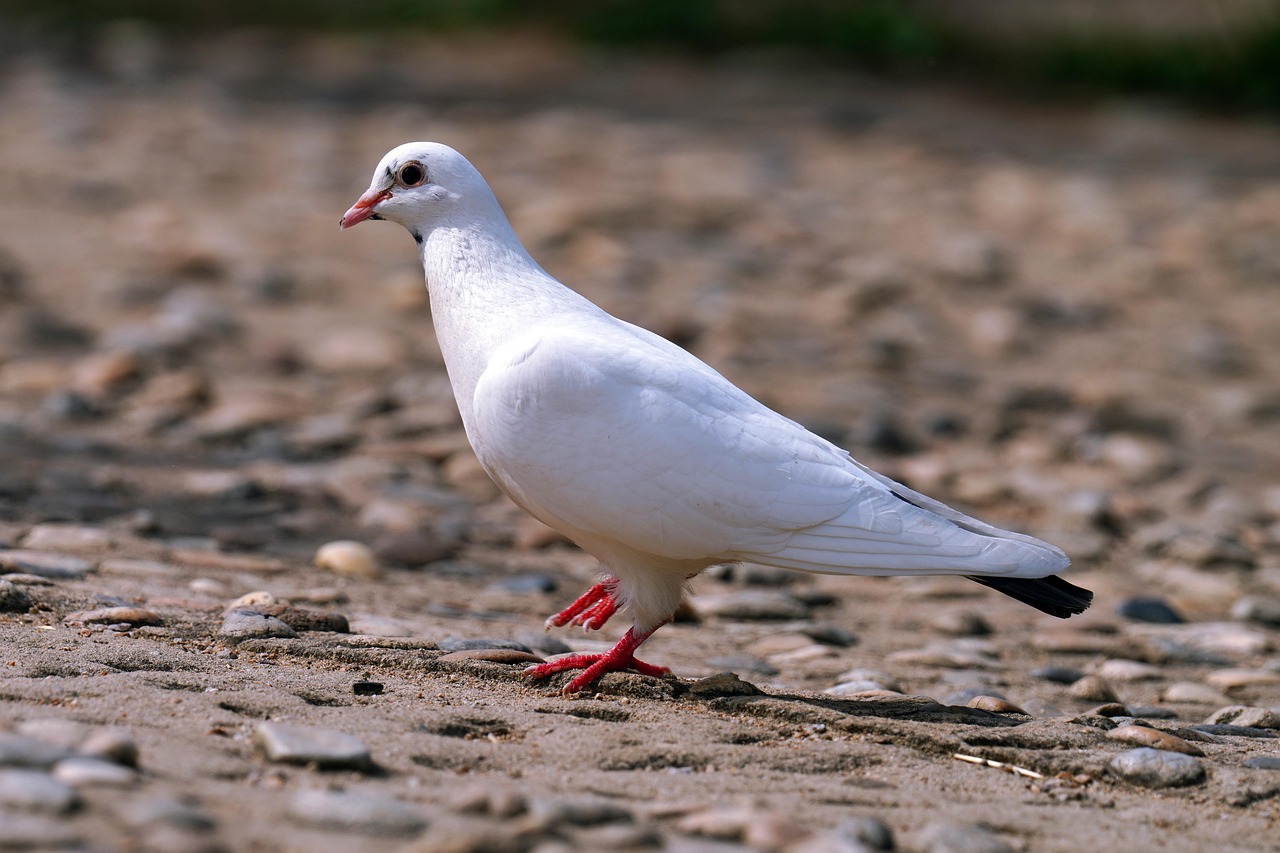
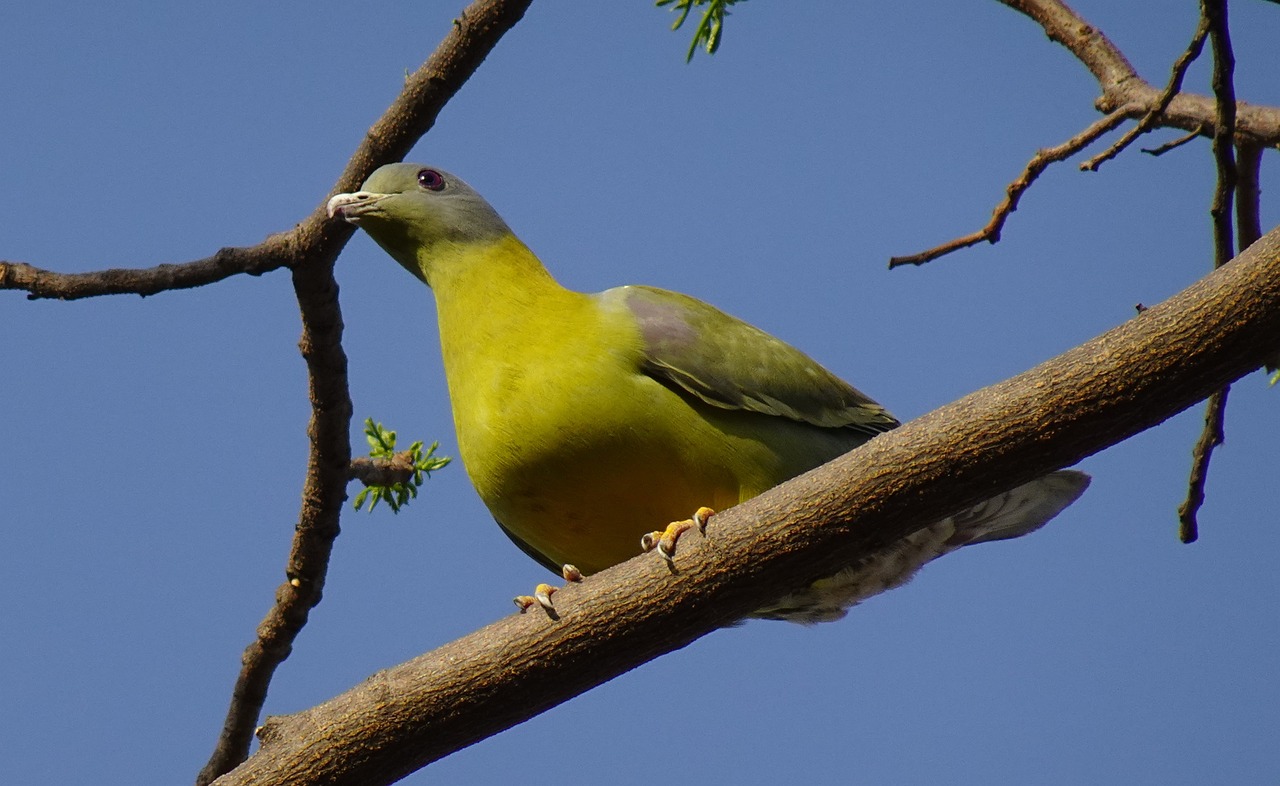
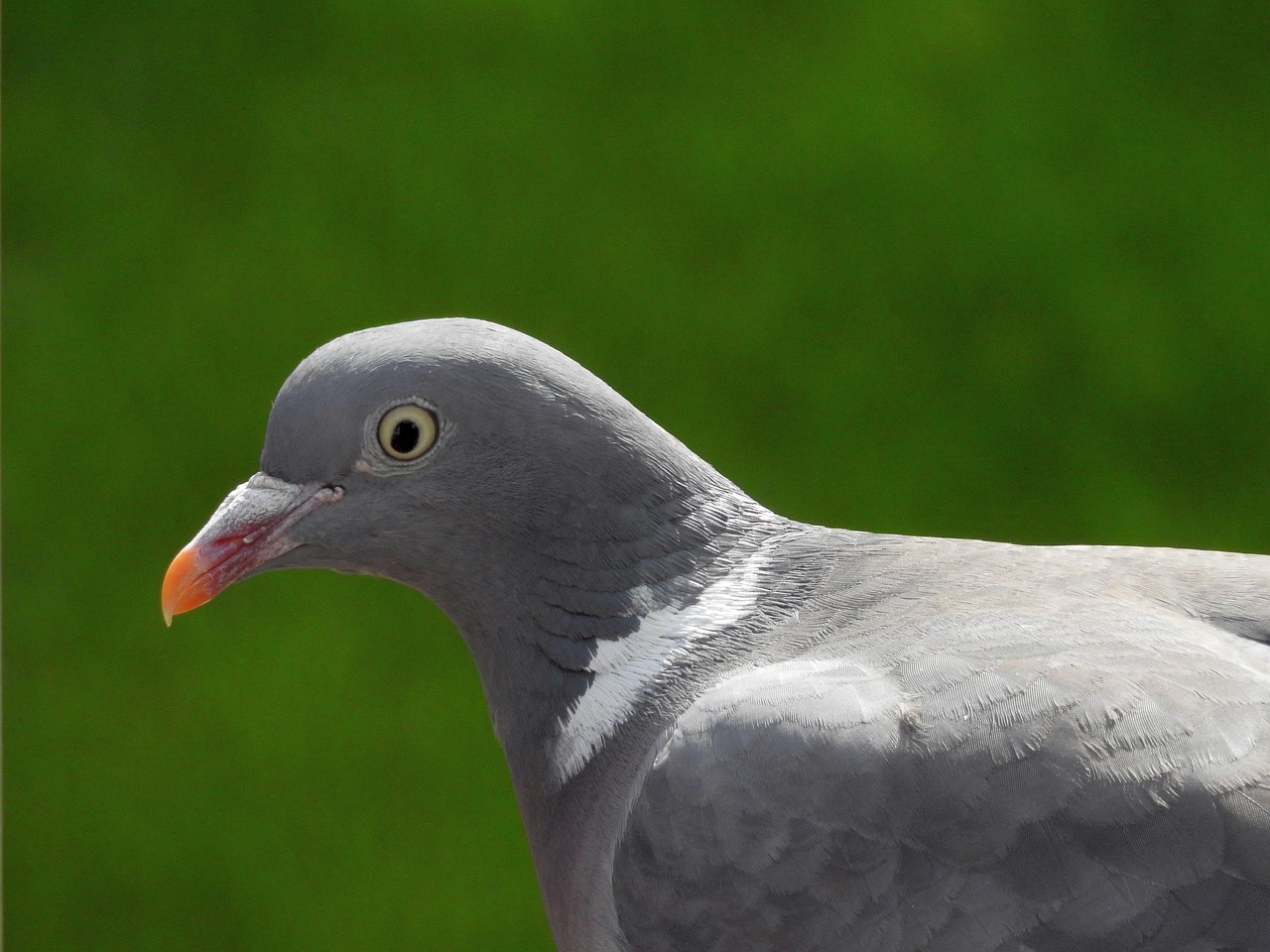
Kashki pigeons are distinguished by their medium-sized bodies, sleek feathers, and vibrant colorations that range from pure white to mixed patterns with hints of gray or brown. Their heads are typically rounded with bright, expressive eyes, and their beaks are short and sturdy, adapted for efficient feeding and grooming. The wings are strong and well-proportioned, allowing for agile flight, while the legs are slender yet robust, supporting their active lifestyle. These physical traits make them not only visually appealing but also functional for various pigeon-keeping activities.
Another notable feature is their plumage, which often exhibits a glossy sheen, adding to their aesthetic value. The tail feathers are usually long and fanned, contributing to their graceful appearance during flight. Enthusiasts should pay attention to these details when selecting birds, as they indicate overall health and breed purity. By recognizing these key characteristics, you can better assess the quality of Kashki pigeons and make choices that align with your aviculture goals.
Advantages of Owning Kashki Pigeons
Owning Kashki pigeons comes with numerous benefits, from their low maintenance needs to their engaging personalities, making them a favorite among pigeon lovers. This section highlights the pros and cons, or عيوب ومميزات, to give a balanced view, helping you decide if this breed is right for you. We'll start with the advantages, focusing on how these birds can enhance your pigeon-keeping experience with their unique traits and behaviors.
Low Maintenance and Hardiness
One of the standout advantages of Kashki pigeons is their hardiness and adaptability to various living conditions, requiring minimal upkeep compared to more delicate breeds. They thrive in both indoor lofts and outdoor aviaries, with a diet consisting mainly of standard pigeon feed, grains, and fresh water, which is easy to manage for most keepers. Their robust immune systems reduce the risk of common avian diseases, meaning fewer vet visits and lower healthcare costs. This makes them an excellent choice for beginners or those with busy schedules who still want to enjoy the rewards of pigeon ownership.
Additionally, Kashki pigeons are known for their cleanliness and self-grooming habits, which help maintain a hygienic environment. They don't demand extensive space or specialized equipment, as a simple, well-ventilated loft with perches and nesting areas suffices. This low-maintenance aspect allows owners to focus more on enjoyment and less on chores, fostering a stress-free relationship with their birds. By choosing Kashki pigeons, you invest in a breed that offers longevity and ease of care, enhancing your overall aviculture journey.
Social and Behavioral Benefits
Kashki pigeons exhibit friendly and social behaviors, often forming strong bonds with their owners and other pigeons, which adds a layer of companionship to their keeping. They are active and playful, engaging in flights and interactions that can be both entertaining and therapeutic for enthusiasts. Their vocalizations and courtship displays are particularly captivating, providing endless observation opportunities that deepen your connection to the avian world. These behavioral traits make them ideal for families or individuals seeking interactive pets that offer more than just visual appeal.
Moreover, their intelligence allows for basic training, such as responding to calls or performing simple tricks, which can be a rewarding experience for both the pigeon and the owner. This social nature also means they adapt well to group settings, reducing aggression and promoting a harmonious loft environment. By appreciating these advantages, you can see why Kashki pigeons are valued not just for their looks but for the joy and engagement they bring to daily life.
Disadvantages and Challenges
While Kashki pigeons have many strengths, it's important to acknowledge their drawbacks to ensure a realistic approach to ownership. This section covers the potential issues, or عيوب ومميزات, that might arise, from health concerns to behavioral quirks, providing a comprehensive view for informed decision-making. By understanding these challenges, you can prepare adequately and mitigate risks, leading to a more successful pigeon-keeping experience.
Common Health Issues
Despite their general hardiness, Kashki pigeons can be prone to certain health problems, such as respiratory infections or parasitic infestations, especially if kept in overcrowded or unsanitary conditions. Regular monitoring for symptoms like sneezing, lethargy, or feather loss is essential, as early detection can prevent more serious complications. Vaccinations and routine check-ups are recommended to maintain their well-being, though these can add to the overall cost and time investment. Being aware of these health risks allows owners to implement preventive measures, such as proper loft cleaning and balanced nutrition.
Another issue is their susceptibility to stress-related behaviors, which can manifest in reduced appetite or aggression if they feel threatened. Environmental factors, like sudden temperature changes or loud noises, can exacerbate these problems, requiring a stable and calm setting for optimal health. By addressing these disadvantages proactively, you can ensure your Kashki pigeons lead healthy, happy lives, minimizing the impact of potential setbacks on your aviculture endeavors.
Behavioral and Space Requirements
Kashki pigeons, though social, may exhibit territorial behaviors during breeding seasons, leading to conflicts in mixed lofts if not managed properly. They require adequate space to fly and exercise; insufficient room can result in boredom or obesity, affecting their overall vitality. Owners must invest in spacious enclosures and enrichment tools, like perches and toys, to keep them stimulated. This can be a challenge for those with limited outdoor areas, as cramped conditions might lead to feather plucking or other stress-induced issues.
Additionally, their active nature means they need regular interaction and supervision to prevent escapes or injuries, which might not suit everyone's lifestyle. If neglected, they can become noisy or destructive, potentially causing disturbances in residential settings. Weighing these disadvantages against the advantages helps in making a balanced choice, ensuring that you're prepared for the responsibilities that come with owning this dynamic breed.
Aesthetic Analysis of Kashki Pigeons
The beauty of Kashki pigeons lies in their intricate details and overall elegance, making them a subject of admiration in pigeon shows and personal collections. This section provides an in-depth aesthetic analysis, focusing on color patterns, body structure, and flight aesthetics, to help you appreciate their visual appeal. By examining these elements, you can develop a keener eye for quality and enhance your selection criteria based on aesthetic standards.
Color Patterns and Feather Quality
Kashki pigeons boast a diverse range of color patterns, from solid hues to intricate mosaics, with feathers that often have a silky texture and iridescent sheen. Common colors include shades of white, gray, and brown, sometimes accented with darker markings that create a striking contrast. The quality of their feathers is a key indicator of health and breeding excellence, as smooth, well-groomed plumage reflects proper nutrition and care. Enthusiasts should look for uniformity in color distribution and absence of bald spots or discoloration when evaluating these birds.
In shows, judges often prioritize feather condition, as it contributes to the pigeon's overall presentation and breed standards. The way light reflects off their feathers can highlight subtle nuances, adding depth to their appearance. By focusing on these aesthetic aspects, you can select Kashki pigeons that not only meet functional needs but also stand out for their visual splendor, enriching your collection with birds that are truly captivating.
Body Structure and Flight Aesthetics
The body structure of Kashki pigeons is balanced and proportionate, with a streamlined shape that facilitates graceful movement both on ground and in air. Their wings are broad and powerful, enabling sustained flights that are a joy to watch, often characterized by smooth glides and agile maneuvers. The legs and feet are neatly aligned, supporting their posture and adding to their regal demeanor. This structural harmony is essential for both aesthetic appeal and practical performance, as it influences their ability to thrive in various environments.
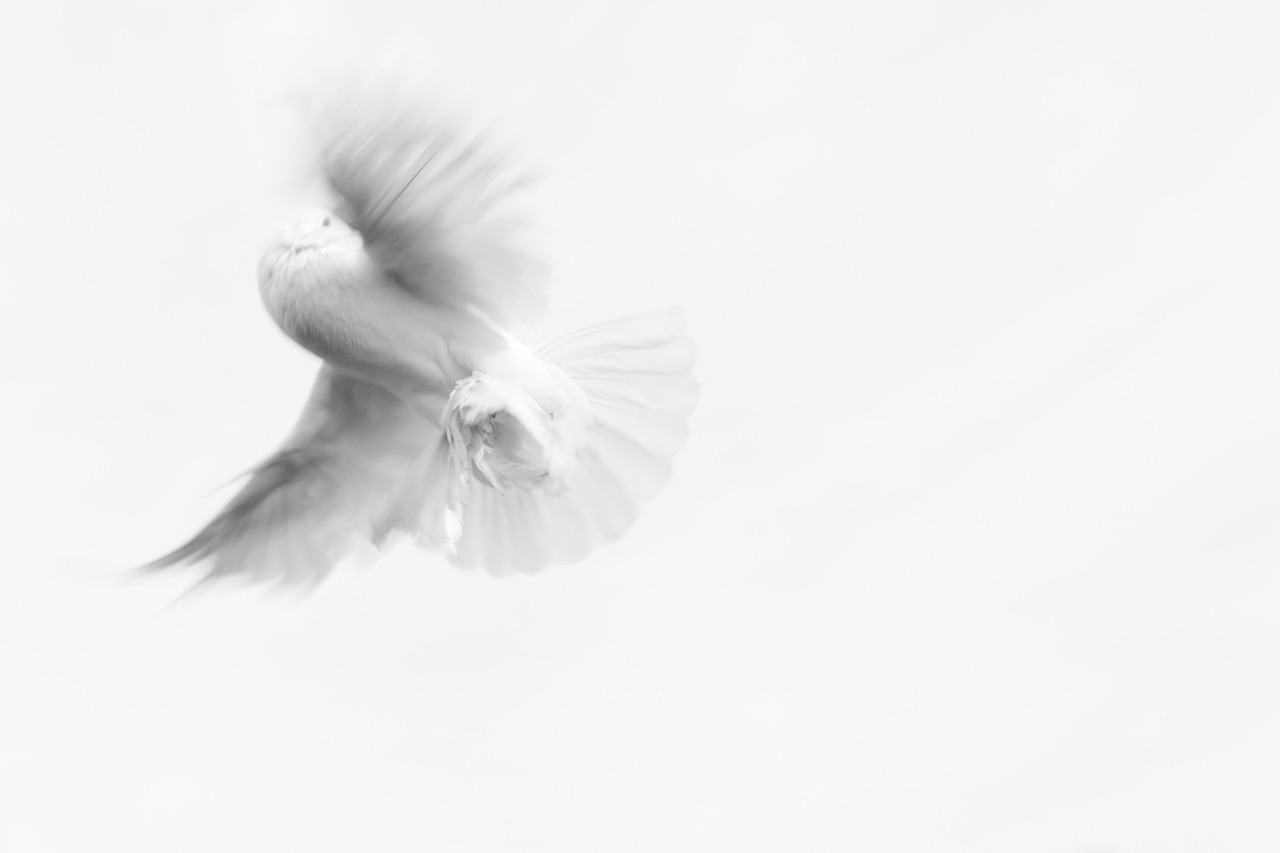
During flight, Kashki pigeons display an elegance that is hard to match, with synchronized wing beats and poised landings that highlight their training and innate abilities. Observing these flight patterns can be a meditative experience, offering insights into their health and temperament. By appreciating the interplay between body structure and flight aesthetics, you can better assess the quality of individual birds and make selections that align with your aesthetic preferences and aviculture goals.
Guidelines for Proper Selection
Selecting the right Kashki pigeons involves careful consideration of health, temperament, and breed standards to ensure a successful addition to your loft. This section offers practical guidelines, integrating insights on عيوب ومميزات, to help you make informed choices. From evaluating physical traits to assessing behavior, these tips will empower you to pick pigeons that meet your expectations and contribute positively to your aviculture pursuits.
Assessing Health and Vitality
When selecting Kashki pigeons, start by examining their overall health, looking for clear eyes, clean nostrils, and active behavior as signs of vitality. Check for any abnormalities in feather condition, such as mites or molting issues, and ensure they have a good appetite and steady weight. It's advisable to observe them in their current environment to gauge how they interact with others and handle stress. A healthy pigeon will appear alert and responsive, with no signs of labored breathing or lethargy, indicating a lower risk of future health problems.
Additionally, inquire about their vaccination history and any past illnesses, as this information can reveal potential long-term issues. Regular health assessments should include monitoring for common ailments like parasites or infections, which can be managed with proper care. By prioritizing health in your selection process, you reduce the likelihood of costly vet bills and ensure that your Kashki pigeons thrive in their new home, providing years of enjoyment.
Evaluating Temperament and Compatibility
Temperament is crucial when choosing Kashki pigeons, as it affects their adaptability to your loft and interactions with other birds. Look for pigeons that are calm yet curious, showing no signs of excessive aggression or fearfulness, which can indicate underlying stress or poor socialization. Spend time observing their behavior in group settings to see how they hierarchy and communicate, as this can predict how well they'll integrate into your existing flock. A well-tempered pigeon is more likely to bond with you and exhibit positive behaviors, enhancing your overall experience.
Compatibility with your lifestyle is also key; for instance, if you have limited time for interaction, opt for pigeons that are more independent but still sociable. Consider factors like noise levels and space needs, ensuring they align with your environment. By evaluating temperament thoroughly, you can avoid potential conflicts and select Kashki pigeons that fit seamlessly into your aviculture setup, fostering a harmonious and rewarding relationship.
Breeding and Care Tips
Breeding and caring for Kashki pigeons require attention to detail and a commitment to their well-being, from nesting practices to daily maintenance. This section provides actionable advice on how to nurture these birds effectively, covering aspects like diet, housing, and breeding strategies. By following these tips, you can ensure your pigeons remain healthy, productive, and beautiful, maximizing the benefits of ownership.
Optimal Diet and Nutrition
A balanced diet is essential for Kashki pigeons, consisting of high-quality grains, seeds, and occasional supplements like grit or vitamins to support digestion and feather health. Provide fresh water daily and avoid overfeeding, as obesity can lead to health issues; instead, offer measured portions based on their activity levels. Incorporate variety with greens or fruits in moderation to mimic their natural foraging habits, promoting overall vitality. Proper nutrition not only sustains their energy but also enhances their aesthetic qualities, such as feather shine and color vibrancy.
- Use a mix of corn, wheat, and peas for staple feeding
- Add calcium sources like crushed eggshells for strong bones
- Monitor weight regularly to adjust portions as needed
Additionally, ensure that feeding areas are clean to prevent contamination and disease. By prioritizing diet, you lay the foundation for healthy growth and longevity, making your Kashki pigeons more resilient to environmental stresses. This proactive approach to nutrition is a key part of responsible pigeon ownership, contributing to their overall success in your care.
Housing and Environmental Management
Proper housing for Kashki pigeons involves a well-ventilated loft with ample space for flying, perching, and nesting, designed to protect them from predators and harsh weather. Use materials that are easy to clean, such as wood or metal, and include features like nesting boxes and dust baths to support their natural behaviors. Maintain a consistent temperature and humidity level to prevent respiratory issues, and ensure the enclosure is secure to avoid escapes. Regular cleaning is vital to reduce the risk of infections, so schedule weekly inspections and sanitization routines.
Environmental enrichment, such as toys or varied perches, can prevent boredom and encourage physical activity, which is crucial for their mental and physical health. Position the loft in a quiet area to minimize stress from noise or disturbances. By managing their environment effectively, you create a safe and stimulating home that promotes well-being and allows your Kashki pigeons to exhibit their best traits, from beauty to behavior.
Conclusion
In summary, Kashki pigeons offer a blend of aesthetic appeal and practical benefits, with advantages like low maintenance and social behavior balanced by challenges such as health risks and space needs. By understanding their history, physical traits, and care requirements, you can make informed selections that enhance your aviculture experience. Remember to assess health, temperament, and compatibility when choosing birds, and implement proper breeding and care practices to ensure their longevity. For expert guidance and tools to manage your pigeons effectively, consider exploring Ghawy – Pigeon Manager (غاوي – إدارة الحمام), a resource designed to support enthusiasts in achieving their goals. Embrace the journey of owning these magnificent birds, and enjoy the rewards they bring to your life.