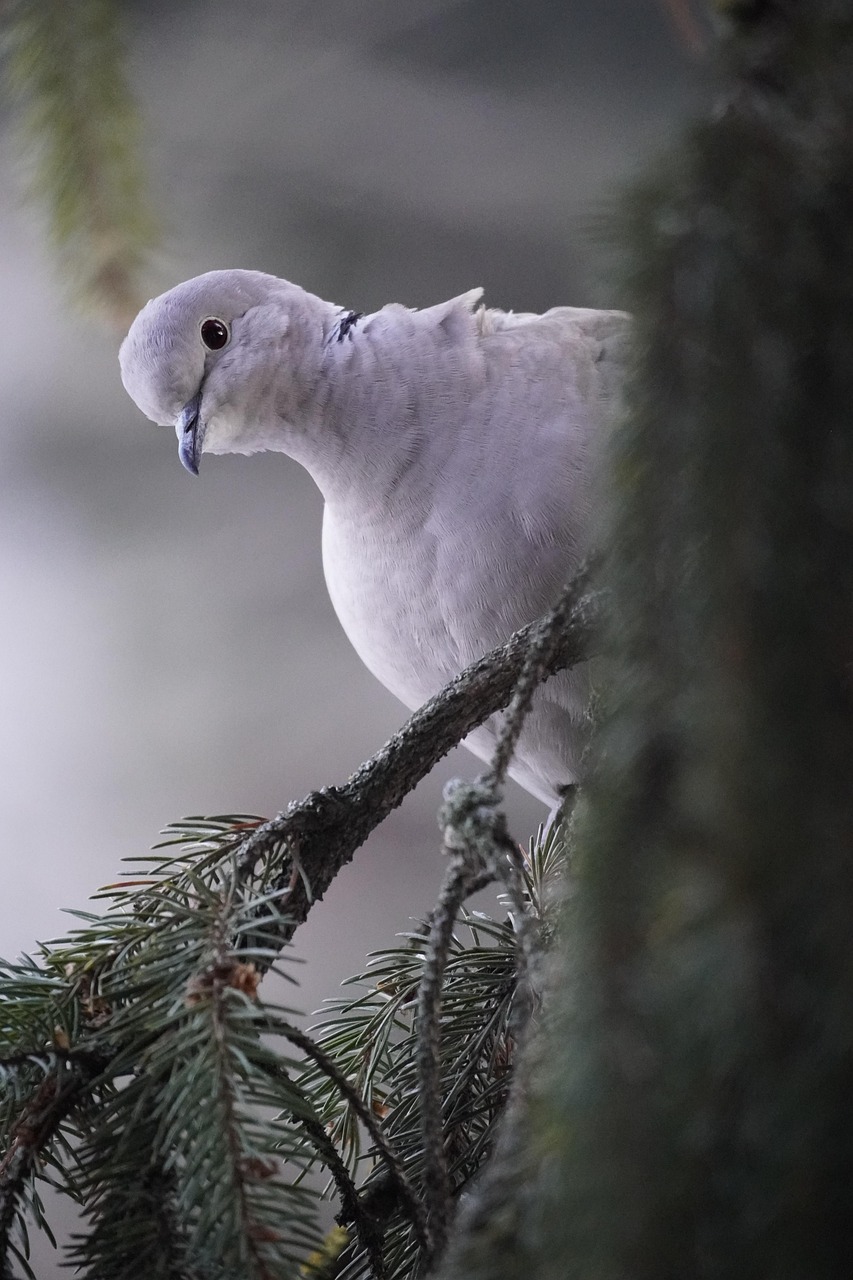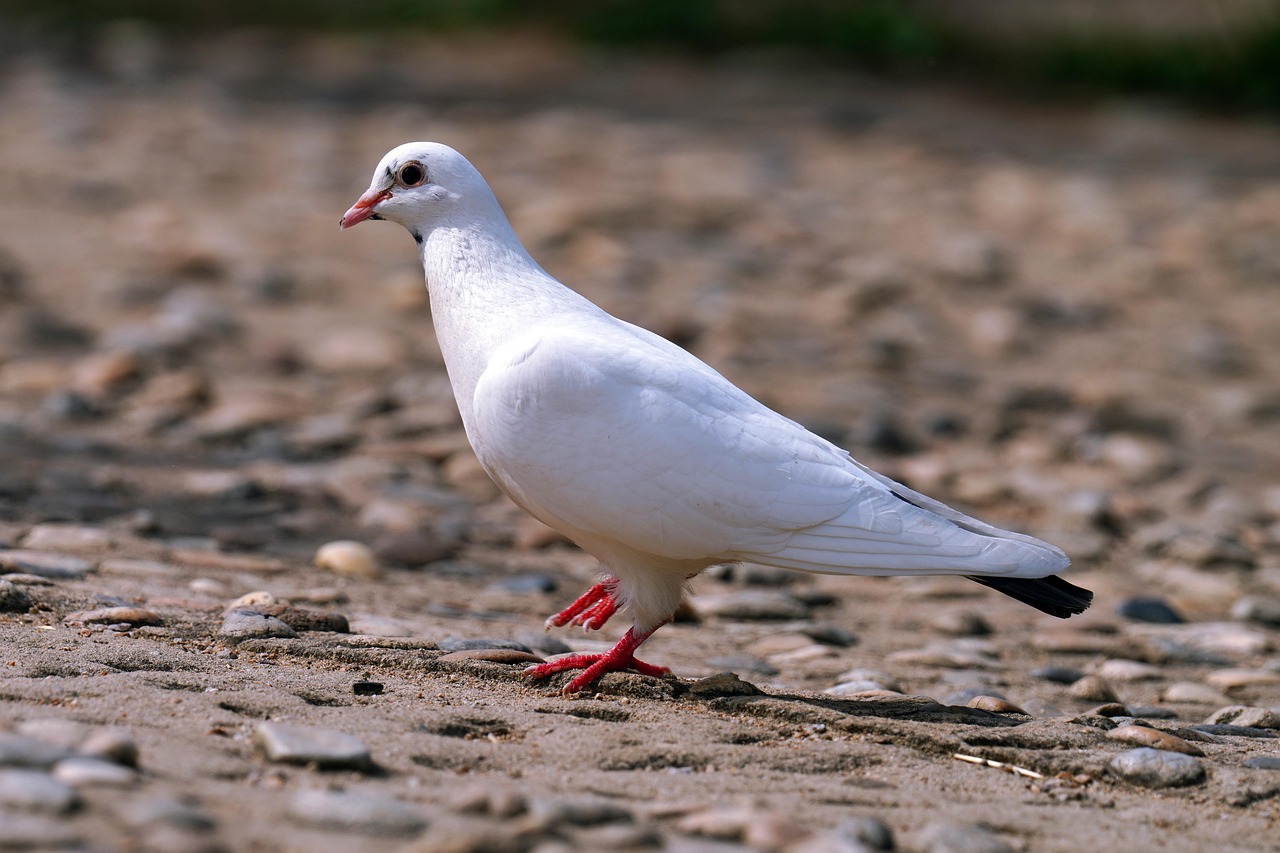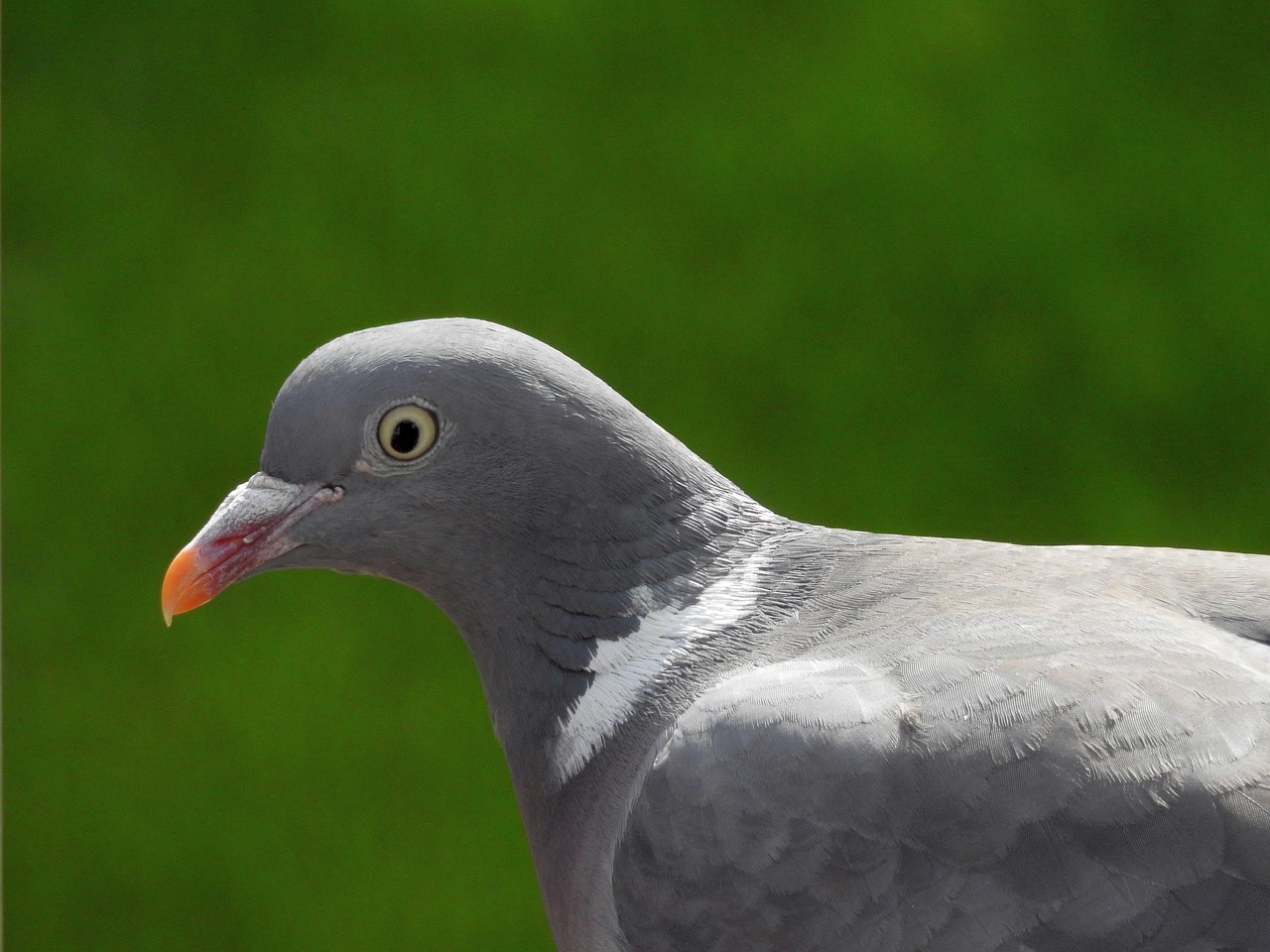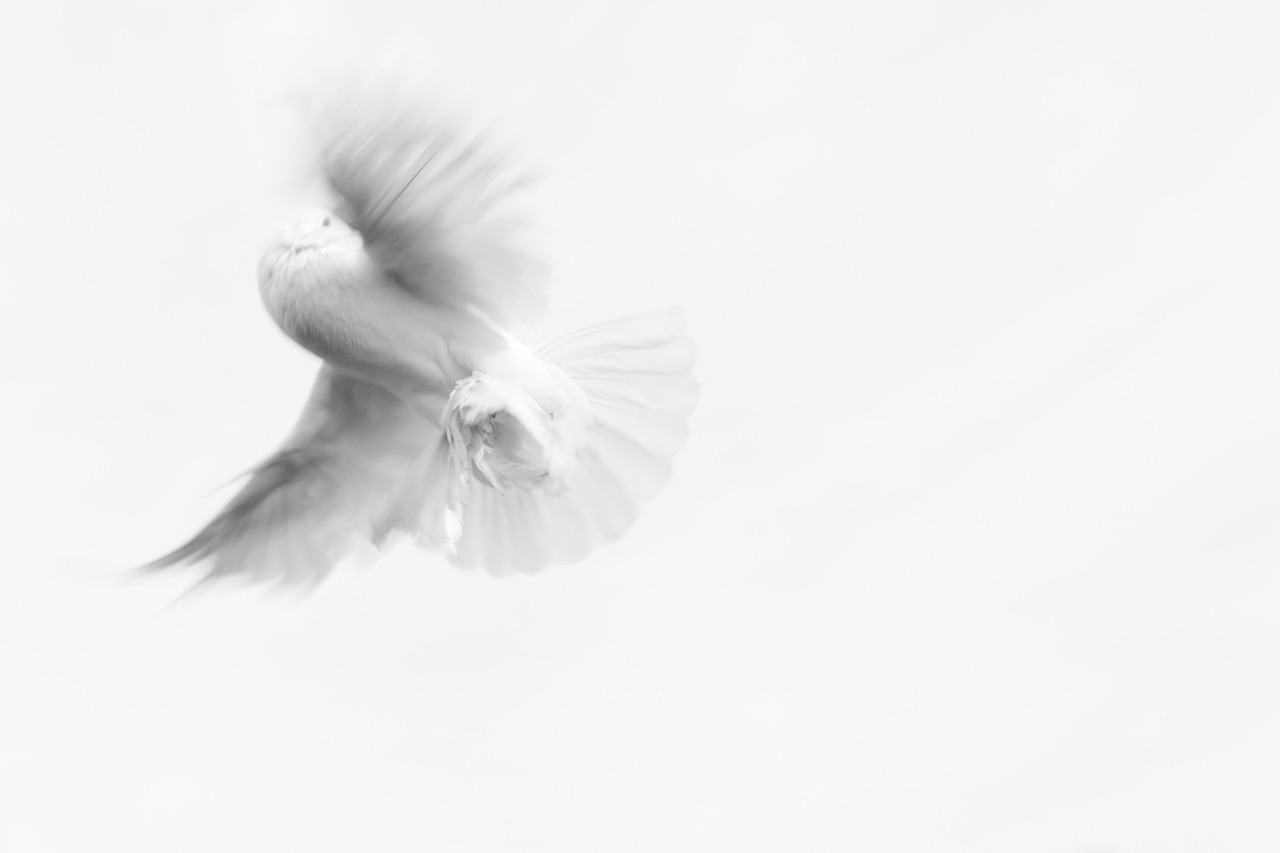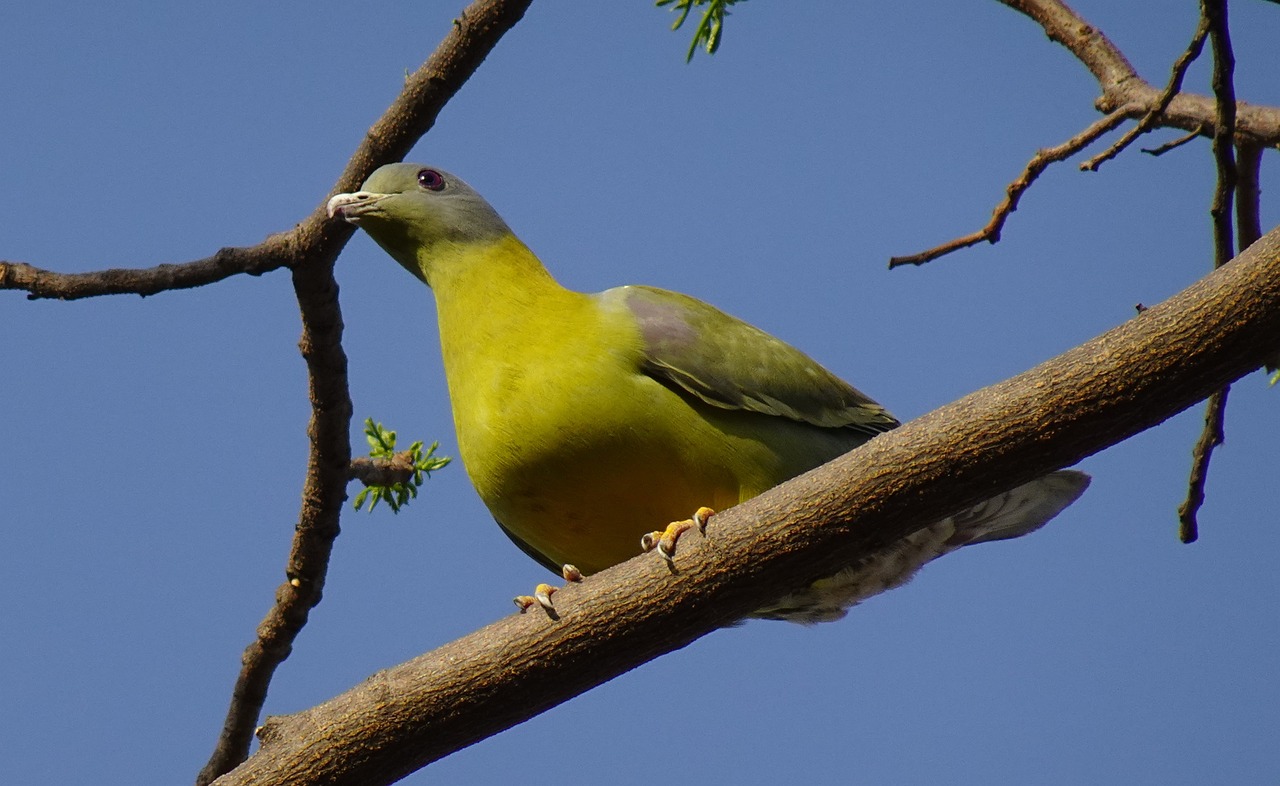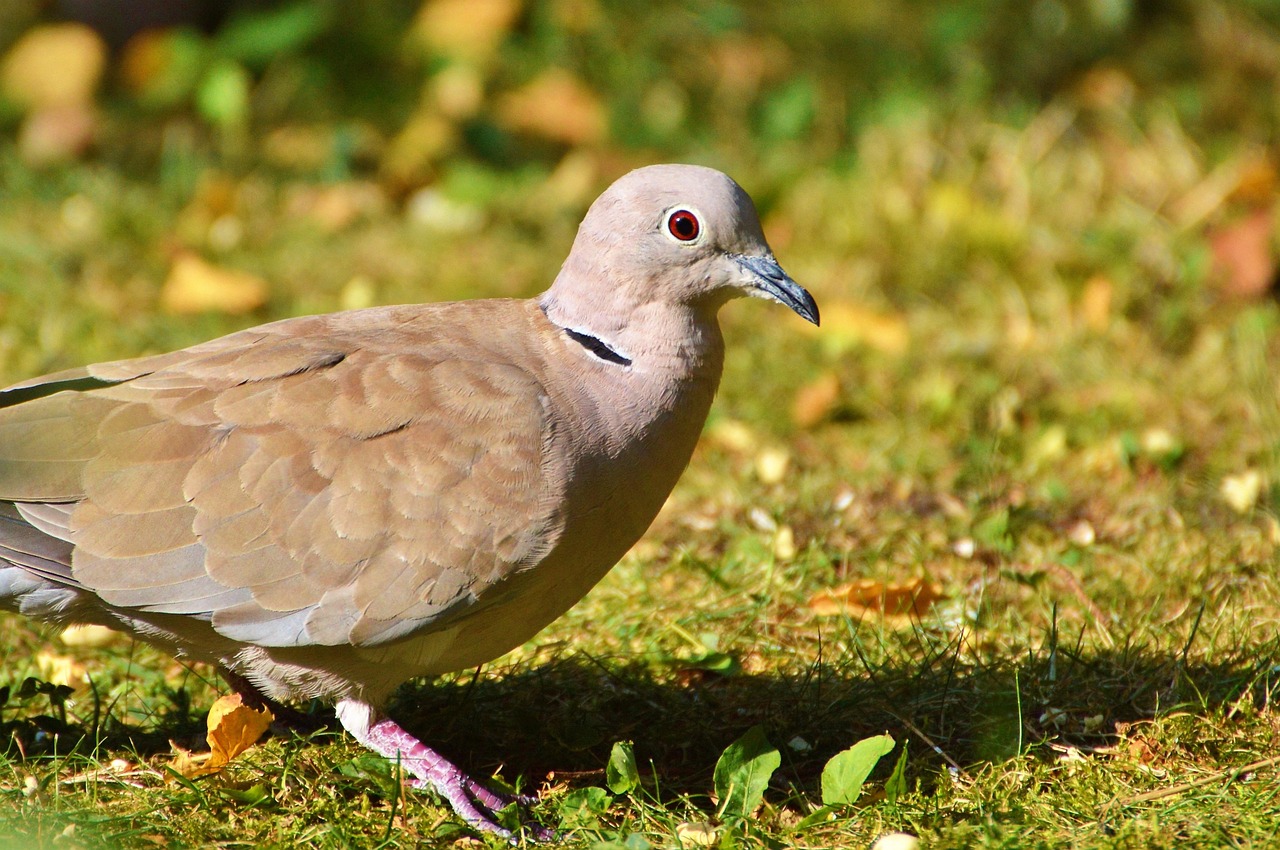
Kashki pigeons, a cherished Arabian breed, captivate enthusiasts with their unique aesthetics and spirited nature. This article delves into an artistic analysis and practical selection criteria, offering insights for both novice and experienced pigeon keepers. We explore the breed's allure, advantages, and potential drawbacks to guide your journey.
Understanding the Kashki Pigeon Breed
The Kashki pigeon, often referred to as حمام كشكي, is a distinguished member of the Arabian pigeon family, known for its elegant posture and vibrant plumage. Originating from the Middle East, this breed has been selectively bred for centuries, resulting in a bird that embodies both beauty and resilience. Its popularity stems from its adaptability to various climates and its role in cultural traditions, making it a favorite among pigeon fanciers worldwide. Understanding its history and characteristics is the first step toward appreciating this remarkable breed.
Historical Background and Origins
The origins of the Kashki pigeon trace back to ancient Arabian regions, where they were prized for their ornamental value and flying abilities. Historical records suggest that these pigeons were often kept by nobility, symbolizing status and elegance. Over time, selective breeding enhanced their distinctive features, such as their compact body and expressive eyes, solidifying their place in pigeon husbandry. This rich heritage not only adds to their charm but also informs modern breeding practices, ensuring the preservation of their unique traits for future generations.
In contemporary settings, the Kashki pigeon continues to be a symbol of cultural pride, with enthusiasts dedicating efforts to maintain its purity. The breed's evolution reflects a blend of tradition and innovation, making it a fascinating subject for study. By exploring its past, we gain a deeper appreciation for the careful craftsmanship involved in its development, highlighting why it remains a top choice for pigeon lovers seeking a breed with historical significance and enduring appeal.
Physical Characteristics and Appearance
Kashki pigeons are renowned for their striking physical attributes, which include a well-proportioned body, glossy feathers, and a distinctive head shape that sets them apart from other breeds. Their plumage often features a mix of colors, such as white, black, and brown, with patterns that can vary widely among individuals. Key features include a strong beak, alert eyes, and a graceful neck, contributing to their overall aesthetic appeal. These characteristics not only make them visually appealing but also indicate their health and vitality, essential for successful breeding.
Beyond beauty, the physical traits of Kashki pigeons play a crucial role in their functionality, such as their ability to fly with agility and endurance. Enthusiasts often evaluate birds based on standards that emphasize symmetry and color intensity, ensuring that only the finest specimens are selected for shows or breeding programs. Understanding these attributes helps in identifying high-quality pigeons, making it easier to appreciate the breed's artistic merits while assessing its practical benefits in aviculture.
Advantages of Owning Kashki Pigeons
Owning Kashki pigeons comes with numerous benefits, from their low maintenance needs to their engaging personalities. These birds are known for their hardiness, making them suitable for beginners and experts alike. Their social nature allows them to thrive in group settings, providing endless entertainment and companionship. Additionally, their aesthetic appeal enhances any loft, turning it into a centerpiece of beauty and interest for visitors and family members.
Ease of Care and Maintenance
Kashki pigeons are relatively easy to care for, requiring basic housing, a balanced diet, and regular health checks. They adapt well to various environments, reducing the need for specialized equipment or extensive modifications. A simple loft with adequate ventilation and protection from predators is sufficient, along with a diet consisting of grains, seeds, and fresh water. This low-maintenance aspect makes them an ideal choice for those new to pigeon keeping, as it minimizes initial costs and ongoing efforts.
Regular grooming and monitoring can prevent common issues, such as feather mites or respiratory problems, ensuring a long and healthy life for your pigeons. By establishing a routine that includes cleaning and observation, owners can enjoy the rewards of pigeon ownership without significant stress. This advantage not only saves time and resources but also allows more focus on breeding and training, enhancing the overall experience of raising حمام كشكي.
Behavioral and Social Benefits
Kashki pigeons exhibit friendly and inquisitive behaviors, making them delightful companions that can form strong bonds with their owners. Their social interactions include cooing, preening, and playful flights, which can reduce stress and provide a sense of tranquility. In group settings, they display hierarchy and cooperation, offering insights into avian social structures that fascinate observers. These behavioral traits make them excellent for educational purposes or simply as pets that bring joy to everyday life.
Moreover, their intelligence allows for basic training, such as responding to calls or performing simple tricks, adding an interactive element to ownership. This engagement fosters a deeper connection between humans and birds, promoting mental stimulation for both. The social benefits extend to community involvement, as pigeon keeping often leads to friendships with other enthusiasts, creating a supportive network for sharing tips and experiences related to عيوب ومميزات of the breed.
Disadvantages and Common Issues
Despite their many advantages, Kashki pigeons have certain drawbacks that potential owners should consider. These include susceptibility to specific health problems and behavioral challenges that require attention. Understanding these عيوب ومميزات helps in making informed decisions, ensuring that you are prepared for the responsibilities involved. By addressing these issues proactively, you can mitigate risks and enjoy a more rewarding pigeon-keeping experience.
Health Concerns and Vulnerabilities
Kashki pigeons can be prone to health issues like parasitic infections, respiratory diseases, and nutritional deficiencies if not properly cared for. Common problems include canker, worms, and feather plucking, which often arise from poor hygiene or inadequate diet. Regular veterinary check-ups and a clean environment are essential to prevent these ailments, as early detection can save time and expenses. Owners should be vigilant for signs of illness, such as lethargy or loss of appetite, and seek professional advice when needed.
Preventive measures, such as vaccinations and quarantine for new birds, can significantly reduce health risks. Additionally, providing a balanced diet rich in vitamins and minerals supports immune function, helping pigeons resist infections. While these concerns are manageable, they highlight the importance of commitment and knowledge in pigeon husbandry, ensuring that the joys of owning حمام كشكي are not overshadowed by preventable issues.
Behavioral and Environmental Challenges
Behavioral issues in Kashki pigeons may include aggression during breeding seasons or noise from constant cooing, which can be disruptive in residential areas. They might also exhibit territorial behaviors, leading to conflicts in mixed flocks. Environmental factors, such as extreme weather or inadequate space, can exacerbate these problems, causing stress and reduced well-being. Addressing these challenges requires thoughtful loft design and behavioral training to promote harmony among birds.
- Aggression management through separation or enrichment activities
- Noise reduction strategies, like soundproofing or timed feeding
- Space optimization to prevent overcrowding and stress
By implementing solutions like these, owners can minimize disadvantages and create a positive environment. It's crucial to weigh these factors against the breed's benefits, as doing so ensures a balanced approach to pigeon keeping that respects both the birds' needs and the owner's lifestyle.
Artistic Analysis of Kashki Pigeons
The artistic appeal of Kashki pigeons lies in their graceful forms and vibrant colors, which have inspired artists and breeders alike. This section explores their aesthetic qualities from a visual perspective, highlighting how their features contribute to their status as living art. By examining elements like symmetry and color patterns, we can appreciate why they are so highly valued in exhibitions and cultural displays.
Visual Symmetry and Proportion
Kashki pigeons are celebrated for their balanced proportions, with bodies that exhibit harmony in size, shape, and posture. Ideal specimens feature a straight back, well-angled wings, and a head that complements the overall structure, creating a pleasing visual flow. This symmetry is not just about beauty; it often correlates with health and breeding potential, making it a key criterion in competitions. Enthusiasts use detailed scoring systems to evaluate these aspects, emphasizing the importance of precision in pigeon aesthetics.
In artistic terms, the proportion of Kashki pigeons can be compared to classical sculptures, where every element contributes to a cohesive whole. This makes them a favorite subject for photography and painting, capturing their elegance in various mediums. By understanding these visual principles, owners can better select and breed pigeons that exemplify the breed's standards, enhancing both their personal collections and the broader community's appreciation for حمام كشكي.
Color Patterns and Feather Quality
The feather quality and color patterns of Kashki pigeons are central to their artistic value, with variations that include solid hues, mottled designs, and iridescent sheens. These patterns are often genetically influenced, allowing breeders to produce specific looks through careful pairing. High-quality feathers are smooth, dense, and free from defects, reflecting good health and proper nutrition. In shows, judges assess these traits rigorously, rewarding pigeons that display exceptional color clarity and texture.
Beyond aesthetics, feather quality impacts functionality, such as insulation and flight efficiency. Owners can maintain optimal conditions by providing a diet rich in proteins and fats, along with regular grooming to prevent damage. This attention to detail not only preserves the breed's beauty but also supports its practical roles, demonstrating how art and utility intersect in the world of pigeon keeping. Exploring these aspects deepens our understanding of عيوب ومميزات related to appearance and care.
Guidelines for Selecting Healthy Kashki Pigeons
Selecting the right Kashki pigeons involves evaluating health, temperament, and conformity to breed standards. This process ensures that you acquire birds that will thrive in your care and contribute positively to your loft. By following practical guidelines, you can avoid common pitfalls and build a strong foundation for breeding or companionship, making informed choices based on observable traits and expert advice.
Health Assessment Criteria
When selecting Kashki pigeons, start by examining their overall health through signs like bright eyes, clean nostrils, and active behavior. Check for any abnormalities, such as limping or labored breathing, which could indicate underlying issues. A healthy bird should have a firm breastbone, indicating good muscle condition, and smooth feathers without bald patches or parasites. It's also wise to inquire about vaccination history and previous health records from breeders to ensure a sound start.
Conducting a hands-on assessment allows you to feel for any lumps or injuries, while observing their eating and drinking habits can reveal digestive problems. If possible, quarantine new birds before introducing them to your flock to prevent disease spread. This thorough approach minimizes risks and sets the stage for a successful ownership experience, aligning with best practices in avian care for حمام كشكي.
Temperament and Compatibility Evaluation
Assessing the temperament of Kashki pigeons is crucial for integration into existing flocks or family settings. Look for birds that are calm yet alert, showing curiosity without excessive fear or aggression. Compatibility with other pigeons can be tested through supervised interactions, noting how they establish pecking orders or share resources. A well-tempered pigeon is easier to handle and train, reducing stress for both the bird and owner.
- Observe interactions in group settings for signs of harmony or conflict
- Test responsiveness to human presence with gentle approaches
- Consider age and background, as younger birds may adapt more easily
By prioritizing temperament, you enhance the social dynamics of your loft, promoting a peaceful environment. This evaluation complements health checks, providing a holistic view of what to expect from your new pigeons and helping you manage any عيوب ومميزات effectively.
Breeding and Long-Term Care Strategies
Breeding Kashki pigeons requires careful planning to maintain genetic diversity and health, while long-term care ensures their well-being over years. This section covers best practices for successful reproduction and ongoing management, emphasizing sustainability and ethical considerations. By adopting these strategies, you can contribute to the preservation of the breed and enjoy the rewards of raising generations of beautiful pigeons.
Breeding Techniques and Genetic Considerations
Effective breeding of Kashki pigeons involves selecting pairs with complementary traits, such as color patterns and health histories, to produce strong offspring. Techniques like line breeding or outcrossing can enhance desirable characteristics while minimizing genetic defects. It's important to keep detailed records of pedigrees and breeding outcomes to track progress and avoid inbreeding, which can lead to health issues. This systematic approach supports the breed's longevity and quality.
Genetic considerations include testing for common disorders and ensuring a diverse gene pool through collaborations with other breeders. By participating in clubs or online communities, you can exchange knowledge and birds, enriching your breeding program. This not only improves your flock but also strengthens the global community of حمام كشكي enthusiasts, fostering innovation and shared success in pigeon husbandry.
Long-Term Health and Environmental Management
Long-term care for Kashki pigeons focuses on preventive health measures and adaptable environments that support their changing needs over time. This includes regular vet visits, balanced nutrition tailored to different life stages, and loft maintenance to prevent wear and tear. As pigeons age, they may require special attention, such as softer perches or adjusted diets, to maintain comfort and vitality.
Environmental management involves monitoring factors like temperature, humidity, and space to prevent stress-related issues. Seasonal adjustments, such as providing shade in summer or insulation in winter, ensure year-round well-being. By committing to these practices, owners can extend the lifespan of their pigeons and enjoy enduring companionship, highlighting the importance of dedication in realizing the full عيوب ومميزات of Kashki pigeon ownership.
Conclusion
In summary, Kashki pigeons offer a blend of aesthetic beauty and practical benefits, with advantages like ease of care and social engagement, balanced by disadvantages such as health vulnerabilities and behavioral challenges. By applying the insights on selection, breeding, and care, you can maximize the joys of owning this Arabian breed. For expert guidance and resources, consider reaching out to Ghawy – Pigeon Manager (غاوي – إدارة الحمام) to enhance your pigeon-keeping journey with trusted support.