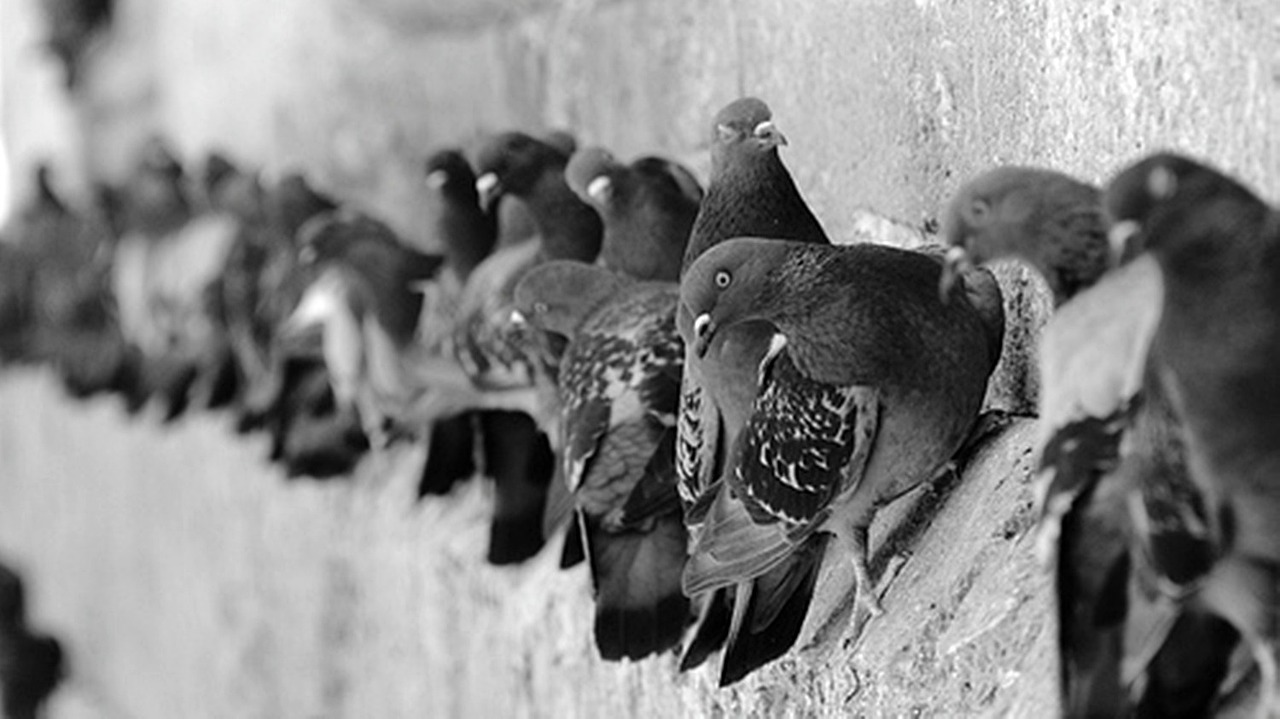
The King pigeon, known as 'حمام كنجي' in Arabic, has become a highly sought-after breed in the Gulf market, captivating enthusiasts with its unique characteristics and cultural significance. This article delves into the specifications that make this pigeon a standout choice, exploring its origins, physical traits, and the booming demand in regions like Saudi Arabia and the UAE. By understanding these aspects, breeders and hobbyists can better appreciate why the King pigeon reigns supreme in the السوق الخليجي.
Origins and Historical Background of the King Pigeon
The King pigeon boasts a rich history that traces back to selective breeding practices aimed at enhancing its utility and beauty. Originally developed for meat production, this breed has evolved into a symbol of prestige among pigeon fanciers in the Gulf, where its heritage is deeply intertwined with local traditions. In this section, we explore how the King pigeon's journey from practical beginnings to luxury status has shaped its current popularity.
Early Development and Breeding Practices
The early development of the King pigeon involved meticulous cross-breeding with other strains to achieve a balance of size, temperament, and resilience. Breeders focused on traits like rapid growth and disease resistance, which were essential for survival in varied climates. Over time, these efforts resulted in a pigeon that not only met practical needs but also exhibited aesthetic appeal, making it a favorite in shows and competitions. The evolution of breeding techniques has played a crucial role in refining the King pigeon's characteristics, ensuring it remains a top choice in the السوق الخليجي.
In the Gulf region, the adoption of advanced breeding methods has accelerated the King pigeon's refinement, with enthusiasts often sharing knowledge through local clubs and online forums. This collaborative approach has led to strains that are better adapted to the harsh desert environment, highlighting the breed's versatility. As a result, the King pigeon has become more than just a bird; it represents a legacy of innovation and passion among Arab breeders.
Cultural Significance in the Gulf
The King pigeon holds a special place in Gulf culture, often associated with hospitality, status, and traditional pigeon-keeping customs. In countries like Kuwait and Qatar, owning these pigeons is seen as a mark of distinction, with many families passing down breeding knowledge through generations. This cultural embrace has fueled demand, as the birds are frequently featured in social gatherings and festivals.
Moreover, the rise of pigeon racing and exhibitions in the السوق الخليجي has further elevated the King pigeon's status, turning it into a competitive asset. Events draw large crowds, where breeders showcase their finest specimens, emphasizing traits like color and posture. This cultural integration not only sustains interest but also drives innovation in breeding, ensuring the King pigeon remains a cornerstone of regional pigeon fancying.
Physical Characteristics and Unique Traits
Understanding the physical attributes of the King pigeon is key to appreciating its appeal in the Gulf market. This breed is renowned for its robust build, distinctive colors, and overall elegance, which set it apart from other varieties. In this section, we break down the specific features that make the حمام كنجي a standout, from its body structure to its behavioral quirks.
Body Structure and Size
The King pigeon typically exhibits a large, muscular body with a broad chest and strong wings, making it both imposing and graceful. Adults can weigh between 1.5 to 2 kilograms, with a height that adds to their majestic presence. This size not only contributes to their meat value but also enhances their visual appeal in shows, where judges look for proportionality and strength.
In the السوق الخليجي, breeders prioritize pigeons with well-defined features, such as a short beak and alert eyes, which are indicators of good health and vitality. The sturdy legs and feet allow for stable perching, essential in the often windy conditions of the Gulf. These physical traits are carefully selected through breeding programs, ensuring that each generation maintains the high standards demanded by enthusiasts.
Color Variations and Markings
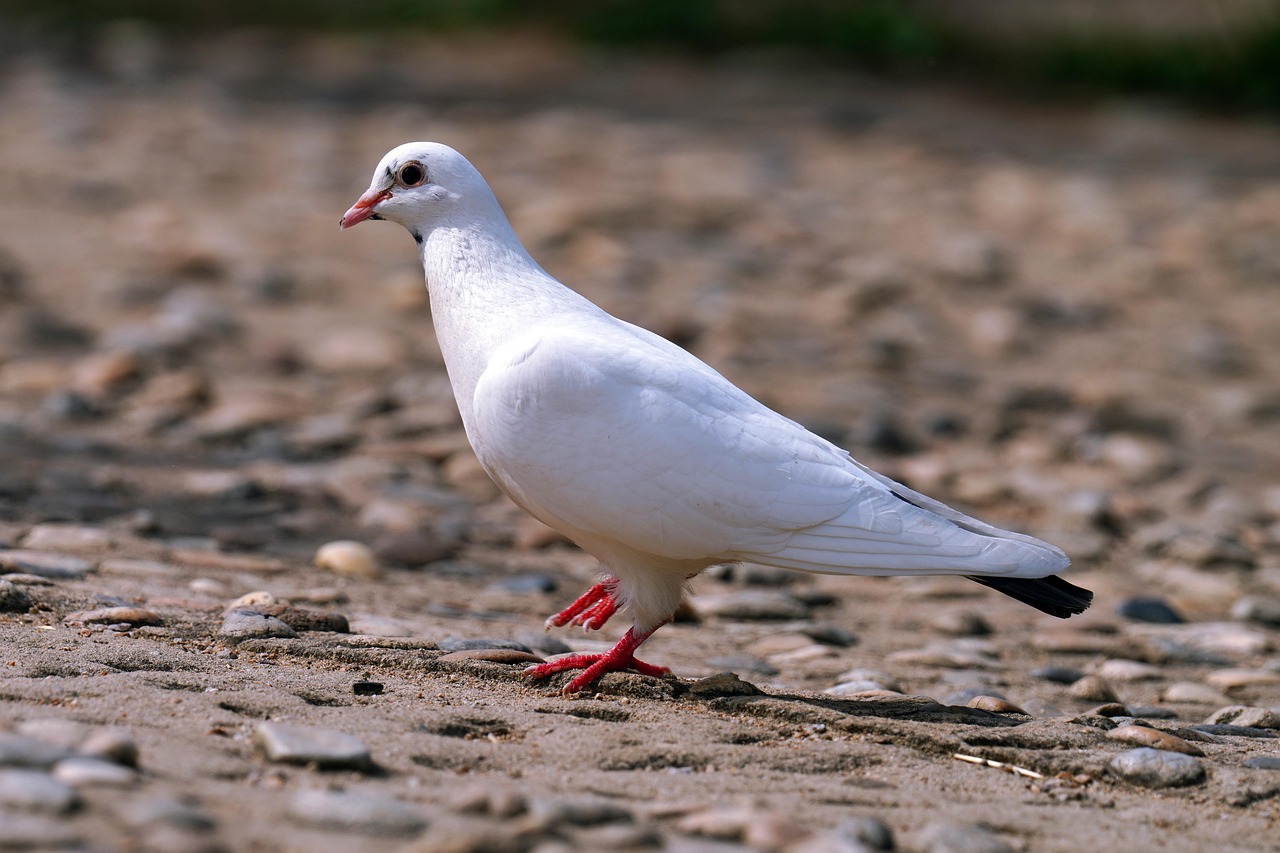
King pigeons come in a wide array of colors, including pure white, black, red, and mottled patterns, each adding to their allure. In the Gulf, certain hues like silver and blue are particularly prized for their rarity and aesthetic harmony with traditional settings. The feathers are often glossy and well-groomed, reflecting the care invested by breeders.
Markings such as bars or lacing on the wings can increase a pigeon's value, especially if they are symmetrical and vibrant. Breeders in the السوق الخليجي often use these traits to differentiate their stock, with some colors symbolizing luck or prosperity. This diversity not only makes the حمام كنجي visually striking but also allows for personalization in collections, catering to varied tastes across the region.
Behavior and Temperament Insights
The behavior and temperament of the King pigeon play a significant role in its suitability for the Gulf market, where ease of handling and social compatibility are highly valued. This breed is known for its calm and docile nature, making it ideal for both novice and experienced keepers. In this section, we explore how these behavioral traits contribute to its popularity and practical management.
Social Dynamics and flock Behavior
King pigeons are inherently social birds that thrive in flock settings, often displaying cooperative behaviors that minimize aggression. In the السوق الخليجي, this makes them easy to integrate into existing aviaries, where they can coexist peacefully with other breeds. Their tendency to form strong bonds with handlers enhances the keeping experience, fostering a sense of companionship.
Observations show that these pigeons engage in playful activities and vocalizations, which can be soothing and entertaining for owners. This social adaptability is crucial in the Gulf, where pigeon-keeping is often a family-oriented hobby. By promoting harmony within flocks, the King pigeon reduces the stress of management, allowing breeders to focus on refinement and enjoyment.
Training and Handling Ease
Thanks to their intelligent and responsive nature, King pigeons are relatively easy to train for tasks like homing or show presentations. Breeders in the Gulf utilize positive reinforcement techniques to teach behaviors, such as returning to lofts or performing in competitions. This trainability not only adds to their utility but also deepens the bond between bird and keeper.
In practical terms, handling these pigeons requires minimal effort due to their gentle disposition, reducing the risk of injury during care routines. For those in the السوق الخليجي, this ease of management translates to lower maintenance costs and higher satisfaction. Whether for exhibition or leisure, the King pigeon's temperament ensures a rewarding experience for all involved.
Market Demand and Economic Factors in the Gulf
The demand for King pigeons in the Gulf market is driven by a combination of cultural trends, economic factors, and the breed's inherent qualities. This section examines how the السوق الخليجي has evolved to become a hotspot for these birds, highlighting key drivers like pricing, availability, and consumer preferences.
Pricing Trends and Investment Potential
In recent years, the price of high-quality King pigeons has surged in the Gulf, with specimens fetching thousands of dollars depending on their traits and pedigree. This trend reflects the breed's status as a luxury item, where investors see potential for appreciation through breeding and sales. The السوق الخليجي's affluent consumer base often views these pigeons as both a hobby and a financial asset.
Factors influencing pricing include rarity of color, health certifications, and competition wins, which can significantly boost a pigeon's value. Breeders capitalize on this by maintaining detailed records and participating in auctions, where demand consistently outstrips supply. For enthusiasts, understanding these economic dynamics is essential for making informed purchases and maximizing returns.
Supply Chain and Availability Challenges
Despite high demand, the supply of King pigeons in the Gulf can be constrained by factors like breeding cycles, import regulations, and climate adaptability. Local breeders often face challenges in producing enough quality birds to meet market needs, leading to reliance on imports from other regions. This scarcity drives up prices and fuels competition among suppliers.
To address these issues, many in the السوق الخليجي are investing in advanced breeding facilities and partnerships to ensure a steady flow of حمام كنجي. Initiatives like genetic testing and health monitoring help maintain stock quality, reducing the risks associated with limited availability. By overcoming these hurdles, the market continues to thrive, offering opportunities for growth and innovation.
Breeding and Care Best Practices
Successful breeding and care are fundamental to maintaining the quality and health of King pigeons, especially in the demanding Gulf environment. This section provides actionable insights into optimal practices, from nutrition to housing, ensuring that breeders can achieve the best outcomes for their flocks.
Nutritional Requirements and Diet Plans
A balanced diet is crucial for King pigeons, supporting their growth, reproduction, and overall vitality. In the السوق الخليجي, breeders typically use a mix of grains, seeds, and supplements to meet nutritional needs, with an emphasis on proteins and vitamins. Proper feeding not only enhances physical traits but also boosts immunity against common diseases.
- Include high-protein sources like peas and lentils for muscle development.
- Supplement with vitamins A and E to improve feather quality and reproductive health.
- Ensure access to clean water at all times, especially in hot climates.
By tailoring diets to the specific needs of the حمام كنجي, breeders can promote longevity and performance, making their pigeons more competitive in the market. Regular adjustments based on age and activity level help maintain optimal health, contributing to the breed's enduring appeal.
Housing and Environmental Management
Providing adequate housing is essential for King pigeons, particularly in the Gulf's extreme temperatures. Lofts should be well-ventilated, shaded, and protected from predators, with enough space to prevent overcrowding. In the السوق الخليجي, many breeders use insulated materials and automated systems to regulate temperature and humidity.
Routine cleaning and disinfection of lofts minimize the risk of infections, ensuring a healthy environment for breeding and raising young. Additionally, incorporating perches and nesting areas encourages natural behaviors, reducing stress and improving overall well-being. These practices not only support the pigeons' health but also enhance their value in exhibitions and sales.
Conclusion
In summary, the King pigeon's exceptional traits, from its physical elegance to its calm temperament, make it a premier choice in the Gulf market. By focusing on proper breeding, care, and understanding market dynamics, enthusiasts can fully leverage the potential of this remarkable breed. For those looking to elevate their pigeon-keeping experience, consider exploring resources with Ghawy – Pigeon Manager (غاوي – إدارة الحمام) to access expert guidance and community support.