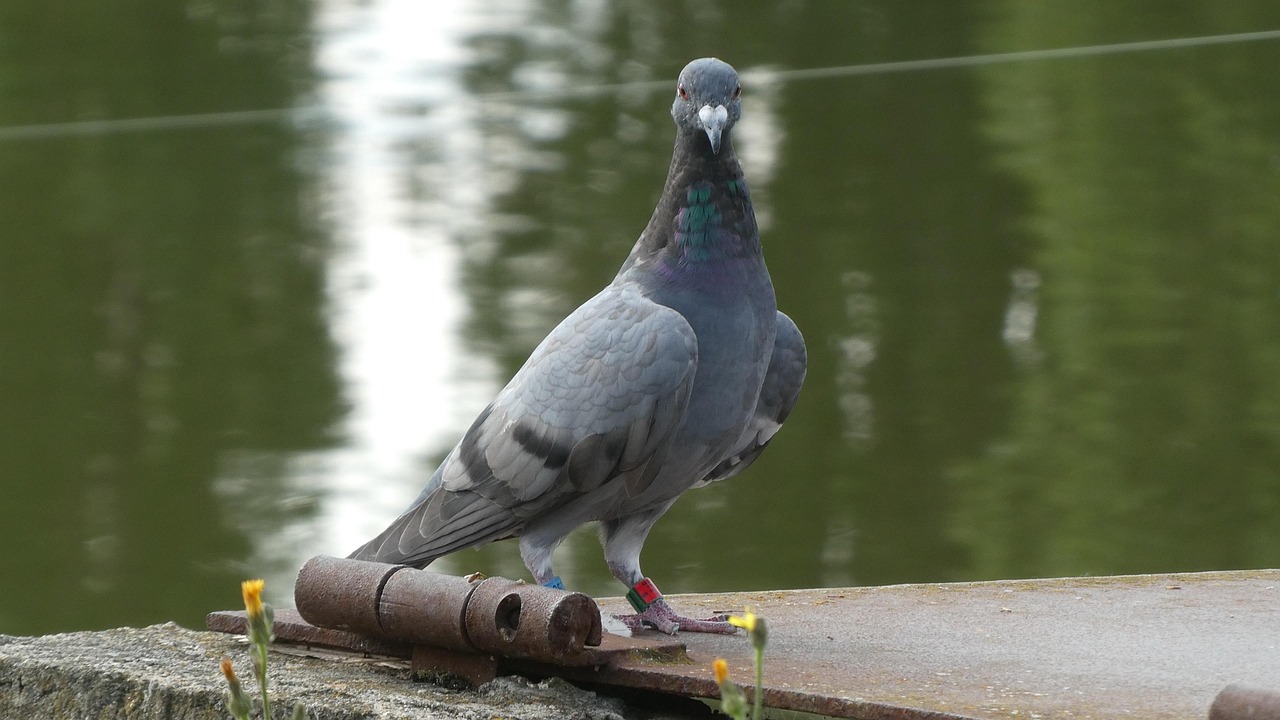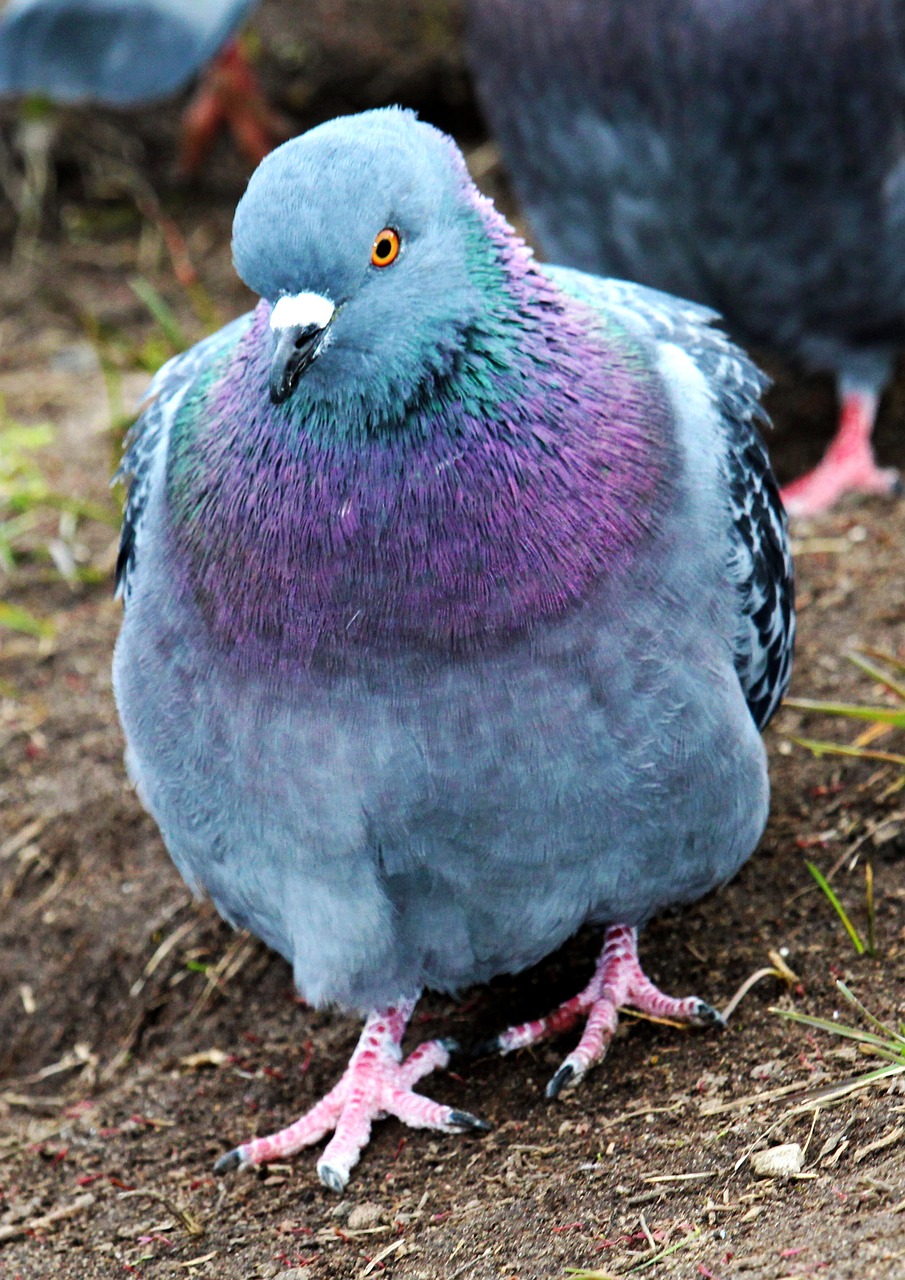
In the world of pigeon racing, safeguarding your prized birds is crucial for preserving genetic lines and ensuring success. This guide explores how modern GPS technology and insurance can protect your pigeons from loss, offering actionable strategies for enthusiasts. By integrating tools like GPS for pigeon safety, you can enhance pigeon protection and secure your investments effectively.
Understanding Pigeon Protection Basics
Pigeon protection starts with recognizing the vulnerabilities these birds face during training and races. Factors like weather, predators, and disorientation can lead to losses, making it essential to adopt preventive measures. A solid foundation in pigeon protection involves regular health checks, secure loft management, and awareness of environmental risks. This proactive approach minimizes the chances of losing valuable birds and maintains the integrity of your flock.
Common Threats to Racing Pigeons
Racing pigeons encounter numerous hazards, from harsh weather conditions to predatory birds and human interference. For instance, sudden storms can disorient pigeons, causing them to stray off course, while hawks pose a constant threat during flights. Understanding these risks allows owners to implement targeted safety protocols, such as timing training sessions during calm weather and using deterrents for predators. By identifying and mitigating these dangers, you can significantly reduce the likelihood of losses and protect your genetic assets.
Another critical aspect is the risk of theft or accidental capture, which can occur when pigeons land in unfamiliar areas. Educating local communities about pigeon racing and using identification bands can help in recovery efforts. Additionally, maintaining detailed records of your birds' characteristics and lineage aids in quick identification if they go missing. This comprehensive approach to pigeon protection ensures that every potential threat is addressed, fostering a safer environment for your pigeons.
Building a Secure Loft Environment
A secure loft is the cornerstone of effective pigeon protection, providing a safe haven for birds to rest and recover. Start by designing lofts with sturdy materials, proper ventilation, and protection from extreme temperatures to prevent stress and illness. Regularly inspect for gaps or weak points that could allow predators to enter, and install mesh or netting as needed. This not only safeguards the pigeons but also promotes their overall well-being, leading to better performance in races.
Beyond physical security, consider the loft's location and layout to minimize exposure to risks. Placing lofts away from busy roads or areas with high predator activity reduces the chances of accidents or attacks. Implementing hygiene practices, such as cleaning feeders and water sources daily, prevents diseases that could weaken the flock. By focusing on these elements, you create a foundation for long-term pigeon protection, ensuring your birds remain healthy and resilient against external threats.
Leveraging GPS for Pigeon Safety
GPS technology has revolutionized pigeon racing by providing real-time tracking and location data, enhancing pigeon safety during flights. Devices attached to pigeons transmit coordinates, allowing owners to monitor their routes and intervene if they veer off course. This not only prevents losses but also offers insights into flight patterns, helping to optimize training regimens. Embracing GPS for pigeon safety is a game-changer for enthusiasts seeking to protect their investments and improve race outcomes.
How GPS Tracking Works in Pigeon Racing
GPS tracking systems for pigeons typically involve lightweight devices that attach to the bird's leg or back, using satellites to pinpoint locations with high accuracy. These devices send data to a mobile app or computer, enabling owners to view live maps of their pigeons' movements. For example, if a pigeon slows down or changes direction unexpectedly, alerts can be triggered, allowing for quick retrieval. This technology transforms pigeon protection by providing a digital safety net, reducing the anxiety associated with long-distance races.
The benefits extend beyond mere tracking; GPS data can analyze flight efficiency, identify common hazards along routes, and even predict weather-related risks. By reviewing historical data, owners can adjust training schedules to avoid high-risk periods, such as times of day with increased predator activity. Integrating GPS for pigeon safety into daily practices not only safeguards individual birds but also contributes to broader knowledge in the pigeon racing community, fostering a culture of innovation and care.
Choosing the Right GPS Devices
Selecting appropriate GPS devices is crucial for effective pigeon safety, as factors like weight, battery life, and durability impact performance. Look for devices specifically designed for pigeons, ensuring they are lightweight to avoid hindering flight and have long battery life to cover extended races. Waterproof and shock-resistant features are also important, as pigeons may encounter rain or rough landings. Reading reviews and consulting with other enthusiasts can help you find reliable options that suit your needs.
Once you have a device, proper installation and calibration are key to maximizing its benefits. Attach the tracker securely but comfortably, and test it in controlled environments before relying on it during races. Regularly update the software to access new features and improve accuracy. By investing in quality GPS for pigeon safety, you empower yourself with tools that enhance pigeon protection, making it easier to manage your flock and respond to emergencies promptly.
Exploring Racing Pigeon Insurance Options
Racing pigeon insurance provides financial protection against losses, covering scenarios like theft, injury, or death during competitions. This safety net complements physical and technological measures, ensuring that even if a bird is lost, the investment is not entirely wasted. Policies vary, so it's important to understand coverage limits, exclusions, and premiums to choose the best fit for your situation. Incorporating racing pigeon insurance into your strategy adds a layer of security that supports long-term pigeon protection.
Types of Insurance Coverage Available
Insurance for racing pigeons can include mortality coverage, which pays out if a bird dies due to accidents or illnesses, and theft protection, which covers losses from unauthorized taking. Some policies also offer liability coverage in case your pigeon causes damage or injury to others, though this is less common. Evaluating your specific risks, such as the value of your birds and the frequency of races, helps in selecting comprehensive racing pigeon insurance that addresses your primary concerns.
- Mortality insurance for accidental death or disease
- Theft and stray coverage for lost or stolen birds
- Optional add-ons for veterinary expenses or race cancellations
When comparing policies, consider factors like claim processes, waiting periods, and whether pre-existing conditions are excluded. Working with insurers experienced in avian coverage ensures that you get tailored advice and fair terms. By securing racing pigeon insurance, you mitigate financial risks and focus on enjoying the sport, knowing that your genetic assets are protected even in worst-case scenarios.
Integrating Insurance with Safety Measures
Combining racing pigeon insurance with proactive safety practices creates a holistic approach to pigeon protection. For instance, using GPS for pigeon safety can reduce the likelihood of claims by preventing losses, potentially lowering insurance premiums over time. Documenting your safety protocols, such as loft security and training routines, may also strengthen your insurance applications by demonstrating responsible ownership. This synergy between technology and insurance maximizes the benefits for pigeon enthusiasts.
Regularly review and update your insurance policy as your flock grows or your racing activities change. Keep records of bird values, health histories, and safety investments to streamline claims if needed. By viewing racing pigeon insurance as part of a broader strategy, you ensure that all aspects of pigeon protection are covered, from prevention to financial recovery. This integrated approach not only safeguards your birds but also enhances your peace of mind in the competitive world of pigeon racing.
Implementing a Comprehensive Protection Plan
Developing a full protection plan involves combining GPS for pigeon safety, insurance, and traditional methods to create a robust defense against losses. Start by assessing your current setup, identifying weaknesses, and setting goals for improvement. This might include upgrading lofts, investing in tracking technology, and researching insurance options. A step-by-step approach ensures that each element is implemented effectively, leading to stronger pigeon protection overall.
Steps to Create Your Protection Strategy
Begin by conducting a risk assessment to pinpoint the most significant threats to your pigeons, such as local predator populations or common flight hazards. Based on this, prioritize actions like installing GPS devices or enhancing loft security. Set a budget for these investments, considering the long-term savings from reduced losses and potential insurance benefits. Involving other pigeon keepers in your planning can provide valuable insights and support.
- Assess risks and set protection priorities
- Allocate resources for technology and insurance
- Monitor and adjust the plan regularly
Next, implement the plan gradually, starting with low-cost measures like improving loft hygiene before moving to more expensive options like GPS for pigeon safety. Track the effectiveness of each change by monitoring loss rates and bird health over time. This iterative process allows you to refine your strategy, ensuring that your pigeon protection efforts are both efficient and sustainable. By taking a methodical approach, you build a resilient system that adapts to evolving challenges.
Monitoring and Adapting Your Approach
Continuous monitoring is essential for maintaining effective pigeon protection, as conditions and risks can change over time. Use data from GPS trackers to identify patterns in pigeon behavior and adjust training routes accordingly. Regularly review insurance policies to ensure they still meet your needs, especially after acquiring new birds or entering more races. Staying informed about advancements in safety technology and best practices keeps your plan up-to-date.
Engage with the pigeon racing community to share experiences and learn from others' successes and failures. Attend workshops or online forums focused on pigeon protection to gain new ideas and support. By remaining proactive and flexible, you can quickly address emerging threats and optimize your strategies. This ongoing commitment not only protects your genetic assets but also enhances your enjoyment and success in pigeon racing, making it a rewarding endeavor for years to come.
Conclusion
Protecting your pigeons requires a multi-faceted approach that blends technology, insurance, and diligent care. By leveraging GPS for pigeon safety, you can track and secure your birds in real-time, while racing pigeon insurance offers financial backup against unforeseen events. Implementing these strategies within a comprehensive protection plan ensures that your genetic assets are safeguarded, allowing you to focus on the thrill of racing. For expert tools and support, consider exploring Ghawy – Pigeon Manager (غاوي – إدارة الحمام) to streamline your efforts and enhance your pigeon protection journey.