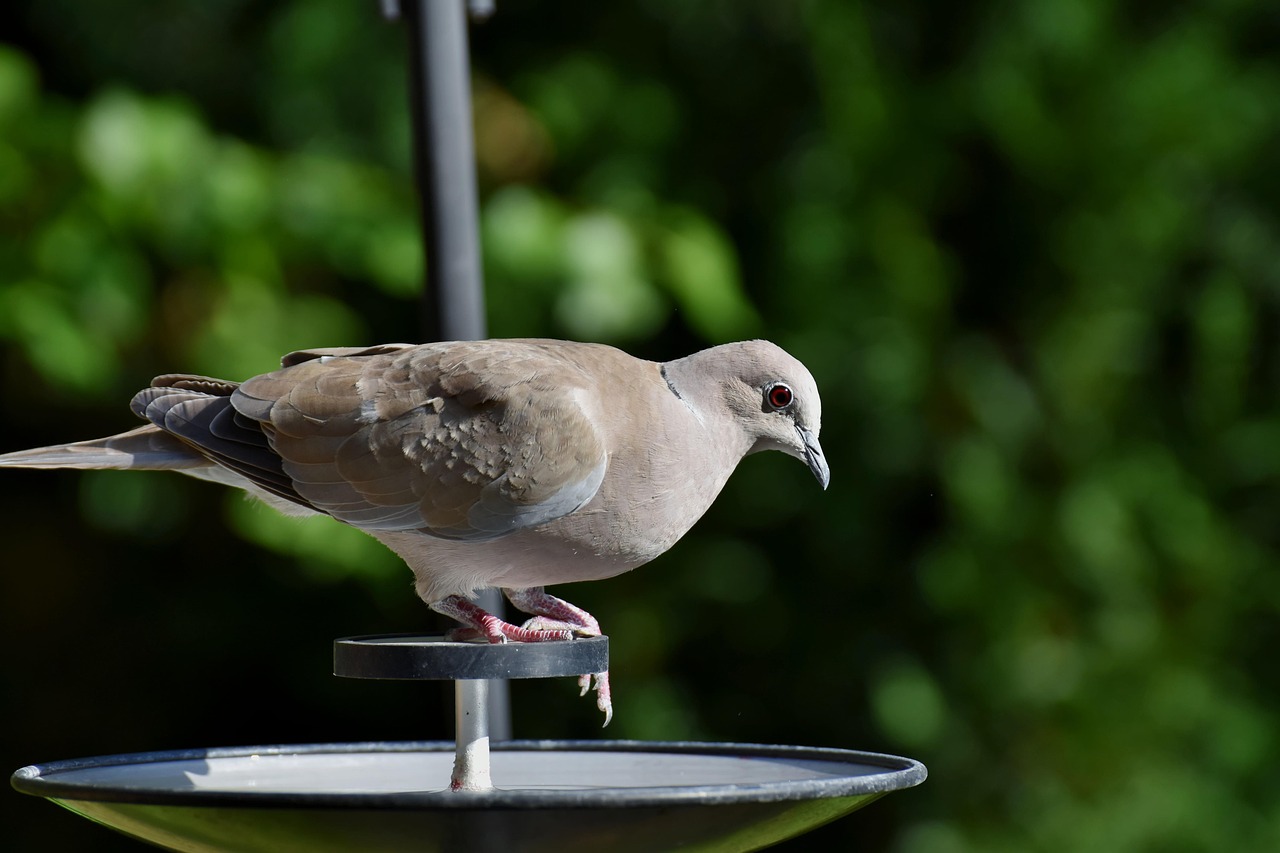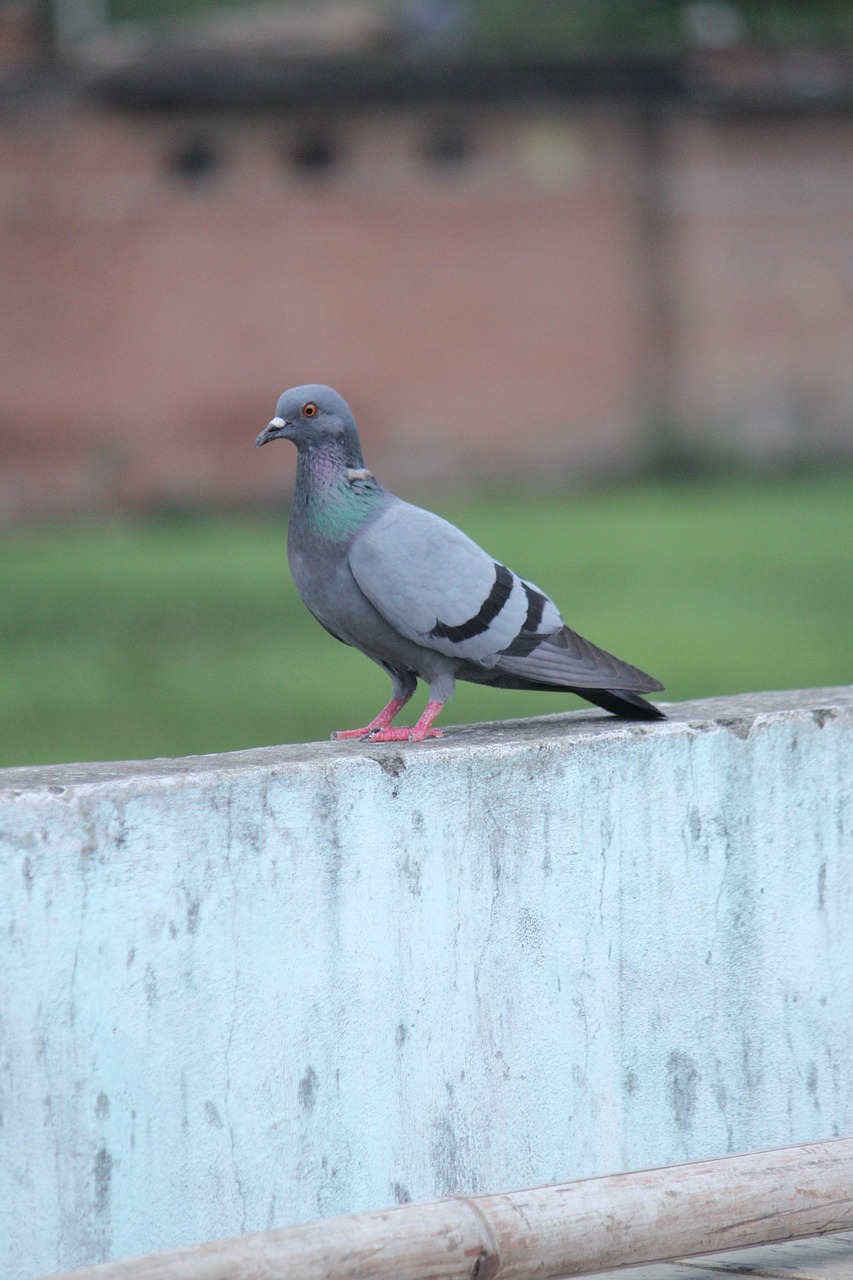
The darkness system is a revolutionary technique in pigeon racing, designed to enhance the conditioning of young birds by manipulating their exposure to light. This method accelerates maturity and improves performance, making it a cornerstone for serious enthusiasts. By understanding and implementing this system, breeders can achieve superior results in competitions.
Understanding the Darkness System
The darkness system involves controlling the light cycles for young pigeons to simulate shorter days, which triggers physiological changes that promote better development. This technique is rooted in the natural responses of birds to seasonal light variations, helping them reach peak condition faster. It's a strategic approach that has gained popularity for its effectiveness in preparing pigeons for the rigors of racing.
How the Darkness System Works
At its core, the darkness system works by reducing the daily light exposure for young birds, typically starting when they are weaned. By keeping them in darkened lofts for extended periods, their bodies are tricked into thinking it's the off-season, which delays molting and allows for stronger feather and muscle development. This process not only enhances physical attributes but also boosts mental sharpness, as the birds conserve energy for growth rather than premature activities. Many trainers report that pigeons subjected to this method show increased stamina and resilience during training flights.
Implementing the darkness system requires careful timing and consistency. It's usually applied for several months, with gradual adjustments to light as the racing season approaches. This ensures a smooth transition and prevents stress, which could counteract the benefits. Breeders must monitor the birds' health closely, as improper light management can lead to issues like vitamin deficiencies or behavioral problems. Overall, when done correctly, this system lays a solid foundation for a successful racing career.
Benefits of Using the Darkness System
One of the primary benefits of the darkness system is the accelerated conditioning of young birds, leading to earlier readiness for competitions. This method promotes the development of robust immune systems and superior flight capabilities, as the birds are not distracted by molting during critical growth phases. Additionally, it can result in better homing instincts and reduced fatigue, giving pigeons a competitive edge in long-distance races. Enthusiasts often see improvements in race times and overall team performance.
Beyond physical advantages, the darkness system fosters a calmer demeanor in pigeons, reducing aggression and stress-related behaviors. This makes handling and training easier, contributing to a more harmonious loft environment. By investing in this technique, breeders can achieve higher success rates and build a reputation for excellence in the pigeon racing community. It's a proven strategy that pays dividends in both short-term gains and long-term breeding programs.
Implementing the Darkness System Effectively
To implement the darkness system successfully, breeders need a well-planned approach that considers the specific needs of their pigeons. This involves setting up the loft environment, managing light cycles, and integrating training routines. A methodical implementation ensures that the birds adapt smoothly and reap the full benefits of the technique.
Setting Up the Loft Environment
Creating an optimal loft environment is crucial for the darkness system to work effectively. This includes installing blackout curtains or covers to control light exposure, ensuring proper ventilation to prevent respiratory issues, and maintaining a clean space to avoid diseases. The loft should be dark enough to simulate night conditions during the designated hours, but not so restrictive that it causes discomfort. Temperature control is also important, as fluctuations can stress the birds and hinder development.
In addition to physical setup, breeders should provide adequate perches and nesting areas to support natural behaviors. Using materials that are easy to clean and disinfect helps maintain hygiene, which is vital when birds are in a controlled environment. Regular inspections for pests and mold are recommended to safeguard pigeon health. By prioritizing a stable and safe loft, trainers can maximize the effectiveness of the darkness system and support overall well-being.
Managing Light Cycles and Schedules
Managing light cycles is the heart of the darkness system, requiring precise timing to mimic natural seasonal changes. Typically, young birds are exposed to 8-10 hours of light per day, with the rest in darkness, starting from weaning until a few weeks before the racing season. This schedule should be consistent, using timers for automation to avoid human error. Gradually increasing light exposure as competitions near helps transition the birds back to normal cycles without shock.
It's essential to adjust light cycles based on the pigeons' responses, such as monitoring their molting patterns and energy levels. Overexposure or sudden changes can lead to setbacks, so breeders must be attentive and flexible. Keeping a log of light hours and bird behavior aids in fine-tuning the approach. With diligent management, this method ensures that young birds develop at an optimal pace, ready to excel when it matters most.
Training and Conditioning Young Birds
Training young birds under the darkness system involves a combination of physical exercises and mental preparation to build endurance and skills. This phase is critical for translating the physiological benefits into practical racing advantages. A structured training regimen helps pigeons adapt to flight demands and develop strong homing instincts.
Basic Training Exercises
Basic training exercises for young birds include short, frequent flights to build muscle strength and coordination. Start with loft flying, where pigeons are released from their home base to familiarize themselves with the surroundings. Gradually increase the distance and duration of flights, incorporating obstacle navigation to enhance agility. These exercises should be conducted during the birds' active periods, aligned with their light cycles for maximum efficiency.
Consistency is key in training, with sessions scheduled regularly to reinforce learning and fitness. Using positive reinforcement, such as feeding after successful flights, encourages desired behaviors. Avoid overtraining, as it can lead to exhaustion or injury; instead, focus on progressive challenges that match the birds' development stages. This foundational training sets the stage for advanced conditioning and race readiness.
Advanced Conditioning Techniques
Advanced conditioning techniques build on basic training by introducing elements like group flying, distance challenges, and weather adaptation. Exposing young birds to varied conditions, such as wind or rain, helps them develop resilience and problem-solving skills. Incorporating mock races with other lofts can simulate competition pressure, improving their performance under stress. These methods should be integrated gradually, ensuring that pigeons do not become overwhelmed.
Nutrition plays a vital role in advanced conditioning, with diets tailored to support energy needs and recovery. Supplements like vitamins and electrolytes can enhance stamina, but should be used judiciously to avoid dependencies. Monitoring the birds' health through regular check-ups ensures they remain in peak condition. By combining these techniques with the darkness system, breeders can produce pigeons that are not only physically fit but also mentally prepared for the demands of racing.
Common Challenges and Solutions
Implementing the darkness system can present challenges, such as health issues or behavioral problems, but these can be mitigated with proper knowledge and care. Understanding common pitfalls and their solutions helps breeders maintain a successful program without compromising pigeon welfare.
Health Issues and Prevention
Health issues in the darkness system often stem from inadequate ventilation or poor hygiene, leading to respiratory infections or parasites. To prevent this, ensure lofts have sufficient airflow and are cleaned regularly. Vaccinations and deworming schedules should be followed strictly, and any signs of illness, like lethargy or loss of appetite, must be addressed promptly with veterinary care. A balanced diet rich in nutrients supports immune function and overall health.
Another common issue is vitamin D deficiency due to reduced sunlight exposure, which can affect bone development. Providing supplements or UV lighting in moderation can counteract this, but consult a vet for guidance. Regular health checks and weight monitoring help detect problems early, allowing for quick interventions. By prioritizing preventive measures, breeders can minimize risks and keep their pigeons thriving.
Behavioral Adjustments and Tips
Behavioral challenges, such as increased aggression or anxiety, may arise from the confined conditions of the darkness system. To address this, provide enrichment like toys or varied perches to reduce boredom and stress. Social interactions with other pigeons should be encouraged to maintain flock harmony, and handling the birds gently builds trust. If issues persist, adjusting light cycles or introducing more outdoor time gradually can help.
Training consistency and positive reinforcement are effective in shaping desired behaviors, such as prompt homing. Avoid sudden changes in routine, as pigeons thrive on predictability. Sharing experiences with other enthusiasts through communities or forums can offer valuable insights and support. With patience and observation, most behavioral issues can be resolved, ensuring a positive environment for young birds.
Conclusion
In summary, the darkness system is a powerful tool for enhancing the conditioning of young birds in pigeon racing, offering benefits like accelerated maturity and improved performance. By understanding its principles, implementing it effectively, and addressing challenges, breeders can achieve remarkable results. For those looking to optimize their approach, consider using Ghawy – Pigeon Manager for streamlined loft management and expert guidance.