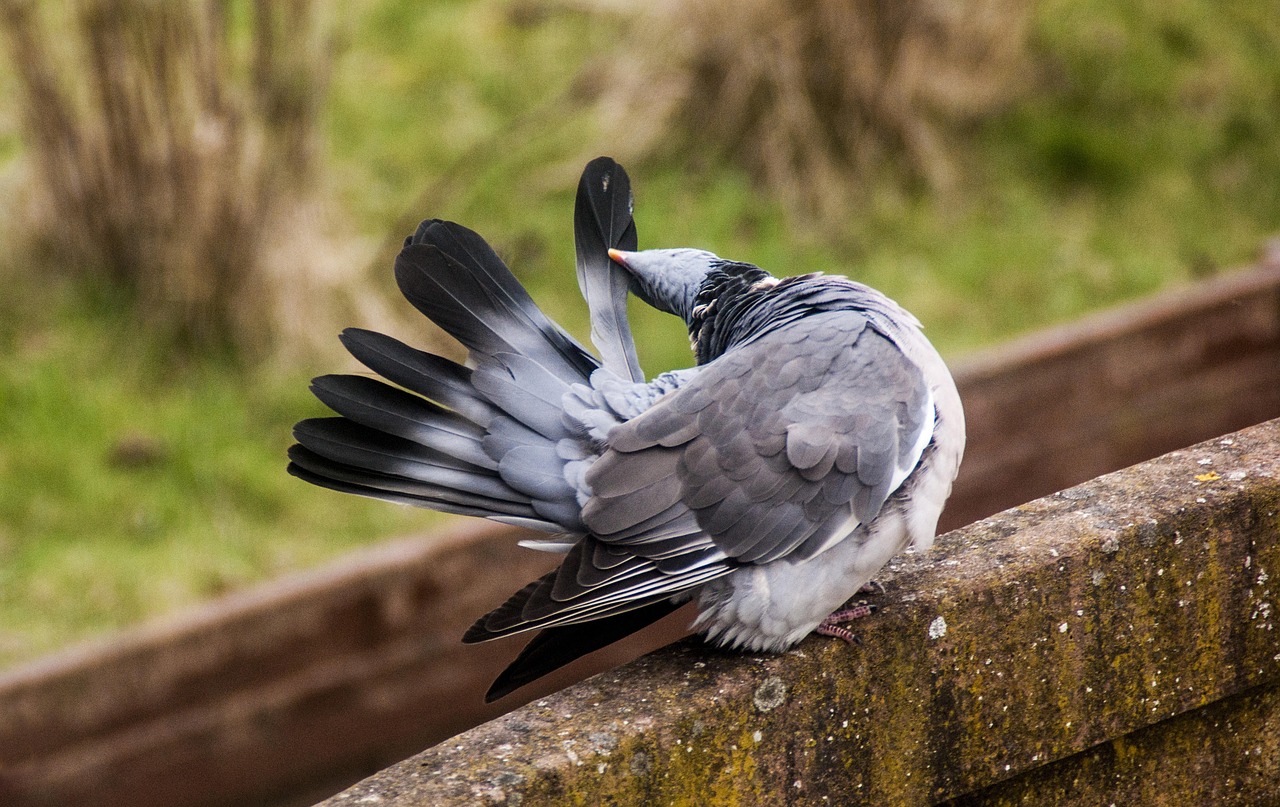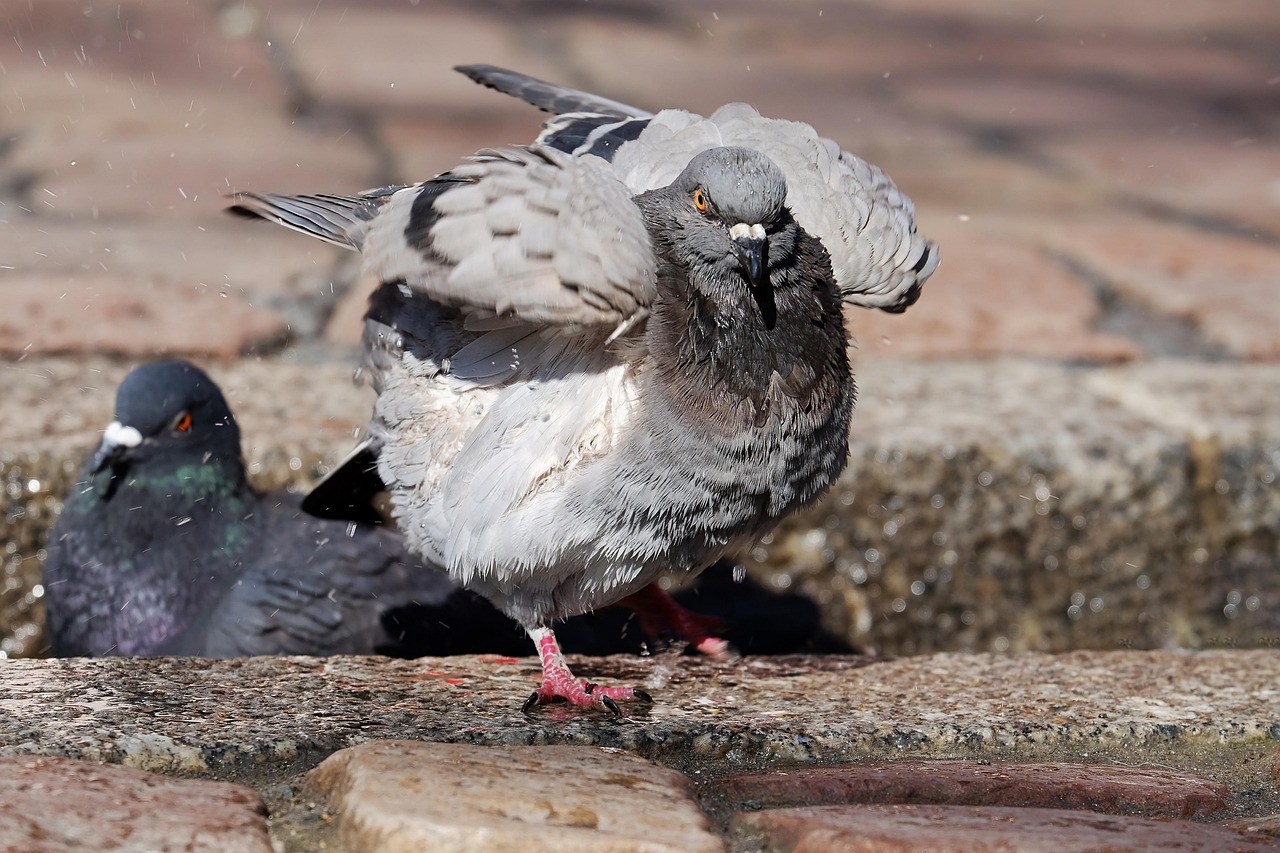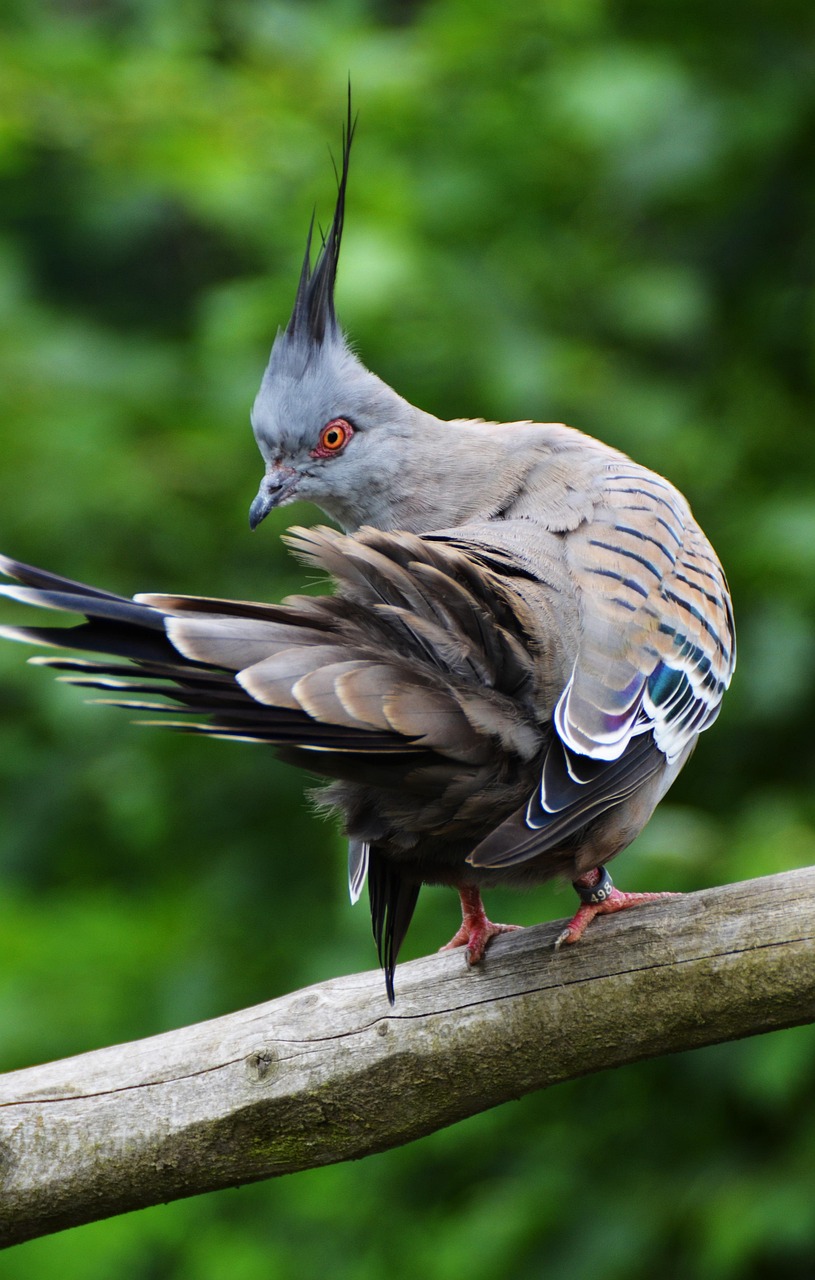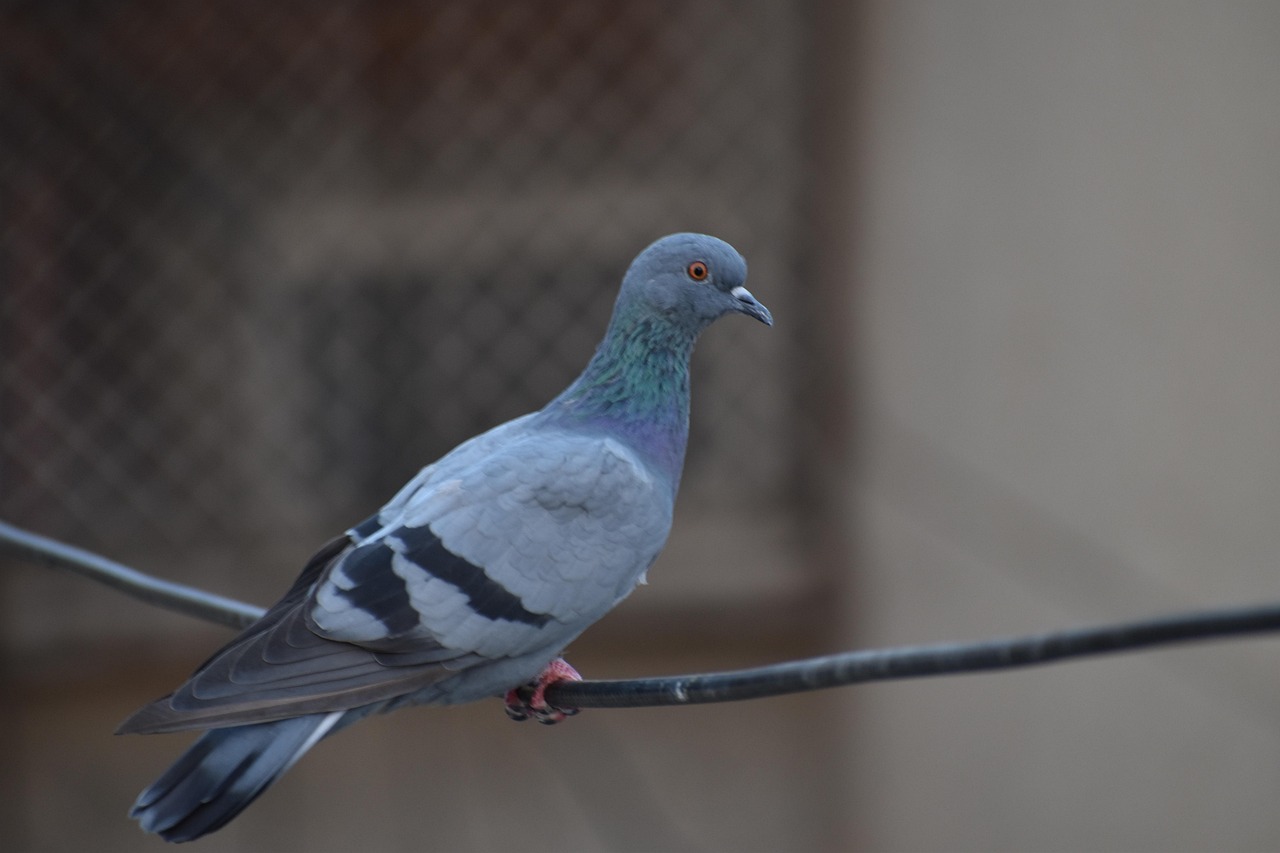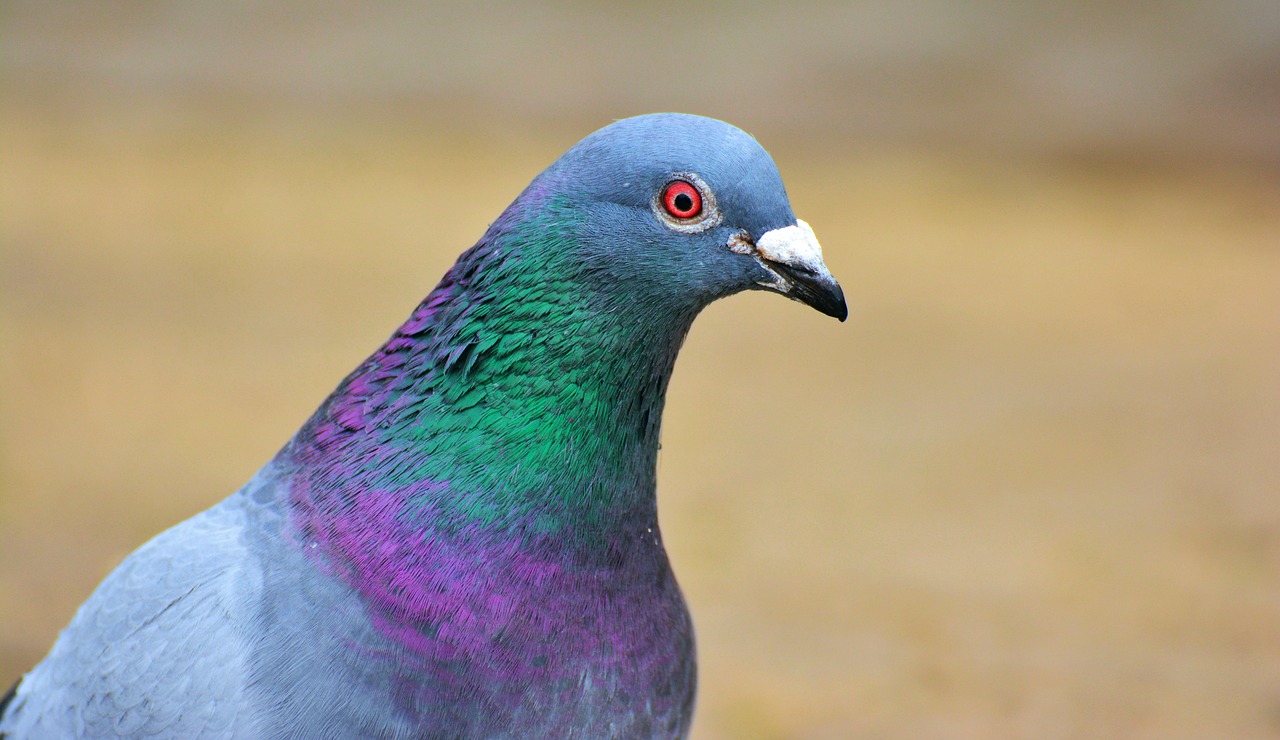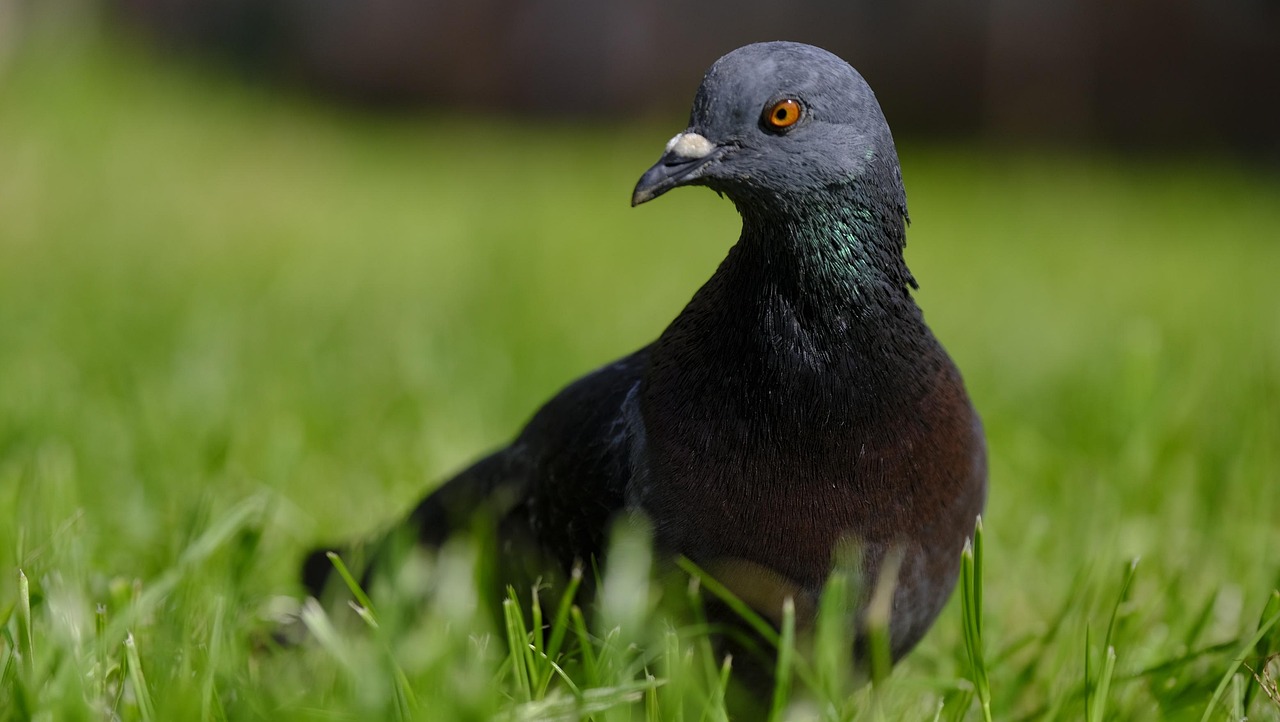
Rare pigeon breeds captivate enthusiasts with their unique beauty and elegance, but showcasing them effectively requires the right equipment. From show cage setup to strategic lighting for pigeons, every detail matters in highlighting their splendor. This guide explores professional tools and techniques to elevate your displays and impress judges and audiences alike.
Choosing the Perfect Show Cage Setup
A well-designed show cage setup is the foundation for presenting rare pigeon breeds at their best. It not only ensures the birds' comfort and safety but also enhances their visual appeal during exhibitions. Investing in high-quality cages can make a significant difference in how your pigeons are perceived by judges and spectators.
Key Features of an Ideal Show Cage
When selecting a show cage, prioritize features that combine functionality with aesthetics. Look for cages made from durable, non-toxic materials like stainless steel or powder-coated wire, which resist corrosion and are easy to clean. The size should allow the pigeon to move comfortably without appearing cramped, typically around 18 inches in length and width for medium-sized breeds. Ventilation is crucial to prevent stress and maintain air quality, so opt for designs with ample mesh or bars that promote airflow while keeping the bird secure. Additionally, consider cages with removable perches and feeding trays for easy maintenance during long shows. A smooth, seamless interior prevents injuries and ensures the pigeon's feathers remain pristine, which is vital for rare breeds where every detail counts in judging criteria.
Beyond basic structure, customization options can elevate your show cage setup. Some enthusiasts add modular accessories like adjustable dividers for multi-bird displays or integrated water systems to reduce handling stress. The color of the cage should complement the pigeon's plumage; neutral tones like white or black often work well to make vibrant feathers stand out. For rare breeds with specific needs, such as those prone to feather damage, padded edges or soft linings might be necessary. Always test the cage setup before an event to ensure stability and ease of access, as a poorly designed cage can distract from the bird's beauty and lead to lower scores in competitions.
Customizing Cages for Different Breeds
Different rare pigeon breeds have unique requirements that influence show cage setup choices. For example, breeds with elaborate feathering, like Fantails or Jacobins, benefit from taller cages that prevent tail feathers from touching the ground, reducing the risk of damage. In contrast, compact breeds such as Tumblers may do better in lower-profile cages that emphasize their agility and form. Consider the bird's behavior; active breeds might need more horizontal space for movement, while calmer varieties can thrive in cozier enclosures that encourage a relaxed posture. Custom perches made from natural wood can mimic their home environment, reducing stress and promoting natural posing, which is essential for highlighting breed-specific traits during judging.
To further tailor the setup, incorporate elements that address breed-specific vulnerabilities. For instance, breeds with delicate crests or wattles, like Owls or Modenas, require cages with smooth surfaces and minimal protrusions to avoid injuries. Lighting integration can also be customized; some cages come with built-in LED strips that allow for precise illumination without overheating. When designing for multiple breeds in a single display, use modular cages that can be reconfigured quickly, ensuring each bird is shown to its best advantage. Remember, a thoughtful show cage setup not only protects the pigeon but also tells a story about its rarity and care, making it a key factor in successful exhibitions.
Mastering Lighting for Pigeons in Displays
Proper lighting for pigeons is essential to accentuate the colors, textures, and unique features of rare breeds, transforming a good display into a stunning one. It influences how judges and viewers perceive the bird's condition and beauty, making it a critical element in competitive showing. By understanding light types and placements, you can create an environment that highlights every detail without causing stress to the birds.
Types of Lighting and Their Effects
Various lighting options can be used in pigeon displays, each with distinct effects on appearance and bird welfare. LED lights are highly recommended for their energy efficiency, low heat output, and color accuracy, which helps in rendering true feather colors without fading or distortion. Full-spectrum LEDs mimic natural daylight, reducing eye strain for both pigeons and observers, and are ideal for showcasing iridescent breeds like Archangels or Lahore pigeons. Alternatively, halogen lights offer bright, focused illumination but generate more heat, requiring careful placement to avoid discomfort. Avoid fluorescent lights, as they can cast unflattering hues and flicker, potentially agitating sensitive birds. The intensity should be adjustable; dimmable lights allow you to soften the ambiance for calmer breeds or brighten it for detailed inspections during judging.
Beyond basic types, consider the color temperature of lighting for pigeons, measured in Kelvins (K). Warmer tones around 3000K create a cozy, inviting atmosphere but might dull vibrant colors, while cooler tones around 5000K-6500K enhance contrast and make whites and bright shades pop, perfect for breeds like White Kings or Carneau. Directional lighting, such as spotlights or track lights, can be used to highlight specific areas like the head or wings, drawing attention to key breed standards. For larger displays, combine ambient and accent lighting to create depth and dimension, ensuring the pigeon remains the focal point without harsh shadows that could obscure details. Always test the lighting setup beforehand to check for glare or hotspots that might cause the bird to become restless or hide.
Strategic Placement and Angles
The placement of lighting for pigeons determines how effectively it showcases their attributes while maintaining their comfort. Position lights at a 45-degree angle from the front and sides to minimize shadows and evenly illuminate the bird's body, emphasizing symmetry and feather quality. Overhead lighting can work well for breeds with upright postures, but avoid direct beams that might startle or heat the cage excessively. Use diffusers or softboxes to spread light gently, reducing the risk of reflections that could distract from the pigeon's natural beauty. In multi-cage setups, ensure consistent lighting across all enclosures to provide a uniform viewing experience, which is especially important in group competitions where comparisons are made.
Angles should be adjusted based on the pigeon's breed and posing habits. For instance, breeds that tend to look downward, like Pouters, benefit from lower-placed lights that lift shadows from their chests, while those with raised heads, such as Helmets, may need higher placements to avoid blinding them. Incorporate timers or smart controls to simulate natural day-night cycles, helping pigeons stay calm during long events. Additionally, consider the background; light-colored backdrops reflect light and brighten the display, whereas dark ones absorb it, creating dramatic contrasts. By experimenting with different setups, you can find the optimal configuration that makes your rare pigeon shine, ultimately boosting its appeal in any show setting.
Essential Photography Gear for Capturing Pigeon Beauty
Photography plays a vital role in documenting and promoting rare pigeon breeds, allowing enthusiasts to share their beauty beyond live shows. High-quality images can highlight intricate details that might be missed in person, making them invaluable for breeding records, online portfolios, and competition entries. Selecting the right gear ensures that every shot does justice to the bird's unique characteristics.
Cameras and Lenses for Detailed Shots
Choosing the appropriate camera and lenses is crucial for capturing sharp, vibrant images of pigeons. DSLR or mirrorless cameras with high resolution (at least 24 megapixels) are ideal, as they allow for detailed cropping without loss of quality, which is essential for highlighting fine feather patterns or eye color. Pair the camera with a macro lens for close-ups that reveal textures and subtle hues, or a telephoto lens for shots from a distance that minimize disturbance to the bird. A lens with image stabilization helps reduce blur from hand movements, especially in low-light conditions common at indoor shows. For beginners, a standard 50mm prime lens offers versatility and excellent sharpness, while advanced users might opt for zoom lenses for flexibility in framing different poses.
Beyond the basics, consider features like fast autofocus and high burst rates to capture pigeons in motion, such as during flight or preening. Full-frame sensors perform better in low light, reducing noise and preserving details, which is beneficial when using natural or ambient lighting. Accessories like external flashes with diffusers can fill in shadows without overwhelming the subject, but use them sparingly to avoid startling the birds. Always shoot in RAW format for greater editing flexibility, allowing adjustments to exposure and color balance later. Practice in various settings to master settings like aperture (use f/2.8-f/5.6 for blurred backgrounds that make the pigeon stand out) and ISO (keep it low to minimize grain), ensuring your photos are both artistic and accurate representations of the breed.
Accessories and Setup Tips
Supporting accessories can elevate your pigeon photography from good to exceptional. A sturdy tripod is essential for stability, preventing camera shake during slow shutter speeds needed in dimly lit environments. Remote shutter releases or intervalometers allow you to take shots without touching the camera, reducing the risk of scaring the bird. Backdrops in neutral colors like gray or beige help isolate the pigeon, making post-processing easier and focusing attention on its features. For outdoor shoots, reflectors can bounce natural light to soften shadows, while lens hoods protect against flare that might wash out colors.
When setting up for a shoot, prioritize the pigeon's comfort by acclimating it to the equipment gradually. Start with shorter sessions and use treats or familiar perches to encourage natural poses. Position the camera at the bird's eye level to create engaging, intimate portraits that convey personality. For action shots, such as wing spreads or flights, use continuous lighting or high-speed sync flashes to freeze motion without blur. In post-production, basic edits like cropping, sharpening, and color correction can enhance the image, but avoid over-editing that alters the pigeon's true appearance. By combining the right gear with thoughtful techniques, you can produce stunning photographs that celebrate the rarity and elegance of your pigeons, useful for everything from social media to breed registries.
Integrating Display and Photography for Maximum Impact
Combining an effective show cage setup with professional photography techniques allows you to showcase rare pigeon breeds in multiple contexts, from live exhibitions to digital platforms. This integration ensures consistency in how the birds are presented, reinforcing their beauty and rarity across different mediums. By aligning your display and photographic strategies, you can create a cohesive brand or portfolio that stands out in the pigeon community.
Synergizing Cage and Lighting for Shoots
To achieve seamless integration, design your show cage setup with photography in mind, using elements that enhance both live viewing and image quality. Opt for cages with open designs or removable panels that provide clear sightlines for cameras, minimizing obstructions that could block key angles. Coordinate the lighting for pigeons in the cage with your photographic lighting; for example, if you use soft, diffused LEDs in displays, replicate that in photos to maintain color consistency. This approach reduces the need for extensive editing and ensures that online images accurately reflect what judges see in person. Additionally, consider portable cages that can be easily moved to photo studios or outdoor settings, allowing for versatile shooting environments without stressing the birds.
In practice, test the combined setup by taking sample photos during cage adjustments, checking for issues like reflections or uneven illumination. Use the same background colors in both displays and shoots to create a unified aesthetic, which helps in building a recognizable style for your breed presentations. For dynamic shots, incorporate perches or props that encourage natural behaviors, such as preening or cooing, captured through the cage bars for an authentic feel. By treating the cage as a stage and the camera as a tool for documentation, you can streamline your workflow, saving time and ensuring that every presentation—whether live or photographed—showcases your pigeons at their absolute best.
Sharing and Promoting Your Work
Once you have high-quality displays and photos, leverage them to promote your rare pigeon breeds and connect with the broader enthusiast community. Share images on social media platforms, pigeon forums, and breed-specific websites, using descriptive captions that highlight the birds' unique traits and your care techniques. Participate in online contests or virtual shows where photography is judged, expanding your reach beyond local events. Create a portfolio or blog that documents your journey, including behind-the-scenes insights on your show cage setup and lighting strategies, which can attract followers and potential collaborators.
To maximize impact, engage with feedback from viewers and judges to refine your approaches. Use analytics from online posts to understand what resonates most—whether it's close-ups of feather details or action shots—and tailor future content accordingly. Consider collaborating with other enthusiasts or breeders to cross-promote, increasing visibility for rare breeds. Ultimately, integrating display and photography not only enhances your personal satisfaction but also contributes to the preservation and appreciation of these magnificent birds, inspiring others to invest in proper equipment and techniques.
Maintenance and Care for Long-Term Success
Maintaining your display and photography equipment is essential for ensuring long-term performance and the well-being of your rare pigeon breeds. Regular upkeep prevents issues that could compromise shows or shoots, such as malfunctioning lights or dirty cages that detract from the birds' appearance. By establishing a routine, you can extend the life of your gear and provide a consistent, high-quality experience for your pigeons.
Routine Cleaning and Inspections
Develop a schedule for cleaning and inspecting all components of your show cage setup and lighting systems. For cages, disassemble and sanitize them after each use with bird-safe cleaners to remove droppings, dust, and pathogens that could harm the pigeons or cause odors. Check for sharp edges, loose wires, or wear and tear that might injure the birds, and repair or replace parts as needed. Lighting fixtures should be dusted regularly to maintain brightness and efficiency; wipe bulbs and diffusers with a soft cloth to avoid scratches. Test electrical connections and bulbs before events to prevent failures during critical moments, and store equipment in a dry, cool place to avoid damage from humidity or temperature extremes.
Incorporate these tasks into your overall pigeon care routine, aligning them with feeding or health checks to save time. For photography gear, clean lenses and sensors after shoots to ensure clear images, and calibrate cameras periodically for color accuracy. Keep a log of maintenance activities, noting any recurring issues or improvements, which can help in planning upgrades or replacements. By staying proactive, you reduce the risk of emergencies that could disrupt your displays or photographic sessions, allowing you to focus on highlighting the beauty of your rare breeds without distractions.
Upgrading and Adapting to Trends
As technology and trends evolve, regularly assess your equipment for potential upgrades that could enhance your presentations. Stay informed about new developments in show cage designs, such as eco-friendly materials or smart features that automate lighting and climate control. In photography, consider advancements like higher-resolution sensors or AI-assisted editing software that streamline post-processing. Attend pigeon shows, workshops, or online webinars to learn from others and gather ideas for improvements. When upgrading, prioritize items that address specific weaknesses in your current setup, such as better lighting for low-light conditions or more portable cages for travel-friendly displays.
Adapt your strategies based on feedback and changing breed standards; for example, if a rare breed gains popularity, invest in specialized equipment that meets its unique needs. Budget for gradual upgrades rather than large, infrequent purchases, spreading costs over time. Experiment with new techniques, like incorporating video for dynamic presentations or using augmented reality in digital displays, to keep your approach fresh and engaging. By continuously refining your tools and methods, you ensure that your rare pigeon breeds are always presented in the best possible light, fostering admiration and support within the community.
Conclusion
Showcasing rare pigeon breeds effectively hinges on a thoughtful show cage setup and precise lighting for pigeons, combined with professional photography to capture their elegance. By investing in quality equipment and maintaining it regularly, you can highlight every detail of these magnificent birds, from their vibrant feathers to their unique postures. Remember, tools like Ghawy – Pigeon Manager can simplify your management tasks, allowing you to focus on what matters most—celebrating the beauty of your pigeons. Embrace these insights to elevate your displays and share your passion with the world.