In the world of fancy pigeon breeding, capturing stunning images can significantly elevate your bird's market appeal and show presentation success. This guide delves into expert techniques for pigeon photography, helping you showcase your pigeons' best features and increase their value in competitive exhibitions. By mastering these skills, you can turn your passion into profit and stand out in the pigeon community.
Essential Equipment for High-Quality Pigeon Photography
To start with pigeon photography, investing in the right gear is crucial for producing sharp, professional images that highlight your birds' attributes. A good DSLR or mirrorless camera with a versatile lens, such as a 50mm or macro lens, allows for detailed close-ups and dynamic shots. Additionally, consider accessories like tripods for stability and external flashes to control lighting, ensuring your pigeons look their best in various settings.
Choosing the Right Camera and Lenses
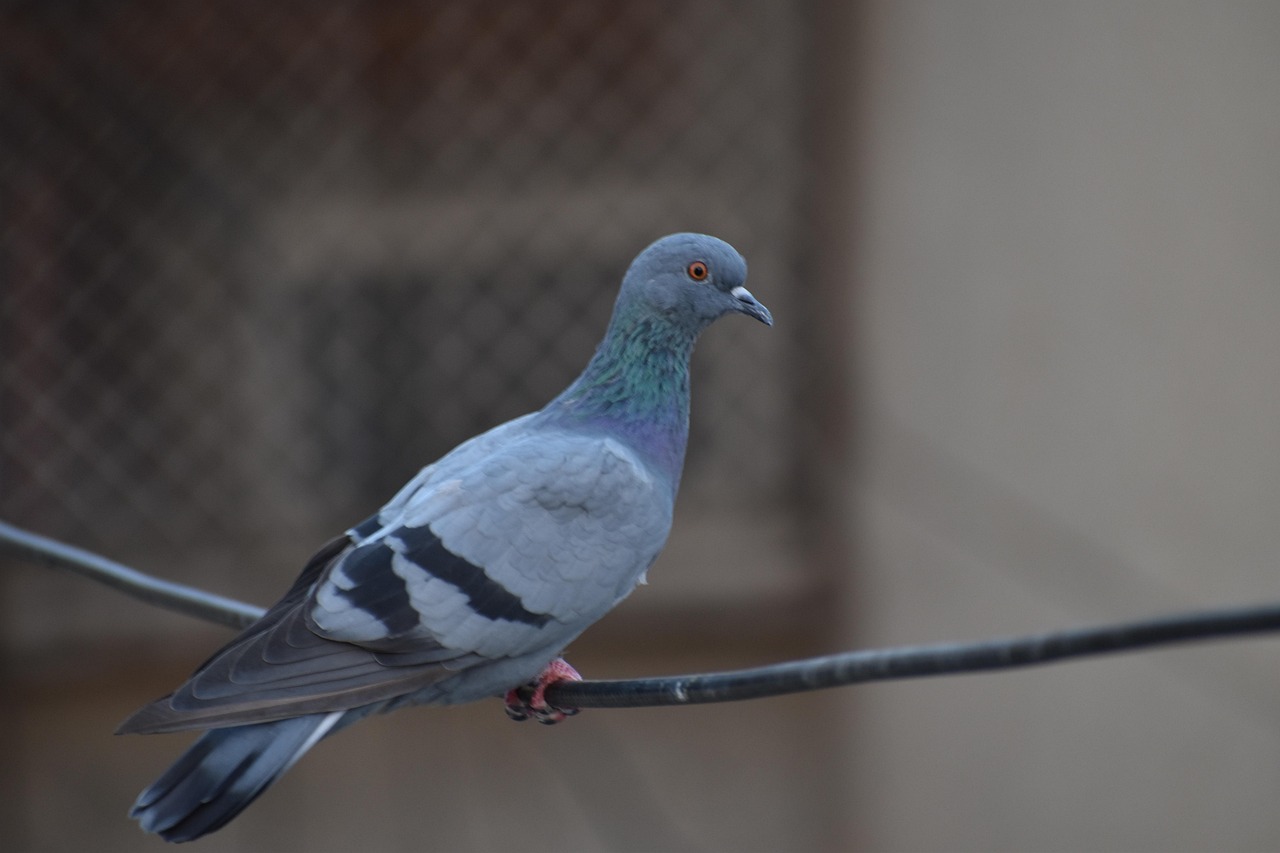
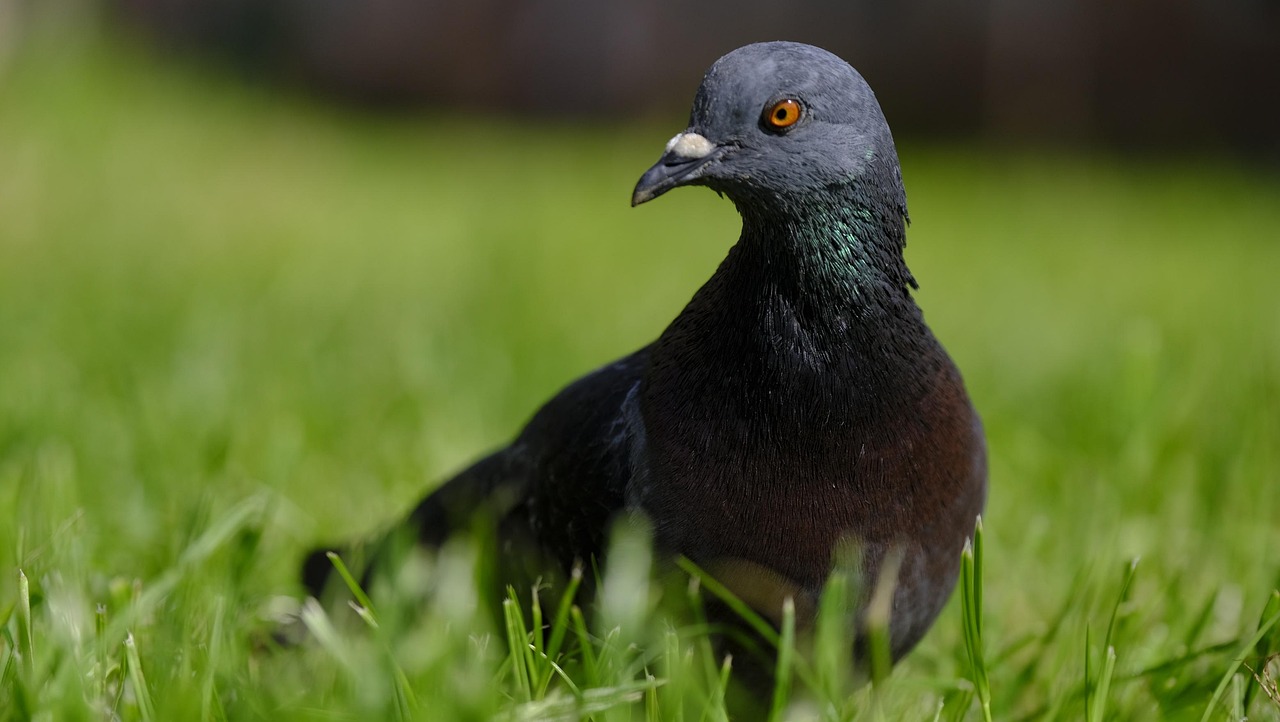
Selecting the appropriate camera and lenses is the foundation of effective pigeon photography. Opt for a camera with high resolution and fast autofocus to capture quick movements, common in pigeon behavior. A prime lens with a wide aperture, like f/1.8, enables beautiful background blur that emphasizes the pigeon's form and colors, making them pop in show presentations. Experiment with different focal lengths to find what works best for your specific breed and shooting environment.
Beyond the basics, consider lenses with image stabilization to reduce blur in handheld shots, especially when photographing active pigeons. For breeders, a telephoto lens can be useful for capturing birds from a distance without causing stress. Remember, the goal is to produce images that not only document but also enhance the pigeon's appeal, so prioritize equipment that offers flexibility and quality for diverse shooting scenarios.
Lighting and Background Setup
Proper lighting is essential in pigeon photography to bring out the intricate details of feathers and eyes, which are key in show presentations. Natural light is often best, so shoot during golden hours—early morning or late afternoon—for soft, flattering shadows. If indoors, use softboxes or diffusers to avoid harsh glares and create an even illumination that showcases the pigeon's natural beauty without distortions.
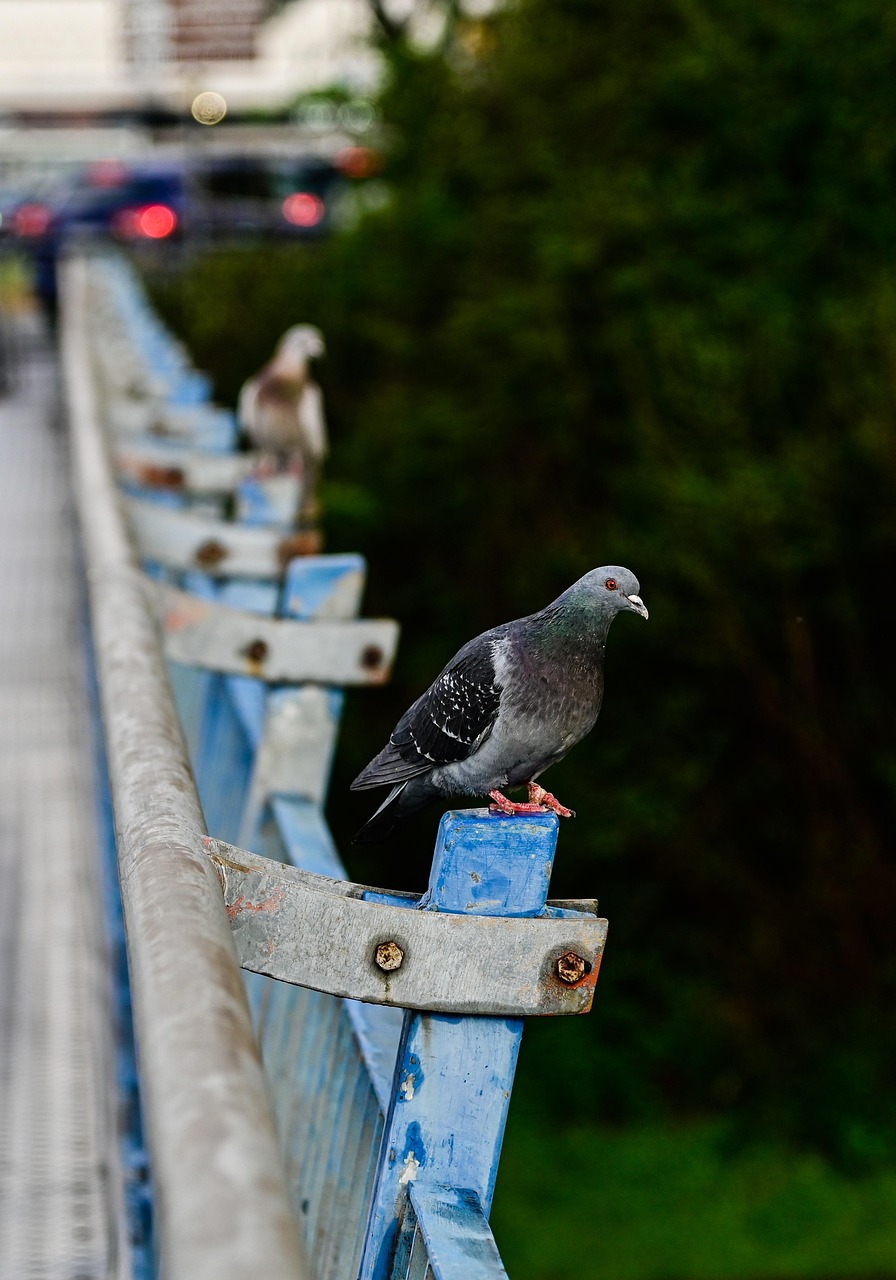
Backgrounds should complement the pigeon without distracting; solid colors like white, gray, or green work well to keep the focus on the bird. Set up a clean, controlled environment to minimize clutter, and use props sparingly to maintain a professional look. By mastering lighting and backgrounds, you can create images that not only attract buyers but also tell a story of quality and care in your breeding efforts.
Techniques for Capturing Stunning Pigeon Images
Mastering photography techniques is key to producing images that enhance your pigeon's show presentation and market value. Focus on composition, angles, and timing to capture the essence of your birds, whether in flight or at rest. Practice patience and observe your pigeons' behaviors to anticipate perfect shots that highlight their unique traits and strengths.
Composition and Framing Tips
Effective composition in pigeon photography involves framing your subject to draw attention to its best features, such as posture, feather patterns, and eye clarity. Use the rule of thirds by placing the pigeon off-center for a balanced image, and experiment with different perspectives—like low angles to emphasize stature or overhead shots for full-body views. This approach not only makes photos more engaging but also supports a strong show presentation by showcasing symmetry and breed standards.
Incorporate negative space to give the image room to breathe, making the pigeon stand out against simple backgrounds. Avoid cropping too tightly; leave some space around the bird to convey its environment and size. For action shots, like pigeons in flight, pre-focus on a spot and use burst mode to capture multiple frames, ensuring you get the perfect moment that reflects agility and grace.
Working with Pigeon Behavior and Poses
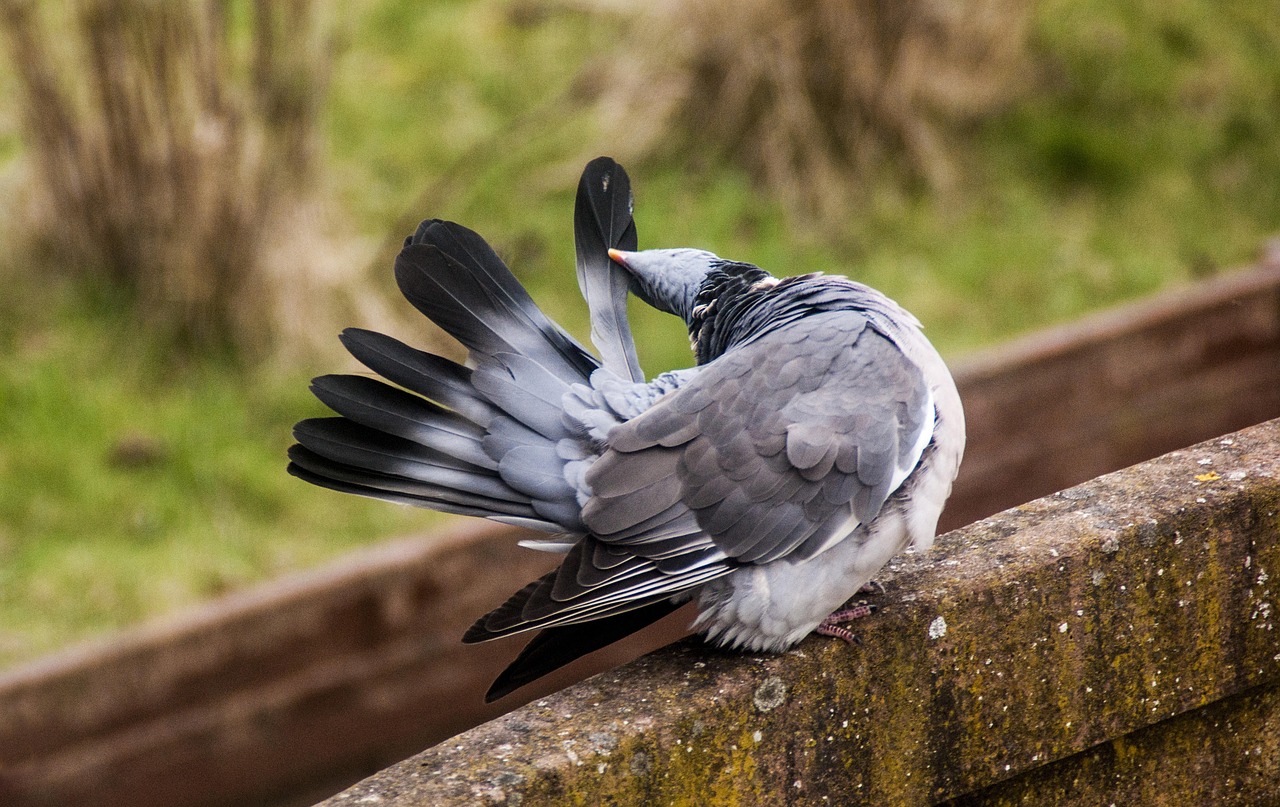
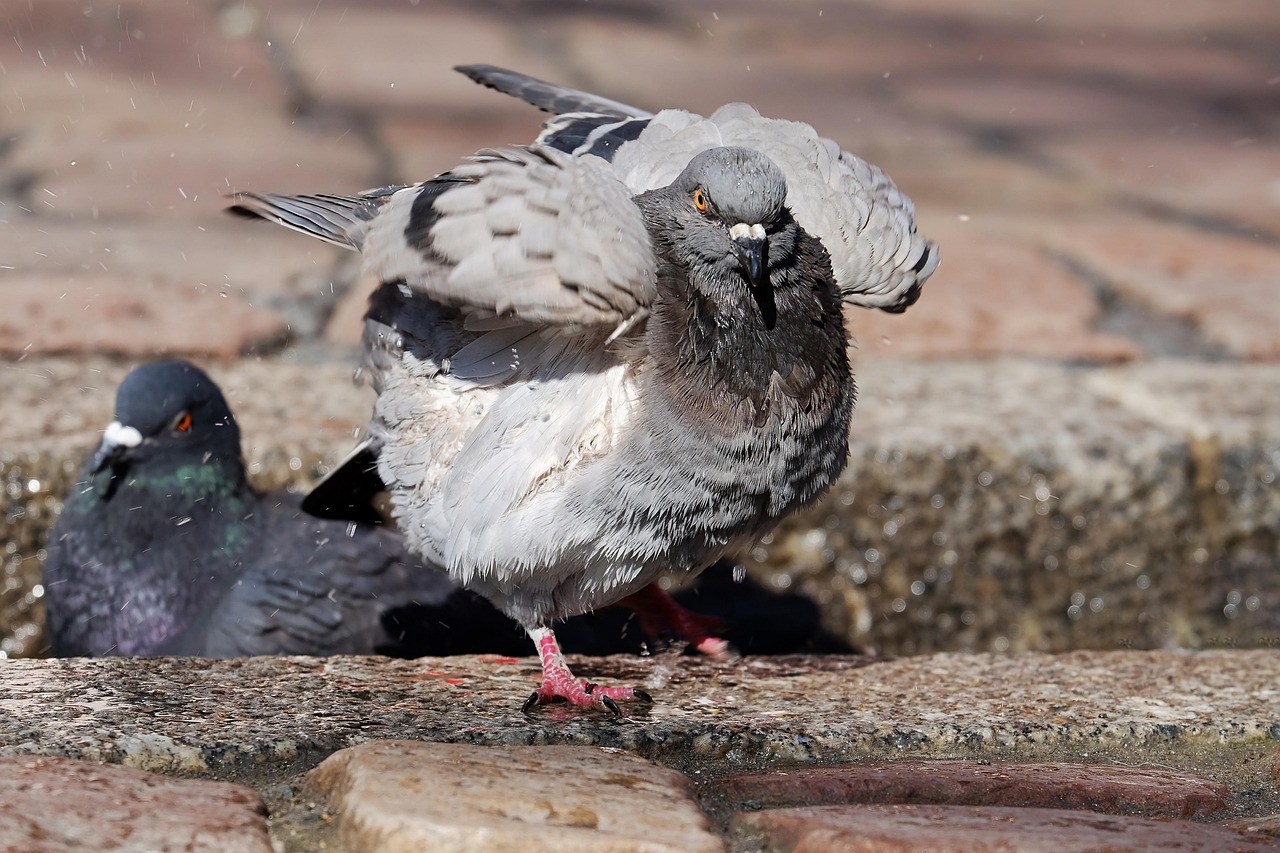
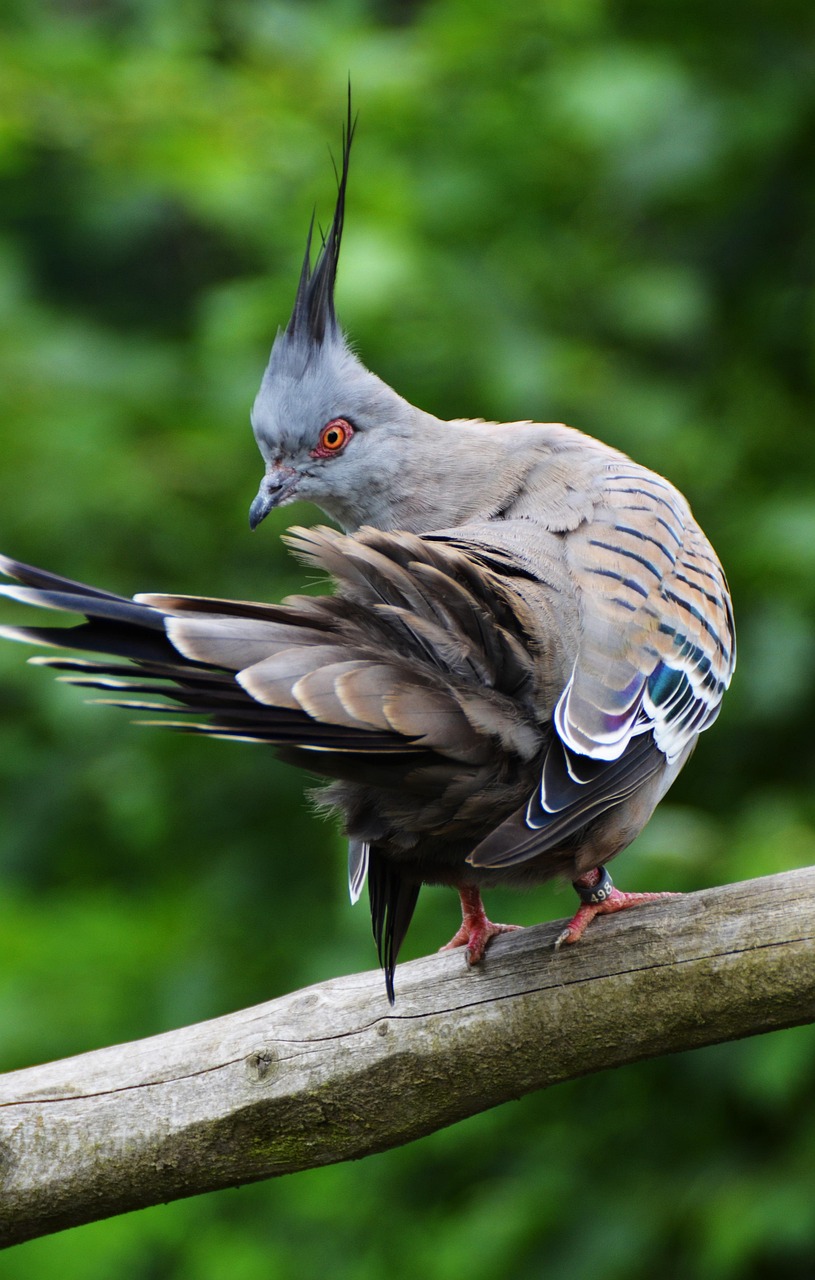
Understanding pigeon behavior is vital for capturing natural and appealing poses that boost show presentation value. Spend time with your birds to learn their habits, such as preening, cooing, or perching, and use treats or gentle handling to encourage cooperative moments. Patience is key; wait for times when the pigeon is calm and alert to shoot, as stressed birds can result in blurred or unflattering images.
Pose your pigeons in ways that highlight breed-specific traits, like raised heads for elegance or spread wings for display. Use props like perches or natural elements to add context without overwhelming the scene. By aligning photography with behavioral insights, you can create images that not only sell the pigeon but also tell a compelling story of its health and temperament, essential for high market valuations.
Enhancing Show Presentation Through Photography
Photography plays a pivotal role in show presentation by providing visual evidence of a pigeon's quality and conformity to breed standards. High-quality images can be used in online listings, catalogs, and social media to attract judges and buyers, making your pigeons more memorable and desirable. Focus on capturing details that matter in competitions, such as color intensity, feather texture, and overall condition.
Highlighting Key Features for Competitions
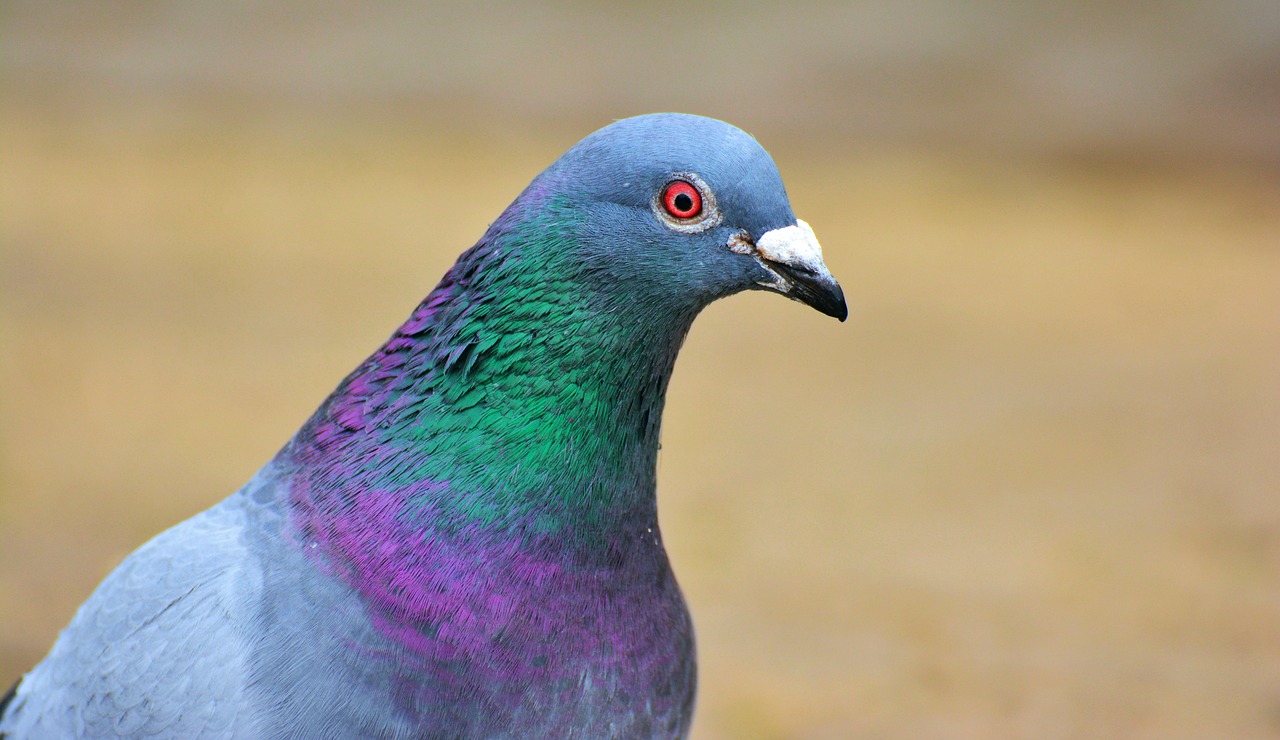
In show presentation, emphasizing key features through photography can set your pigeon apart from the competition. Zoom in on areas like the head, eyes, and beak to show clarity and symmetry, which are often judged critically. Use macro photography to capture fine details, such as iridescent feathers or clean legs, and ensure images are well-lit to avoid shadows that hide imperfections.
Document the pigeon from multiple angles—front, side, and back—to provide a comprehensive view that judges can assess remotely. Include shots in motion if possible, as dynamic images can demonstrate vitality and training. By strategically highlighting these elements, your photography not only supports the show presentation but also builds trust with potential buyers, leading to higher offers and increased market value.
Using Photos in Marketing and Sales
Integrating professional photos into your marketing strategy amplifies the impact of show presentation and drives sales. Create a portfolio of your best images to use on websites, forums, and social media platforms, where visual appeal can quickly capture attention. Write descriptive captions that tie the photos to the pigeon's achievements, such as past wins or unique traits, to build a narrative that justifies a premium price.
Consider creating video clips or slideshows to showcase the pigeon in action, adding another layer to your presentation. Engage with the pigeon community by sharing tips on photography, which can position you as an expert and attract more interest. Ultimately, great photos serve as powerful tools not just for selling, but for educating others on the art of pigeon breeding and presentation.
Post-Processing and Editing for Professional Results
Post-processing is an essential step in pigeon photography to refine images and ensure they meet the high standards required for show presentation. Use editing software to adjust exposure, contrast, and colors, making the pigeon's features stand out without altering their natural appearance. The goal is to enhance, not manipulate, so maintain authenticity to build credibility with judges and buyers.
Basic Editing Techniques
Start with basic edits like cropping to improve composition and removing distractions from the background. Adjust brightness and contrast to make the image pop, but avoid over-saturation that can distort the pigeon's true colors. Sharpening tools can bring out feather details, while noise reduction helps clean up images shot in low light, ensuring a polished look for show presentation materials.
Use color correction to match the pigeon's actual hues, as accurate representation is crucial in competitions. If needed, lightly retouch minor blemishes, but never alter the bird's structure or markings. By mastering these techniques, you can produce consistent, high-quality photos that reinforce the pigeon's value and appeal, whether for online galleries or printed catalogs.
Advanced Tips for a Competitive Edge
For advanced post-processing, explore layers and masks in software like Photoshop to selectively enhance specific areas, such as brightening the eyes or smoothing feathers. Create before-and-after comparisons to demonstrate the pigeon's potential, and use batch processing to handle multiple images efficiently. This not only saves time but also ensures a uniform style across your portfolio, strengthening your brand in show presentation contexts.
Consider adding watermarks or subtle branding to protect your work, but keep it unobtrusive to maintain focus on the pigeon. Share your editing process in community discussions to build rapport and learn from others. With these advanced skills, your photography can become a key asset in elevating your pigeons' market position and achieving success in exhibitions.
Conclusion
Mastering pigeon photography is a powerful way to enhance show presentation and increase your birds' market value, from capturing their best angles to using images in strategic marketing. By applying the techniques covered—from equipment selection to post-processing—you can create compelling visuals that attract buyers and judges alike. For ongoing support in managing your pigeon endeavors, consider exploring Ghawy – Pigeon Manager (غاوي – إدارة الحمام) to streamline your efforts and achieve greater success.