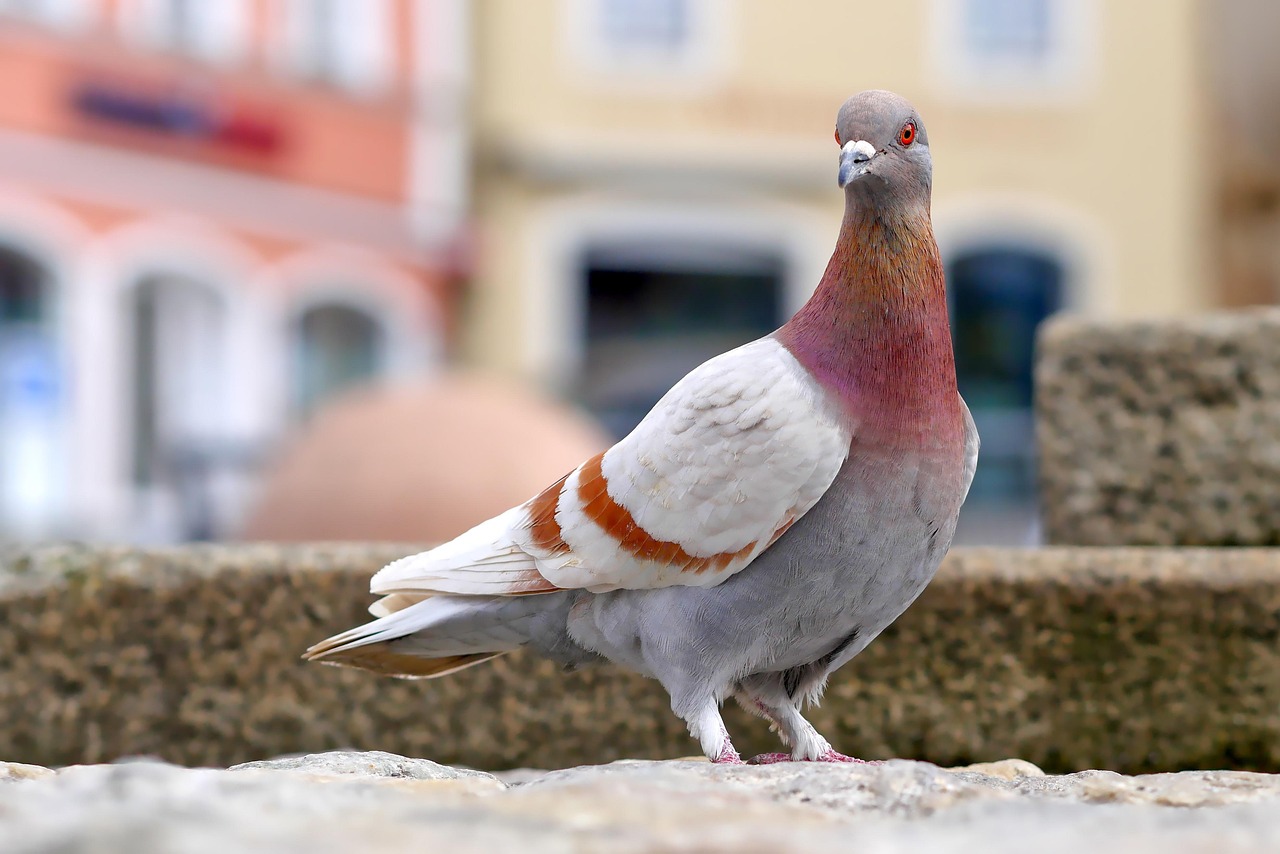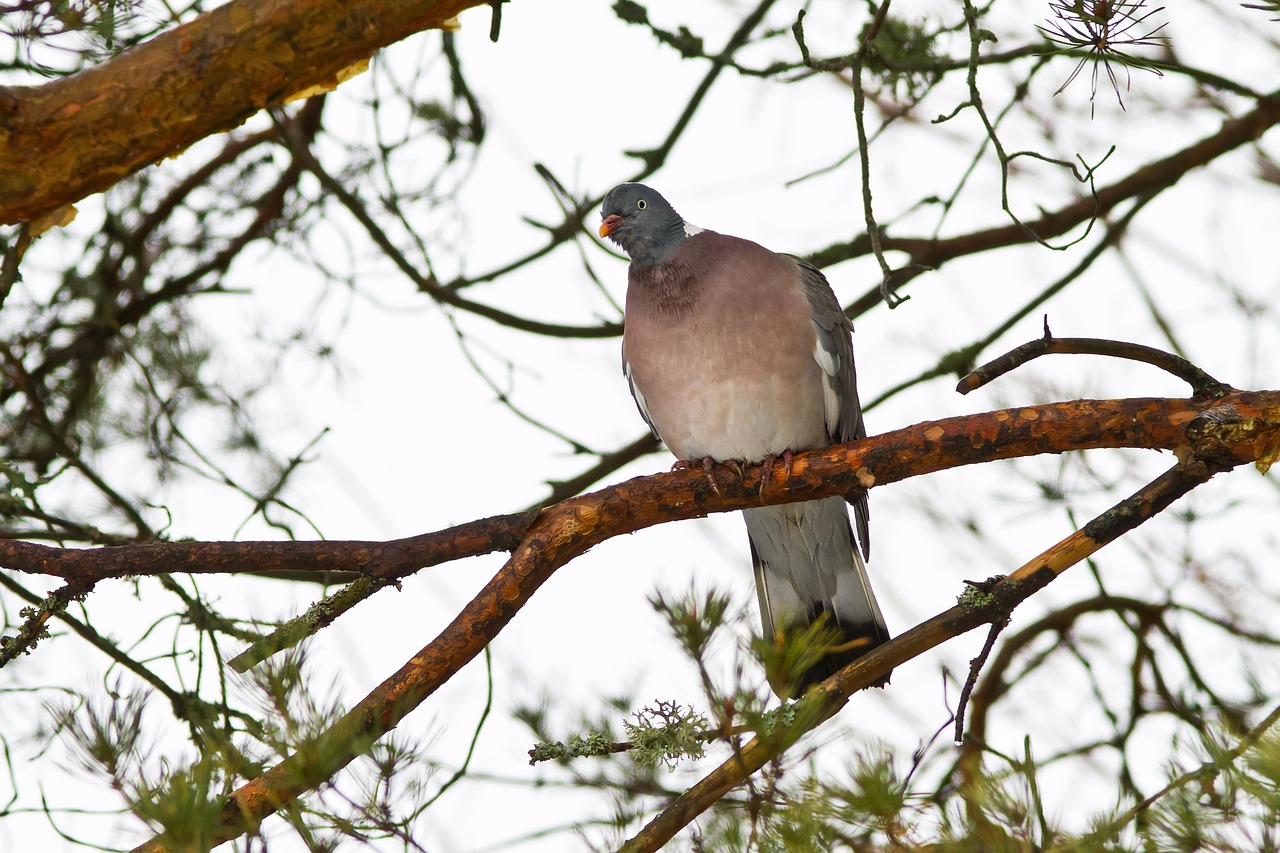
Fancy pigeon breeding is an art that combines science and passion to produce stunning, high-quality birds. By focusing on the best pairing methods, breeders can achieve offspring with exceptional purity and beauty. This guide delves into expert techniques to help you succeed in this rewarding hobby.
Understanding Fancy Pigeon Breeding Basics
Before diving into advanced techniques, it's crucial to grasp the fundamentals of fancy pigeon breeding. This involves selecting the right breeds, understanding genetics, and maintaining optimal health. A solid foundation ensures that your breeding efforts yield consistent and desirable results over time.
Selecting the Right Breeds for Breeding
Choosing the appropriate pigeon breeds is the first step toward successful breeding. Look for breeds known for their beauty, such as Fantails or Pouters, which are popular in fancy pigeon circles. Consider factors like temperament, size, and color patterns to match your goals. For instance, pairing birds with complementary traits can enhance the visual appeal of the offspring. Always prioritize health and genetic diversity to avoid inbreeding issues. By starting with high-quality stock, you set the stage for producing pure and attractive pigeons.
Additionally, research breed standards from reputable sources to ensure your selections align with recognized criteria. This not only improves the chances of winning shows but also maintains the integrity of the breed. Remember, the best pairing methods begin with informed choices, so take your time to study different varieties. Engaging with experienced breeders can provide valuable insights and help you avoid common pitfalls in breed selection.
Fundamentals of Pigeon Genetics
Genetics play a pivotal role in fancy pigeon breeding, influencing traits like feather color, pattern, and overall conformation. Understanding basic genetic principles, such as dominant and recessive genes, allows breeders to predict offspring characteristics. For example, crossing two pigeons with recessive color genes might produce a uniform hue in the next generation. This knowledge empowers you to use the best pairing methods strategically, aiming for specific aesthetic outcomes.
Moreover, genetic diversity is essential to prevent health problems and maintain vigor in your flock. Avoid excessive inbreeding by introducing new bloodlines periodically. Tools like pedigree charts can help track genetic history and make informed decisions. By mastering these fundamentals, you can enhance the purity and beauty of your pigeons, ensuring each breeding pair contributes to a stronger lineage.
Best Pairing Methods for High Purity
Implementing the best pairing methods is key to achieving high purity in fancy pigeon breeding. This involves careful selection of mating pairs based on genetic compatibility and desired traits. Techniques like line breeding and outcrossing can be employed to balance purity with diversity, leading to healthier and more beautiful birds.
Line Breeding for Genetic Consistency
Line breeding is a method where closely related pigeons are paired to fix desirable traits in the offspring. This approach helps maintain genetic consistency and purity, making it ideal for preserving specific characteristics like unique feather patterns or body shapes. However, it requires meticulous record-keeping to avoid inbreeding depression, which can lead to health issues. Start by selecting a superior male and female from the same lineage, and monitor the results over several generations.
To succeed with line breeding, focus on birds that exhibit strong, healthy attributes and avoid those with hidden defects. Regular health checks and genetic testing can supplement this process, ensuring that the best pairing methods are applied safely. Over time, this method can produce a stable line of pigeons that consistently meet high standards of beauty and purity, rewarding breeders with predictable and impressive results.
Outcrossing to Introduce New Traits
Outcrossing involves pairing pigeons from unrelated lines to introduce genetic diversity and enhance overall health. This method is one of the best pairing methods for combating inbreeding and adding new desirable traits, such as improved vigor or novel color variations. When outcrossing, choose birds that complement each other's strengths, such as pairing a pigeon with excellent conformation with one known for vibrant plumage. This can lead to offspring that combine the best of both parents.
It's important to evaluate the outcrossed birds thoroughly before breeding to ensure they don't carry undesirable genes. Keep detailed records of each pairing to track the introduction of new traits and assess their impact on purity. By balancing outcrossing with other methods, you can maintain high standards while innovating your breeding program, ultimately producing pigeons that are both pure and exceptionally beautiful.
Enhancing Beauty in Fancy Pigeon Offspring
Beauty in fancy pigeons is not just about appearance; it encompasses symmetry, color, and overall elegance. To enhance these aspects, breeders must focus on selective pairing and environmental factors. This section explores practical strategies to elevate the aesthetic qualities of your pigeons through targeted breeding practices.
Focusing on Color and Pattern Selection
Color and pattern are critical elements in fancy pigeon breeding, as they significantly impact the bird's visual appeal. Use the best pairing methods to combine parents with complementary colors, such as pairing a solid-colored pigeon with one that has intricate markings. This can result in offspring with striking patterns that stand out in competitions. Understanding color genetics, like how certain genes interact, allows for precise control over these traits.
- Select pairs based on dominant and recessive color genes to achieve desired hues.
- Experiment with cross-breeding to create unique patterns not commonly seen.
- Monitor offspring for color consistency and adjust pairings in subsequent generations.
Additionally, consider the breed standards for color when making selections, as adherence to these can increase the value and beauty of your pigeons. Regular observation and documentation help refine your approach, ensuring that each generation becomes more visually impressive. By prioritizing color and pattern, you contribute to the overall artistry of fancy pigeon breeding.
Improving Conformation and Posture
Conformation refers to the physical structure and posture of a pigeon, which are vital for beauty and show success. Birds with ideal conformation exhibit balanced proportions, straight backs, and graceful movements. To improve this, pair pigeons that demonstrate strong structural traits, such as well-arched necks or symmetrical wings. The best pairing methods involve assessing each bird's physique and selecting mates that can correct or enhance specific features.
For example, if one parent has a slight flaw in posture, pairing it with a bird known for excellent stance can produce offspring with improved alignment. Regular training and handling can also influence posture, so incorporate these practices into your routine. Over time, focusing on conformation leads to pigeons that not only look beautiful but also move with elegance, making them prized additions to any collection.
Advanced Techniques for Optimal Results
For breeders seeking to excel, advanced techniques in fancy pigeon breeding can yield superior outcomes. These methods involve deeper genetic analysis, seasonal timing, and health management. By integrating these approaches, you can optimize the best pairing methods for higher success rates and more beautiful offspring.
Seasonal Breeding and Environmental Factors
Timing your breeding efforts with seasonal changes can enhance results, as pigeons are more receptive during certain times of the year. In temperate climates, spring and early summer are ideal for breeding due to longer daylight hours and warmer temperatures, which stimulate mating behaviors. Adjust your pairing schedule to align with these periods, using the best pairing methods to capitalize on natural cycles. This can lead to healthier chicks and higher survival rates.
Environmental factors like lighting, temperature, and nesting conditions also play a role. Ensure your loft is well-ventilated and clean to reduce stress and disease. Provide adequate nutrition and supplements to support breeding pairs during this demanding time. By optimizing the environment, you create a conducive setting for successful pairings, ultimately contributing to the production of pure and beautiful pigeons.
Health and Nutrition for Breeding Pairs
Maintaining the health of breeding pairs is essential for producing high-quality offspring. A balanced diet rich in proteins, vitamins, and minerals supports reproductive health and chick development. Incorporate foods like grains, legumes, and fresh greens to meet nutritional needs. Regular health checks for parasites and diseases are crucial, as unhealthy parents can pass on issues to their young.
- Provide supplements such as calcium for strong eggshells and omega-3s for feather quality.
- Ensure access to clean water and a stress-free environment to boost fertility.
- Monitor weight and activity levels to detect any health problems early.
By prioritizing health and nutrition, you enhance the effectiveness of the best pairing methods, leading to robust and attractive pigeons. This proactive approach not only improves breeding outcomes but also ensures the long-term vitality of your flock.
Common Challenges and Solutions
Breeders often face obstacles in fancy pigeon breeding, such as infertility or genetic defects. Addressing these challenges with practical solutions is key to maintaining progress. This section covers common issues and how to overcome them using informed strategies and the best pairing methods.
Dealing with Infertility and Low Hatch Rates
Infertility and low hatch rates can frustrate breeders, but they are often manageable with the right approach. Causes may include poor nutrition, age, or genetic factors. To combat this, ensure breeding pairs are in prime condition by providing a nutrient-dense diet and minimizing stress. Rotate pairs if infertility persists, as compatibility varies among birds. Using the best pairing methods, such as selecting younger, proven breeders, can increase success rates.
Additionally, consider environmental adjustments like improving nest boxes and reducing disturbances. If problems continue, consult with avian veterinarians for specialized advice. By systematically addressing these issues, you can improve hatch rates and move closer to your goals of purity and beauty in fancy pigeon breeding.
Managing Genetic Diversity and Inbreeding
Inbreeding is a common risk in fancy pigeon breeding that can lead to weakened offspring and health issues. To manage genetic diversity, incorporate outcrossing and keep detailed pedigree records. Limit the use of closely related pairs and introduce new bloodlines periodically. This approach, combined with the best pairing methods, helps maintain vigor while preserving desirable traits.
Regularly assess your flock for signs of inbreeding, such as reduced fertility or abnormal features, and take corrective action early. By balancing purity with diversity, you can sustain a healthy breeding program that produces beautiful, high-quality pigeons year after year.
Conclusion
In summary, mastering fancy pigeon breeding requires a blend of knowledge, patience, and the application of the best pairing methods. From selecting the right breeds to advanced genetic techniques, each step contributes to achieving offspring with high purity and stunning beauty. Remember, consistency in health management and environmental care is crucial for long-term success. For those looking to streamline their breeding efforts, consider using tools like Ghawy – Pigeon Manager to track pedigrees and optimize pairings efficiently. Embrace these strategies to elevate your hobby and enjoy the rewards of breeding exceptional pigeons.