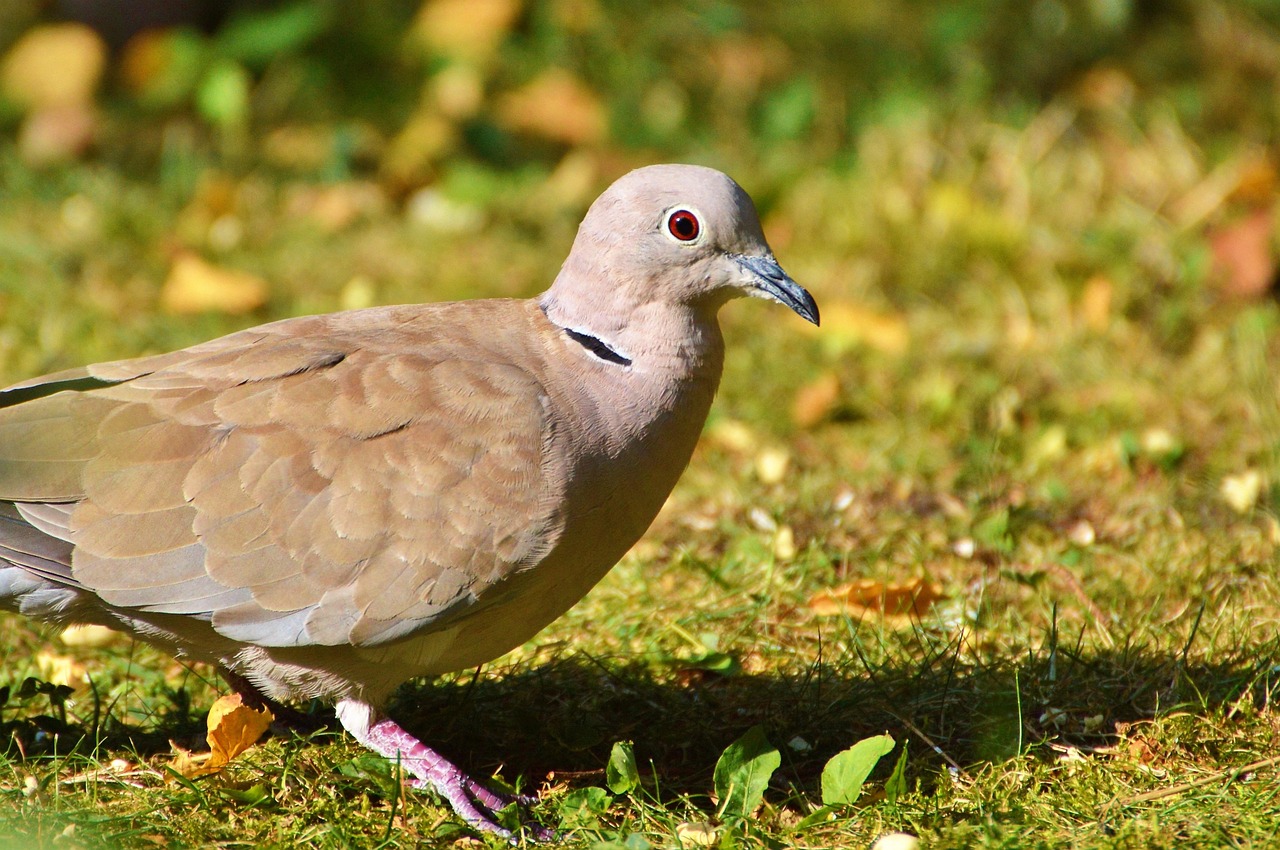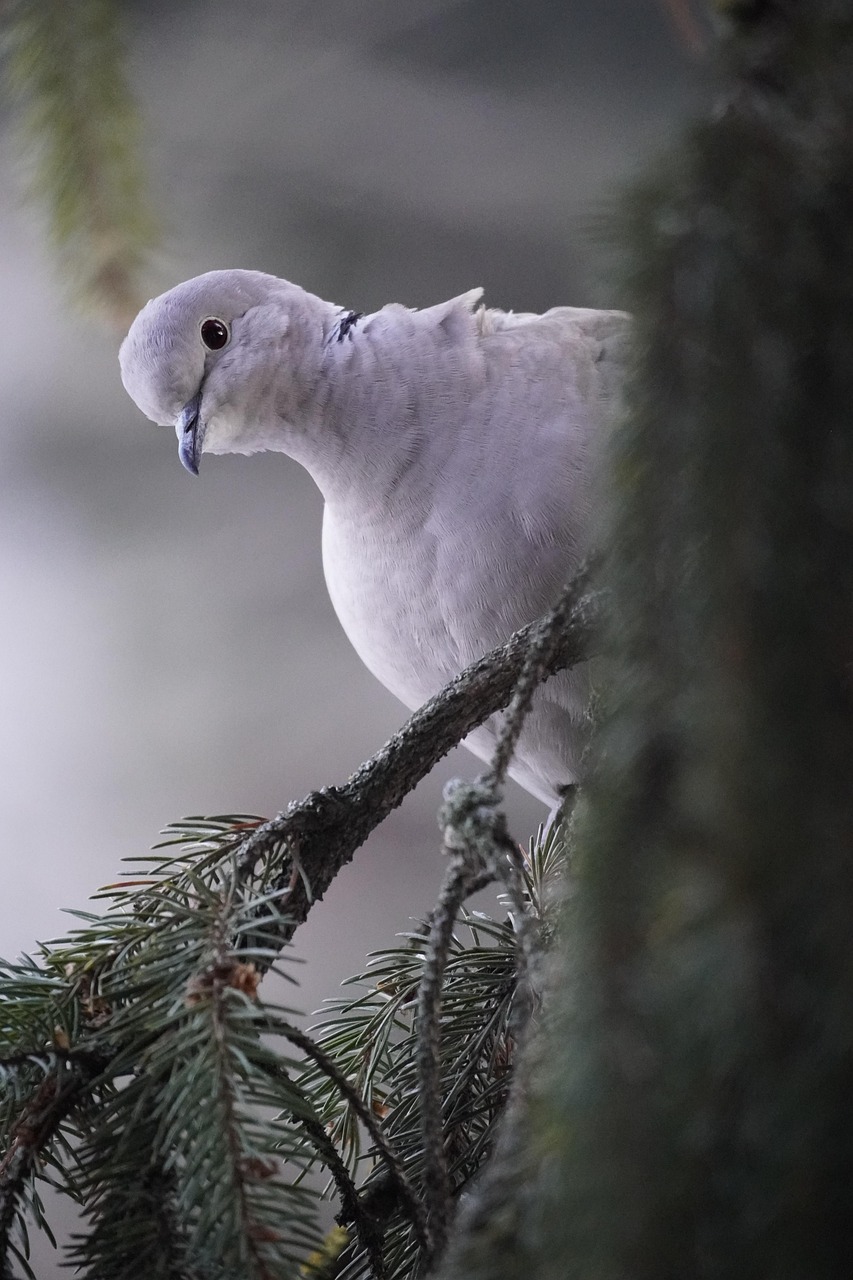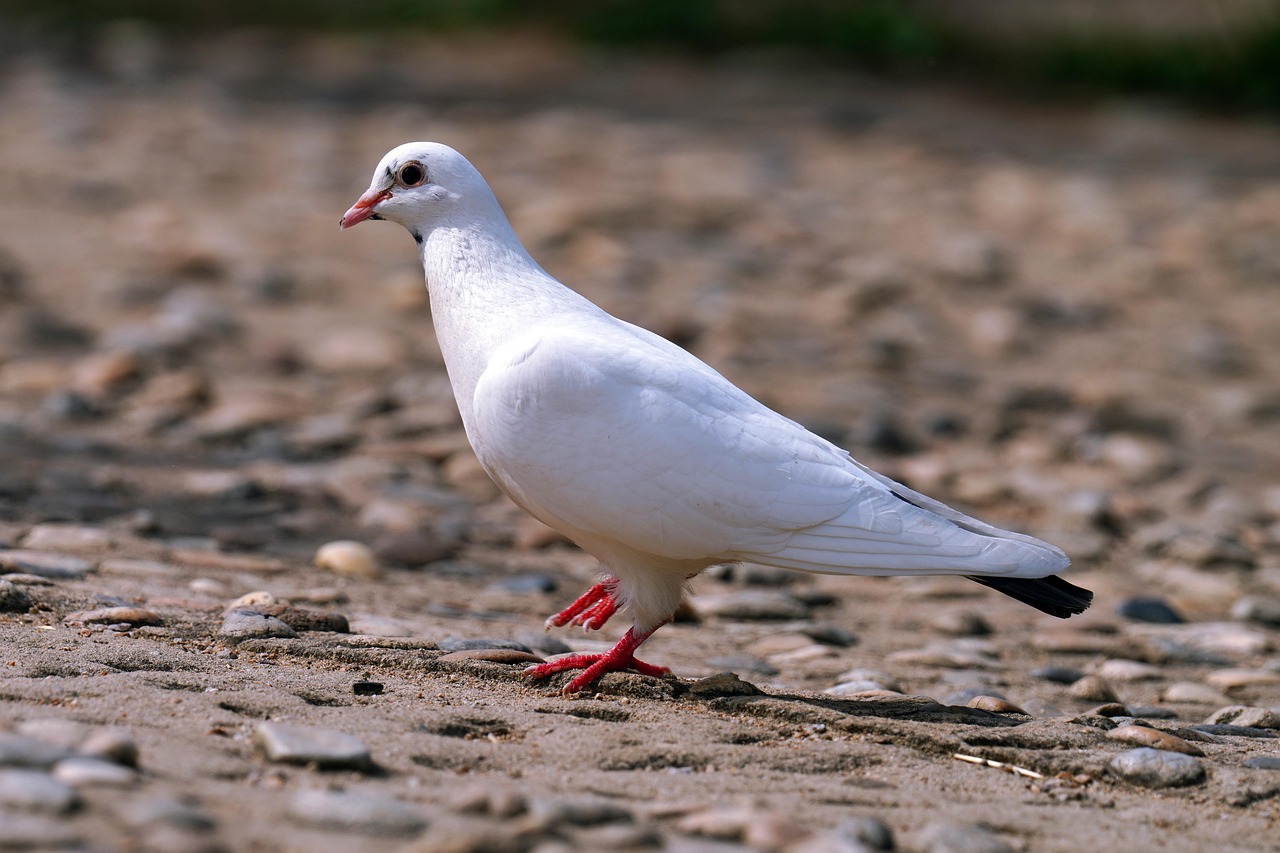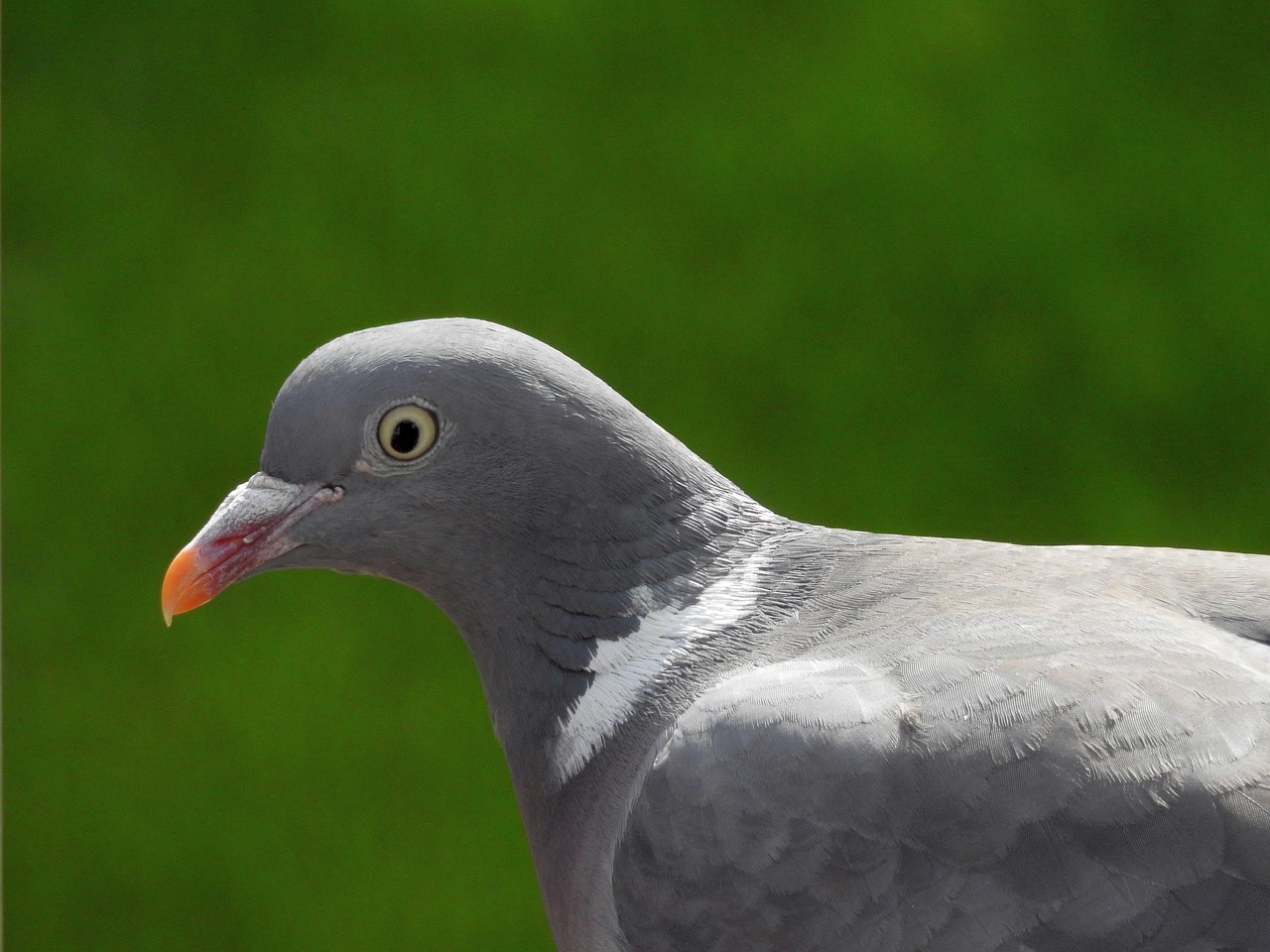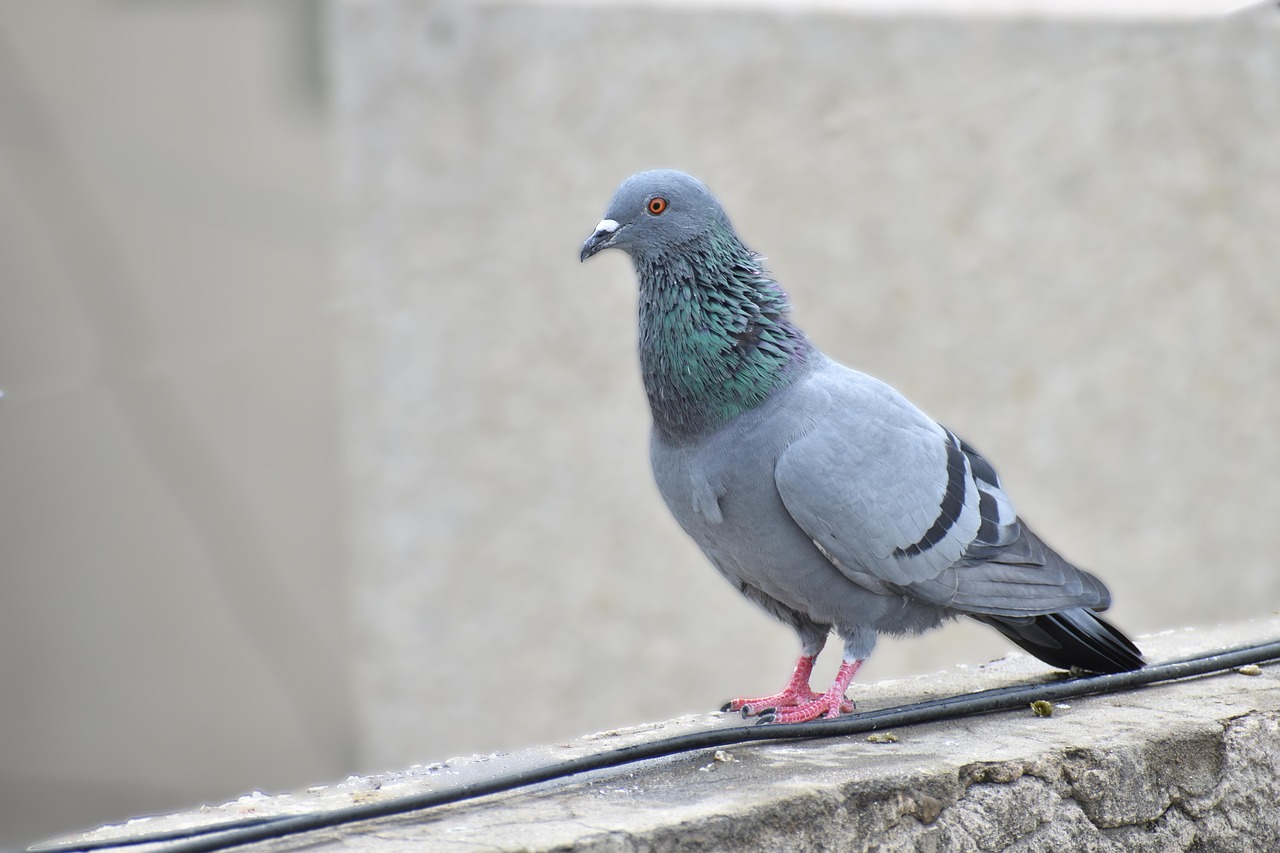
The King pigeon, known as 'حمام كنجي' in Arabic, has become a highly sought-after breed in the Gulf market, captivating enthusiasts with its unique characteristics and cultural significance. This article delves into the specifications and reasons behind its rising popularity, offering insights for breeders and hobbyists alike. Understanding these traits can help you make informed decisions in the thriving pigeon community.
Introduction to the King Pigeon
The King pigeon is a distinguished breed that has gained immense traction in the Gulf region, prized for its robust build and elegant appearance. Originating from selective breeding practices, it stands out in the pigeon world for its versatility and appeal. In this section, we explore its historical background and what makes it a favorite among Arab pigeon fanciers.
Historical Origins and Development
The King pigeon's roots trace back to the United States, where it was developed in the late 19th century through crossbreeding of various utility breeds. Over time, it has been adapted and refined in the Middle East, particularly in the Gulf, to meet local preferences for size and endurance. This evolution has made it a staple in Arab pigeon breeds, blending international heritage with regional tastes. Breeders have focused on enhancing traits like meat production and flight capabilities, leading to its current high demand in markets across Saudi Arabia, UAE, and other Gulf nations.
In the Gulf context, the King pigeon has been integrated into traditional pigeon-keeping practices, often associated with prestige and hobbyist competitions. Its development reflects a broader trend of global breeds being localized to suit the arid climates and cultural events of the region. Understanding this history helps appreciate why it's not just a bird but a symbol of heritage and innovation in pigeon breeding.
Key Characteristics and Appearance
King pigeons are renowned for their large, muscular bodies, typically weighing between 800 to 1,200 grams, which makes them ideal for meat production and show purposes. They feature a broad chest, short beak, and vibrant plumage that can range from pure white to mixed colors, adding to their visual appeal. Their calm demeanor and strong flying ability make them suitable for both novice and experienced keepers in the Gulf.
Beyond physical traits, these pigeons exhibit excellent health and longevity when cared for properly, with a lifespan of up to 10 years in optimal conditions. Their feathers are dense and resilient, providing protection against the harsh desert climates common in the Gulf. This combination of beauty and practicality is a key reason for their popularity, as they fulfill multiple roles from ornamental displays to competitive flying events.
Demand Factors in the Gulf Market
The Gulf market for pigeons, especially the King breed, is driven by a mix of cultural, economic, and social factors that have fueled its high demand. This section examines the elements that make حمام كنجي a top choice, from its role in traditions to its economic viability. By understanding these drivers, breeders can better navigate the opportunities in this niche market.
Cultural Significance and Traditions
In the Gulf region, pigeon keeping is deeply embedded in cultural practices, often associated with hospitality, status, and leisure activities. The King pigeon, with its impressive stature, is frequently featured in local festivals, weddings, and pigeon racing events, symbolizing wealth and dedication. This cultural embrace has sustained its demand, as families and collectors vie for high-quality specimens to enhance their flocks.
Moreover, pigeon breeding is seen as a hobby that fosters community bonds, with many enthusiasts sharing knowledge and birds across generations. The King pigeon's adaptability to Gulf lifestyles—such as its ability to thrive in urban and rural settings—makes it a practical choice for maintaining these traditions. As a result, its market value remains strong, supported by a network of breeders and buyers who prioritize authenticity and heritage.
Economic and Market Trends
Economically, the King pigeon represents a lucrative segment in the Gulf's avian market, with prices varying based on factors like age, color, and breeding lineage. High-demand specimens can fetch significant sums, especially in countries like Qatar and Kuwait, where pigeon shows and auctions are common. This economic incentive has led to increased breeding efforts, with many entrepreneurs entering the market to capitalize on the trend.
Market trends show a growing interest in sustainable and ethical breeding practices, influenced by global awareness and local regulations. The King pigeon's high reproductive rate and low maintenance costs make it an attractive investment for small-scale breeders. Additionally, online platforms and social media have expanded the السوق الخليجي, allowing for wider distribution and higher visibility. By staying informed on these trends, stakeholders can optimize their strategies for maximum returns.
Breeding and Care Guidelines
Successful breeding and care of King pigeons require attention to detail and a commitment to best practices, ensuring healthy and productive flocks. This section provides actionable advice for enthusiasts looking to raise حمام كنجي, covering everything from housing to health management. Proper care not only enhances the birds' quality but also boosts their market appeal in the competitive Gulf scene.
Housing and Environment Setup
Ideal housing for King pigeons includes spacious lofts that protect them from extreme temperatures, predators, and diseases common in the Gulf. The loft should have adequate ventilation, nesting boxes, and perches to accommodate their active nature. Using materials like wood or metal that withstand humid conditions can prevent issues like mold and respiratory problems, ensuring a safe environment.
Environmental factors such as lighting and cleanliness play a crucial role in pigeon health; regular cleaning and disinfection reduce the risk of infections. In the Gulf's hot climate, providing shade and fresh water is essential to prevent heat stress. By mimicking natural habitats, breeders can promote breeding success and overall well-being, leading to stronger, more valuable birds for the market.
Nutrition and Health Management
A balanced diet is key to maintaining King pigeons' vitality, typically consisting of grains, seeds, and supplements to meet their nutritional needs. Common feed includes corn, wheat, and peas, which provide energy and support muscle development. Additionally, incorporating vitamins and minerals can prevent deficiencies and enhance feather quality, making the birds more attractive to buyers.
Health management involves regular check-ups for common ailments like parasites or respiratory issues, which are prevalent in crowded lofts. Vaccinations and preventive treatments should be part of a routine care plan, especially in the Gulf where diseases can spread quickly. By prioritizing nutrition and health, breeders can ensure their pigeons thrive, reducing mortality rates and increasing profitability in the السوق الخليجي.
- Provide a mix of grains and legumes for optimal nutrition
- Schedule vet visits every few months for preventive care
- Monitor for signs of illness, such as lethargy or loss of appetite
Training and Utilization
Training King pigeons for various purposes, from flying competitions to meat production, adds value and versatility to their role in the Gulf market. This section explores effective training methods and practical uses, helping breeders maximize their investment. With the right approach, these pigeons can excel in multiple domains, enhancing their appeal.
Flying and Competition Training
Training King pigeons for flying involves gradual exercises to build endurance and homing instincts, starting with short flights and increasing distance over time. Using techniques like loft flying and reward-based training can improve their performance in races, a popular pastime in the Gulf. Consistent practice helps them navigate the region's diverse landscapes, from coastal areas to deserts.
In competitions, factors like speed, agility, and return rate are critical, and well-trained King pigeons often stand out due to their strong physique. Breeders should focus on socializing the birds from a young age to reduce stress during events. This not only boosts their competitive edge but also increases their resale value, as trained pigeons are highly prized in the السوق الخليجي.
Meat Production and Other Uses
King pigeons are valued for their meat, which is tender and nutritious, making them a popular choice for culinary purposes in the Gulf. Breeding for meat involves selecting larger, healthier birds and ensuring a high-protein diet to accelerate growth. This utility aspect complements their ornamental and competitive roles, providing multiple revenue streams for breeders.
Beyond meat, these pigeons are used in educational and therapeutic settings, such as bird shows or animal-assisted activities, due to their docile nature. Their feathers and by-products can also be utilized in crafts or fertilizers, adding to their economic potential. By diversifying uses, breeders can tap into broader markets, sustaining demand for حمام كنجي in the region.
Challenges and Solutions
Raising King pigeons in the Gulf comes with challenges, from environmental stressors to market fluctuations, but proactive strategies can mitigate these issues. This section addresses common obstacles and offers solutions to help breeders maintain successful operations. Overcoming these hurdles is essential for long-term sustainability in the pigeon industry.
Environmental and Health Challenges
The Gulf's extreme heat and sandstorms pose significant risks to King pigeons, leading to dehydration, heatstroke, or respiratory problems. To combat this, breeders should install cooling systems in lofts, such as fans or misters, and provide ample water sources. Regular health monitoring and quarantine protocols for new birds can prevent disease outbreaks, ensuring flock integrity.
Additionally, nutritional deficiencies may arise from poor feed quality, so sourcing high-grade ingredients and supplements is crucial. By adopting climate-resilient practices and investing in preventive care, breeders can reduce mortality rates and enhance the overall health of their pigeons, making them more competitive in the market.
Market Competition and Adaptation
The high demand for King pigeons has led to increased competition in the السوق الخليجي, with many breeders vying for top prices. To stand out, focus on breeding for unique traits, such as rare colors or superior flying abilities, and leverage digital platforms for marketing. Building a reputation for quality and reliability can attract loyal customers and higher bids.
Adapting to market changes, such as shifts in consumer preferences or regulatory updates, requires staying informed through industry networks and events. Collaborating with other breeders can also foster innovation and resource sharing. By embracing these strategies, enthusiasts can navigate challenges effectively, ensuring the continued popularity of حمام كنجي in the Gulf.
Conclusion
In summary, the King pigeon's high demand in the Gulf market stems from its exceptional traits, cultural relevance, and economic potential. By focusing on proper breeding, care, and training, enthusiasts can capitalize on this trend and contribute to the vibrant pigeon community. For those looking to elevate their pigeon management, consider exploring tools and resources from Ghawy – Pigeon Manager (غاوي – إدارة الحمام) to streamline your efforts and achieve greater success.