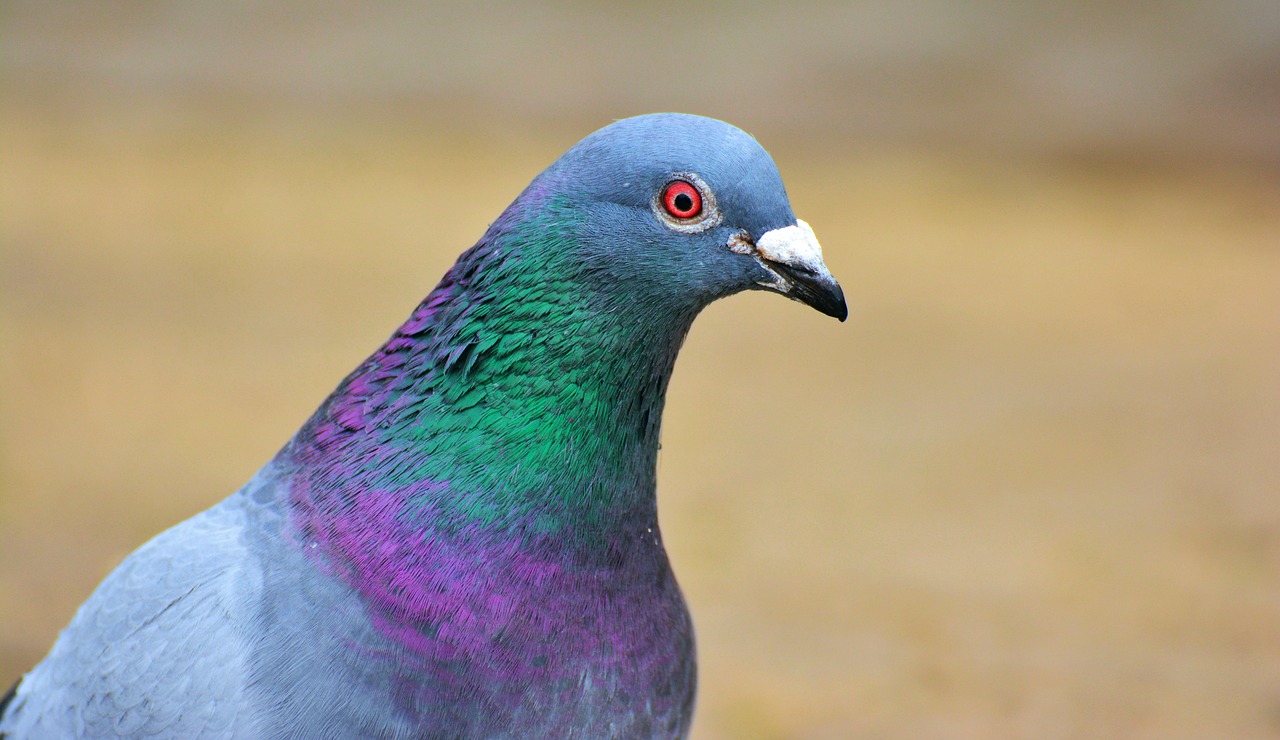
Rare pigeon breeds captivate enthusiasts with their unique beauty and elegance, but presenting them effectively requires the right equipment. This guide explores essential tools for highlighting these avian gems, focusing on show cage setup and lighting for pigeons to enhance their natural allure. By mastering these elements, you can transform any display into a stunning showcase that celebrates the rarity and charm of your birds.
Essential Show Cage Setup for Rare Pigeons
A well-designed show cage setup is the foundation for presenting rare pigeon breeds in their best light. It not only ensures the birds' comfort and safety but also accentuates their distinctive features, making them stand out in competitions or exhibitions. Investing in quality cages can make a significant difference in how your pigeons are perceived by judges and admirers alike.
Choosing the Right Cage Design
Selecting the ideal cage involves considering materials, size, and accessibility to create a secure and visually appealing environment. Opt for cages made from durable, non-toxic materials like stainless steel or powder-coated wire, which resist corrosion and are easy to clean. The size should allow pigeons to move comfortably without feeling cramped, typically ranging from 24 to 36 inches in length for larger breeds, ensuring they can stretch their wings and display their posture naturally. Additionally, look for designs with removable trays and doors that facilitate easy access for feeding, cleaning, and handling, minimizing stress on the birds during setup and maintenance.
Beyond basic functionality, the cage's aesthetic elements play a crucial role in highlighting rare breeds. Smooth, rounded edges and a minimalist frame help draw attention to the pigeons themselves, rather than the enclosure. For breeds with intricate feather patterns or vibrant colors, a neutral-colored cage in shades like white or light gray can serve as a perfect backdrop, enhancing contrast and making details pop. Regularly inspect cages for any sharp edges or loose parts that could harm the birds, and consider customizing with perches that mimic natural branches to encourage natural behaviors and improve overall presentation.
Customizing for Breed-Specific Needs
Different rare pigeon breeds have unique requirements that demand tailored cage setups to showcase their best attributes. For instance, high-flying breeds like the Tumbler may benefit from taller cages that allow for vertical movement, emphasizing their agility and flight patterns. In contrast, breeds with elaborate feathering, such as the Fantail, require wider spaces to prevent damage to their plumes and enable full tail displays. Assess each breed's characteristics—such as size, activity level, and feather type—to adjust cage dimensions and interior features accordingly, ensuring optimal comfort and visual impact.
Incorporating breed-specific accessories can further enhance the show cage setup. Add soft, non-slip flooring to protect delicate feet and reduce noise, which is especially important for nervous breeds. For pigeons with long neck feathers or crests, include elevated perches that promote an upright posture, making them appear more regal and striking. It's also wise to test the setup in advance of shows, observing how the birds interact with the cage to make refinements. By customizing based on breed needs, you not only improve welfare but also create a compelling display that highlights the rarity and beauty of your pigeons.
- Prioritize cages with adjustable components for flexibility across breeds
- Use natural materials for perches to reduce stress and encourage natural behavior
- Ensure adequate ventilation to maintain air quality and prevent respiratory issues
Optimizing Lighting for Pigeon Displays
Proper lighting for pigeons is essential in any exhibition, as it can dramatically enhance the visibility of colors, textures, and movements that define rare breeds. Strategic lighting not only illuminates the birds but also creates an inviting atmosphere that draws viewers in, making it a key element in competitive and hobbyist settings alike. By understanding how light interacts with pigeon features, you can design displays that are both functional and aesthetically pleasing.
Types of Lighting and Their Effects
Various lighting options, from natural to artificial sources, offer distinct advantages for pigeon displays, each affecting how breeds are perceived. Natural daylight is ideal for showcasing true colors and reducing eye strain, but it can be inconsistent; supplement it with full-spectrum LED lights that mimic sunlight, providing even illumination without harsh shadows. For indoor setups, consider adjustable spotlights or track lighting that allow you to direct focus onto specific areas, such as the head or wings, to highlight unique markings. Avoid fluorescent lights, as they can distort colors and cause discomfort, opting instead for warm white or neutral tones that enhance feather sheen and detail.
The intensity and angle of lighting play a critical role in emphasizing the beauty of rare pigeons. Position lights at a 45-degree angle to the cage to minimize glare and create depth, making feathers appear more vibrant and three-dimensional. Use dimmable controls to adjust brightness based on the environment—brighter for high-traffic areas to attract attention, and softer for intimate viewings to reduce stress on the birds. Experiment with backlighting for translucent feathers or iridescent breeds, as it can create a halo effect that adds drama and elegance. Regularly check for heat emission from lights to ensure they don't overheat the cage, maintaining a comfortable temperature for the pigeons.
Practical Tips for Lighting Setup
Implementing an effective lighting setup requires careful planning to balance aesthetics with the well-being of your pigeons. Start by assessing the exhibition space—measure distances and identify power sources to avoid cluttered cords that could pose hazards. Use energy-efficient LEDs with a high Color Rendering Index (CRI) above 90, as they accurately represent colors and are long-lasting, reducing the need for frequent replacements. For larger displays, incorporate multiple light sources at different heights to eliminate dark spots and ensure even coverage, creating a cohesive look that enhances the overall presentation.
Safety should always be a priority when setting up lighting for pigeons. Secure all fixtures firmly to prevent falls, and use covers or barriers to keep birds from pecking at bulbs or wires. Consider automated timers to maintain consistent lighting schedules, which can help regulate the pigeons' circadian rhythms and reduce stress during long events. Additionally, monitor for any flickering or uneven lighting that might cause anxiety, and have backup options on hand for emergencies. By following these practical tips, you can create a reliable and stunning lighting system that not only showcases rare breeds effectively but also promotes their health and happiness.
- Choose LEDs with low UV output to protect delicate feathers and eyes
- Position lights to avoid direct beams into the pigeons' eyes, reducing stress
- Test lighting setups before events to fine-tune angles and intensities
Integrating Cage and Lighting for Maximum Impact
Combining an optimal show cage setup with strategic lighting for pigeons creates a synergistic effect that elevates the entire display, making rare breeds appear more vibrant and engaging. This integration allows you to control how light interacts with the cage environment, highlighting key features while ensuring the birds feel secure and comfortable. A cohesive approach can transform a simple setup into a captivating exhibit that stands out in any setting.
Designing a Cohesive Display Environment
To achieve a harmonious blend of cage and lighting, start by aligning their designs to complement each other and the pigeons' characteristics. For example, pair a light-colored cage with warm, directed lighting to enhance contrast and draw attention to colorful breeds like the Lahore or Modena. Use the cage's structure—such as bars or frames—to cast subtle shadows that add depth without obscuring details, and ensure lighting fixtures are integrated seamlessly to avoid cluttering the space. This thoughtful coordination not only improves aesthetics but also makes the display more intuitive for viewers to appreciate.
Practical considerations are crucial when integrating these elements to maintain functionality and bird welfare. Place lights in a way that they illuminate the entire cage evenly, avoiding hotspots that could cause discomfort or overheating. If using multiple cages in a row, standardize the lighting angles and intensities to create a uniform look that emphasizes the collection's rarity. Regularly assess the setup from different viewer perspectives to identify any areas needing adjustment, such as reflections or dark corners. By designing with both beauty and practicality in mind, you can create an environment that showcases rare pigeons at their best while ensuring their well-being.
Enhancing Visual Appeal Through Collaboration
Collaboration between cage design and lighting can amplify the visual appeal of rare pigeon breeds by emphasizing their unique traits in a dynamic way. For instance, use adjustable lighting to highlight specific areas of the cage where pigeons naturally perch, creating focal points that guide the viewer's eye. Incorporate reflective surfaces or backgrounds within the cage setup to bounce light and enhance brightness, making iridescent feathers shimmer under illumination. This approach not only makes the display more engaging but also allows for customization based on the breed's behavior and appearance.
To maximize impact, experiment with different combinations during practice sessions, observing how changes in lighting affect the pigeons' visibility and mood. For breeds with intricate patterns, such as the Owl Pigeon, softer, diffused lighting can reduce shadows and reveal fine details, while directional spots might better suit breeds with bold colors. Keep the overall theme consistent—whether it's a natural, rustic look or a modern, minimalist style—to create a memorable experience for audiences. By fostering this collaboration, you can develop displays that are not only visually stunning but also tailored to the specific needs of each rare breed, ensuring they shine in every exhibition.
- Use dimmable lights to adapt to different times of day or event settings
- Incorporate background elements that complement lighting for a unified aesthetic
- Monitor bird behavior to ensure the integrated setup reduces stress and encourages natural displays
Maintenance and Upkeep for Long-Term Success
Regular maintenance of your show cage setup and lighting for pigeons is vital for sustaining their effectiveness and ensuring the health of your rare breeds. Neglecting upkeep can lead to issues like wear and tear, reduced lighting quality, or even hazards that compromise both presentation and bird safety. By establishing a consistent routine, you can prolong the life of your equipment and maintain a professional display that continues to impress over time.
Routine Cleaning and Inspection
Developing a schedule for cleaning and inspecting cages and lighting fixtures helps prevent problems and keeps your setup in top condition. Clean cages at least weekly using mild, bird-safe disinfectants to remove droppings, dust, and debris that could obscure views or harbor bacteria. Pay special attention to corners and perches where residue accumulates, and check for any signs of rust or damage that might need repair. For lighting, wipe down bulbs and fixtures regularly to maintain brightness, and inspect wires for fraying or loose connections to avoid electrical issues. This proactive approach not only ensures a pristine appearance but also promotes a healthy environment for your pigeons.
In addition to regular cleaning, conduct thorough inspections before each use to catch potential issues early. Test all lighting elements to confirm they are functioning correctly and providing consistent illumination, replacing any dim or flickering bulbs promptly. Examine cages for sharp edges, loose parts, or weak spots that could injure birds or detract from the display. Keep a log of maintenance activities to track patterns and identify when replacements are needed, such as upgrading to more energy-efficient lights or sturdier cage materials. By staying diligent, you can avoid last-minute surprises and ensure your equipment always supports the beauty of your rare pigeons.
Upgrading and Adapting Over Time
As you gain experience or your collection of rare breeds evolves, upgrading your show cage setup and lighting can enhance their impact and address new challenges. Stay informed about advancements in equipment, such as LED technologies with better color accuracy or modular cages that offer greater customization. Consider feedback from shows or fellow enthusiasts to identify areas for improvement, like adding adjustable lighting mounts or switching to lighter, more portable cages for easier transport. Upgrades don't always require large investments; small changes, like adding reflective panels or soft-glow night lights, can make a significant difference in how your pigeons are presented.
Adapting your setup over time also involves responding to the specific needs of your pigeons as they age or as you introduce new breeds. Monitor how changes in lighting or cage design affect bird behavior and adjust accordingly to minimize stress. For example, if a breed shows signs of anxiety under bright lights, incorporate diffusers or lower-intensity options. Regularly reassess your overall strategy to ensure it aligns with current trends in pigeon showing, such as sustainability practices using eco-friendly materials. By embracing continuous improvement, you can keep your displays fresh and effective, ultimately showcasing your rare breeds in the best possible light for years to come.
- Schedule seasonal deep cleans to address wear from frequent use
- Invest in durable, high-quality equipment to reduce long-term costs
- Seek advice from experts or online communities for innovative maintenance tips
Conclusion
Mastering the art of showcasing rare pigeon breeds hinges on a thoughtful combination of show cage setup and lighting for pigeons, which together create an environment that highlights their unique beauty and ensures their well-being. By focusing on tailored designs, proper maintenance, and seamless integration, you can elevate any display to captivate audiences and excel in competitions. Remember, the goal is not just to present these birds but to celebrate their rarity in a way that respects their nature and enhances their appeal. For those looking to streamline their pigeon management, consider exploring tools like Ghawy – Pigeon Manager to organize and optimize your efforts with ease.