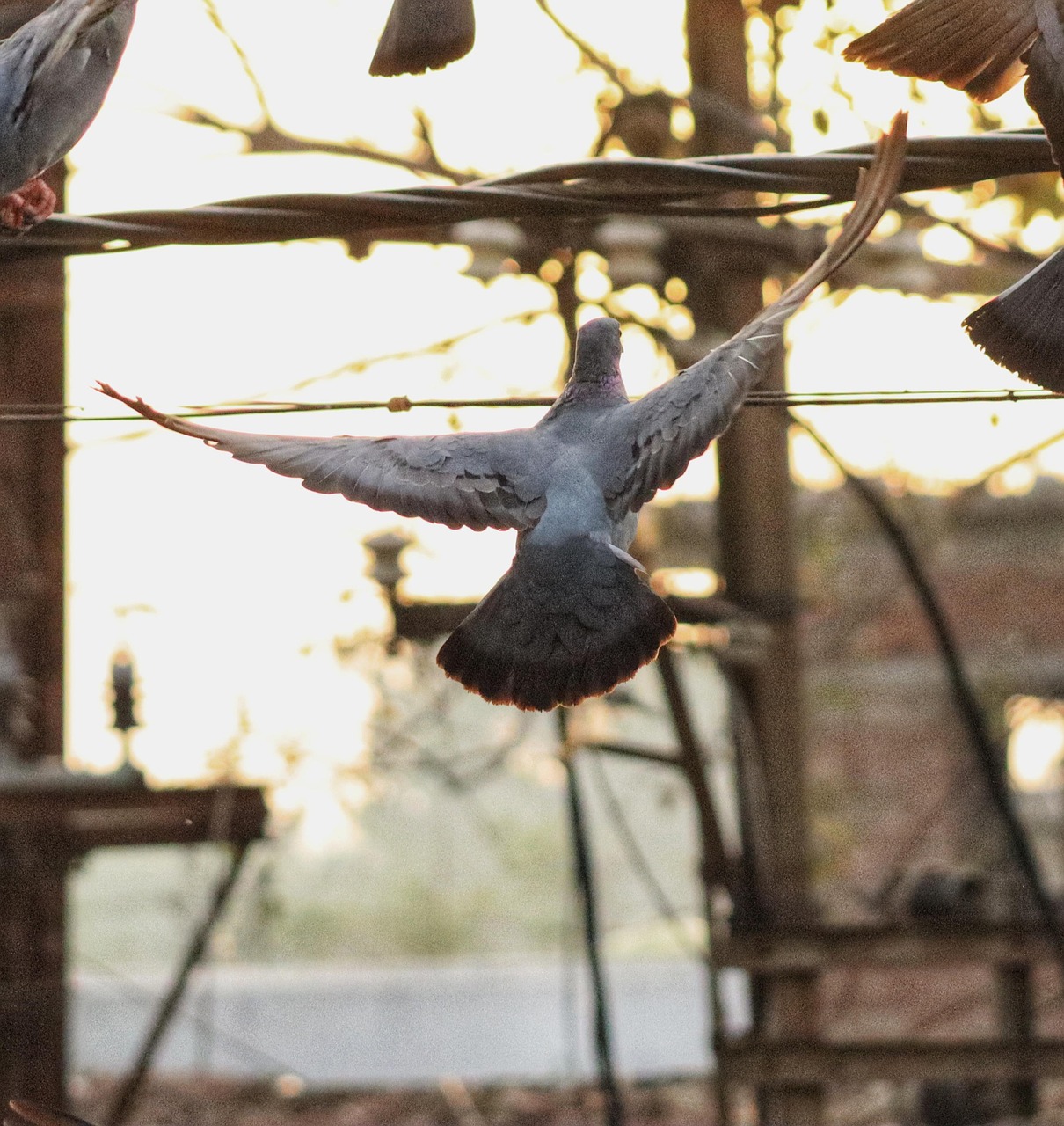
The King pigeon, known as 'حمام كنجي' in Arabic, has become a highly sought-after breed in the Gulf market, captivating enthusiasts with its unique characteristics and cultural significance. This article delves into the specifications driving its popularity, offering insights for breeders and hobbyists alike in the thriving pigeon community.
Introduction to the King Pigeon
The King pigeon, originally developed in the United States, has found a special place in the hearts of Gulf pigeon fanciers due to its impressive size and gentle nature. In the Gulf region, this breed is not just a bird but a symbol of prestige and tradition, often featured in competitions and private collections. Understanding its origins helps appreciate why it stands out in the competitive pigeon market.
Historical Background
The King pigeon was bred in the late 19th century by crossing various utility breeds to create a bird ideal for meat production and show purposes. Its journey to the Gulf began with trade routes and cultural exchanges, where it was embraced for its adaptability to the local climate and its aesthetic appeal. Over time, it has evolved to meet the specific tastes of the Gulf market, becoming a staple in aviaries across Saudi Arabia, UAE, and other GCC countries. This historical context underscores its resilience and the reasons behind its enduring popularity among pigeon enthusiasts in the region.
In the Gulf, the King pigeon's history intertwines with local traditions, where pigeon keeping is a cherished hobby passed down through generations. Breeders have selectively enhanced traits like size and color to align with regional preferences, making it a dynamic part of the cultural landscape. This evolution highlights how global breeds can be tailored to local markets, ensuring their relevance and demand in places like the Gulf, where pigeon racing and breeding are deeply ingrained in social life.
Key Characteristics
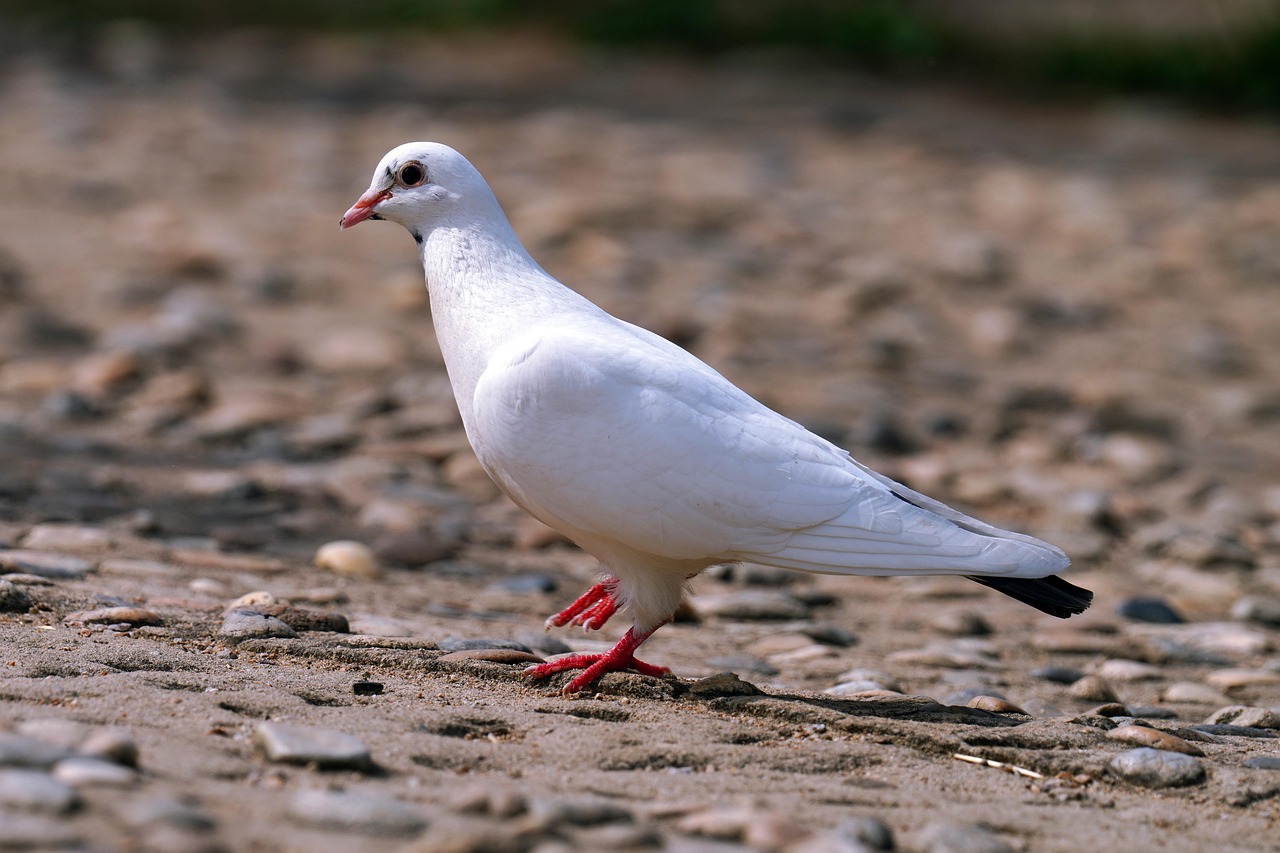
King pigeons are renowned for their large, robust bodies, typically weighing between 800 grams to over 1 kilogram, which makes them one of the heaviest pigeon breeds. They feature a broad chest, short beak, and a calm demeanor, making them easy to handle and ideal for both novice and experienced breeders. Their feathers come in a variety of colors, including white, black, and mottled patterns, adding to their visual appeal in shows and collections. These physical traits not only enhance their beauty but also contribute to their utility in meat production, a factor that boosts their economic value in the Gulf market.
Beyond physical attributes, King pigeons exhibit a docile temperament, which is crucial for breeding and training in the Gulf's communal pigeon-keeping environments. Their ability to thrive in varied conditions, from urban settings to rural farms, makes them versatile and low-maintenance. Breeders in the Gulf often prioritize these characteristics when selecting birds, as they align with the region's emphasis on harmony and practicality in animal husbandry. This combination of size, temperament, and adaptability makes the King pigeon a top choice for those looking to invest in high-demand breeds.
Demand Factors in the Gulf Market
The Gulf market for pigeons, particularly the King breed, is driven by a blend of cultural heritage, economic factors, and social trends. In countries like Kuwait, Qatar, and Oman, pigeon keeping is more than a hobby; it's a status symbol and a way to connect with tradition. The King pigeon's rising demand can be attributed to its association with luxury and its performance in local competitions, where it often wins accolades for its size and beauty. This section explores the key elements fueling this trend and how breeders can capitalize on it.
Cultural Significance
In the Gulf region, pigeons have long been part of cultural rituals and social gatherings, with breeds like the King pigeon symbolizing wealth and hospitality. They are often released during celebrations or kept in elaborate lofts as a display of affluence. This cultural embeddedness means that demand is not just about the bird's physical traits but also its role in reinforcing community bonds and identity. For instance, in Saudi Arabia, pigeon races are popular events that draw large crowds, and the King pigeon's impressive stature makes it a favorite among participants and spectators alike.
The cultural appeal extends to the aesthetic preferences in the Gulf, where larger, more ornate birds are highly valued. King pigeons fit this niche perfectly, with their grand appearance and gentle nature making them ideal for family settings and public displays. As urbanization increases, maintaining these traditions becomes a way to preserve heritage, further boosting demand for breeds that embody these values. Breeders who understand this cultural context can better market their pigeons, emphasizing how the King breed enhances social status and cultural continuity in the Gulf market.
Economic Drivers
Economically, the King pigeon represents a lucrative opportunity in the Gulf, where disposable incomes are high and interest in niche hobbies is growing. The breed's dual purpose for meat and show means it can generate revenue through sales, breeding programs, and competition winnings. In the UAE, for example, specialized pigeon markets and online platforms have emerged, facilitating trade and driving up prices for premium specimens. This economic vitality attracts investors and breeders looking to tap into a market with strong growth potential, especially as global trends in pet and livestock ownership evolve.
Additionally, the Gulf's strategic location as a trade hub enhances the accessibility of King pigeons, with imports and local breeding efforts keeping supply steady. Factors like climate resilience and low maintenance costs make them a sustainable choice, reducing risks for breeders. As demand rises, prices for high-quality King pigeons can reach significant sums, incentivizing focused breeding and innovation in care techniques. This economic landscape underscores the importance of staying informed about market trends to maximize returns in the competitive Gulf pigeon industry.
Breeding and Care Guidelines
Successfully breeding and caring for King pigeons in the Gulf requires attention to specific practices that ensure health, productivity, and market readiness. Given the region's hot climate and unique environmental conditions, breeders must adopt tailored approaches to housing, feeding, and health management. This section provides actionable advice for maintaining thriving King pigeon flocks, drawing on expert insights to help enthusiasts achieve optimal results in their aviaries.
Housing and Environment
Proper housing is essential for King pigeons, especially in the Gulf's extreme temperatures, where heat stress can be a major concern. Lofts should be well-ventilated, shaded, and equipped with cooling systems like fans or misters to maintain a comfortable environment. It's important to provide ample space, as King pigeons are large birds that need room to move and exercise; a minimum of 2-3 square feet per bird is recommended to prevent overcrowding and reduce disease risk. Additionally, using materials that reflect heat, such as light-colored roofs, can help regulate indoor temperatures and ensure the birds' well-being.
Beyond basic shelter, environmental enrichment plays a key role in keeping King pigeons healthy and stress-free. Including perches, nesting boxes, and clean water sources encourages natural behaviors and supports breeding success. In the Gulf, where sandstorms and high humidity are common, regular cleaning and pest control are crucial to prevent respiratory issues and infections. Breeders should also consider seasonal adjustments, such as increasing ventilation during summer and providing insulation in cooler months, to create a stable habitat that promotes longevity and productivity in their flocks.
Nutrition and Health
A balanced diet is vital for King pigeons to maintain their size and vitality, with a focus on high-protein feeds that support muscle development and feather quality. In the Gulf, common feed options include grains like corn, wheat, and peas, supplemented with vitamins and minerals to address local deficiencies. Fresh water should always be available, and in hot climates, electrolytes can be added to prevent dehydration. Overfeeding should be avoided, as obesity can lead to health problems; instead, portion control and regular feeding schedules help keep the birds in peak condition for breeding and shows.
Health management for King pigeons involves routine checks for common ailments such as parasites, respiratory infections, and nutritional disorders, which are prevalent in crowded or poorly maintained lofts. Vaccinations and deworming programs are recommended, especially in the Gulf's humid conditions where disease spread is faster. Breeders should work with veterinarians to develop a preventive care plan, including quarantine procedures for new birds to avoid introducing illnesses. By prioritizing nutrition and health, enthusiasts can ensure their King pigeons thrive, enhancing their value and appeal in the competitive Gulf market.
Market Trends and Future Outlook
The Gulf pigeon market is evolving rapidly, with trends pointing towards increased specialization and digital integration for breeds like the King pigeon. As consumer preferences shift towards sustainable and ethically raised birds, breeders must adapt to stay relevant. This section examines current market dynamics and predicts future developments, offering insights to help stakeholders navigate opportunities and challenges in this vibrant industry.
Current Trends
Currently, the demand for King pigeons in the Gulf is fueled by a growing interest in exotic pets and competitive breeding, with online platforms and social media playing a pivotal role in connecting buyers and sellers. Trends show a preference for birds with unique color mutations or superior genetic lines, driving up prices for rare specimens. Additionally, there's a move towards organic and free-range breeding practices, as consumers become more conscious of animal welfare and environmental impact. This aligns with global shifts but is tailored to the Gulf's cultural context, where tradition and modernity blend seamlessly.
Another significant trend is the rise of pigeon-related events and exhibitions in the Gulf, such as those in Dubai and Riyadh, which boost visibility and demand for breeds like the King pigeon. These events often feature judging criteria based on size, color, and behavior, encouraging breeders to focus on quality over quantity. As the market becomes more competitive, leveraging digital tools for marketing and sales is essential, with many breeders using apps and websites to showcase their flocks. Understanding these trends allows enthusiasts to anticipate changes and invest in areas with high growth potential.
Future Predictions
Looking ahead, the Gulf market for King pigeons is expected to expand, driven by urbanization, increased leisure spending, and technological advancements in breeding techniques. Innovations like genetic testing and automated loft management could make it easier to produce high-quality birds, meeting the rising demand for premium varieties. However, challenges such as climate change and regulatory changes may impact supply chains, requiring breeders to adopt more resilient practices. By staying informed and adaptable, stakeholders can capitalize on these opportunities to strengthen their position in the market.
In the long term, the integration of sustainability into pigeon breeding could become a key differentiator, with consumers favoring breeds that are raised ethically and with minimal environmental footprint. The King pigeon, with its adaptability and low resource needs, is well-suited to this trend. Breeders who invest in education and community engagement, such as through workshops or partnerships, will likely see increased loyalty and sales. Ultimately, the future of the King pigeon in the Gulf looks bright, with potential for global influence as the region's pigeon culture gains international recognition.
Conclusion
In summary, the King pigeon's high demand in the Gulf market stems from its impressive specifications, cultural relevance, and economic potential. By focusing on proper breeding, care, and market awareness, enthusiasts can thrive in this dynamic industry. For those looking to elevate their pigeon management, consider exploring tools and resources from Ghawy – Pigeon Manager (غاوي – إدارة الحمام) to streamline your efforts and achieve greater success.