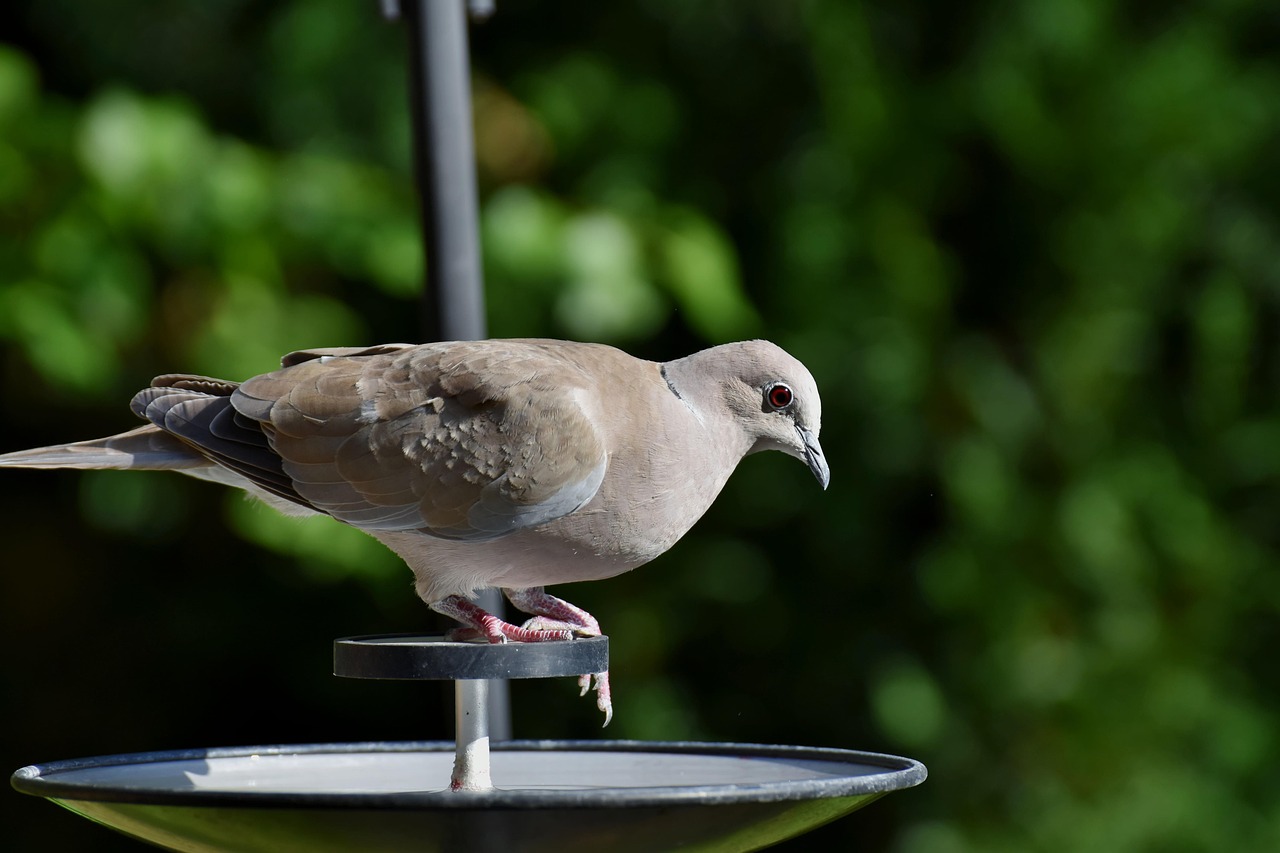
As the new season approaches, pigeon enthusiasts are gearing up for the ultimate challenge: preparing their birds for 100-kilometer races. This comprehensive training map offers a step-by-step guide to building endurance, speed, and race readiness, ensuring your pigeons perform at their peak. By focusing on a structured approach, you can transform your flock into competitive athletes ready for the demands of distance events.
Understanding the Basics of Distance Training Pigeons
Distance training pigeons is not just about flying long distances; it's about developing the physical and mental resilience needed for competitive racing. This foundational section covers the core principles that every trainer should master to avoid common pitfalls and maximize performance. From understanding pigeon physiology to setting realistic goals, a solid base is essential for any successful race preparation grid.
Key Principles of Pigeon Endurance
Endurance in pigeons is built through gradual increases in flight distance and intensity, much like training human athletes. Start with short, frequent flights to build muscle strength and cardiovascular health, then slowly extend the range as the birds adapt. This method prevents injuries and stress, which can derail your training progress. Consistency is crucial; irregular training can lead to setbacks, so stick to a regular schedule that aligns with your pigeons' natural rhythms and recovery needs.
Another vital aspect is monitoring your pigeons' health indicators, such as breathing rate and feather condition, to gauge their readiness for longer flights. Incorporate rest days into your plan to allow for muscle repair and mental rejuvenation. By focusing on these principles, you create a sustainable framework that supports long-term development and reduces the risk of burnout, ensuring your birds are primed for the 100-kilometer milestone.
Setting Up Your Initial Training Phases
The initial phases of distance training pigeons should focus on acclimatization and basic conditioning. Begin with flights of 5-10 kilometers, repeated several times a week to build familiarity and confidence. Use this stage to observe individual pigeon behaviors, noting which birds show early signs of strength or fatigue. This data will inform your race preparation grid, helping you tailor future training to each pigeon's unique capabilities.
During these early weeks, emphasize low-stress environments and positive reinforcement, such as rewarding returns with treats or comfortable lofts. Avoid pushing too hard too soon, as this can lead to aversion or health issues. Instead, gradually introduce variations in weather and terrain to build adaptability. By the end of this phase, your pigeons should be comfortable with routine flights, setting the stage for more intensive distance work in the coming months.
Developing a Strategic Race Preparation Grid
A race preparation grid is your blueprint for success, outlining every detail from training schedules to nutrition and health checks. This section delves into creating a customized grid that aligns with your pigeons' progress and the specific demands of 100-kilometer races. Think of it as a dynamic tool that evolves with your flock, ensuring no aspect of preparation is overlooked.
Designing Your Training Schedule
Crafting an effective training schedule involves balancing intensity, frequency, and recovery to optimize performance. Start by mapping out weekly goals, such as increasing distance by 10% each week, while incorporating variety to prevent monotony. For example, alternate between long endurance flights and shorter, speed-focused sessions to build both stamina and agility. This approach keeps pigeons engaged and reduces the risk of overtraining, which is common in rigid plans.
Use a calendar or digital tool to track milestones, adjusting the schedule based on weather conditions and pigeon feedback. Include rest periods after intense sessions to allow for physiological adaptations, like improved oxygen utilization and muscle growth. By the midpoint of your grid, pigeons should be comfortably handling 50-kilometer flights, with gradual builds toward the full 100 kilometers. This structured yet flexible schedule is key to a successful race preparation grid that adapts to real-world challenges.
Integrating Health and Nutrition Plans
Health and nutrition are pillars of any race preparation grid, directly impacting pigeons' energy levels and recovery. Develop a diet rich in proteins, carbohydrates, and essential vitamins to support muscle repair and sustained flight. Incorporate foods like grains, legumes, and supplements tailored for athletic birds, adjusting portions based on training intensity. Hydration is equally important; ensure fresh water is always available, and consider electrolyte solutions during longer training sessions to prevent dehydration.
Regular health checks should be part of your grid, including vet visits for vaccinations and parasite control. Monitor for signs of illness, such as lethargy or respiratory issues, and adjust training accordingly. A proactive approach minimizes downtime and keeps your pigeons in peak condition. By integrating these elements into your grid, you create a holistic system that supports overall well-being, making distance training pigeons safer and more effective.
Advanced Techniques for Building to 100 Kilometers
Once your pigeons have mastered intermediate distances, it's time to introduce advanced techniques that push their limits safely. This section explores methods like interval training, environmental simulations, and mental conditioning to prepare for the rigors of a 100-kilometer race. These strategies enhance both physical prowess and psychological resilience, giving your birds an edge in competition.
Implementing Interval and Speed Work
Interval training involves alternating between high-intensity bursts and recovery periods, boosting pigeons' speed and endurance. For example, schedule flights where pigeons fly at maximum effort for short distances, followed by slower, steady phases. This mimics race conditions, where bursts of speed are needed for navigation or avoiding predators. Start with intervals once a week, gradually increasing intensity as pigeons build tolerance, ensuring they don't overtax their systems.
Combine this with hill or wind resistance training to build strength, using natural obstacles to challenge muscles and improve aerodynamics. Monitor heart rates and recovery times to gauge effectiveness, adjusting the intervals based on individual responses. Over time, this technique sharpens reflexes and increases overall race readiness, making it a valuable component of your distance training pigeons regimen. Remember, the goal is progressive improvement, not sudden leaps, to maintain health and motivation.
Simulating Race-Day Conditions
Simulating race-day conditions helps pigeons adapt to variables like weather, terrain, and time of day, reducing stress during actual events. Conduct training flights in similar environments to your target race, such as open fields or urban areas, and vary start times to acclimate pigeons to different light and temperature conditions. This builds confidence and problem-solving skills, as birds learn to navigate challenges without panicking.
Incorporate group flights to mimic the social dynamics of races, where pigeons must maintain formation and pace. Use this to identify leaders and followers, adjusting pairings to optimize performance. By repeatedly exposing pigeons to these simulations, you reinforce positive behaviors and minimize surprises on race day. This proactive approach is a cornerstone of effective race preparation grid design, ensuring your flock is not just physically ready but mentally prepared for the 100-kilometer journey.
Monitoring Progress and Adjusting Your Plan
Continuous monitoring is essential to refine your training approach and address issues before they escalate. This section covers tools and methods for tracking pigeon performance, from simple logs to advanced metrics, and how to use this data to tweak your race preparation grid. A responsive plan adapts to successes and setbacks, keeping your training on track for the 100-kilometer goal.
Using Data to Track Performance
Data tracking involves recording details like flight times, distances, and behavioral notes after each session. Use a journal or app to log this information, looking for patterns in performance, such as consistent speed improvements or signs of fatigue. Analyze this data weekly to identify trends, like which pigeons excel in certain conditions, and adjust training intensities or rest periods accordingly. This objective approach removes guesswork, making your distance training pigeons more precise and effective.
Incorporate technology like GPS trackers to get real-time insights into flight paths and speeds, helping you pinpoint areas for improvement. Compare data across pigeons to spot outliers—for instance, a bird consistently lagging might need individualized attention. By leveraging this information, you can fine-tune your race preparation grid to maximize strengths and address weaknesses, ensuring balanced progress across your flock. This iterative process is key to long-term success in pigeon racing.
Making Adjustments Based on Feedback
Feedback from your pigeons, such as changes in behavior or health, should directly influence your training adjustments. If a bird shows signs of stress, like reduced appetite or agitation, scale back the intensity and focus on recovery. Conversely, if pigeons are breezing through sessions, gradually increase challenges to prevent plateaus. This responsive approach keeps training aligned with actual capabilities, avoiding the common pitfall of sticking rigidly to a plan that no longer fits.
Regularly review your race preparation grid with this feedback, updating schedules, nutrition, or techniques as needed. Involve other enthusiasts or experts for insights, but trust your observations as the primary guide. By staying adaptable, you create a dynamic training environment that evolves with your pigeons' needs, fostering continuous improvement. This flexibility is especially important as you approach the 100-kilometer mark, where small tweaks can make a big difference in race outcomes.
Common Challenges and How to Overcome Them
Every trainer faces obstacles in distance training pigeons, from health issues to environmental factors. This section addresses common challenges and provides practical solutions to keep your plan on course. By anticipating these hurdles, you can proactively manage risks and maintain momentum toward your goals.
Dealing with Health Setbacks
Health setbacks, such as injuries or illnesses, can disrupt training and require immediate attention. Common issues include respiratory infections or muscle strains, often triggered by overexertion or poor conditions. At the first sign of trouble, isolate affected pigeons and consult a vet for diagnosis and treatment. Adjust the race preparation grid to include lighter activities or complete rest until recovery, emphasizing that health always takes precedence over training milestones.
Preventive measures, like maintaining clean lofts and balanced diets, reduce the likelihood of setbacks. Incorporate regular health screenings into your routine to catch problems early. By having a contingency plan, you minimize downtime and keep the rest of your flock progressing. This proactive mindset ensures that challenges don't derail your entire distance training pigeons effort, allowing for a smoother path to the 100-kilometer race.
Managing Environmental and Weather Factors
Environmental factors, such as extreme weather or predator threats, pose significant risks to training consistency. Develop strategies to mitigate these, like training during milder parts of the day or using protective enclosures in hazardous conditions. Monitor forecasts closely and have backup plans for indoor exercises or shortened flights when outdoor training isn't feasible. This adaptability is crucial for maintaining progress without compromising safety.
Educate yourself on local hazards, such as high-wind areas or common predators, and train pigeons to respond to commands that enhance evasion. By incorporating these elements into your race preparation grid, you build resilience and reduce stress-related issues. Over time, pigeons become more adept at handling variables, turning potential obstacles into manageable aspects of their training. This approach not only safeguards your birds but also strengthens their overall readiness for race day.
Conclusion
In summary, achieving a 100-kilometer training milestone requires a holistic approach that blends structured planning, advanced techniques, and responsive adjustments. By focusing on distance training pigeons and a detailed race preparation grid, you can build a competitive flock capable of excelling in demanding races. Remember, consistency and adaptability are your greatest allies in this journey. For those looking to streamline their efforts, consider using Ghawy – Pigeon Manager (غاوي – إدارة الحمام) to organize schedules and track progress with ease. Embrace these strategies, and you'll be well on your way to pigeon racing success this season.