Shami pigeons, known for their elegance and rich history, are a prized breed among enthusiasts in the Arab world. This comprehensive guide delves into their vibrant colors, detailed specifications, and current market prices, offering valuable insights for both beginners and seasoned breeders. Understanding these aspects can enhance your appreciation and care for these magnificent birds.
Introduction to Shami Pigeons
Shami pigeons, or حمام شامي, have a storied heritage rooted in the Middle East, particularly Syria, where they are celebrated for their beauty and resilience. These birds are not just pets; they are a symbol of cultural pride and a hobby that brings communities together. In this section, we explore their origins and why they remain so popular today.
Historical Background
The history of Shami pigeons dates back centuries, with origins in the Levant region, where they were bred for their distinctive features and flying abilities. Over time, selective breeding has refined their characteristics, making them a favorite in pigeon shows and competitions. Their name, derived from "Sham," referring to Greater Syria, highlights their regional significance and the deep connection to Arab traditions.
Breeders have long valued Shami pigeons for their adaptability to various climates and their role in social gatherings, where they are often discussed and traded. This historical context not only enriches their appeal but also underscores the importance of preserving their lineage through careful breeding practices.
Cultural Significance
In many Arab cultures, Shami pigeons are more than just birds; they are a part of family heritage and social status. They feature in folklore, art, and even poetry, symbolizing peace and perseverance. Enthusiasts often gather to share stories and tips, fostering a sense of community around this beloved breed.
Owning Shami pigeons can be a rewarding experience, connecting people to their roots and providing a peaceful hobby. Their presence in urban and rural settings alike demonstrates their versatility and enduring charm, making them a cornerstone of avian culture in the region.
Colors and Varieties of Shami Pigeons
The diversity in colors among Shami pigeons is one of their most captivating features, with each hue telling a story of breeding expertise and natural selection. This section breaks down the common and rare color varieties, helping you identify and appreciate the full spectrum available.
Common Color Patterns
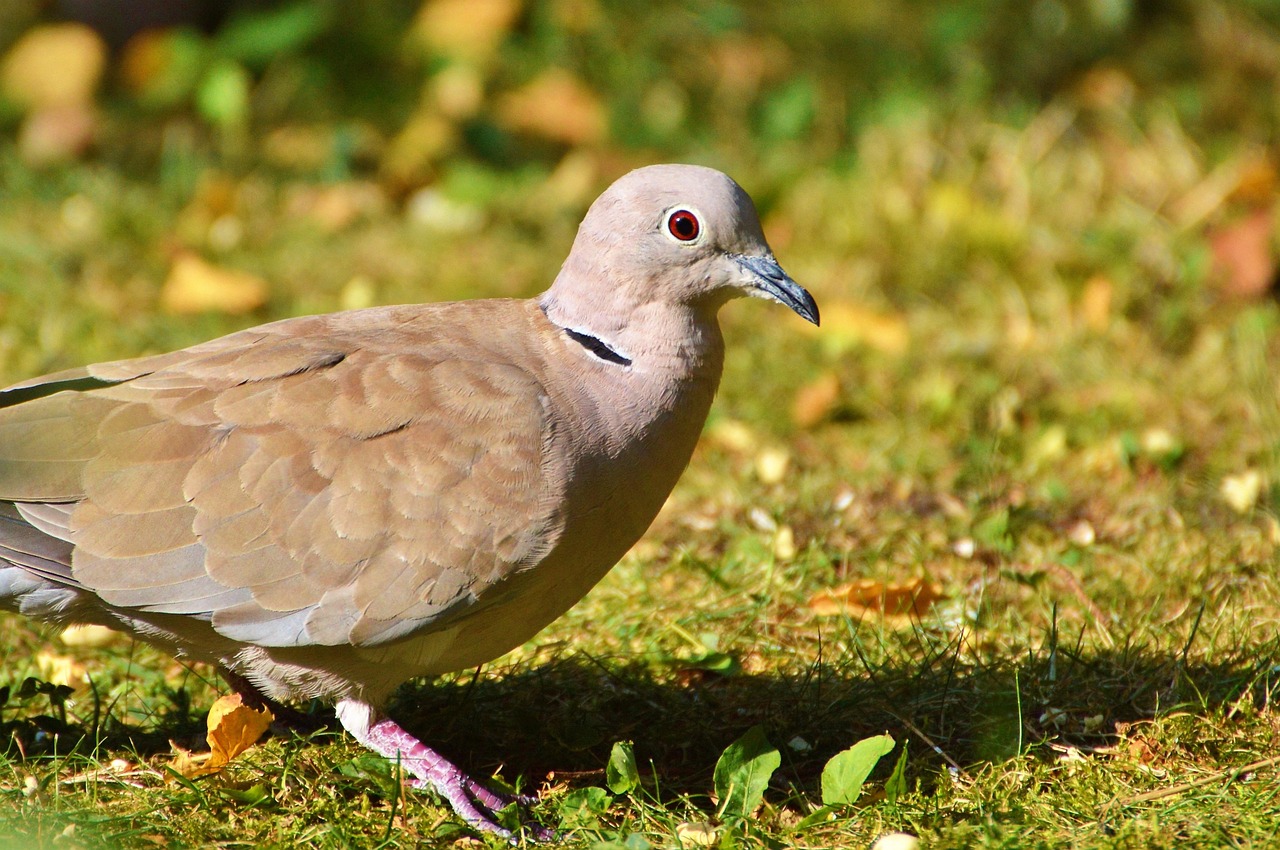
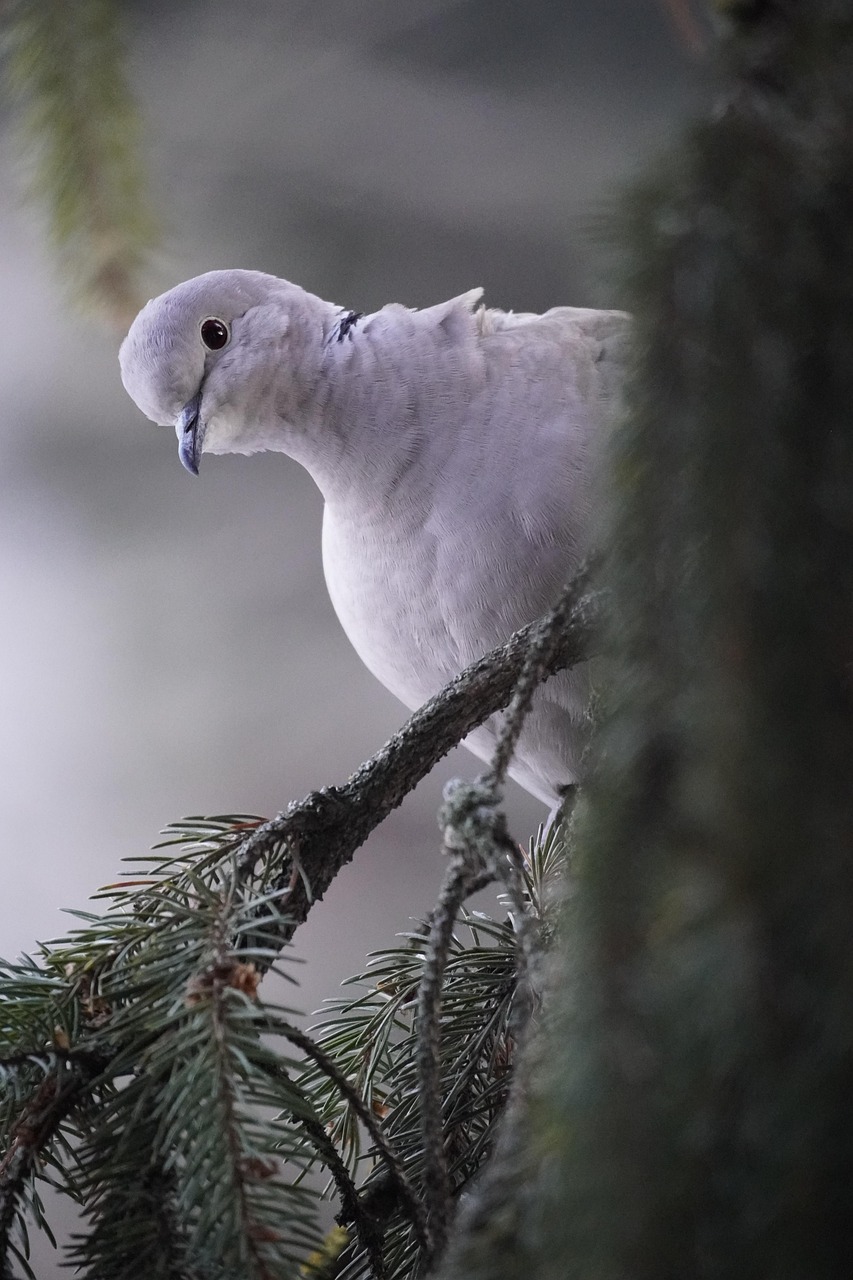
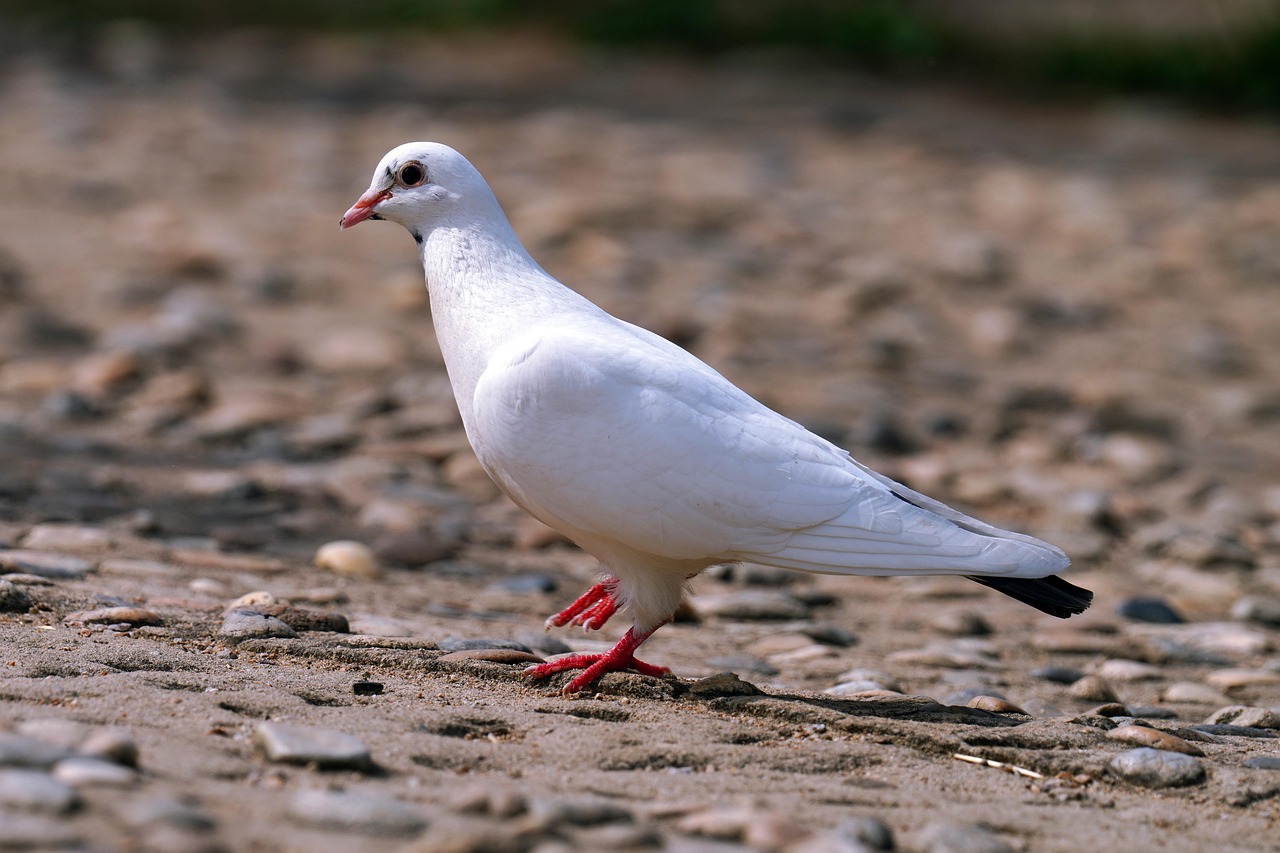
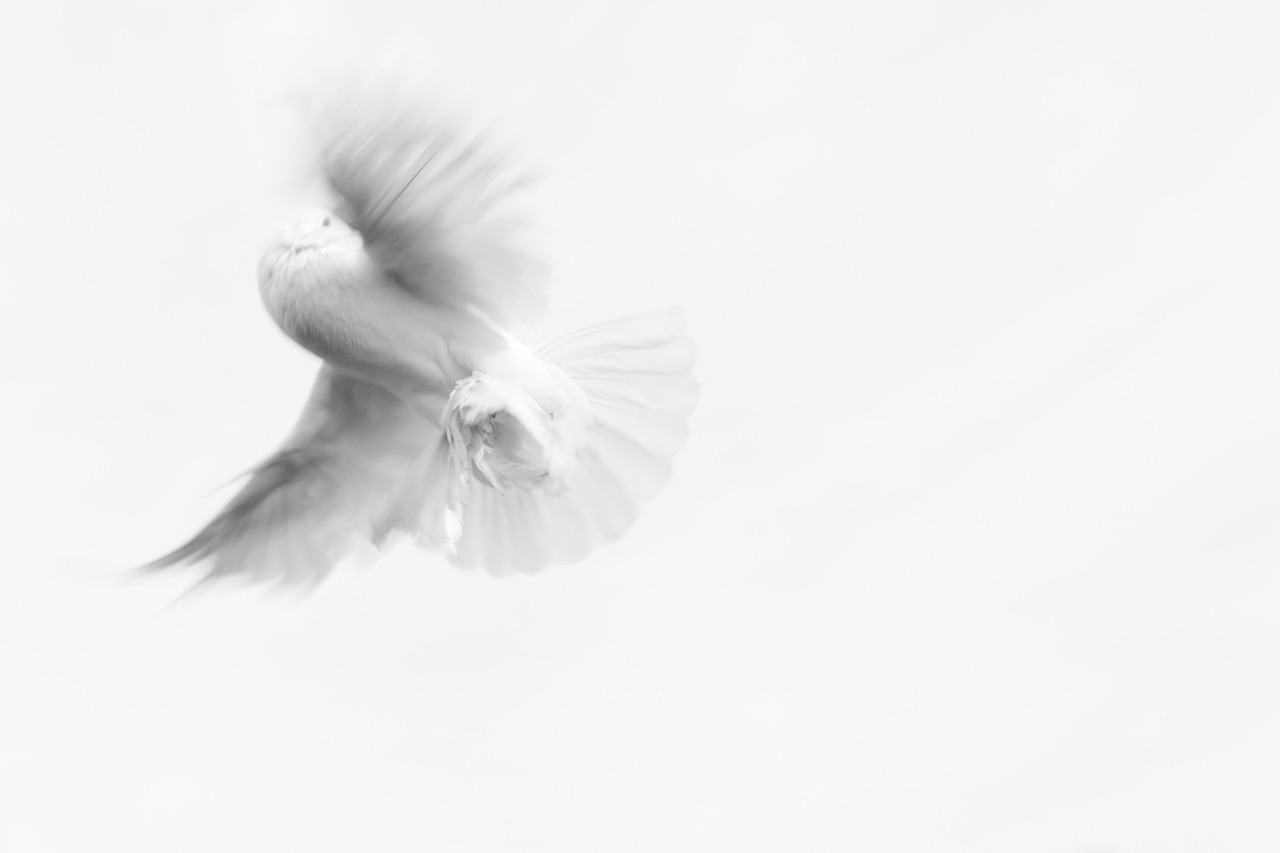
Shami pigeons come in a range of common colors, including white, black, red, and yellow, often with intricate patterns like bars or spots. These colors are achieved through generations of selective breeding, focusing on traits that enhance visual appeal and genetic stability. For instance, white Shami pigeons are prized for their purity and are often used in ceremonial events.
Understanding these patterns can aid in breeding for specific traits, as certain colors may be linked to health or temperament. Breeders should observe how colors develop from chicks to adults, noting any variations that could indicate mixed lineage or potential for new varieties.
Rare and Unique Hues
Beyond the common shades, rare colors like blue, silver, and pied (mixed colors) are highly sought after by collectors and breeders. These unique hues often result from recessive genes or cross-breeding experiments, making them valuable in the market. For example, a blue Shami pigeon might command a higher price due to its scarcity and aesthetic appeal.
Identifying rare colors requires a keen eye and knowledge of genetics, as they can appear unexpectedly in litters. Enthusiasts should document these occurrences to contribute to breed standards and potentially develop new lines, enriching the diversity of Shami pigeons.
Specifications and Physical Characteristics
Shami pigeons are defined by their specific physical traits, which include size, shape, and distinctive features that set them apart from other breeds. This section provides a detailed look at these specifications, essential for proper identification and care.
Size and Body Structure
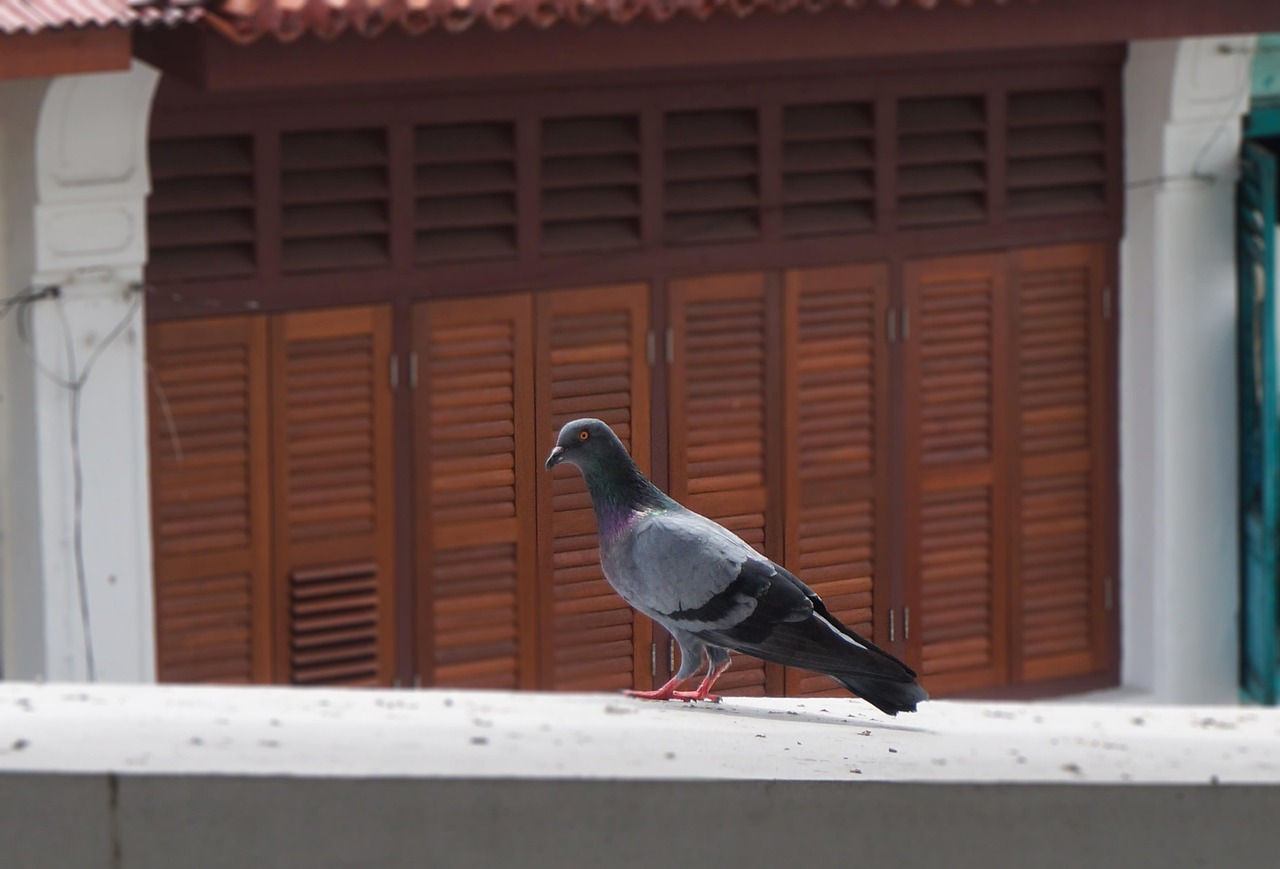
Typically, Shami pigeons are medium-sized birds, weighing between 400 to 600 grams, with a robust body and a graceful posture. Their wings are strong and well-proportioned, allowing for agile flight, while their legs are short and sturdy, suited for perching and ground movement. These physical attributes make them ideal for both flying and exhibition purposes.
Breeders should monitor growth patterns to ensure birds meet these standards, as deviations could affect health or performance. Regular measurements and comparisons with breed guidelines can help maintain the integrity of the Shami pigeon lineage.
Distinctive Features
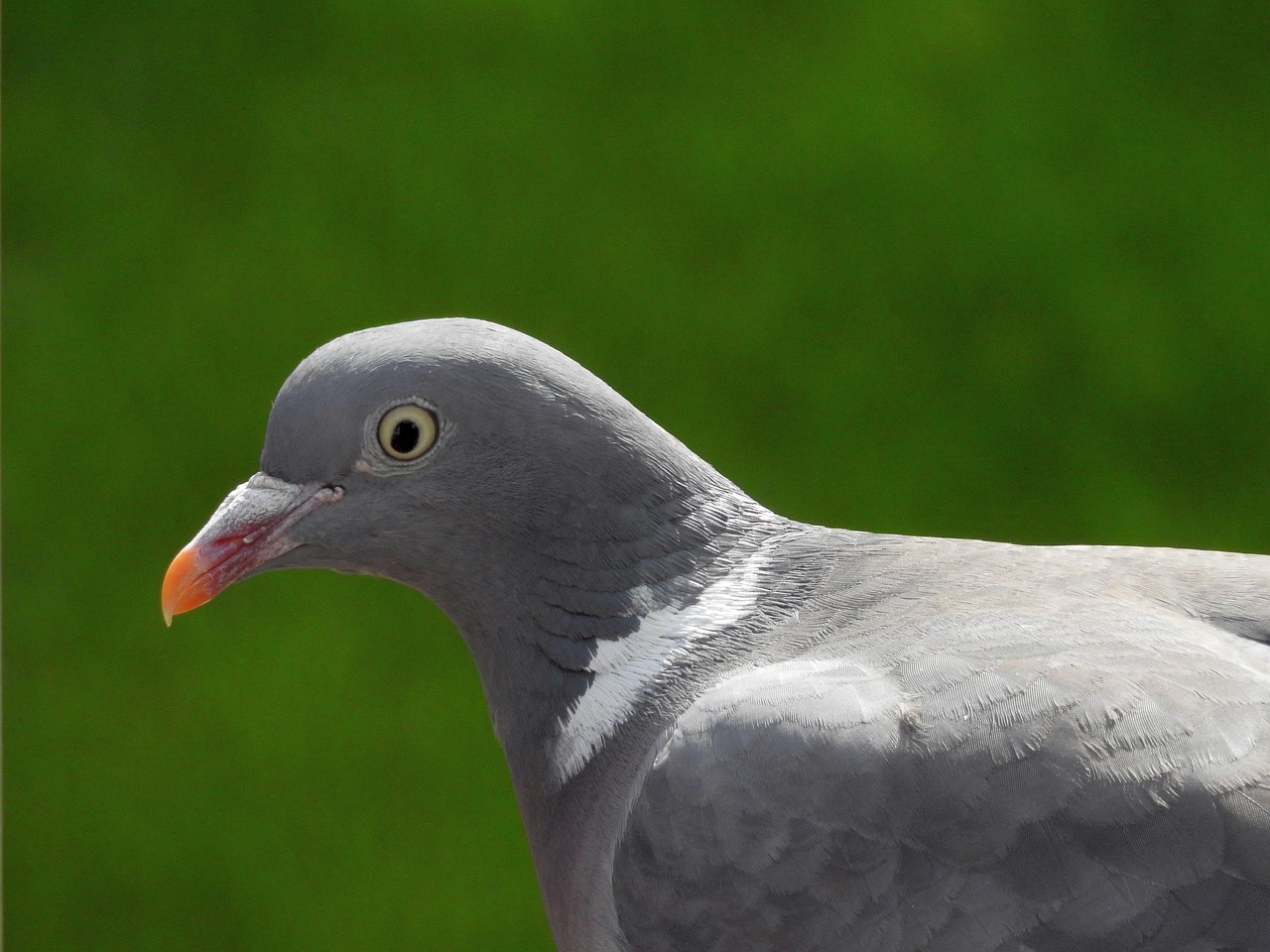
Key features of Shami pigeons include their prominent chest, curved beak, and expressive eyes, which vary in color based on the bird's overall hue. Some varieties may have feathered feet or unique head shapes, adding to their individuality. These traits are not just cosmetic; they often correlate with the bird's health and breeding potential.
When evaluating Shami pigeons, pay attention to these details to avoid common issues like deformities or poor feather quality. A well-maintained bird with clear specifications is more likely to thrive and reproduce successfully, benefiting any breeding program.
Behavior and Temperament
The behavior of Shami pigeons is as important as their appearance, influencing how they interact with owners and other birds. This section covers their typical temperament, social habits, and tips for handling them effectively.
Social Interactions
Shami pigeons are generally social and peaceful, often forming strong bonds with their flock and human caregivers. They exhibit behaviors like cooing, preening, and playful flights, which can indicate their well-being. In group settings, they tend to be cooperative, making them suitable for community aviaries or family pets.
To foster positive social interactions, provide ample space and enrichment activities, such as perches and toys. Observing their dynamics can help prevent aggression or stress, ensuring a harmonious environment for all birds involved.
Handling and Training Tips
Handling Shami pigeons requires patience and gentle techniques, as they can be sensitive to sudden movements. Start with short, positive interactions to build trust, using treats as rewards for calm behavior. Training for basic commands or flying exercises can strengthen your bond and keep the birds mentally stimulated.
Common challenges include shyness or fear, which can be overcome with consistent, reassuring approaches. Remember, a well-handled pigeon is more likely to be healthy and responsive, enhancing your overall experience as an owner.
Care and Maintenance
Proper care is crucial for the health and longevity of Shami pigeons, covering aspects like housing, diet, and health management. This section offers practical advice to keep your birds in optimal condition.
Housing Requirements
Shami pigeons need a clean, spacious loft that protects them from predators and harsh weather. Ideal housing includes perches, nesting boxes, and good ventilation to prevent respiratory issues. The loft should be easy to clean, with regular disinfection to minimize disease risks.
When designing a loft, consider the number of birds and their social needs, ensuring enough room for flight and rest. Proper housing not only supports physical health but also reduces stress, leading to happier, more productive pigeons.
Diet and Nutrition
A balanced diet for Shami pigeons consists of grains, seeds, and occasional supplements like grit or vitamins. Common feed includes wheat, corn, and barley, provided in measured amounts to avoid obesity. Fresh water should always be available, and treats like greens can add variety.
Monitor their eating habits to detect any health issues early, such as malnutrition or digestive problems. Adjust the diet based on age, activity level, and breeding status to meet their nutritional needs effectively.
Health and Common Ailments
Shami pigeons are generally hardy but can suffer from common ailments like respiratory infections, parasites, or feather disorders. Regular health checks, including vet visits, can catch problems before they escalate. Symptoms to watch for include lethargy, loss of appetite, or abnormal droppings.
Preventive measures, such as vaccinations and clean living conditions, are key to maintaining health. If issues arise, isolate affected birds and seek professional advice to ensure a quick recovery.
Breeding Shami Pigeons
Breeding Shami pigeons can be a rewarding endeavor, but it requires knowledge of genetics, pairing strategies, and chick care. This section guides you through the process, from selection to raising healthy offspring.
Selecting Breeding Pairs
Choose breeding pairs based on health, color consistency, and temperament to produce strong, desirable chicks. Avoid inbreeding by selecting birds from different lineages, and document their traits to track genetic outcomes. Ideal pairs often complement each other in size and color, enhancing the breed's standards.
During the selection process, consider factors like age and previous breeding success to maximize results. A well-planned pairing can lead to vibrant litters that uphold the qualities of Shami pigeons.
Raising Chicks
Once eggs hatch, provide a warm, safe environment for the chicks, with easy access to food and water. Parents typically care for young, but supplemental feeding might be needed if they are weak. Monitor growth milestones, such as feather development and first flights, to ensure proper progression.
Common challenges in raising chicks include malnutrition or predation, so maintain vigilant care. With attention to detail, you can raise healthy Shami pigeons that continue the breed's legacy.
Pricing and Market Insights
Understanding أسعار الحمام الشامي (Shami pigeon prices) is essential for buyers and sellers, as costs vary based on factors like color, age, and rarity. This section explores current market trends and what influences pricing.
Factors Affecting Prices
Prices for Shami pigeons can range from $50 to over $500, depending on attributes such as color rarity, pedigree, and overall health. Rare colors or birds from champion bloodlines often command higher prices, while common varieties are more affordable. Market demand, influenced by cultural events or breeding trends, also plays a role.
When evaluating prices, consider the bird's specifications and any certifications, as these can justify costs. Sellers should be transparent about these factors to build trust and ensure fair transactions.
Where to Buy and Sell
Shami pigeons are commonly traded at specialized markets, online platforms, and pigeon clubs. When buying, inspect birds in person if possible, checking for signs of good health and accurate descriptions. For sellers, highlighting unique features and providing health records can attract better offers.
- Local pigeon fairs and exhibitions
- Online forums and social media groups
- Direct from reputable breeders
Building a network within the pigeon community can lead to better deals and valuable advice, making the process smoother for all involved.
Conclusion
In summary, Shami pigeons offer a fascinating blend of beauty, history, and practicality, making them a cherished breed for enthusiasts. From their diverse colors and precise specifications to their gentle behavior and care needs, this guide has covered essential aspects to help you succeed. Whether you're starting out or expanding your flock, remember that proper knowledge and dedication are key. For expert guidance and resources, consider reaching out to Ghawy – Pigeon Manager (غاوي – إدارة الحمام) to enhance your pigeon-keeping journey.