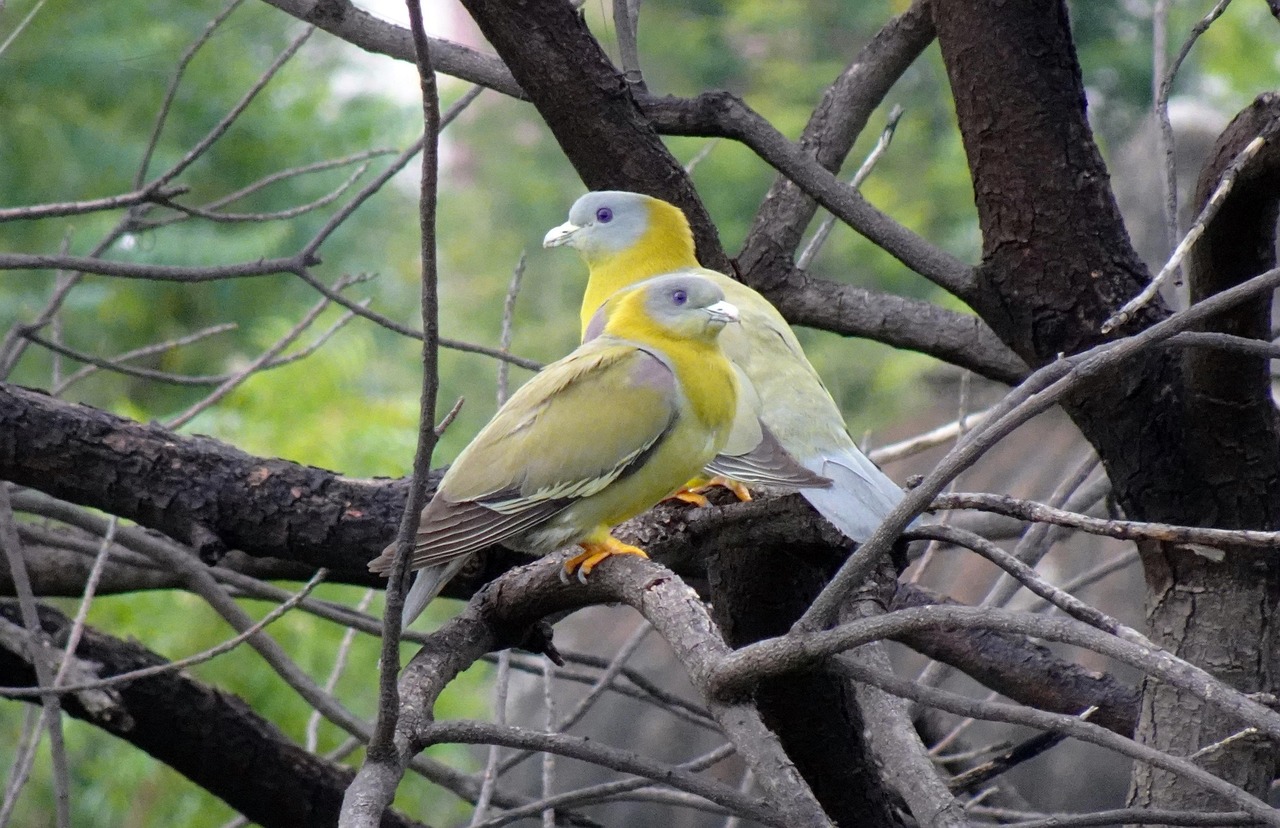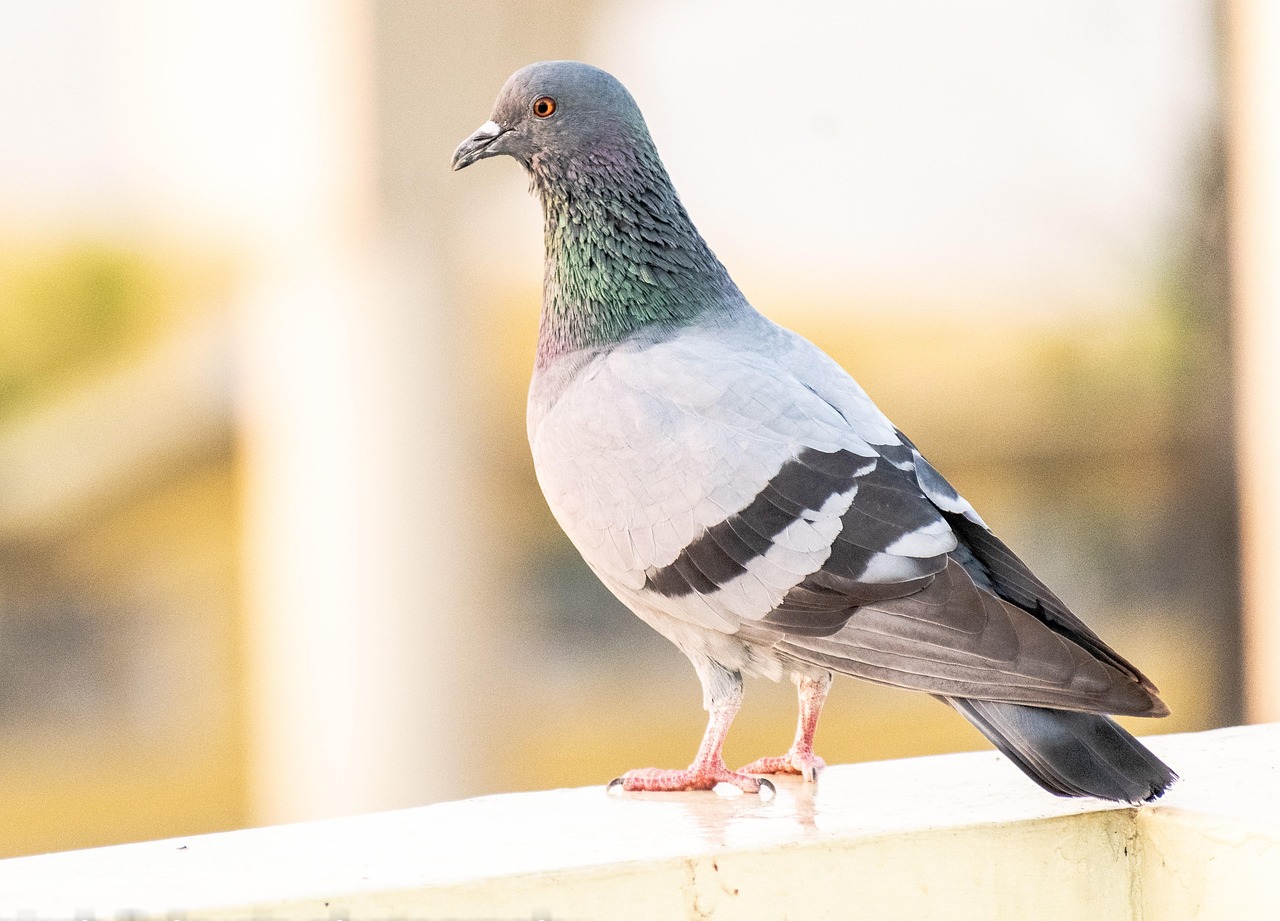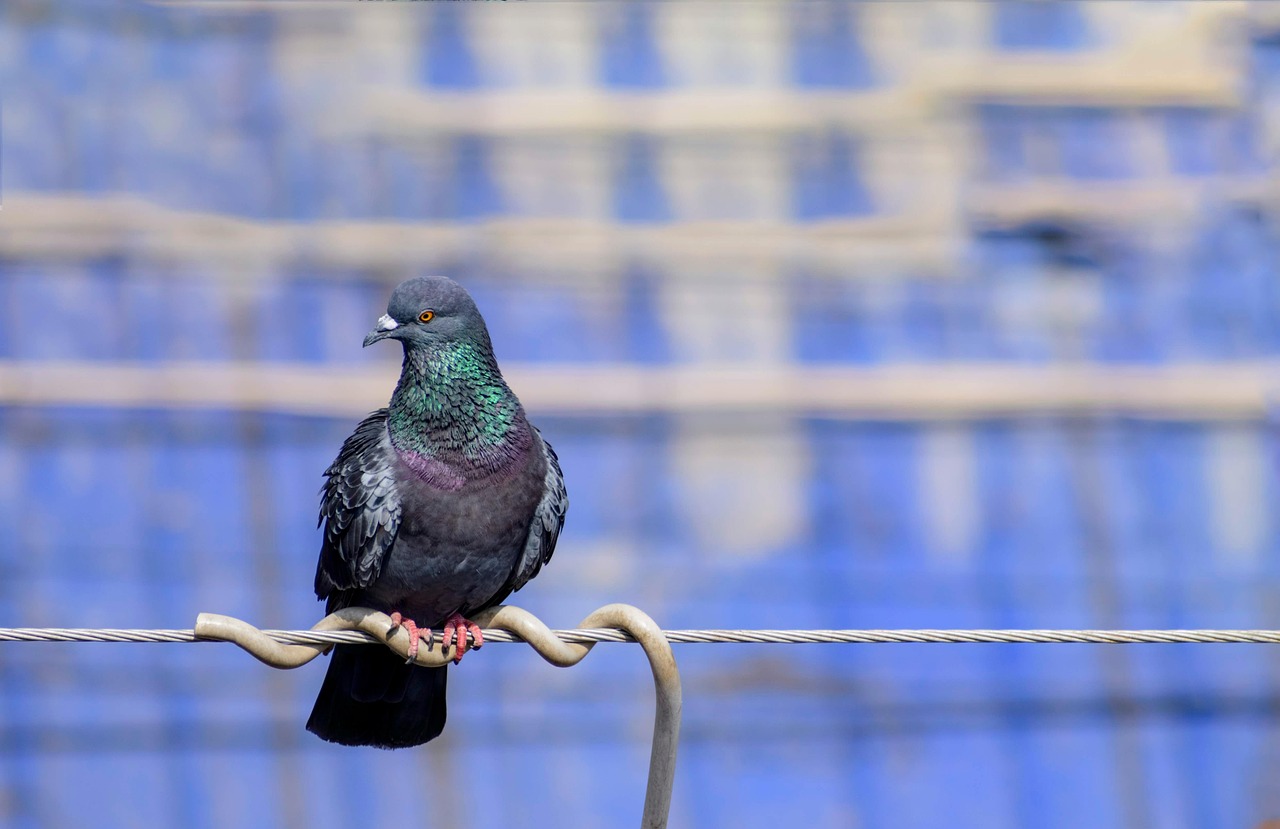
Keeping your pigeons healthy starts with a solid prevention protocol, focusing on common diseases and loft cleanliness. By integrating smart strategies for pigeon diseases prevention and loft sanitation, you can ensure your flock thrives in a safe environment. This guide dives into expert tips to protect your birds from illnesses and maintain optimal loft conditions.
Understanding Common Pigeon Diseases
Pigeons are susceptible to various ailments that can spread quickly if not managed properly. Recognizing these diseases early is key to effective pigeon diseases prevention, as it allows for timely intervention. Common issues include respiratory infections, parasitic infestations, and viral outbreaks that can decimate a flock. By staying informed, you can implement loft sanitation practices that reduce the risk of these health threats.
Respiratory Infections in Pigeons
Respiratory diseases, such as ornithosis and mycoplasmosis, are prevalent in pigeons and often stem from poor loft conditions. Symptoms include sneezing, nasal discharge, and labored breathing, which can escalate without proper care. To prevent these, focus on loft sanitation by ensuring good ventilation and dry bedding, as damp environments foster bacteria. Regular health checks and isolating sick birds are crucial steps in pigeon diseases prevention to stop the spread.
Implementing a routine cleaning schedule helps minimize airborne pathogens that cause respiratory issues. Use disinfectants safe for birds and replace nesting materials frequently to maintain hygiene. Additionally, monitoring your pigeons' behavior for signs of distress can alert you to problems early, allowing for swift action. Combining these measures with a balanced diet strengthens their immune systems, making them less vulnerable to infections.
Parasitic Threats and Control
Parasites like mites, lice, and worms are common in pigeon lofts and can lead to anemia, feather damage, and weakened immunity. Effective pigeon diseases prevention involves regular inspections for parasites and treating infestations promptly with avian-safe products. Loft sanitation plays a vital role here; clean perches, nests, and floors regularly to eliminate hiding spots for these pests.
Incorporate natural deterrents, such as diatomaceous earth, into your cleaning routine to reduce parasite populations without harsh chemicals. Also, ensure that feed and water sources are kept clean to prevent contamination. By maintaining a strict loft sanitation protocol, you not only control parasites but also enhance overall flock health, reducing the need for frequent medical interventions.
Essential Loft Sanitation Practices
A clean loft is the foundation of pigeon diseases prevention, as it directly impacts the health and productivity of your birds. Loft sanitation involves more than just sweeping; it requires a systematic approach to eliminate pathogens and create a safe habitat. Start by establishing a daily, weekly, and monthly cleaning schedule to cover all aspects of loft maintenance.
Daily Cleaning Routines
Daily loft sanitation tasks include removing droppings, refreshing water, and checking for any signs of illness or contamination. This routine helps prevent the buildup of harmful bacteria and reduces the risk of diseases spreading among pigeons. Use tools like scrapers and brushes designed for easy cleaning, and dispose of waste properly to avoid attracting pests.
Incorporate pigeon diseases prevention by observing your birds during daily checks; look for changes in appetite or behavior that might indicate health issues. Keeping the loft dry and well-ventilated also supports daily sanitation efforts, as moisture can lead to mold and respiratory problems. Consistency in these practices ensures a healthy environment that minimizes disease outbreaks.
Deep Cleaning and Disinfection
Weekly or monthly deep cleaning is essential for thorough loft sanitation, involving the removal of all bedding, scrubbing surfaces, and applying disinfectants. Choose products that are effective against common pigeon pathogens but safe for the birds, and allow the loft to dry completely before reintroducing pigeons. This process helps eliminate stubborn germs and parasites that daily cleaning might miss.
Focus on areas like nesting boxes and perches, where diseases can linger, and consider rotating cleaning agents to prevent resistance. As part of pigeon diseases prevention, deep cleaning should coincide with health assessments to catch any issues early. By making this a habit, you create a resilient loft environment that supports long-term flock vitality.
Nutrition and Health Management
Proper nutrition is a cornerstone of pigeon diseases prevention, as a well-fed bird has a stronger immune system to fight off illnesses. Combine this with loft sanitation to create a holistic health strategy. Offer a balanced diet rich in vitamins, minerals, and proteins, and ensure feed is stored in clean, dry conditions to avoid contamination.
Dietary Supplements for Immunity
Supplements like probiotics, vitamins, and electrolytes can boost pigeons' resistance to diseases, especially during stressful periods like molting or breeding. Incorporate these into their diet as part of your pigeon diseases prevention plan, but avoid over-supplementation, which can cause imbalances. Always provide fresh, clean water to aid digestion and overall health.
Monitor your pigeons' weight and condition regularly to adjust their diet as needed, and use loft sanitation to keep feeding areas free from mold and pests. By aligning nutrition with cleanliness, you reduce the likelihood of nutritional deficiencies that can lead to health problems. This proactive approach ensures your flock remains robust and less prone to common ailments.
Hydration and Feed Safety
Water quality is critical in pigeon diseases prevention, as contaminated sources can introduce pathogens into the loft. Change water daily and clean containers with disinfectants to prevent algae and bacterial growth. Similarly, store feed in sealed containers to protect it from moisture and rodents, which can carry diseases.
Implement loft sanitation by regularly inspecting feed for signs of spoilage and discarding any compromised batches. Educate yourself on safe feeding practices, such as avoiding sudden diet changes that stress the birds. Together, these measures support a healthy diet that complements your sanitation efforts, fostering a disease-resistant flock.
Behavioral Monitoring and Early Detection
Observing your pigeons' behavior is a proactive way to enhance pigeon diseases prevention, as early signs of illness often manifest in changes like lethargy or reduced appetite. Pair this with consistent loft sanitation to address issues before they escalate. Spend time daily watching your birds interact, and note any abnormalities for quick intervention.
Signs of Stress and Illness
Common indicators of health problems include ruffled feathers, weight loss, and isolation from the flock, which can signal underlying diseases. Use these observations to guide your loft sanitation practices, such as increasing cleaning frequency if you notice more droppings or signs of infection. Early detection allows for隔离 and treatment, preventing widespread outbreaks.
Keep a health log to track patterns and improvements, and consult with a vet if symptoms persist. By integrating behavioral monitoring into your routine, you make pigeon diseases prevention more effective, as you can tailor your care to individual needs. This hands-on approach, combined with a clean environment, keeps your pigeons in peak condition.
Quarantine Protocols for New Birds
Introducing new pigeons without quarantine is a common mistake that undermines loft sanitation and pigeon diseases prevention. Isolate new arrivals for at least two weeks to monitor for illnesses and prevent the introduction of pathogens to your existing flock. During this period, maintain strict hygiene in the quarantine area, similar to your main loft.
Use this time to assess the new birds' health and treat any issues before integration. This practice not only protects your flock but also reinforces the importance of loft sanitation in overall disease management. By making quarantine a standard procedure, you minimize risks and uphold a high standard of care for all your pigeons.
Environmental Factors and Loft Design
The design and location of your loft significantly impact pigeon diseases prevention and loft sanitation. A well-planned loft promotes airflow, reduces humidity, and makes cleaning easier, all of which contribute to a healthier environment. Consider factors like orientation, materials, and layout when building or modifying your loft.
Ventilation and Temperature Control
Proper ventilation is essential for loft sanitation, as it prevents the buildup of ammonia from droppings and reduces respiratory disease risks. Install vents or windows that allow fresh air to circulate without creating drafts, and monitor temperature to avoid extremes that stress pigeons. This supports pigeon diseases prevention by maintaining a stable, comfortable habitat.
Regularly check for leaks or damp spots that could compromise loft sanitation, and address them promptly. In colder climates, ensure adequate insulation to keep pigeons warm, while in hot areas, provide shade and cooling options. By optimizing the loft environment, you create a foundation that enhances both health and cleanliness.
Safe and Accessible Layout
Design your loft with easy cleaning in mind, using smooth surfaces and removable components for thorough loft sanitation. Avoid clutter that can harbor pests or make it hard to reach all areas, and position perches and nests for minimal contamination. This thoughtful design reduces the effort needed for pigeon diseases prevention and encourages consistent maintenance.
Include features like droppings boards or trays that simplify daily cleaning, and ensure the loft is elevated to prevent ground moisture. By prioritizing accessibility, you make it easier to uphold high standards of loft sanitation, which in turn supports overall flock health and disease resistance.
Conclusion
In summary, effective pigeon diseases prevention hinges on a combination of vigilant health monitoring, proper nutrition, and rigorous loft sanitation. By adopting these practices, you can safeguard your flock from common ailments and promote a thriving environment. For advanced management tools and support, consider using Ghawy – Pigeon Manager to streamline your efforts and keep your pigeons in top shape.