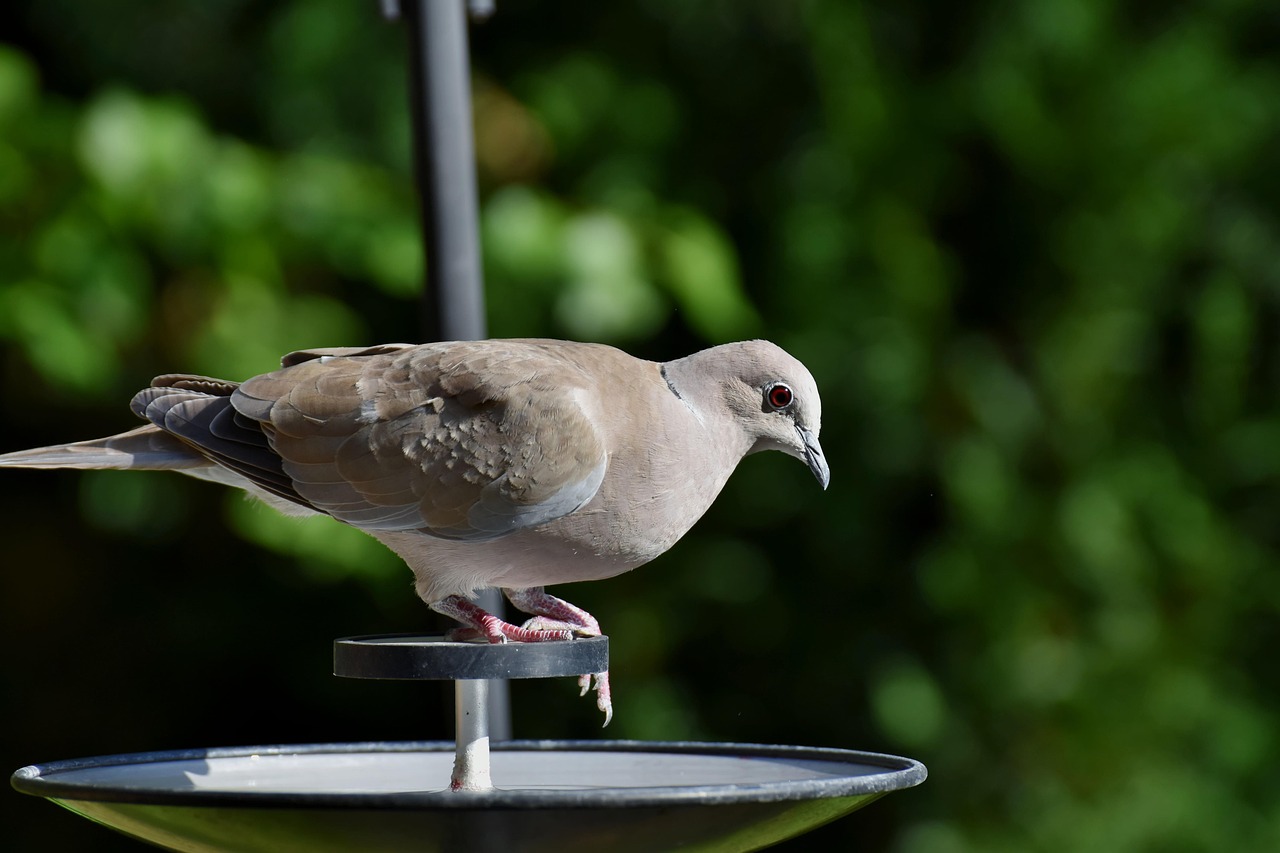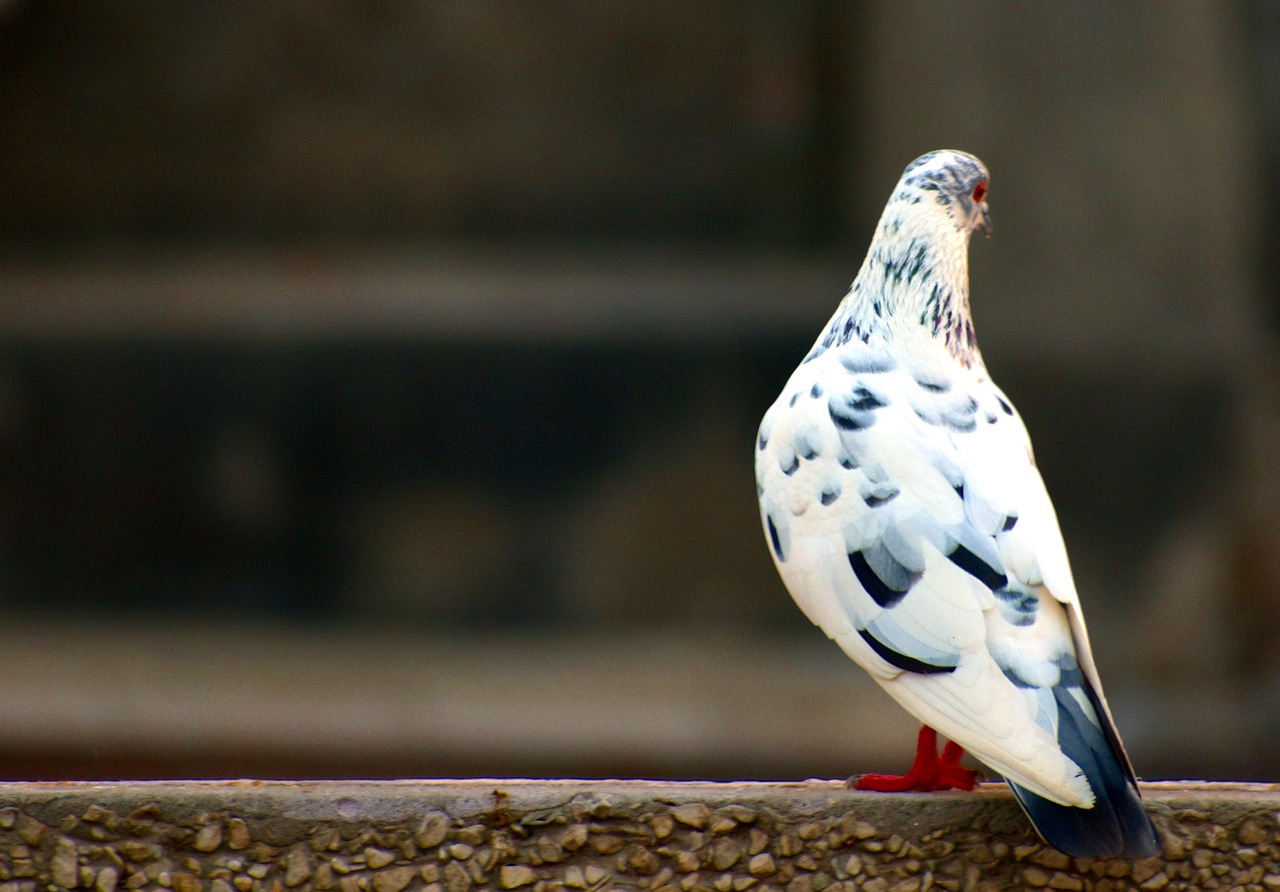
The darkness system is a revolutionary technique in pigeon racing, designed to enhance the conditioning of young birds by manipulating light exposure. This method accelerates maturity and improves racing readiness, making it a game-changer for enthusiasts. By understanding and implementing this system, breeders can achieve superior performance from their pigeons.
Understanding the Darkness System
The darkness system involves controlling the amount of light young pigeons receive to simulate seasonal changes and promote optimal development. This technique is rooted in the natural biological rhythms of birds, helping them reach peak condition faster. It's widely used by top breeders to gain a competitive edge in races.
How the Darkness System Works
In practice, the darkness system requires reducing light exposure to around 8-10 hours per day, typically starting when the birds are a few weeks old. This mimics shorter days, triggering hormonal changes that delay molting and encourage muscle and feather development. By extending this period, pigeons build stronger bodies and better endurance, essential for racing. Many experts recommend using timers to automate light control for consistency and ease.
Implementing this system isn't just about darkness; it's about timing and gradual adjustments. Sudden changes can stress the birds, so it's crucial to transition slowly over weeks. This approach ensures that young birds adapt without health issues, leading to improved conditioning and readiness for competitions. Regular monitoring helps fine-tune the process for individual flocks.
Benefits for Young Birds
The primary advantage of the darkness system is enhanced conditioning, resulting in pigeons that are physically and mentally prepared for racing. Birds subjected to this method often show better feather quality, increased stamina, and reduced aggression. This leads to higher success rates in races, as they can handle long distances and tough conditions more effectively.
Additionally, this system helps in managing the molting process, which can be a vulnerable time for young birds. By delaying molting, pigeons maintain their energy for growth and training, rather than wasting it on feather renewal. This holistic improvement in health and performance makes the darkness system a cornerstone of modern pigeon racing strategies.
Implementing the Darkness System
To successfully implement the darkness system, breeders need a structured approach that includes proper housing, lighting controls, and monitoring. This section covers the practical steps to set up and manage the system for optimal results. With careful planning, even novice breeders can achieve significant improvements in their young birds' conditioning.
Setting Up the Environment
Start by preparing a dedicated loft with blackout capabilities, such as curtains or sealed windows, to control light exposure precisely. Use reliable timers to automate the light cycles, ensuring consistency without manual intervention. The loft should also have good ventilation and hygiene to support overall health, as stressed birds may not respond well to light changes.
It's important to measure light intensity and duration accurately; too much or too little can negate the benefits. Aim for a gradual reduction in light hours, and maintain a stable temperature to avoid additional stress. Regular checks on the birds' behavior and health will help adjust the setup as needed for maximum effectiveness.
Daily Management Tips
Daily routines should include feeding high-quality diets rich in proteins and vitamins to support the accelerated growth induced by the darkness system. Provide ample fresh water and supplements if necessary, as nutritional needs increase during this conditioning phase. Exercise should be incorporated gradually, starting with short flights and building up to longer sessions.
Monitor the birds for signs of stress or illness, such as lethargy or feather plucking, and adjust light schedules accordingly. Keeping a log of light hours, feeding times, and bird responses can help identify patterns and optimize the process. Consistency is key to reaping the full benefits of young birds conditioning through this method.
Advanced Techniques and Variations
Beyond the basic darkness system, advanced breeders use variations to tailor the approach to specific breeds or racing conditions. This section explores innovative methods and how to adapt the system for different scenarios, ensuring it remains effective across various pigeon types.
Combining with Other Training Methods
Integrating the darkness system with other training techniques, such as loft flying and road training, can amplify results. For instance, starting light control early and gradually introducing flight exercises helps young birds build coordination and strength simultaneously. This combination leads to a more holistic conditioning process, preparing pigeons for the demands of racing.
Some breeders also pair it with dietary adjustments, like increasing fat intake during high-training periods, to support energy levels. Experimenting with timing—such as aligning light cycles with natural sunrise and sunset—can enhance biological synchronization. Always test small changes and observe outcomes to avoid overcomplicating the regimen.
Addressing Common Challenges
Common issues with the darkness system include birds becoming disoriented or developing health problems from inadequate light. To mitigate this, ensure that the dark periods are not too long initially and provide dim lighting if needed for safety. Regular health checks can catch issues early, such as vitamin D deficiencies from lack of sunlight.
Another challenge is maintaining consistency across different seasons or weather conditions. Using insulated lofts and backup power for timers can prevent disruptions. Sharing experiences with other breeders through communities or clubs can provide insights and solutions, making the system more adaptable and reliable for young birds conditioning.
Measuring Success and Adjustments
Evaluating the effectiveness of the darkness system involves tracking key metrics and making data-driven adjustments. This section discusses how to measure progress and fine-tune the approach for continuous improvement in pigeon racing performance.
Key Performance Indicators
Monitor indicators like weight gain, feather quality, and flight endurance to assess conditioning. Regular weigh-ins and visual inspections can reveal improvements or areas needing attention. In races, track metrics such as speed, return rates, and overall health post-competition to gauge long-term success.
Using tools like journals or apps to record data helps in spotting trends and making informed decisions. For example, if birds show slow development, consider adjusting light hours or diet. Consistent evaluation ensures that the darkness system is delivering the desired outcomes for young birds.
When to Modify the Approach
Adjust the system based on seasonal changes, bird age, or individual responses. If pigeons appear stressed or underperforming, reduce light manipulation temporarily and reintroduce it gradually. In cases of rapid molting or health issues, consult with experienced breeders or veterinarians for tailored advice.
It's also wise to phase out the darkness system as birds mature, transitioning to natural light cycles to maintain balance. This prevents over-reliance and supports sustainable conditioning. Regular reviews and flexibility are essential for optimizing the darkness system over time.
Conclusion
In summary, the darkness system is a powerful tool for enhancing young birds conditioning, leading to better racing readiness and performance. By controlling light exposure, breeders can accelerate development and improve overall health. Embrace this technique with careful planning and monitoring for best results. For expert guidance and tools, consider using Ghawy – Pigeon Manager to streamline your pigeon racing efforts.