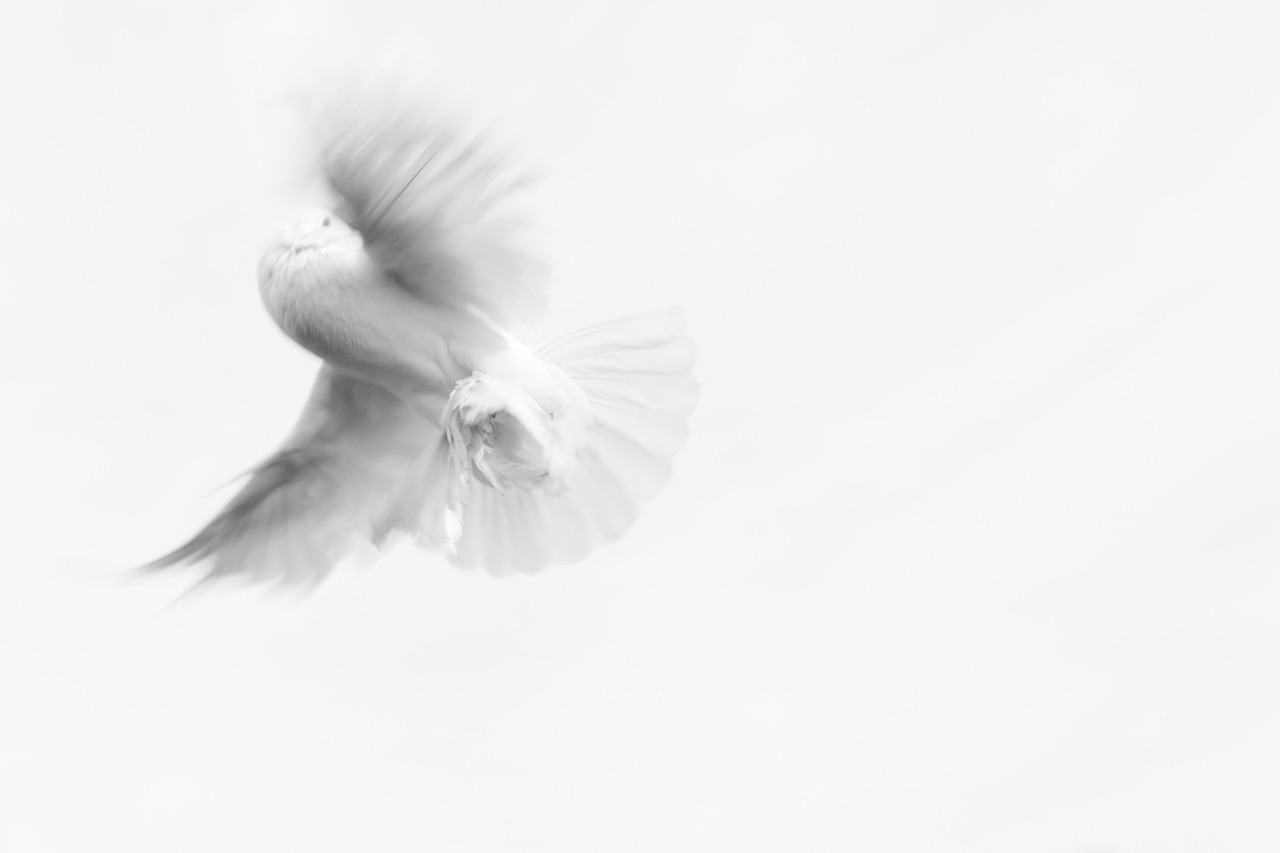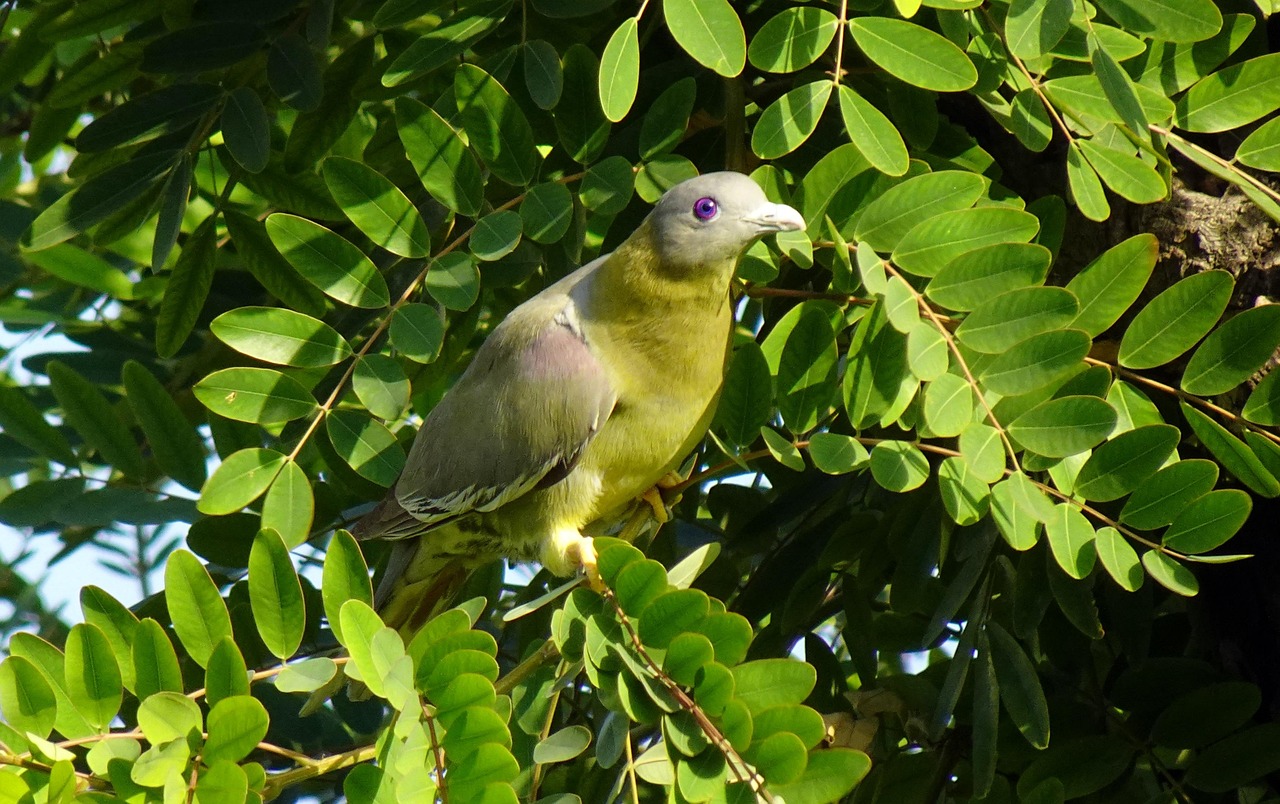
Shami pigeons, known for their elegance and rich history, are a prized breed among enthusiasts in the Arab world. This comprehensive guide delves into their vibrant colors, detailed specifications, and current market prices, offering valuable insights for both beginners and seasoned breeders. Understanding these aspects can enhance your appreciation and care for these magnificent birds.
Introduction to Shami Pigeons
Shami pigeons, or حمام شامي, have a storied heritage rooted in the Middle East, particularly Syria, where they are celebrated for their beauty and resilience. These birds are not just pets but symbols of cultural pride, often featured in competitions and breeding programs. Their popularity stems from their adaptability and the joy they bring to pigeon fanciers worldwide.
Historical Background
The origins of Shami pigeons trace back centuries, with historical records indicating their development in the Levant region. They were bred for their distinctive features and flying abilities, becoming integral to local traditions and pigeon racing. Over time, selective breeding has refined their characteristics, making them a standout breed in the pigeon community. This history enriches their appeal, connecting modern enthusiasts to a deep cultural legacy.
In recent decades, Shami pigeons have gained international recognition, thanks to their unique traits and the dedication of breeders. Events and shows often highlight their elegance, drawing attention from hobbyists and experts alike. Understanding this background helps appreciate why they remain a top choice for those passionate about pigeon breeds.
Cultural Significance
In Arab cultures, Shami pigeons hold a special place, often associated with hospitality and prestige. They are commonly kept in urban and rural settings, serving as a hobby that fosters community bonds. Their presence in folklore and art underscores their importance, making them more than just birds but cultural icons.
Breeding Shami pigeons is seen as an art form, with enthusiasts sharing knowledge and experiences across generations. This cultural depth adds to their value, encouraging new breeders to explore their heritage. By engaging with this aspect, you can connect with a vibrant tradition that celebrates these pigeons.
Colors and Varieties of Shami Pigeons
Shami pigeons boast a stunning array of colors, each with its own charm and rarity. From classic shades to unique patterns, their plumage is a key factor in their appeal and pricing. Breeders often focus on color genetics to produce desired varieties, making this an exciting area for exploration.
Common Color Types
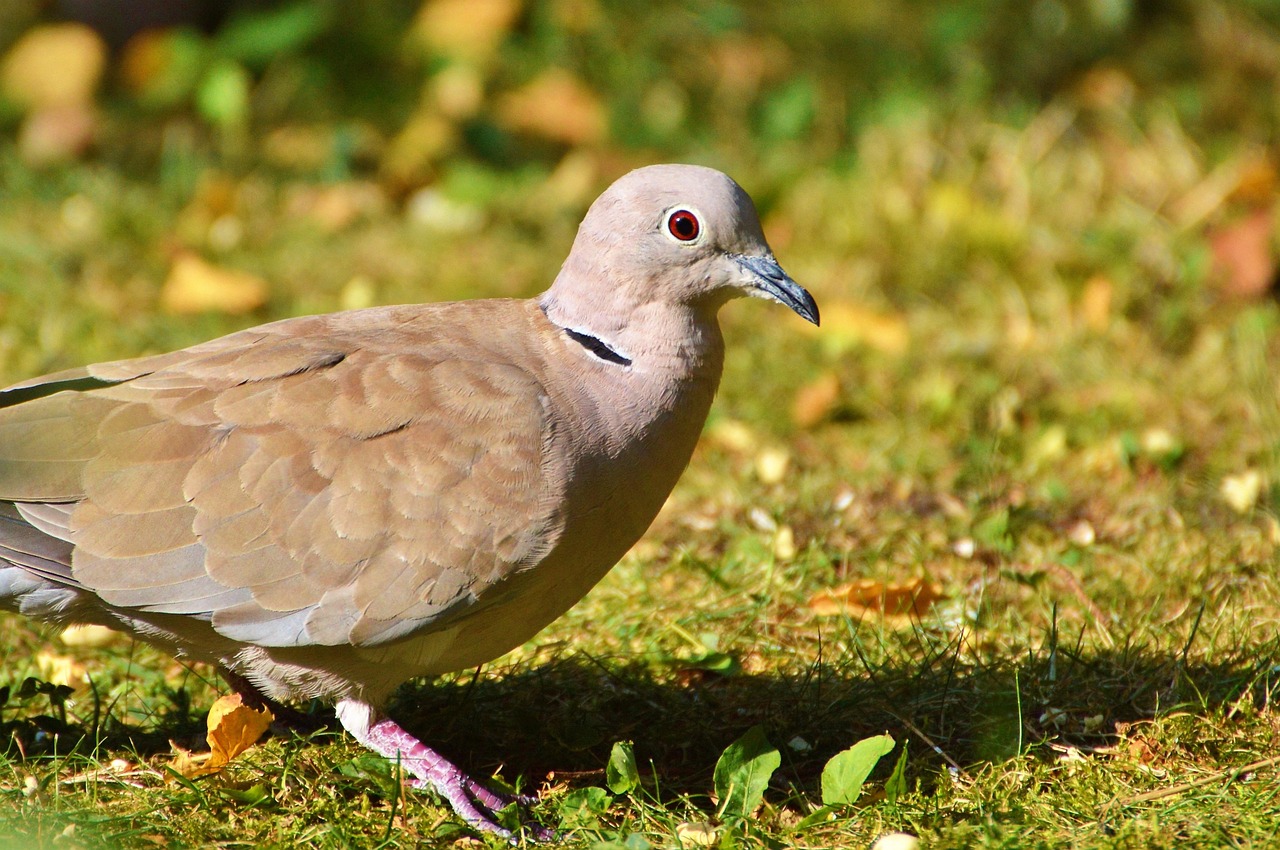
Among the most popular colors are ash, red, and yellow, which are widely available and admired for their vibrant hues. Ash-colored Shami pigeons, for instance, feature a soft gray tone that exudes elegance, while red varieties are prized for their bold, striking appearance. These common types are often the starting point for new breeders due to their accessibility and beauty.
Yellow Shami pigeons add a sunny, cheerful element to any flock, with their bright feathers catching the eye in sunlight. Each color has subtle variations, influenced by genetics and breeding practices. By focusing on these common types, enthusiasts can build a diverse collection without overwhelming complexity.
Rare and Exotic Colors
Rare colors like blue, silver, and pied patterns are highly sought after, often commanding higher prices in the market. Blue Shami pigeons, for example, are known for their deep, iridescent shades that change with light, making them a favorite among collectors. Silver varieties offer a metallic sheen that stands out in shows and competitions.
Pied Shami pigeons feature mixed color patterns, creating unique, one-of-a-kind appearances that are rare to find. Breeding for these exotic colors requires expertise and patience, as genetics play a crucial role. Investing in rare varieties can be rewarding, both aesthetically and financially, for dedicated breeders.
Specifications and Physical Characteristics
Shami pigeons are defined by their robust build and distinctive features, which include a medium-sized body, strong wings, and an upright posture. These specifications make them ideal for flying and breeding, with standards that enthusiasts strive to maintain. Understanding these traits helps in selecting healthy birds and ensuring proper care.
Body Structure and Size
A typical Shami pigeon weighs between 400 to 500 grams, with a body length of around 30 centimeters, giving them a balanced and agile frame. Their chest is broad and muscular, supporting powerful flight capabilities, while their legs are sturdy and well-proportioned for perching and movement. This structure contributes to their endurance and elegance in flight.
The head of a Shami pigeon is often described as refined, with a prominent beak and alert eyes that reflect their intelligence. Breeders look for symmetry and proportion in these features, as they indicate good health and breeding potential. By paying attention to body structure, you can identify high-quality birds that meet breed standards.
Feather and Wing Details
Feathers in Shami pigeons are dense and smooth, providing insulation and aiding in flight efficiency. Their wings are long and strong, enabling sustained flying, which is essential for racing and show purposes. The tail is usually well-feathered and balanced, adding to their aerodynamic profile.
Maintaining feather health involves regular grooming and a balanced diet, as damaged feathers can affect flight and appearance. Wing specifications include a span that allows for agile maneuvers, making them popular in pigeon sports. These details are crucial for breeders aiming to enhance their flock's performance and beauty.
Behavior and Temperament
Shami pigeons are known for their calm and friendly demeanor, making them easy to handle and train. Their behavior is influenced by their environment and upbringing, with proper socialization leading to well-adjusted birds. This temperament makes them suitable for families and novice breeders.
Social Interactions
In flocks, Shami pigeons exhibit strong social bonds, often seen preening each other and communicating through soft coos. They are not aggressive, which reduces conflicts in shared spaces, and they can coexist with other pigeon breeds. This sociability enhances their appeal as pets, fostering a peaceful aviary atmosphere.
Training Shami pigeons for flying or shows is straightforward due to their intelligence and willingness to learn. Positive reinforcement techniques work well, encouraging desired behaviors without stress. By understanding their social needs, breeders can create a harmonious environment that promotes well-being.
Breeding and Nesting Habits
Shami pigeons are prolific breeders, with pairs often forming strong bonds and raising multiple clutches per year. Their nesting habits involve building simple nests in sheltered areas, where they diligently care for their eggs and chicks. This reproductive efficiency makes them a reliable choice for expanding flocks.
During breeding season, providing adequate space and nutrition is key to successful outcomes. Shami pigeons show parental dedication, with both parents sharing feeding and protection duties. These habits highlight their resilience and make breeding a rewarding experience for enthusiasts.
Care and Maintenance
Proper care is essential for keeping Shami pigeons healthy and thriving, covering aspects like housing, diet, and health monitoring. A well-maintained environment prevents diseases and supports their natural behaviors, ensuring longevity and happiness.
Housing Requirements
Shami pigeons need spacious lofts that protect them from predators and harsh weather, with good ventilation and cleanliness to avoid respiratory issues. The loft should include perches, nesting boxes, and flying areas to accommodate their active lifestyle. Regular cleaning and disinfection reduce the risk of infections, promoting a safe habitat.
Ideally, lofts should be positioned in a quiet area to minimize stress, as Shami pigeons are sensitive to loud noises. Adding enrichment items like toys or mirrors can stimulate their minds, preventing boredom. By investing in proper housing, breeders can ensure their pigeons remain healthy and content.
Diet and Nutrition
A balanced diet for Shami pigeons includes grains, seeds, and supplements to meet their nutritional needs. Common feed options are:
- Corn and wheat for energy
- Legumes like peas for protein
- Grit and minerals for digestion
Fresh water should always be available, as dehydration can lead to health problems. Seasonal adjustments to the diet may be necessary, such as increasing protein during breeding periods. Monitoring food intake helps prevent obesity and deficiencies, key to maintaining optimal health.
Pricing and Market Insights
The prices of Shami pigeons, or أسعار الحمام الشامي, vary based on factors like color, age, and breeding quality, with common types starting at affordable rates and rare varieties reaching premium levels. Understanding market trends helps buyers make informed decisions and avoid overpaying.
Factors Influencing Prices
Key factors affecting أسعار الحمام الشامي include color rarity, with exotic shades like blue or silver costing more due to limited availability. Age and health also play a role, as younger, disease-free birds are priced higher for their breeding potential. Additionally, lineage and show records can increase value, making pedigreed Shami pigeons a smart investment.
Market demand fluctuates with seasons and events, such as pigeon shows, where prices may spike for top-quality specimens. Breeders should research current trends to set fair prices or negotiate deals. By considering these factors, you can navigate the market effectively and acquire birds that meet your budget and goals.
Average Price Ranges
On average, common Shami pigeons cost between $20 to $50, while rare colors can range from $100 to $300 or more, depending on quality and region. Juvenile birds are often cheaper, around $15 to $30, ideal for beginners looking to start small. These price ranges reflect the breed's accessibility and premium options.
It's important to buy from reputable sources to ensure health and authenticity, as scams can occur in online markets. Comparing prices across breeders and auctions can help find the best deals. Investing in Shami pigeons at the right price ensures satisfaction and long-term enjoyment.
Conclusion
In summary, Shami pigeons offer a captivating blend of beauty, history, and practicality, with diverse colors, solid specifications, and varying prices that cater to all levels of interest. By focusing on proper care and informed purchasing, enthusiasts can build thriving flocks that bring joy and cultural connection. For expert guidance and resources on managing your pigeons, consider reaching out to Ghawy – Pigeon Manager (غاوي – إدارة الحمام), where support is always available to help you succeed in your pigeon-keeping journey.