Fancy pigeon breeding is an art that combines science and passion to produce birds of exceptional purity and beauty. By focusing on the best pairing methods, breeders can enhance traits like color, form, and health, ensuring a legacy of stunning pigeons. This guide delves into expert techniques to help you achieve high-quality offspring with ease and precision.
Understanding Fancy Pigeon Breeding Basics
Fancy pigeon breeding starts with a solid foundation in genetics and breed standards. It involves selecting parent birds based on desirable characteristics to pass on to the next generation. This section covers the core principles that every breeder should master for successful outcomes.
Key Genetic Principles for Breeding
Genetics play a crucial role in fancy pigeon breeding, as traits like feather color, size, and behavior are inherited from parents. Understanding dominant and recessive genes helps breeders predict offspring characteristics and avoid undesirable mutations. For instance, pairing birds with complementary genes can enhance purity and reduce the risk of genetic disorders. By studying inheritance patterns, you can make informed decisions that lead to healthier, more beautiful pigeons over time.
In practice, breeders often use tools like pedigree charts to track genetic lines and identify the best matches. This approach minimizes inbreeding and promotes diversity, which is essential for long-term breed vitality. Focusing on genetic health not only improves appearance but also boosts immunity and longevity in your flock. With consistent application of these principles, you can develop a breeding program that yields reliable, high-quality results season after season.
Selecting the Right Breed for Your Goals
Choosing the appropriate pigeon breed is the first step toward achieving your breeding objectives. Different breeds, such as Fantails or Homers, offer unique traits that may align with your focus on beauty or purity. Consider factors like climate adaptability, temperament, and market demand when making your selection. This ensures that your efforts are rewarded with birds that meet both personal and commercial standards.
Once you've identified a breed, evaluate individual birds for strengths like vibrant plumage or robust health. Look for specimens that exemplify the breed standard and have a history of producing quality offspring. By starting with superior stock, you set a strong foundation for successful pairings. This strategic selection process is a cornerstone of the best pairing methods, leading to offspring that are both pure and aesthetically pleasing.
Best Pairing Methods for Optimal Results
Implementing the best pairing methods is essential for maximizing genetic potential and achieving high-purity offspring. This section explores various techniques that breeders use to pair pigeons effectively, from traditional approaches to modern innovations. By mastering these methods, you can enhance breeding efficiency and outcomes.
Line Breeding and Its Advantages
Line breeding involves mating closely related pigeons to fix desirable traits while maintaining genetic diversity. This method is highly effective for fancy pigeon breeding, as it allows breeders to concentrate specific characteristics like color patterns or body shape. By carefully selecting relatives with complementary strengths, you can produce offspring that consistently exhibit high purity and beauty. However, it requires meticulous record-keeping to avoid inbreeding depression.
To practice line breeding successfully, start by identifying a superior sire or dam and breed them with their offspring or siblings. This reinforces positive traits over generations, leading to a stable and improved lineage. Many experts recommend rotating bloodlines periodically to introduce fresh genetics and prevent stagnation. When done correctly, line breeding is one of the best pairing methods for creating uniform, high-quality pigeons that stand out in shows or sales.
Outcrossing for Genetic Diversity
Outcrossing introduces unrelated pigeons into your breeding program to enhance genetic diversity and vigor. This method is ideal for combating issues like low fertility or weak immunity that can arise from closed breeding systems. By pairing birds from different lines, you can infuse new traits and strengthen overall flock health. In fancy pigeon breeding, outcrossing is often used to add novel colors or improve structural features without sacrificing purity.
When implementing outcrossing, choose partners that complement your existing stock in terms of health and conformation. This approach reduces the risk of genetic defects and promotes hybrid vigor, resulting in more resilient and attractive offspring. It's important to monitor the outcomes and integrate the best traits into future pairings. As part of the best pairing methods, outcrossing ensures long-term sustainability and innovation in your breeding endeavors.
Enhancing Purity and Beauty in Offspring
Achieving high purity and beauty in pigeon offspring requires a focus on selective breeding and environmental factors. This section discusses how to refine traits through careful management and observation, ensuring that each generation surpasses the last in quality and appeal.
Focusing on Color and Markings
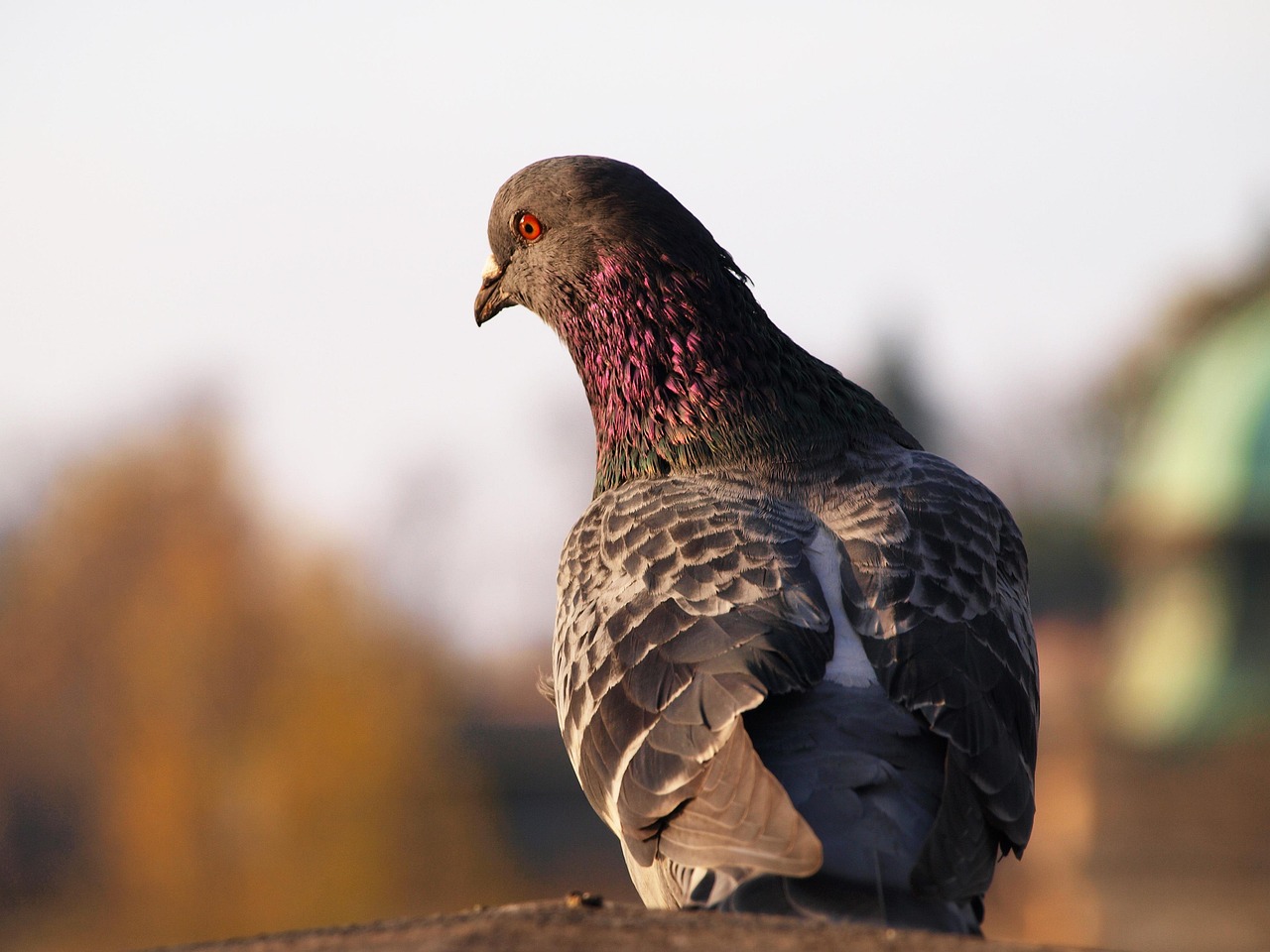
Color and markings are key elements of beauty in fancy pigeon breeding, often determining a bird's value and appeal. To enhance these traits, breeders should pair pigeons with vibrant, consistent colors and well-defined patterns. For example, selecting parents with iridescent feathers or unique markings can produce offspring that inherit these striking features. This attention to detail is central to the best pairing methods, as it directly impacts visual attractiveness.
In addition to genetic selection, environmental factors like diet and lighting can influence color intensity. Providing a nutrient-rich diet with supplements such as carotenoids can boost feather brilliance. Regular grooming and health checks also play a role in maintaining appearance. By combining genetic strategies with proper care, you can cultivate pigeons that are not only pure but also visually stunning, making them highly sought after in the breeding community.
Improving Form and Structure
Form and structure are critical for both beauty and functionality in pigeons, affecting aspects like flight ability and overall health. Breeders should prioritize pairing birds with ideal body proportions, strong bone structure, and balanced posture. This involves assessing traits such as wing shape, beak alignment, and leg strength to ensure they meet breed standards. Using the best pairing methods, you can selectively enhance these physical attributes over generations.
Practical steps include regular evaluations and culling of birds that do not meet criteria, which helps maintain high standards in your flock. Incorporating exercises and a spacious loft environment can also support proper development. By focusing on form and structure, you contribute to the longevity and appeal of your pigeons, resulting in offspring that excel in both purity and aesthetic quality. This holistic approach is essential for sustained success in fancy pigeon breeding.
Practical Tips for Successful Breeding
Beyond theory, practical application is vital for achieving results in fancy pigeon breeding. This section offers actionable advice on managing your breeding program, from setup to daily routines, ensuring you can implement the best pairing methods effectively.
Setting Up an Ideal Breeding Environment
An optimal breeding environment is crucial for the health and productivity of your pigeons. Start by designing a clean, spacious loft with adequate ventilation, lighting, and nesting areas. This reduces stress and prevents diseases, allowing birds to thrive during the breeding process. Incorporate features like perches and separate compartments for pairs to encourage natural behaviors and successful mating.
Key elements to include are:
- Proper insulation to maintain stable temperatures
- Easy-to-clean surfaces to minimize infection risks
- Secure fencing to protect from predators
Monitoring Health and Nutrition
Health and nutrition are pillars of successful fancy pigeon breeding, directly influencing fertility, growth, and appearance. Provide a balanced diet rich in proteins, vitamins, and minerals to support reproductive health and feather quality. Supplements like grit and probiotics can aid digestion and boost immunity, reducing the likelihood of illnesses that could derail your breeding plans.
Establish a routine for health checks, including vaccinations and parasite control, to keep your flock in peak condition. Watch for signs of stress or malnutrition, and adjust care as needed. By prioritizing well-being, you ensure that your pigeons are capable of producing robust, attractive offspring. This proactive approach complements the best pairing methods, leading to consistent improvements in purity and beauty over time.
Conclusion
In summary, mastering fancy pigeon breeding through the best pairing methods involves a blend of genetic knowledge, strategic selection, and practical care. By applying these insights, you can cultivate offspring of high purity and stunning beauty, elevating your breeding efforts. For further guidance and tools to streamline your process, consider exploring Ghawy – Pigeon Manager, a resource designed to support enthusiasts in achieving their goals.