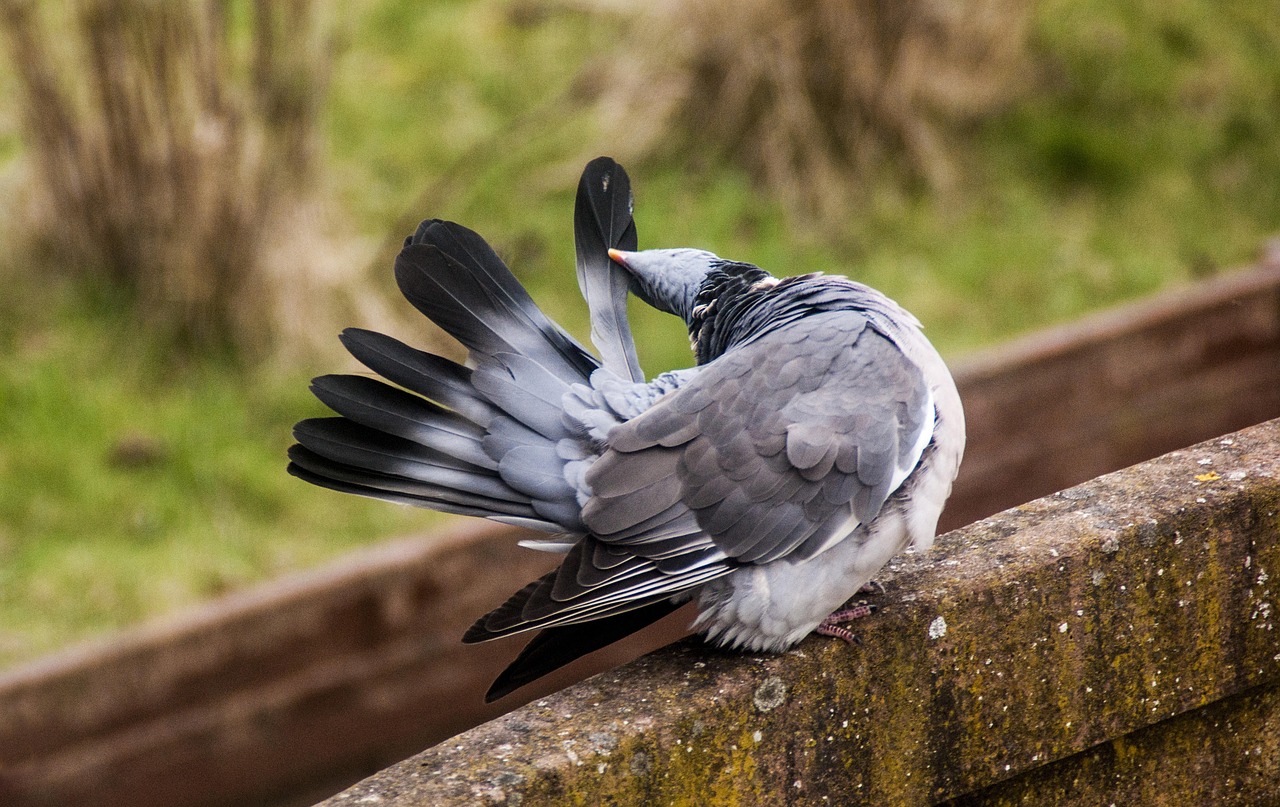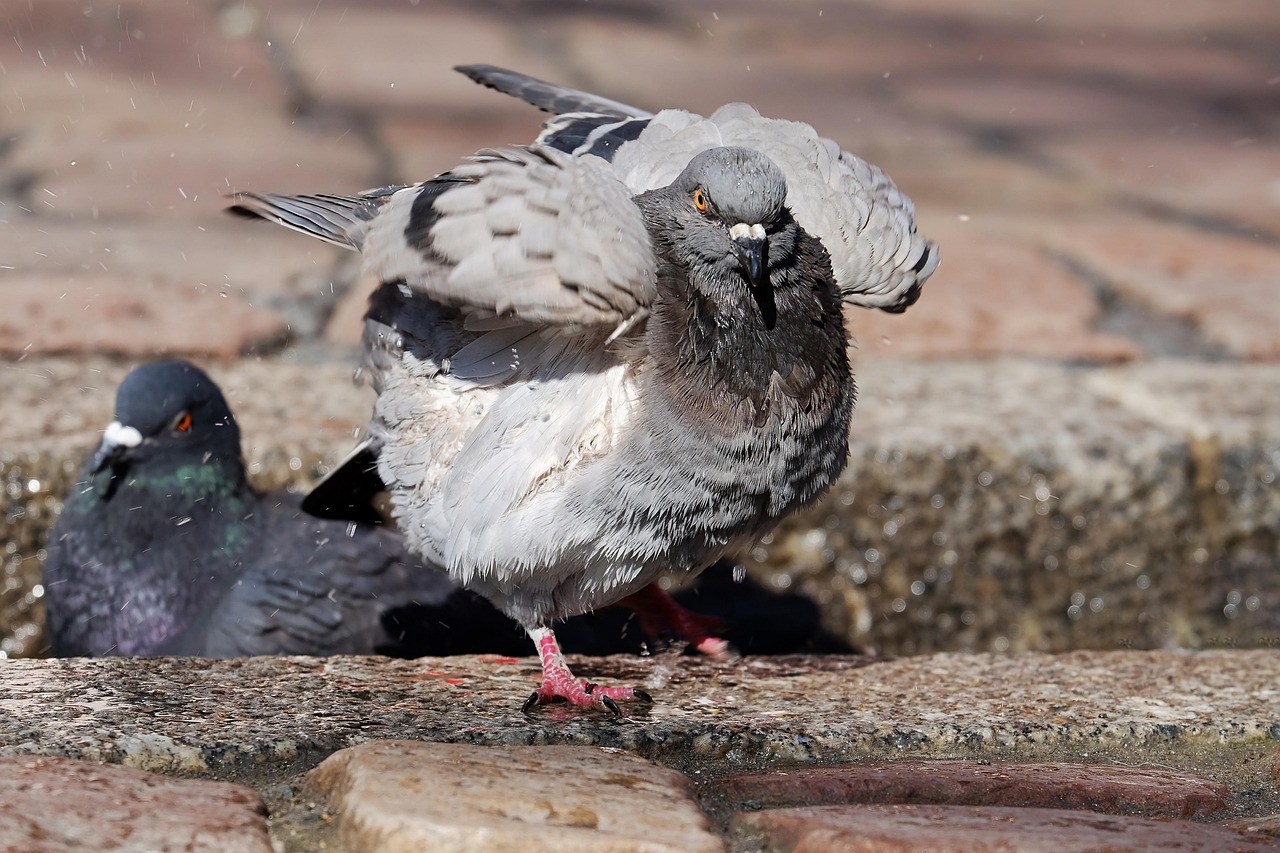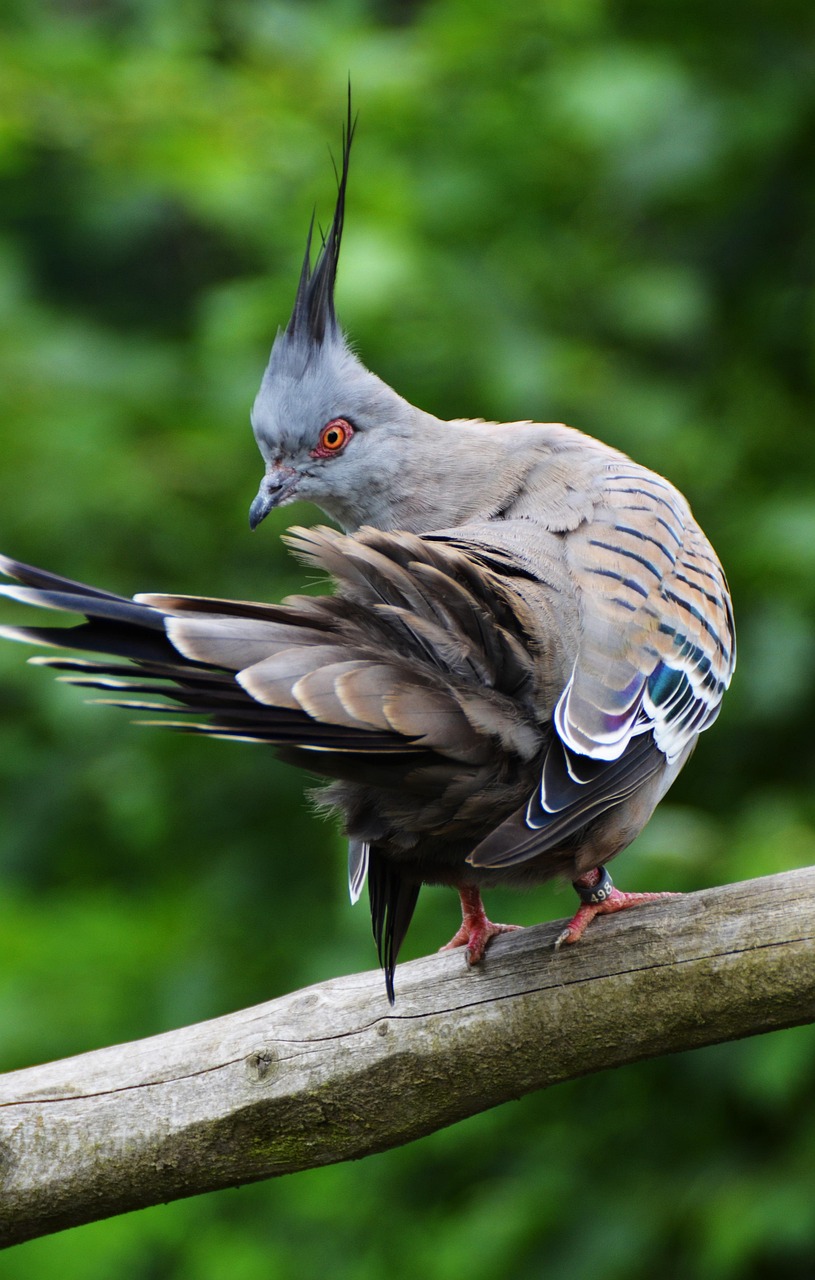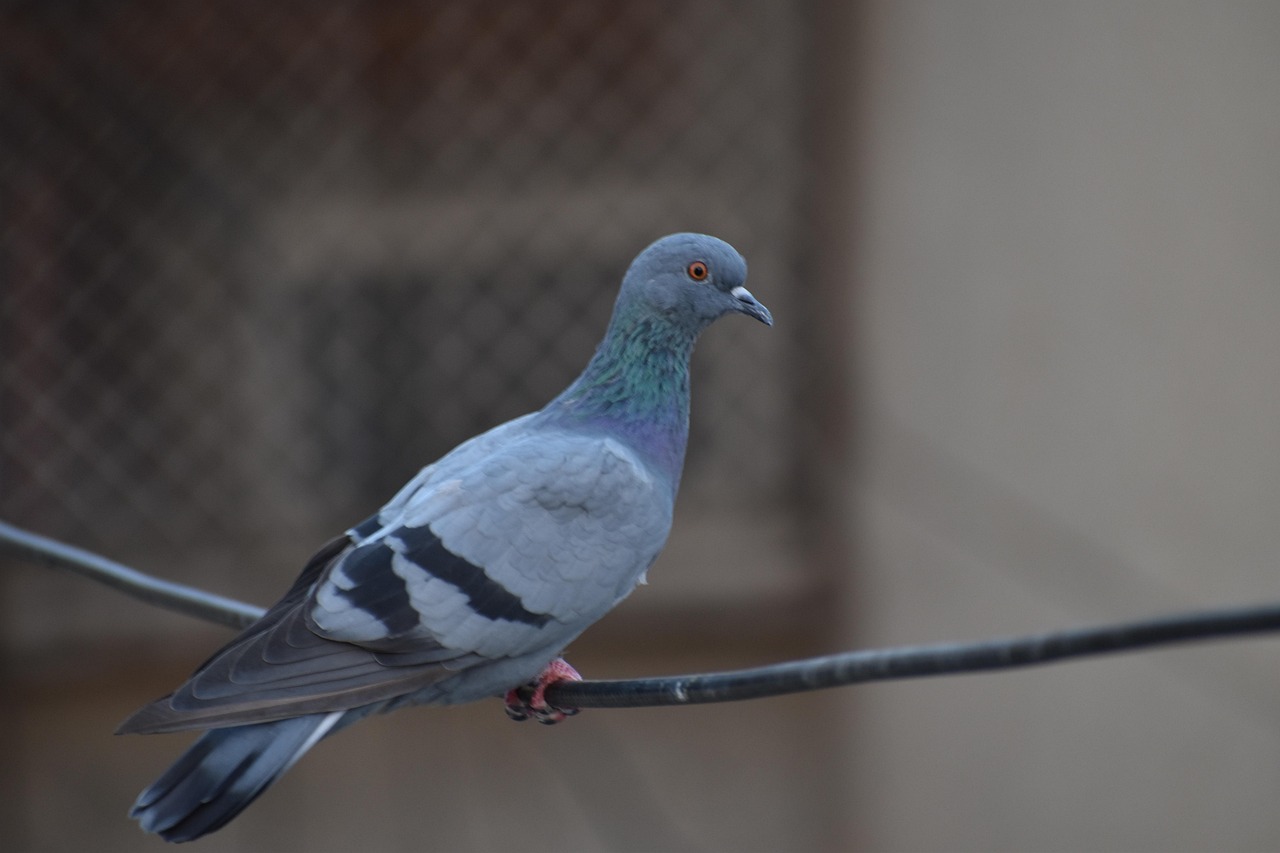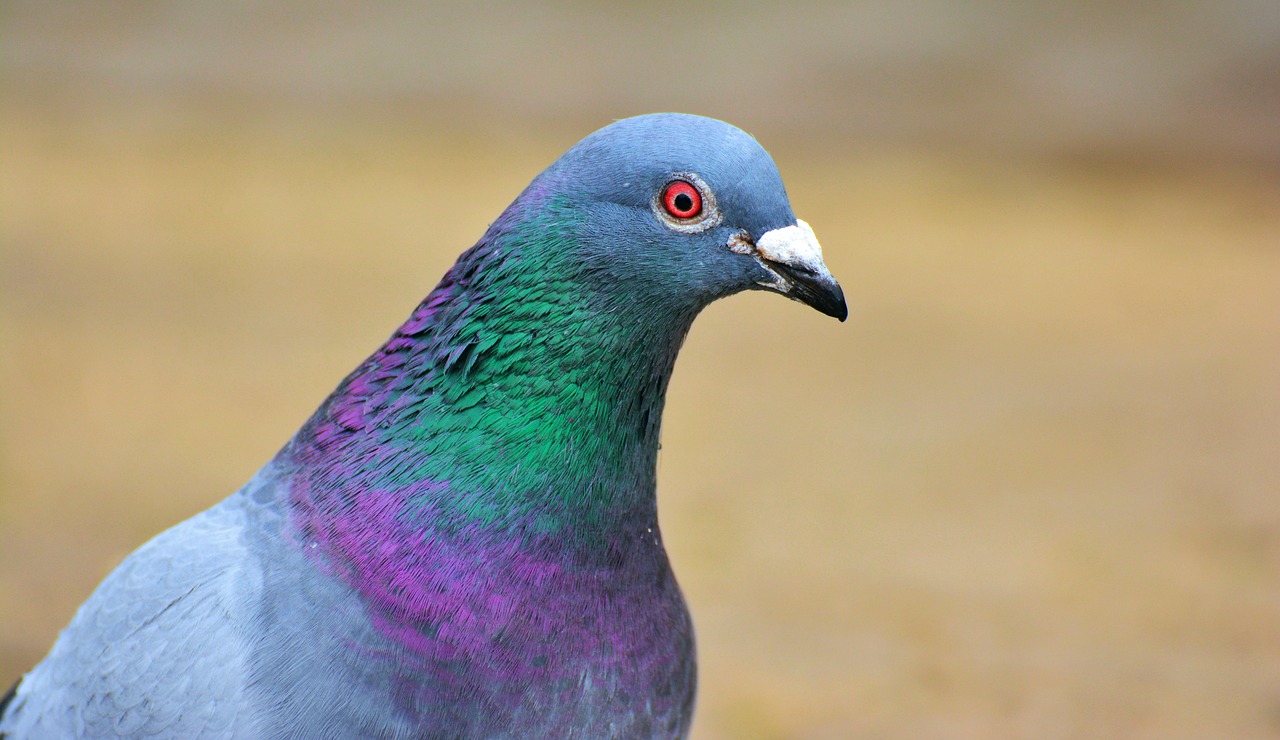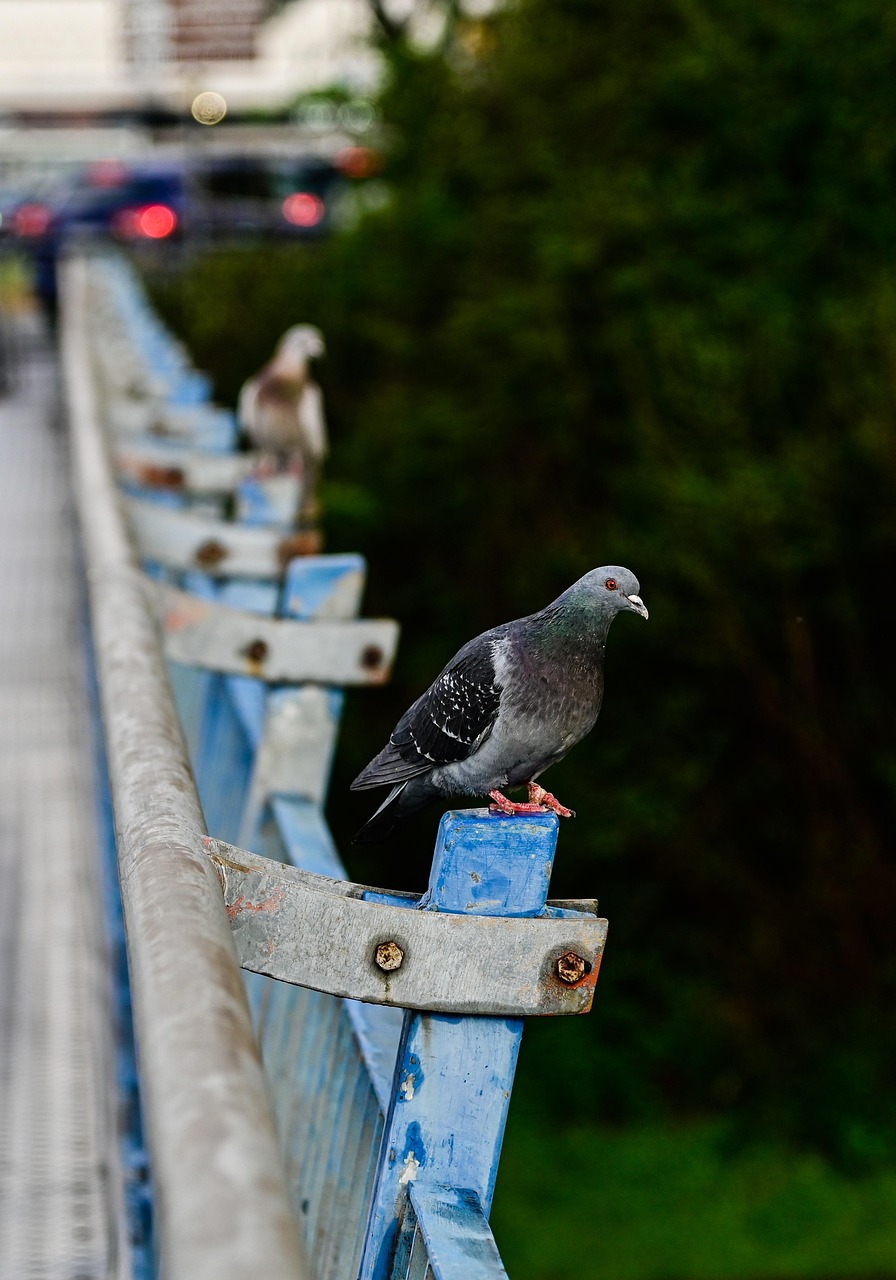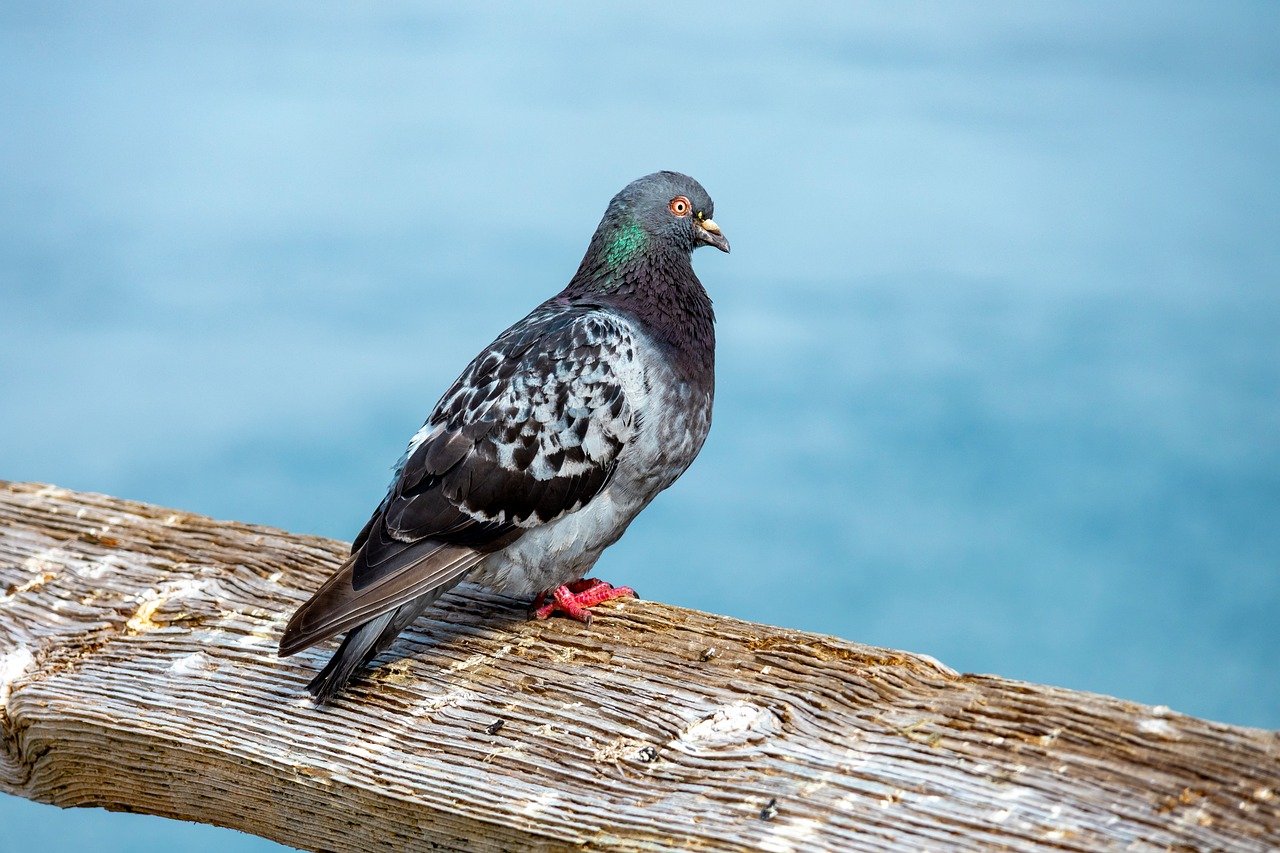
Rare pigeon breeds captivate enthusiasts with their unique beauty, but presenting them effectively requires the right equipment. From show cage setup to lighting for pigeons, this guide explores how to highlight their elegance and charm. Whether you're a seasoned breeder or a newcomer, these insights will help you create stunning displays that impress judges and audiences alike.
Understanding the Basics of Show Cage Setup
A well-designed show cage setup is the foundation for showcasing rare pigeon breeds, providing a safe and attractive environment that enhances their natural features. It's not just about containment; it's about creating a stage where every detail, from materials to dimensions, contributes to the bird's presentation. Investing in quality cages can make a significant difference in competitions and exhibitions, ensuring your pigeons look their best under scrutiny.
Choosing the Right Materials and Design
When selecting materials for your show cage setup, prioritize durability and aesthetics to ensure longevity and visual appeal. Stainless steel or powder-coated metals are excellent choices as they resist corrosion and are easy to clean, maintaining a pristine look for your pigeons. Avoid materials that could harm the birds, such as sharp edges or toxic paints, and opt for designs with smooth finishes that complement the pigeon's plumage. Additionally, consider cages with removable trays for effortless cleaning, which helps maintain hygiene and prevents stress on the birds during setup changes. A thoughtful design not only protects your pigeons but also enhances their overall presentation, making them stand out in any show.
Beyond material selection, the structural design of the cage plays a crucial role in how pigeons are perceived. Look for cages with adequate ventilation to ensure proper airflow, reducing the risk of respiratory issues and keeping the birds comfortable. The spacing between bars should be narrow enough to prevent escape but wide enough to allow for easy viewing, balancing security with visibility. Incorporating features like perches at varying heights can encourage natural posturing, showcasing the pigeon's form and movement. By focusing on both materials and design, you create a show cage setup that not only meets functional needs but also elevates the aesthetic experience for judges and spectators.
Optimal Sizing and Placement Strategies
Determining the right size for your show cage setup is essential to avoid overcrowding and allow each pigeon to display its unique traits without constraint. A cage that is too small can cause stress and hinder movement, while one that is too large might make the bird appear lost or insignificant. Aim for dimensions that provide enough space for the pigeon to turn, stretch, and perch comfortably, typically based on the breed's size and activity level. For rare breeds, custom sizing might be necessary to accentuate specific features, such as long tails or elaborate crests, ensuring they are the focal point of the display.
Placement within the exhibition area is equally important, as it affects how lighting and audience perspective interact with the cage. Position cages at eye level to facilitate easy viewing and engagement, avoiding low or high placements that could obscure details. Consider the flow of foot traffic to minimize disturbances, and use strategic spacing between cages to prevent visual clutter. By optimizing both size and placement, you enhance the overall impact of your show cage setup, making it easier for judges to appreciate the fine points of each rare breed. This attention to detail can significantly influence scoring and audience admiration.
Mastering Lighting for Pigeons in Displays
Proper lighting for pigeons is a game-changer in exhibitions, as it can accentuate colors, textures, and movements that might otherwise go unnoticed. It's not just about illumination; it's about using light to create mood and focus, drawing attention to the unique characteristics of rare breeds. From natural to artificial sources, understanding how to manipulate light can transform a simple display into a captivating showcase that highlights the pigeons' beauty and elegance.
Types of Lighting and Their Effects
Different types of lighting can produce varied effects on pigeon displays, so it's crucial to choose options that enhance rather than detract from their appearance. Natural daylight is ideal for bringing out true colors and reducing shadows, but it's not always controllable, so supplementing with artificial lights like LEDs or halogens is common. LEDs are energy-efficient and generate minimal heat, making them safe for prolonged use, while halogens offer bright, focused beams that can highlight specific features. Avoid fluorescent lights, as they may cast unflattering hues or cause stress due to flickering, which could affect the pigeons' behavior and presentation.
Beyond the type of light, consider the color temperature and intensity to achieve the desired visual impact. Warm white lights (around 3000K) can create a cozy, inviting atmosphere, while cool white lights (5000K or higher) enhance clarity and detail, perfect for judging intricate feather patterns. Adjustable intensity allows you to dim or brighten the lighting based on the time of day or specific breed requirements, ensuring optimal visibility without overwhelming the birds. Experiment with combinations to find what works best for your rare pigeons, and always test setups beforehand to avoid surprises during events. By mastering these lighting elements, you can significantly improve how lighting for pigeons contributes to a successful display.
Positioning and Angles for Maximum Impact
The positioning of lights is critical in lighting for pigeons, as it determines how shadows and highlights interact with the birds' features. Place lights at angles that minimize harsh shadows, such as from the front or sides, to evenly illuminate the pigeon without obscuring details. Overhead lighting can create unflattering top-down shadows, so use it sparingly or combine it with fill lights to balance the effect. For rare breeds with iridescent feathers, angled lighting can enhance the shimmer and depth, making colors appear more vibrant and dynamic to viewers.
Angles also play a role in directing audience attention and creating focal points within the display. Use spotlights to draw eyes to specific areas, like the head or tail, emphasizing unique traits that set rare breeds apart. Adjust the height and distance of lights to avoid glare or hotspots, which could distract from the pigeon's natural beauty. In larger exhibitions, consider using multiple light sources to cover all viewing angles, ensuring consistency regardless of where spectators stand. By carefully planning positioning and angles, you optimize lighting for pigeons to not only showcase their aesthetics but also create an immersive experience that captivates and educates the audience.
Enhancing Visual Appeal with Accessories and Backgrounds
Accessories and backgrounds play a supportive role in pigeon displays, adding context and contrast that make rare breeds stand out even more. They should complement rather than compete with the pigeons, using elements like natural perches or themed backdrops to enhance the overall narrative. Thoughtful selection can elevate a simple setup into a cohesive story that highlights the breed's history or characteristics, engaging viewers on a deeper level.
Selecting Complementary Perches and Decor
Choosing the right perches and decor is essential for creating a natural and appealing environment in your show cage setup. Opt for perches made from safe, non-toxic materials like untreated wood or bamboo, which provide a comfortable grip and mimic the pigeons' natural habitats. Avoid synthetic materials that could cause discomfort or injury, and select perches of varying diameters to promote foot health and natural perching behavior. Decor items, such as small plants or rocks, can add visual interest without overwhelming the space, but keep them minimal to ensure the pigeon remains the focal point. By integrating these elements, you not only improve the aesthetic but also support the birds' well-being during displays.
When adding decor, consider how it interacts with lighting and the overall theme of the exhibition. For example, earthy tones and natural textures can enhance the authenticity of the display, while brighter colors might be used to draw attention to specific breeds. Ensure that all accessories are securely attached to prevent accidents, and regularly inspect them for wear and tear. In competitions, judges often appreciate setups that tell a story or reflect the breed's origins, so research your pigeon's background to inform your choices. Ultimately, well-chosen perches and decor contribute to a harmonious show cage setup that showcases rare pigeons in their best light.
Using Backgrounds to Frame the Display
Backgrounds are a powerful tool in framing pigeon displays, as they set the tone and focus attention on the birds without distraction. Solid colors like white or black can create a clean, professional look that makes feather details pop, while textured or patterned backgrounds might add depth but should be used cautiously to avoid visual clutter. For rare breeds, consider backgrounds that highlight their unique colors—for instance, a dark backdrop for light-colored pigeons to increase contrast and visibility. Ensure the background material is non-reflective to prevent glare from lighting, which could detract from the pigeon's appearance.
Incorporating thematic elements into backgrounds can also enhance the storytelling aspect of your display. If showcasing a breed with historical significance, use backgrounds that evoke its origin, such as rustic wood for vintage breeds or modern graphics for contemporary varieties. Keep the design simple and cohesive with the rest of the show cage setup, avoiding busy patterns that might compete with the pigeon. Test different backgrounds under your lighting for pigeons to see how they affect the overall impression, and make adjustments based on feedback from rehearsals. By using backgrounds strategically, you create a polished presentation that not only frames the birds beautifully but also reinforces their rarity and appeal.
Practical Tips for Maintenance and Preparation
Maintaining your display equipment and preparing pigeons for shows are ongoing processes that ensure consistency and success. Regular upkeep of cages and lighting systems prevents malfunctions and keeps everything looking sharp, while proper pigeon care involves grooming, health checks, and training. By integrating these practices into your routine, you can avoid last-minute issues and present your rare breeds with confidence and professionalism.
Routine Cleaning and Equipment Checks
Establishing a routine for cleaning and inspecting your show cage setup is vital for hygiene and longevity, reducing the risk of diseases and equipment failure. Clean cages after each use with mild disinfectants to remove droppings and debris, paying attention to corners and perches where bacteria can accumulate. For lighting systems, dust bulbs and fixtures regularly to maintain brightness, and check for loose wires or damaged components that could pose safety hazards. Schedule monthly deep cleans and inspections to address wear and tear, such as rust on metal parts or fading on backgrounds, ensuring everything remains in top condition for exhibitions.
Beyond cleaning, perform functional checks to verify that all equipment operates as intended. Test lighting for pigeons before events to confirm proper illumination and adjust settings if needed, and ensure cages open and close smoothly without jamming. Keep a maintenance log to track repairs and replacements, which can help you anticipate needs and budget for upgrades. Involving a team or using tools like checklists can streamline this process, making it easier to manage multiple displays. By prioritizing routine maintenance, you not only extend the life of your equipment but also create a reliable foundation for showcasing rare pigeons effectively.
Pre-Show Grooming and Health Assessments
Grooming and health assessments are critical steps in preparing pigeons for shows, as they directly impact appearance and performance. Start by bathing the birds a few days before the event to clean their feathers and enhance natural oils, using gentle products that won't irritate their skin. Trim nails and beaks if necessary to prevent injuries and ensure a tidy look, and inspect for parasites or signs of illness that could affect their behavior. A healthy pigeon is more likely to exhibit confident posturing and vibrant plumage, which are key factors in judging criteria for rare breeds.
In addition to physical grooming, focus on behavioral preparation to help pigeons adapt to the show environment. Acclimate them to the show cage setup and lighting for pigeons through short practice sessions, reducing stress and encouraging natural movements. Monitor their diet and exercise in the weeks leading up to the event to maintain optimal weight and energy levels, avoiding sudden changes that could cause issues. On show day, conduct a final health check to address any last-minute concerns, and have a kit with essentials like water and first-aid supplies handy. By thorough grooming and assessment, you ensure your pigeons are not only beautiful but also healthy and ready to shine in the spotlight.
Conclusion
Mastering the art of displaying rare pigeon breeds involves a blend of thoughtful equipment choices and meticulous preparation, from optimizing your show cage setup to perfecting lighting for pigeons. By focusing on materials, design, and maintenance, you can create captivating exhibits that highlight each breed's unique beauty. Remember, tools like Ghawy – Pigeon Manager can streamline your efforts, helping you manage displays with ease and precision. Embrace these strategies to elevate your presentations and share the splendor of rare pigeons with the world.