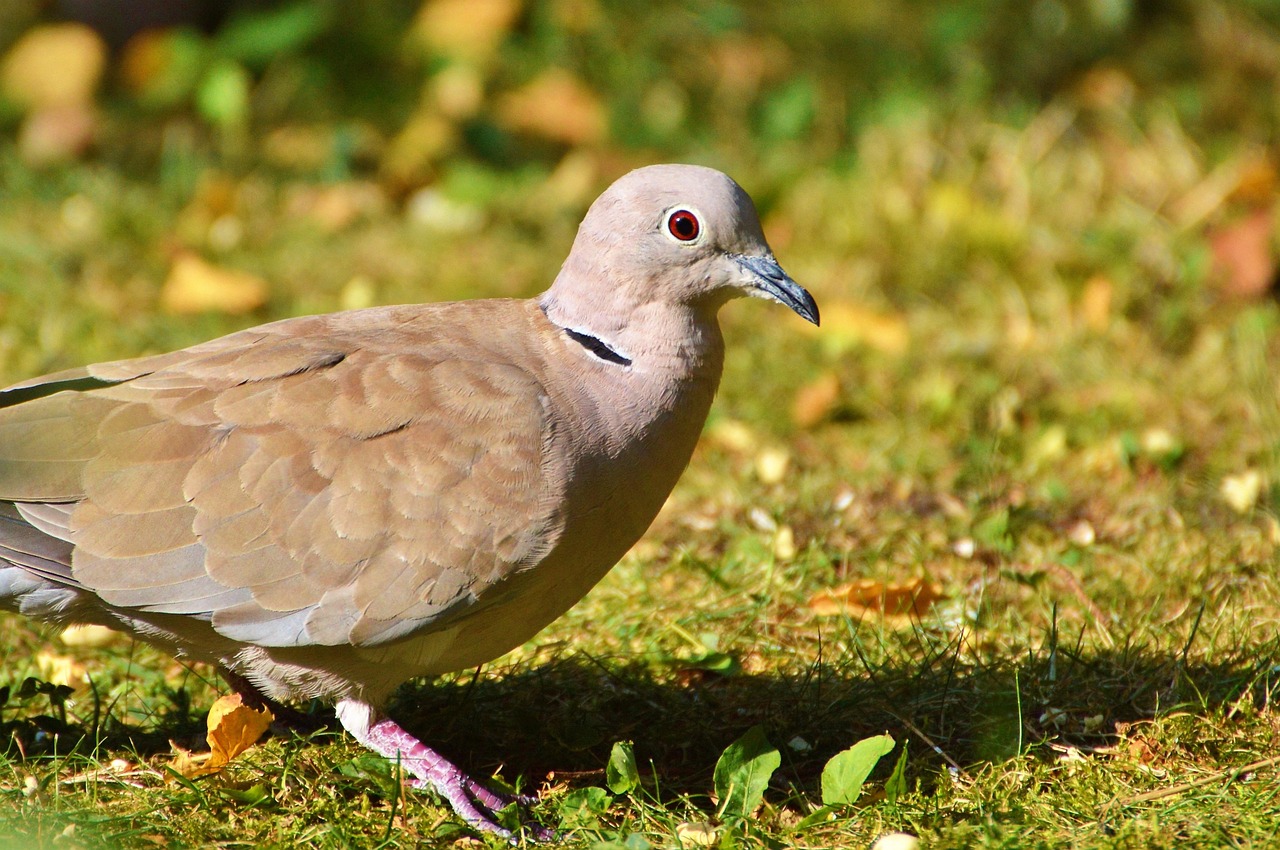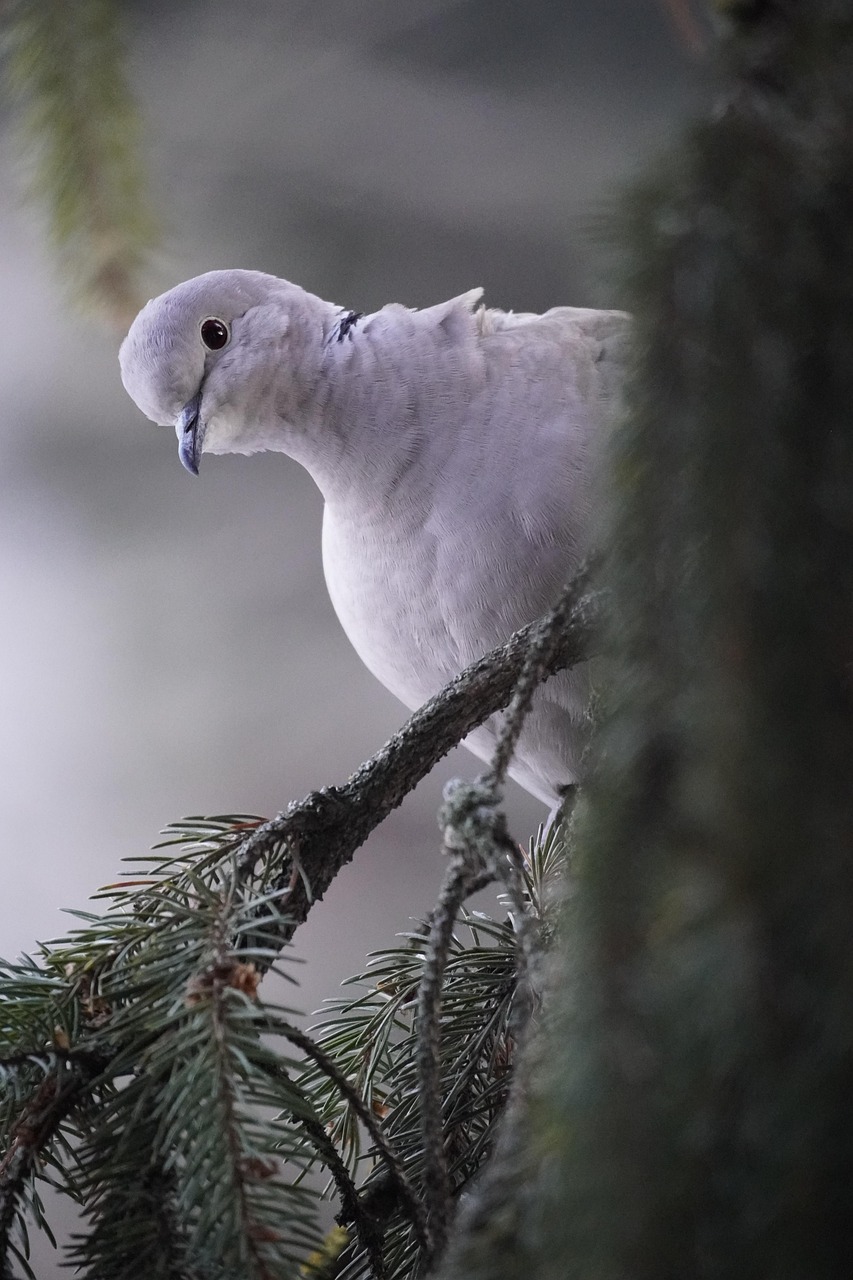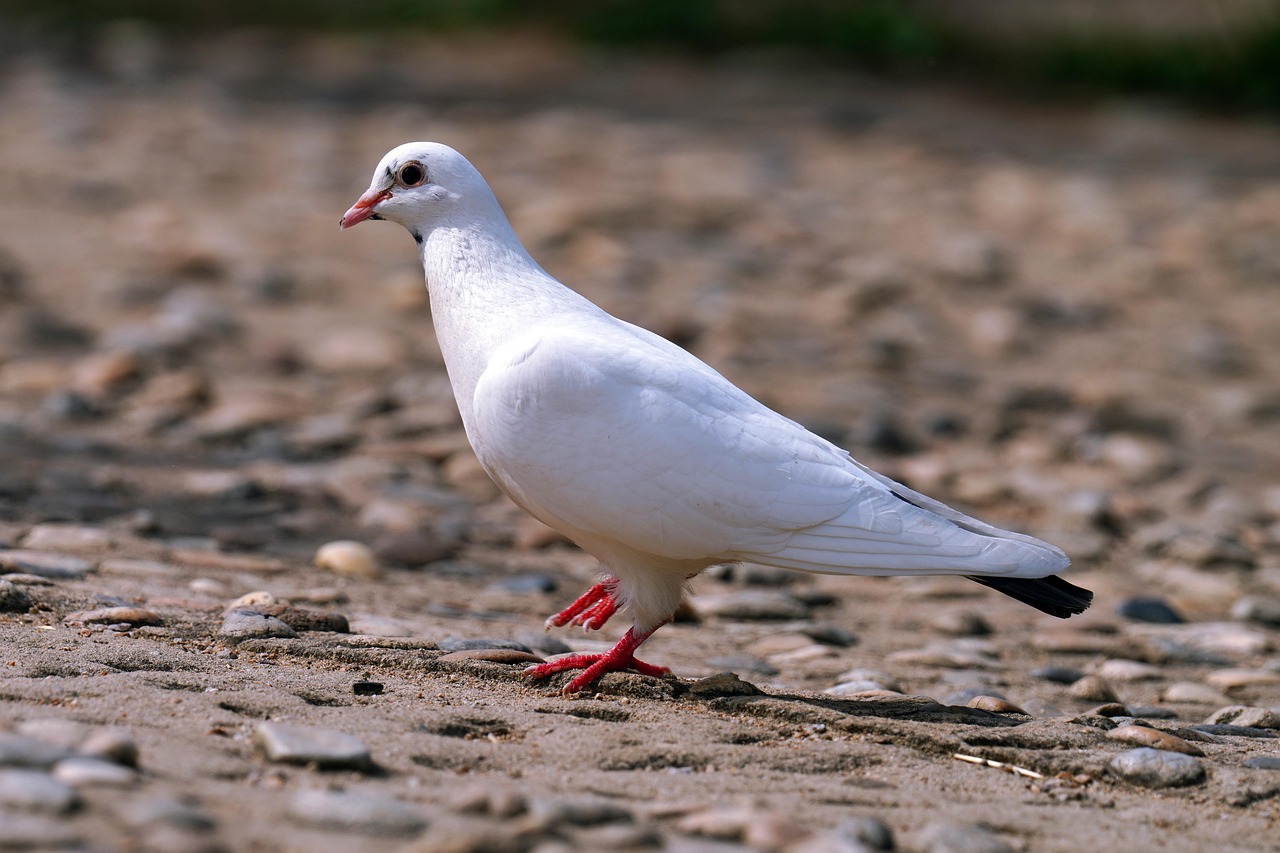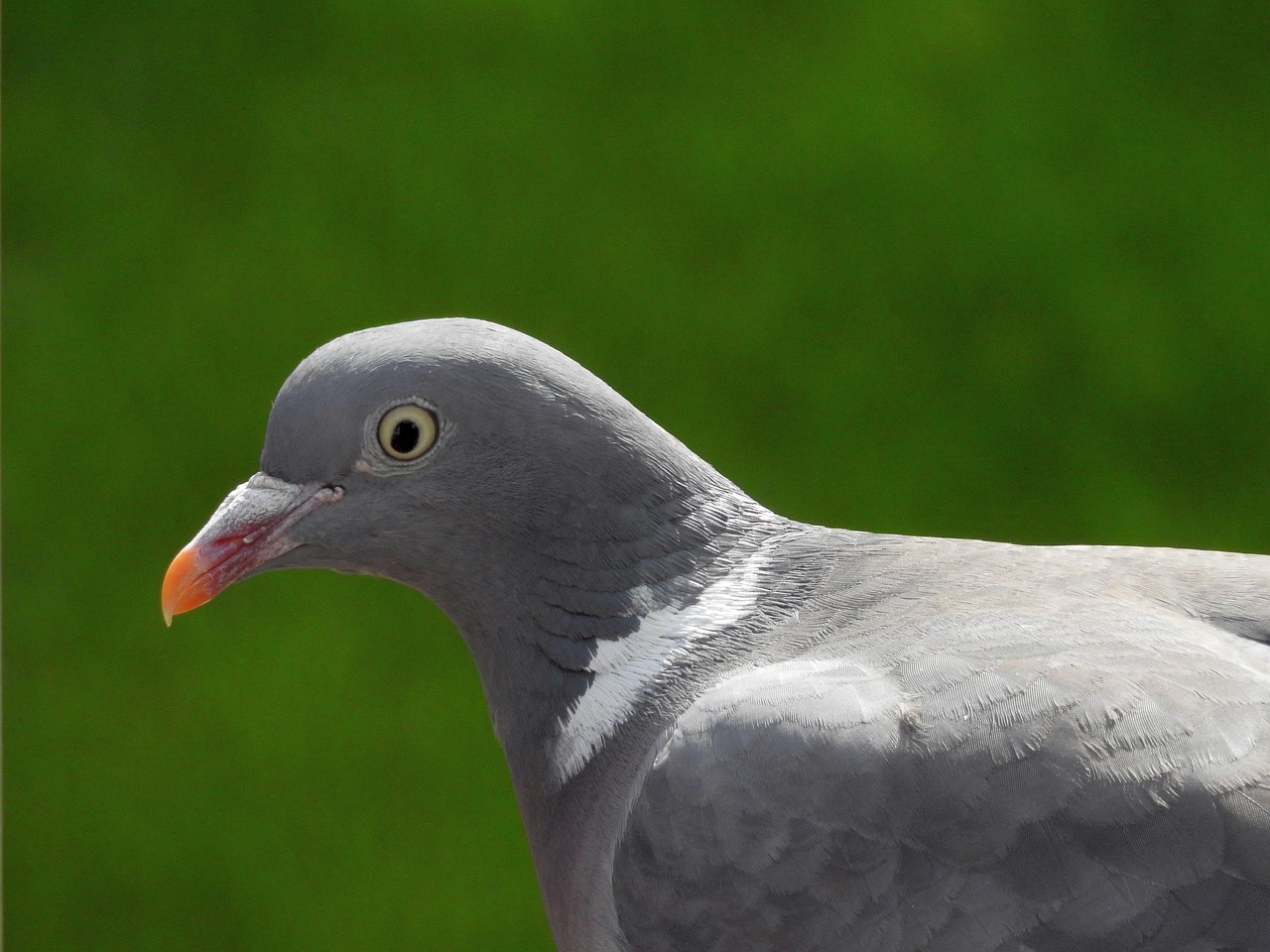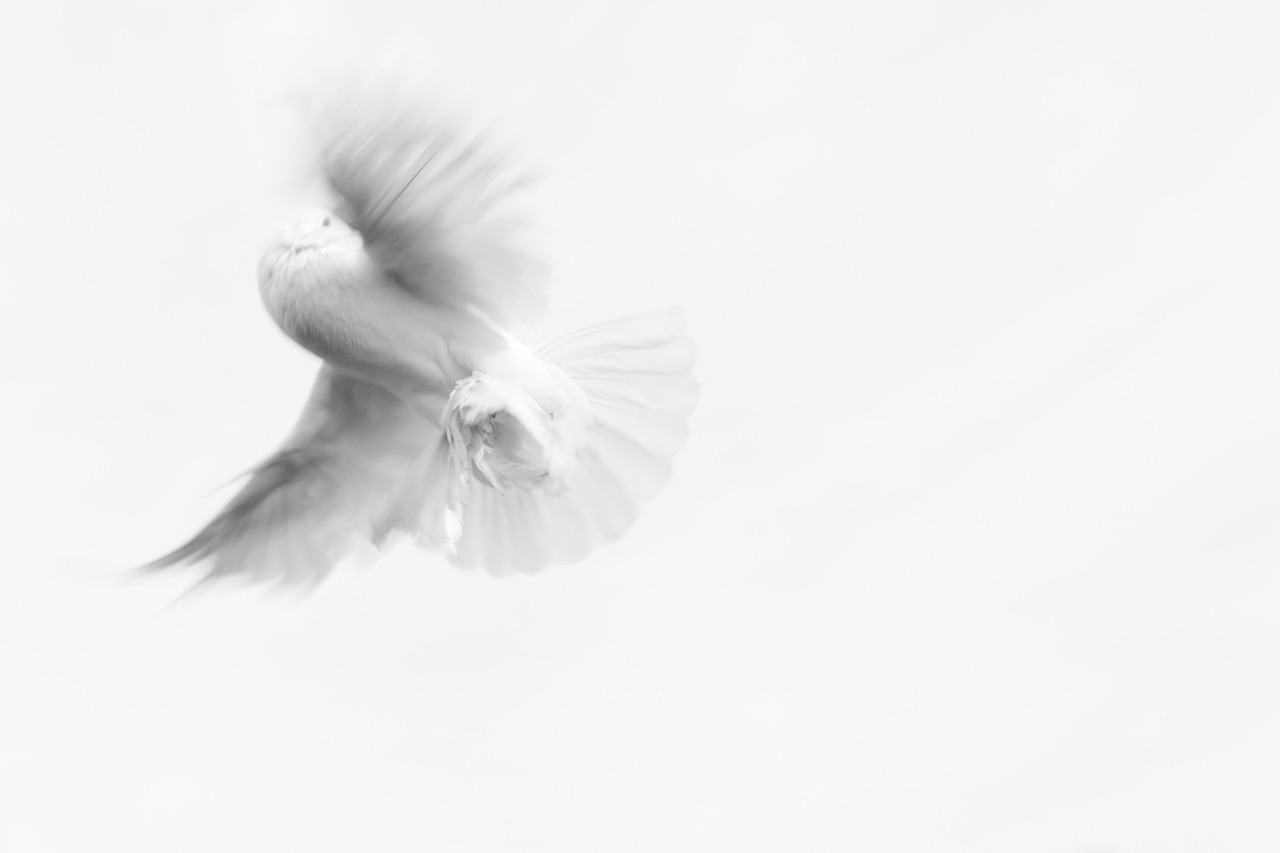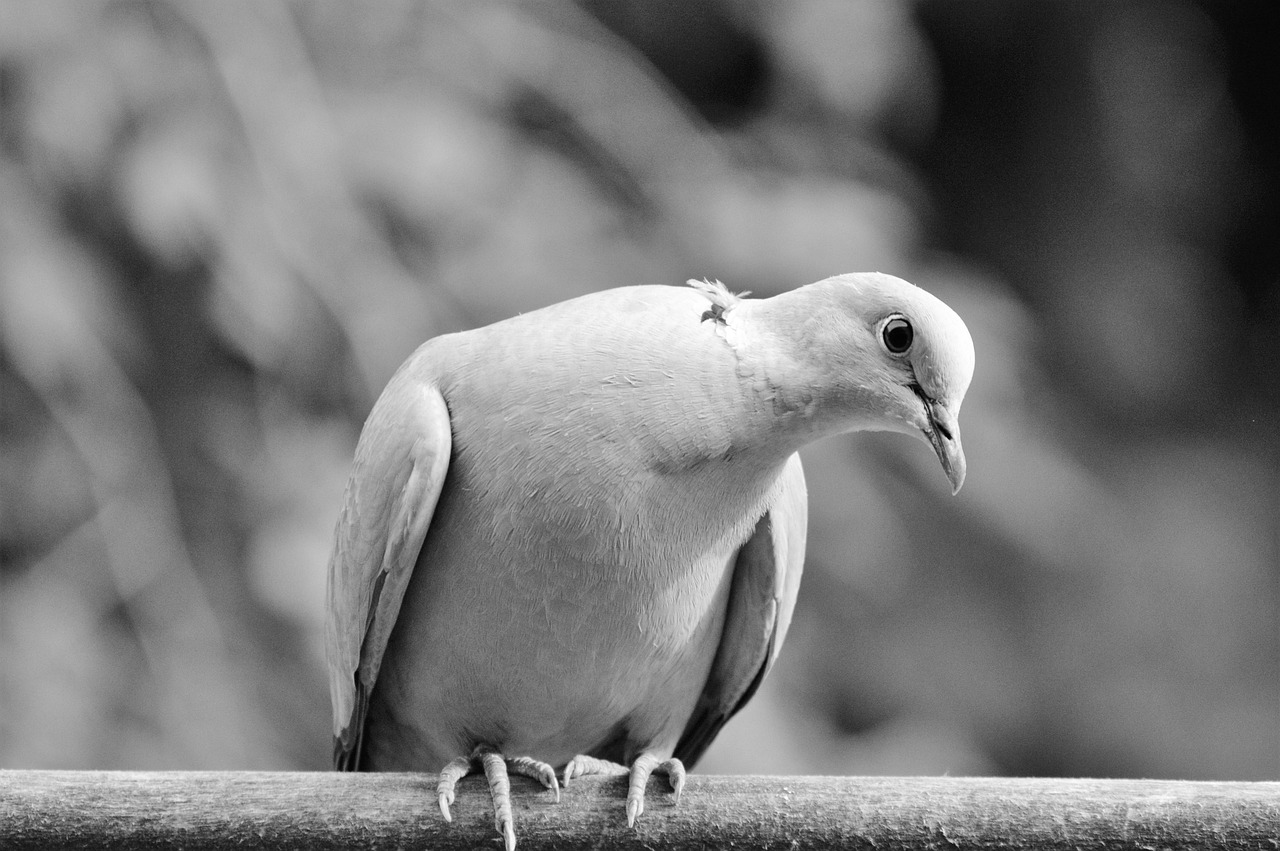
Shami pigeons, known for their elegance and rich history, are a prized breed among enthusiasts in the Arab world. This comprehensive guide delves into their vibrant colors, detailed specifications, and current market prices, offering valuable insights for both beginners and seasoned breeders. Understanding these aspects can help you appreciate and care for these magnificent birds effectively.
Introduction to Shami Pigeons
Shami pigeons, or حمام شامي, have long been celebrated for their beauty and cultural significance in Middle Eastern regions. Originating from Syria, these birds are admired for their distinctive features and gentle temperament, making them a favorite in pigeon breeding circles. This section explores their historical background and why they remain popular today.
Historical Significance
The history of Shami pigeons dates back centuries, with roots in ancient Arab traditions where they were symbols of peace and prosperity. Breeders have preserved their lineage through selective breeding, ensuring that traits like intelligence and adaptability are passed down. Over time, these pigeons have become integral to cultural events and competitions, highlighting their enduring appeal. Learning about their past can deepen your appreciation and guide ethical breeding practices for future generations.
In modern times, Shami pigeons continue to hold a special place in aviculture, with enthusiasts valuing them for both aesthetic and practical reasons. Their ability to thrive in various environments makes them suitable for different climates, from urban settings to rural farms. By understanding their historical journey, breeders can better maintain the breed's purity and contribute to its legacy, ensuring that these birds remain a cherished part of avian heritage.
Why Choose Shami Pigeons?
Opting for Shami pigeons offers numerous benefits, including their calm demeanor and low maintenance needs, which make them ideal for hobbyists and professionals alike. Their social nature allows them to bond easily with owners, enhancing the overall experience of pigeon keeping. Additionally, their versatility in shows and breeding programs adds to their attractiveness, providing opportunities for competition and community engagement.
From a practical standpoint, Shami pigeons are known for their hardiness and resistance to common avian diseases, reducing the need for extensive veterinary care. This makes them a cost-effective choice for those new to pigeon breeding. By selecting this breed, you invest in a rewarding hobby that combines beauty with functionality, fostering a deeper connection to nature and tradition.
Colors and Varieties of Shami Pigeons
The diversity in colors among Shami pigeons is one of their most captivating features, ranging from solid hues to intricate patterns that appeal to collectors and breeders. This section breaks down the common color types and how they influence the breed's value and appeal in the market.
Common Color Patterns
Shami pigeons exhibit a wide array of colors, including shades like white, black, red, and yellow, often with unique markings such as spots or bars. These patterns are not just visually striking but also indicate genetic traits that can be leveraged in breeding programs. For instance, pigeons with rare color combinations may command higher prices due to their scarcity and demand among enthusiasts.
Understanding these color variations helps breeders make informed decisions when selecting birds for their flocks. It's essential to note that environmental factors and diet can influence color intensity, so proper care is crucial for maintaining vibrant plumage. By focusing on color genetics, you can enhance the aesthetic quality of your pigeons and potentially increase their market value over time.
Rare and Desirable Colors
Some Shami pigeon colors are considered rare, such as metallic sheens or multi-toned feathers, which are highly sought after in competitive circles. These unique traits often result from specific breeding techniques and can set your pigeons apart in shows. Breeders should aim to preserve these rare colors through careful pairing and documentation to sustain genetic diversity.
In terms of pricing, rare-colored Shami pigeons can see significant fluctuations based on availability and trends. Keeping abreast of market demands allows breeders to capitalize on these opportunities. Ultimately, investing in rare varieties not only boosts your collection's prestige but also supports the broader community by promoting genetic health and innovation in pigeon breeding.
Specifications and Physical Characteristics
Shami pigeons are defined by specific physical traits that contribute to their identity and functionality. This section covers their size, build, and other key specifications that breeders should consider for optimal care and breeding success.
Size and Build
Typically, Shami pigeons are medium-sized birds with a robust build, featuring strong wings and a graceful posture that aids in flight and agility. Their average weight ranges from 300 to 500 grams, making them sturdy yet agile, which is ideal for both racing and ornamental purposes. Understanding these physical attributes helps in providing appropriate housing and nutrition to support their health and performance.
When assessing a Shami pigeon's build, look for features like a broad chest and well-proportioned legs, which indicate good breeding stock. These characteristics not only enhance their appearance but also contribute to their longevity and ability to thrive in various conditions. By prioritizing these specs, breeders can ensure their pigeons meet industry standards and excel in competitions or as pets.
Behavioral Traits
Shami pigeons are known for their intelligent and sociable behavior, often forming strong bonds with their owners and flock mates. They exhibit curious and playful tendencies, which make them engaging companions for bird lovers. Their adaptability to training allows for activities like homing or trick performances, adding an interactive element to pigeon keeping.
To foster positive behaviors, provide a stimulating environment with toys and social interaction. This not only improves their well-being but also reduces stress-related issues. Recognizing these traits enables breeders to tailor care routines, ensuring that Shami pigeons lead happy, healthy lives while strengthening the human-animal bond.
Pricing and Market Insights for Shami Pigeons
The pricing of Shami pigeons, or أسعار الحمام الشامي, varies based on factors like color, age, and breeding history, making it essential for buyers and sellers to understand market dynamics. This section explores current trends and tips for navigating purchases and sales effectively.
Factors Influencing Prices
Several elements affect أسعار الحمام الشامي, including the pigeon's color rarity, health status, and pedigree. For example, birds with proven lineage or award-winning backgrounds often fetch higher prices due to their genetic superiority. Additionally, market demand in regions like the Middle East can cause price spikes, especially during breeding seasons or cultural events.
To make informed decisions, research recent sales and consult with experienced breeders to gauge fair pricing. It's also wise to consider long-term costs, such as feed and healthcare, when budgeting for Shami pigeons. By understanding these factors, you can avoid overpaying and invest in birds that offer the best value for your needs.
Buying and Selling Tips
When purchasing Shami pigeons, always inspect for signs of good health, such as clear eyes and active behavior, to ensure you're getting a quality bird. Reputable sellers often provide documentation on lineage and health records, which can justify higher أسعار الحمام الشامي. For sellers, highlighting unique features and offering after-sale support can attract buyers and build trust in the community.
Utilize online platforms and local auctions to reach a wider audience, but be cautious of scams by verifying seller credentials. Building a network with other enthusiasts can also lead to better deals and insights. Ultimately, transparent transactions and ethical practices benefit everyone involved, promoting a sustainable market for Shami pigeons.
Care and Maintenance for Shami Pigeons
Proper care is crucial for the health and longevity of Shami pigeons, involving aspects like diet, housing, and routine health checks. This section provides actionable advice to help breeders maintain their flocks in top condition.
Diet and Nutrition
A balanced diet for Shami pigeons should include grains, seeds, and occasional supplements to support their energy needs and plumage health. Fresh water must always be available, as dehydration can lead to serious health issues. Tailoring the diet to their activity level—such as increased protein for breeding pairs—ensures optimal growth and reproduction.
Monitor their feeding habits to prevent obesity or deficiencies, and consider consulting a vet for specialized nutritional plans. By providing high-quality food, you not only enhance their well-being but also improve their appearance and performance in shows. Remember, a well-fed pigeon is a happy and productive member of your aviary.
Housing and Environment
Shami pigeons thrive in clean, spacious lofts that protect them from predators and harsh weather. Ensure adequate ventilation and natural light to prevent respiratory problems and promote mental stimulation. Regular cleaning of the loft reduces the risk of diseases and parasites, contributing to a healthier flock.
Incorporate perches and nesting areas to mimic their natural habitat, encouraging natural behaviors like roosting and breeding. By maintaining an ideal environment, you support their physical and psychological health, leading to longer lifespans and better breeding outcomes. Investing in proper housing is a key step toward successful pigeon management.
Breeding and Genetics of Shami Pigeons
Breeding Shami pigeons requires knowledge of genetics to preserve desirable traits and avoid common pitfalls. This section covers basic principles and best practices for effective breeding programs.
Genetic Principles
Understanding genetics helps breeders select pairs that enhance traits like color, size, and temperament in Shami pigeons. Focus on dominant and recessive genes to predict offspring characteristics, and avoid inbreeding to maintain genetic diversity. Tools like pedigree charts can track lineage and inform future breeding decisions.
By applying these principles, you can produce healthier and more attractive pigeons, increasing their value and appeal. It's a rewarding process that combines science with art, allowing breeders to contribute to the breed's evolution while minimizing genetic disorders.
Breeding Best Practices
Start with healthy, mature birds and provide a stress-free environment to encourage successful mating and egg-laying. Monitor the breeding process closely, offering supplemental nutrition to support the parents and chicks. After hatching, ensure proper care for the young, including warmth and appropriate feeding, to boost survival rates.
Document each breeding cycle to learn from experiences and improve over time. This proactive approach not only yields better results but also builds your reputation as a responsible breeder. Embrace these practices to enjoy the joys of raising Shami pigeons and sustaining their legacy for generations.
Conclusion
In summary, Shami pigeons offer a fascinating blend of beauty, history, and practicality, making them a valuable addition to any aviary. From their diverse colors and specifications to insights on أسعار الحمام الشامي, this guide has covered essential aspects to help you succeed in pigeon breeding. Remember, proper care and informed decisions are key to enjoying these birds long-term. For expert guidance and resources, consider reaching out to Ghawy – Pigeon Manager (غاوي – إدارة الحمام) to enhance your pigeon-keeping journey.