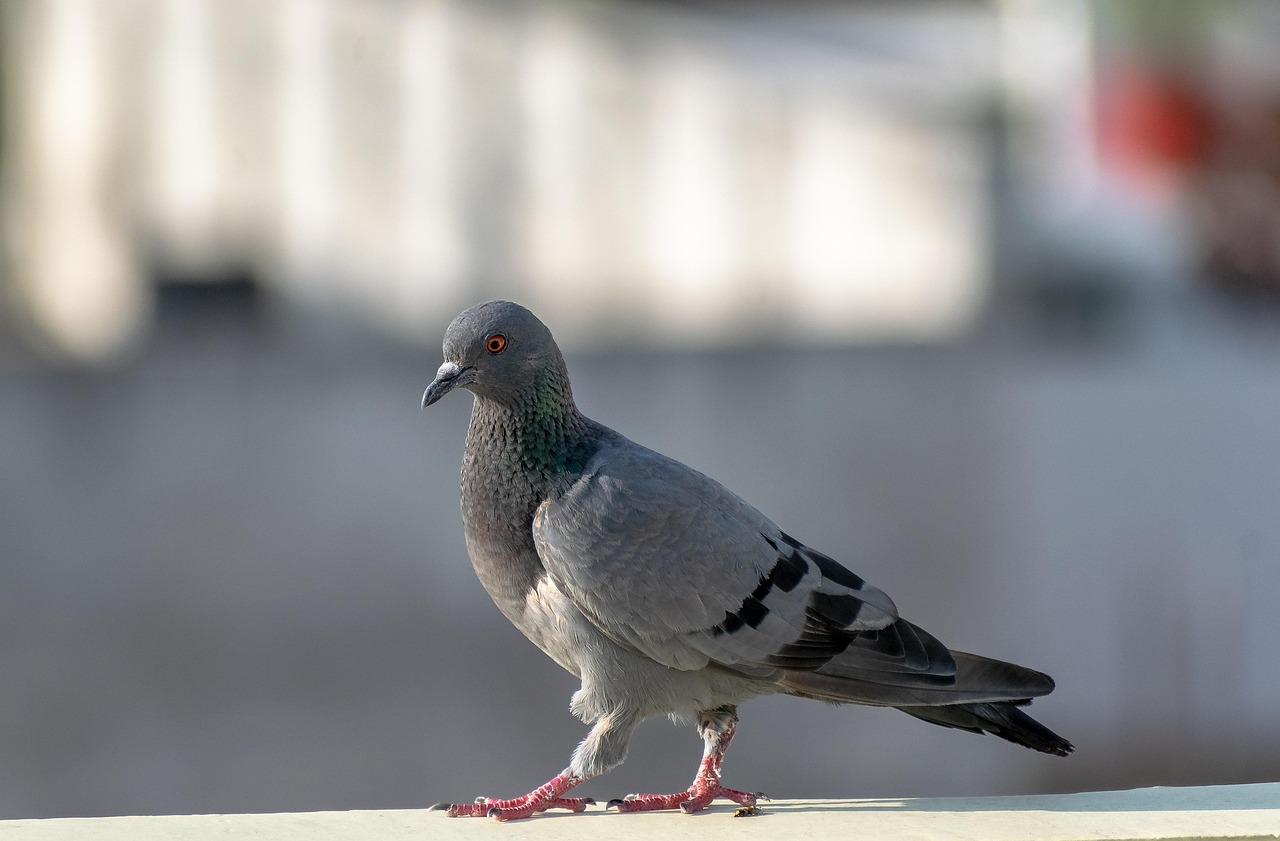
L-Carnitine is a powerful supplement that can significantly enhance the endurance of pigeons by optimizing fat metabolism. This article delves into the science behind how L-Carnitine pigeons utilize this compound to improve performance, focusing on fat metabolism pigeons and its role in energy production. Understanding this mechanism is crucial for pigeon enthusiasts aiming to boost their birds' stamina and overall health.
The Role of L-Carnitine in Pigeon Energy Systems
L-Carnitine plays a vital role in the energy systems of pigeons, acting as a shuttle for fatty acids into the mitochondria where they are burned for fuel. This process is essential for sustained flight, as it allows pigeons to tap into fat stores for long-distance endurance. By enhancing fat metabolism pigeons can maintain energy levels without relying solely on carbohydrates, reducing fatigue and improving recovery times. This section explores the biochemical pathways involved and why L-Carnitine is a game-changer for pigeon performance.
Understanding Fat Metabolism in Pigeons
Fat metabolism in pigeons involves the breakdown of lipids to produce ATP, the primary energy currency of cells. L-Carnitine facilitates this by transporting long-chain fatty acids across mitochondrial membranes, a step critical for efficient energy production. In pigeons, this means that during prolonged flights, L-Carnitine helps convert stored fat into usable energy, preventing muscle breakdown and supporting endurance. Studies show that pigeons with optimized fat metabolism can fly longer distances with less effort, making L-Carnitine supplementation a key strategy for competitive racing or breeding.
Moreover, fat metabolism pigeons benefit from improved thermoregulation, as fat oxidation generates heat that helps maintain body temperature in varying climates. This metabolic advantage ensures that pigeons remain agile and resilient, even under stressful conditions. By integrating L-Carnitine into their diet, pigeon keepers can witness a noticeable boost in stamina, with birds showing enhanced flight times and reduced post-exercise exhaustion. It's a natural way to support their innate abilities without artificial stimulants.
How L-Carnitine Enhances Mitochondrial Function
Mitochondria are the powerhouses of cells, and L-Carnitine is essential for their optimal function in pigeons. It not only transports fatty acids but also helps remove toxic byproducts like acyl groups, preventing mitochondrial damage and promoting cellular health. For L-Carnitine pigeons, this translates to better energy efficiency, as mitochondria can produce more ATP from fat reserves, leading to sustained endurance during flights. This process is particularly important during migration or racing events, where energy demands are high.
Additionally, L-Carnitine supports antioxidant defenses within mitochondria, reducing oxidative stress that can impair performance. In fat metabolism pigeons, this means fewer free radicals are produced during energy production, preserving muscle integrity and delaying fatigue. Practical observations from pigeon fanciers indicate that birds supplemented with L-Carnitine recover faster after intense activity and show improved overall vitality. By focusing on mitochondrial health, pigeon enthusiasts can ensure their birds achieve peak performance levels consistently.
Benefits of L-Carnitine for Pigeon Endurance and Health
Supplementing with L-Carnitine offers numerous benefits for pigeon endurance, including enhanced fat utilization, reduced muscle fatigue, and better recovery. This section highlights how L-Carnitine pigeons experience these advantages in real-world scenarios, such as racing or long-distance flights. By improving fat metabolism pigeons can access a reliable energy source, leading to more consistent performance and fewer health issues related to energy depletion.
Boosting Flight Stamina and Performance
L-Carnitine directly boosts flight stamina by enabling pigeons to use fat as a primary fuel source, which is more efficient than carbohydrates for prolonged activities. In L-Carnitine pigeons, this results in longer flight durations and higher speeds, as fat stores provide a steady energy supply without the crashes associated with sugar metabolism. Field tests with racing pigeons show that those on L-Carnitine supplements complete courses faster and with less exhaustion, making it a popular choice among competitors.
Furthermore, fat metabolism pigeons benefit from improved oxygen utilization, as efficient fat burning reduces lactic acid buildup, a common cause of muscle soreness. This allows pigeons to maintain aerodynamic efficiency and agility, crucial for navigating complex environments. Anecdotal evidence from breeders suggests that L-Carnitine not only enhances endurance but also improves breeding outcomes, as healthier birds produce stronger offspring. Incorporating this supplement into daily feed can lead to measurable gains in performance metrics.
Supporting Overall Health and Recovery
Beyond endurance, L-Carnitine supports overall health in pigeons by promoting cardiovascular function and immune response. It aids in the metabolism of fats, which can prevent obesity and related disorders, ensuring that fat metabolism pigeons remain lean and fit. This is especially important during off-seasons when pigeons might gain weight, as L-Carnitine helps maintain an optimal body condition for peak performance.
Recovery is another key area where L-Carnitine shines; it reduces inflammation and accelerates muscle repair after strenuous flights. For L-Carnitine pigeons, this means shorter downtime between training sessions and a lower risk of injuries. Practical tips include adding L-Carnitine to water or feed in recommended doses, observing improvements in energy levels and coat quality. By prioritizing health alongside endurance, pigeon keepers can build a robust flock capable of excelling in various challenges.
Scientific Mechanisms Behind L-Carnitine and Fat Metabolism
The scientific mechanisms of L-Carnitine involve complex biochemical processes that enhance fat oxidation and energy production in pigeons. This section breaks down how L-Carnitine functions at the cellular level, explaining why it's so effective for fat metabolism pigeons. Understanding these details can help pigeon enthusiasts make informed decisions about supplementation and training regimens.
Biochemical Pathways of Fat Oxidation
Fat oxidation in pigeons relies on enzymes and cofactors, with L-Carnitine acting as a critical transporter in the carnitine palmitoyltransferase system. This system allows fatty acids to enter mitochondria, where they undergo beta-oxidation to produce energy. In L-Carnitine pigeons, this pathway is optimized, leading to faster and more complete fat breakdown. Research indicates that pigeons with adequate L-Carnitine levels have higher metabolic rates, enabling them to sustain energy during extended flights without depleting glycogen stores.
Additionally, L-Carnitine helps regulate acetyl-CoA levels, balancing energy production and preventing metabolic bottlenecks. For fat metabolism pigeons, this means a smoother transition between energy sources, reducing the risk of fatigue mid-flight. Studies on avian physiology show that L-Carnitine supplementation can increase fat utilization by up to 20%, a significant boost for endurance. By grasping these biochemical insights, pigeon keepers can appreciate the science behind their birds' improved performance and tailor diets for maximum effect.
Impact on Energy Efficiency and Endurance
L-Carnitine improves energy efficiency by ensuring that fat metabolism is prioritized, which is more sustainable than carbohydrate-based energy systems. In pigeons, this leads to enhanced endurance, as fat stores are abundant and slow-burning, providing a long-lasting power source. L-Carnitine pigeons exhibit better fuel management, allowing them to conserve energy for critical moments like homing or evading predators. This efficiency is measurable through reduced heart rates and improved respiratory function during exercise.
Moreover, the impact on endurance is evident in training outcomes; pigeons supplemented with L-Carnitine show progressive improvements in flight times and recovery. For fat metabolism pigeons, this translates to a competitive edge in events where every second counts. Practical applications include monitoring body condition and adjusting L-Carnitine doses based on activity levels, ensuring optimal results. By focusing on energy efficiency, pigeon enthusiasts can help their birds achieve new heights in performance and longevity.
Practical Applications and Supplementation Strategies
Implementing L-Carnitine in pigeon care requires practical knowledge of dosage, timing, and integration with other nutrients. This section provides actionable advice for using L-Carnitine to enhance fat metabolism pigeons, covering best practices and common pitfalls. By following these strategies, pigeon keepers can maximize the benefits of L-Carnitine for endurance and health.
Dosage and Administration Guidelines
Determining the right dosage of L-Carnitine for pigeons depends on factors like weight, activity level, and diet. Generally, a dose of 50-100 mg per kg of body weight daily is effective for L-Carnitine pigeons, administered through water or mixed with feed. It's important to start with lower doses and gradually increase, monitoring for any adverse effects such as digestive issues. Consistency is key, as regular supplementation builds up L-Carnitine levels in tissues, optimizing fat metabolism over time.
For fat metabolism pigeons, timing supplementation around training sessions can enhance results; giving L-Carnitine 30-60 minutes before flight helps prime energy systems. Additionally, combining L-Carnitine with other supplements like vitamins B and E can synergize effects, supporting overall metabolic health. Real-world examples from pigeon clubs show that birds on structured L-Carnitine regimens perform better in races and have fewer health complaints. By adhering to these guidelines, keepers can ensure safe and effective use of this powerful supplement.
Integrating L-Carnitine into Pigeon Diets
Integrating L-Carnitine into pigeon diets involves selecting high-quality sources and balancing it with other nutrients. Liquid or powder forms are commonly used, easily mixed with water or feed to ensure uniform intake. For L-Carnitine pigeons, it's crucial to maintain a balanced diet rich in proteins and fats to support the enhanced metabolism. Over-supplementation should be avoided, as it can lead to imbalances; instead, focus on a holistic approach that includes exercise and proper housing.
Fat metabolism pigeons benefit from diets that include natural L-Carnitine sources like meat-based feeds, but supplementation is often necessary for optimal levels. Practical tips include storing L-Carnitine in cool, dry places to preserve potency and adjusting doses during breeding or molting seasons when energy demands change. Success stories highlight pigeons that transitioned to L-Carnitine-enhanced diets showing marked improvements in endurance and vitality. By thoughtfully integrating this supplement, pigeon enthusiasts can create a sustainable regimen that supports long-term health and performance.
Conclusion
In summary, L-Carnitine is a transformative supplement for pigeons, boosting endurance by optimizing fat metabolism and enhancing energy production. Key points include its role in mitochondrial function, benefits for flight stamina, and practical supplementation strategies. By incorporating L-Carnitine into care routines, pigeon keepers can witness significant improvements in performance and health. For expert guidance on managing your pigeons' nutrition and training, consider using Ghawy – Pigeon Manager to streamline your approach and achieve better results.