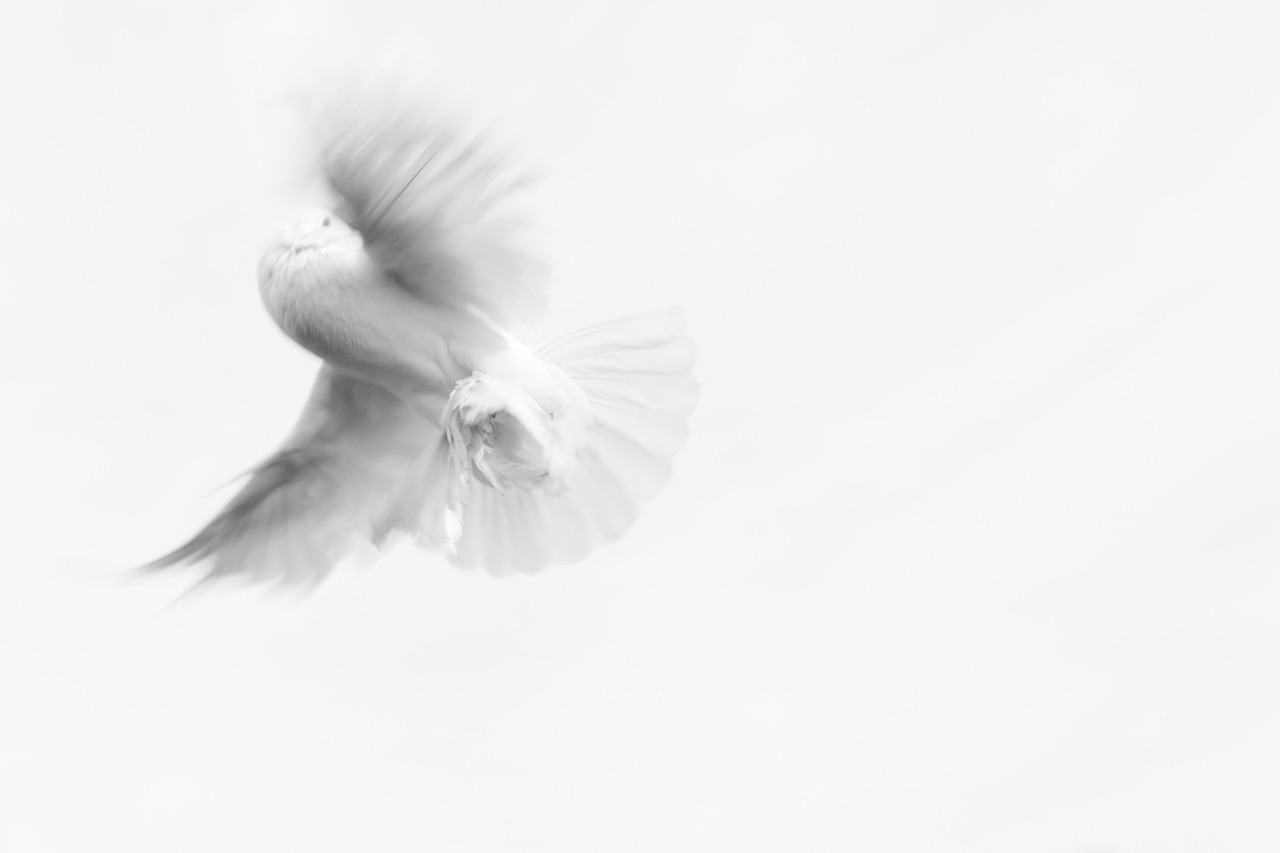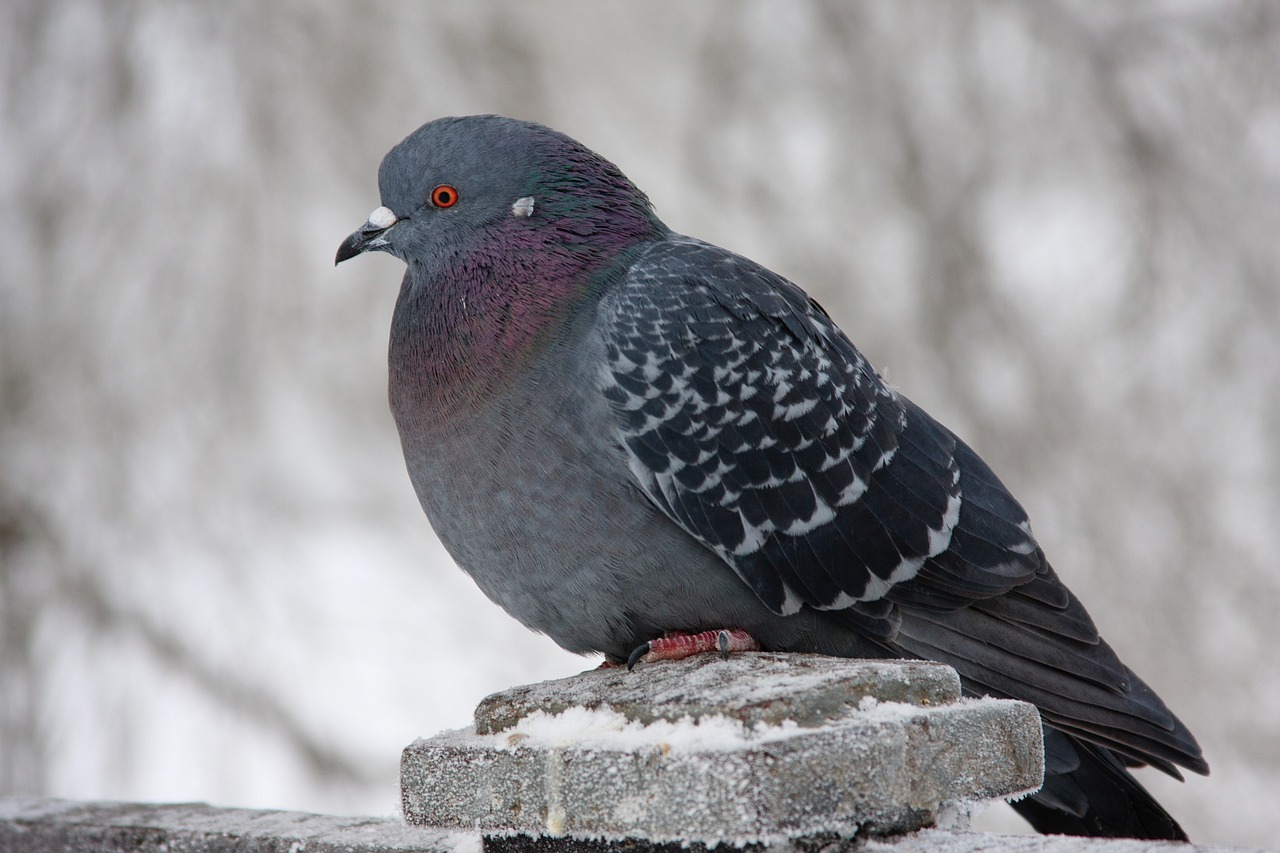
Shami pigeons, known for their elegance and rich history, are a prized breed among enthusiasts in the Arab world. This comprehensive guide delves into their vibrant colors, detailed specifications, and current market prices, offering valuable insights for both beginners and seasoned breeders. Understanding these aspects can enhance your appreciation and care for these magnificent birds.
Introduction to Shami Pigeons
Shami pigeons, or حمام شامي, have a storied heritage rooted in the Middle East, particularly Syria, where they are celebrated for their beauty and resilience. These birds are not just pets; they symbolize cultural pride and are often featured in competitions and exhibitions. Their popularity stems from their adaptability and the joy they bring to pigeon fanciers worldwide.
Historical Background
The origins of Shami pigeons trace back centuries, with historical records indicating their development in the Levant region. They were bred for their distinctive features and have evolved through selective breeding practices. Over time, these pigeons have become synonymous with Arab avian culture, often associated with nobility and tradition. Their enduring appeal lies in their ability to thrive in various environments, making them a favorite among breeders.
In modern times, Shami pigeons continue to be a symbol of heritage, with enthusiasts preserving their lineage through careful breeding. The breed's history is rich with anecdotes of royal collections and community events, highlighting their social significance. Understanding this background helps appreciate why they remain so cherished today.
Cultural Significance
In Arab cultures, Shami pigeons hold a special place, often featured in folklore, art, and social gatherings. They are seen as emblems of peace and beauty, with their presence adding elegance to any setting. Many families pass down knowledge of breeding and caring for these birds through generations, fostering a sense of continuity and pride.
Their role extends beyond aesthetics; Shami pigeons are integral to community events like pigeon races and shows, where they showcase their agility and grace. This cultural embeddedness makes them more than just birds—they are a living tradition that connects people to their roots and each other.
Colors and Varieties of Shami Pigeons
The diversity in Shami pigeon colors is one of their most captivating features, ranging from solid hues to intricate patterns. Breeders often select for specific color traits to enhance visual appeal and maintain breed standards. This variety not only adds to their beauty but also influences their value in the market.
Common Color Patterns
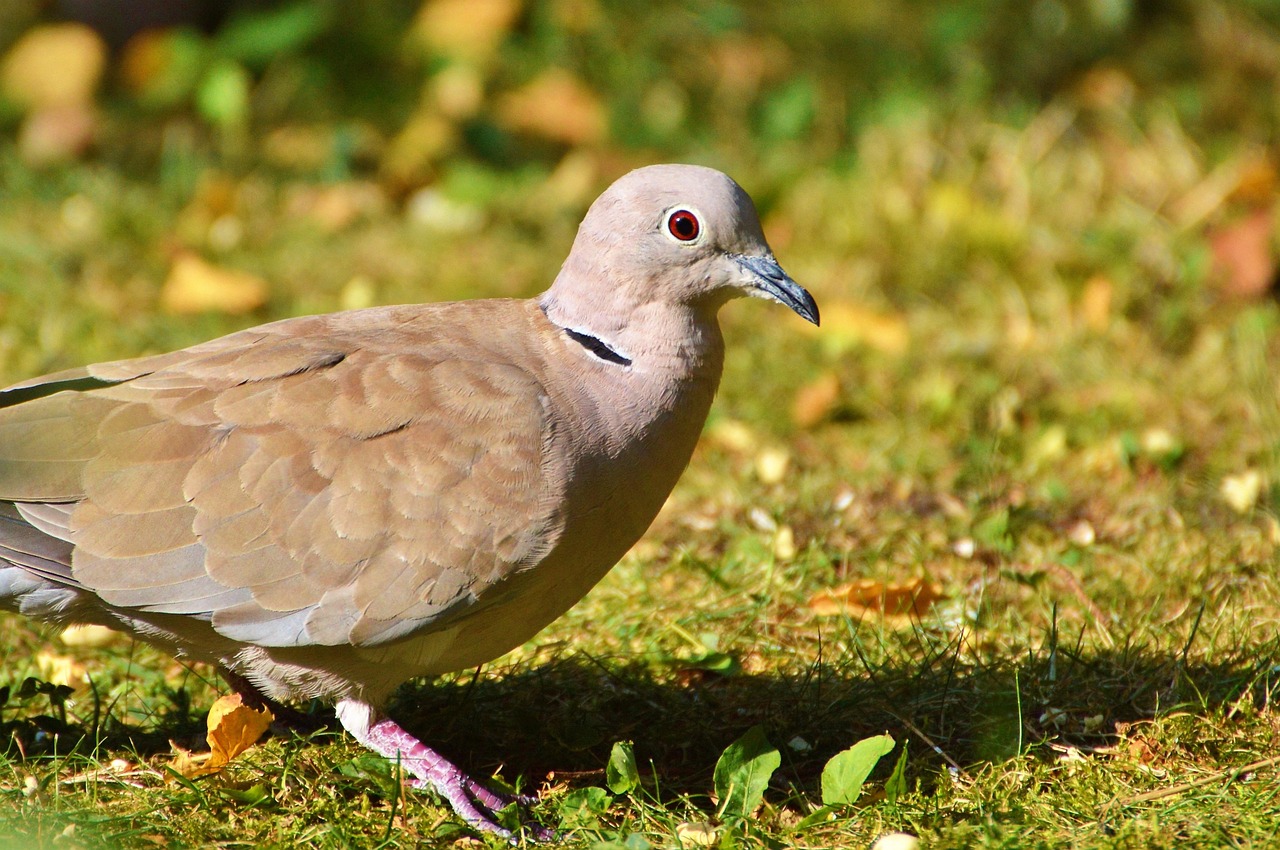
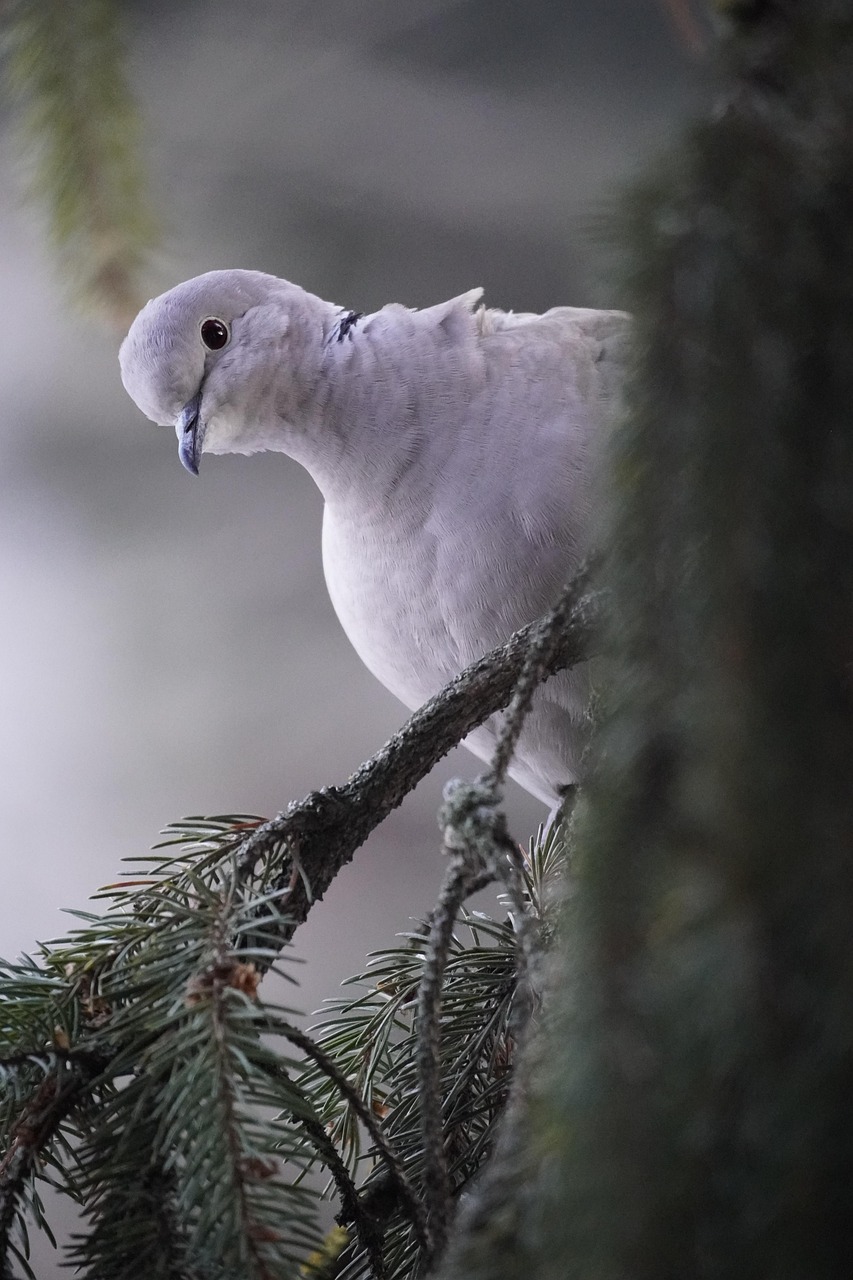
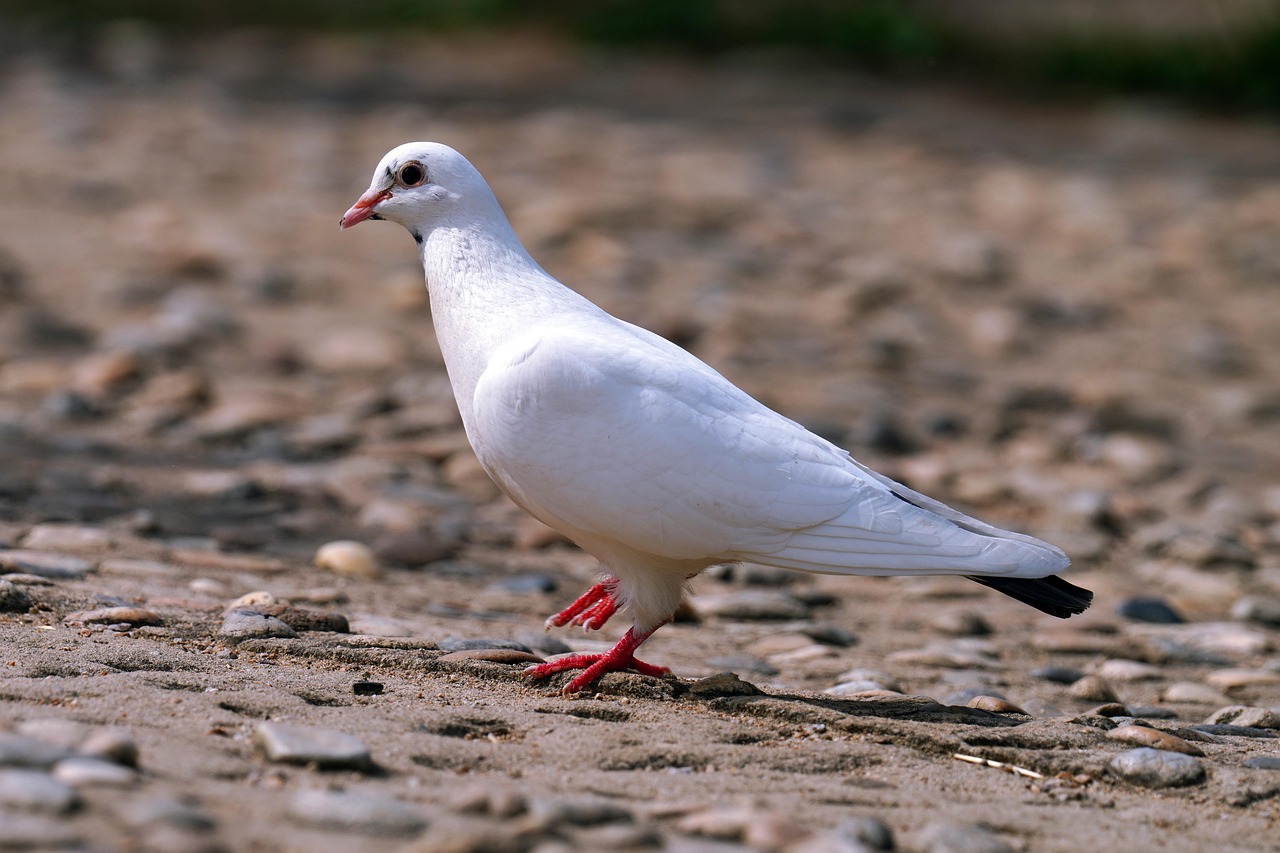
Shami pigeons exhibit a wide array of colors, including pure white, deep black, rich reds, and striking blues. Patterns can vary from uniform shades to mottled or pied combinations, with some birds displaying iridescent feathers that shimmer in sunlight. These variations are the result of genetic factors and selective breeding, making each pigeon unique.
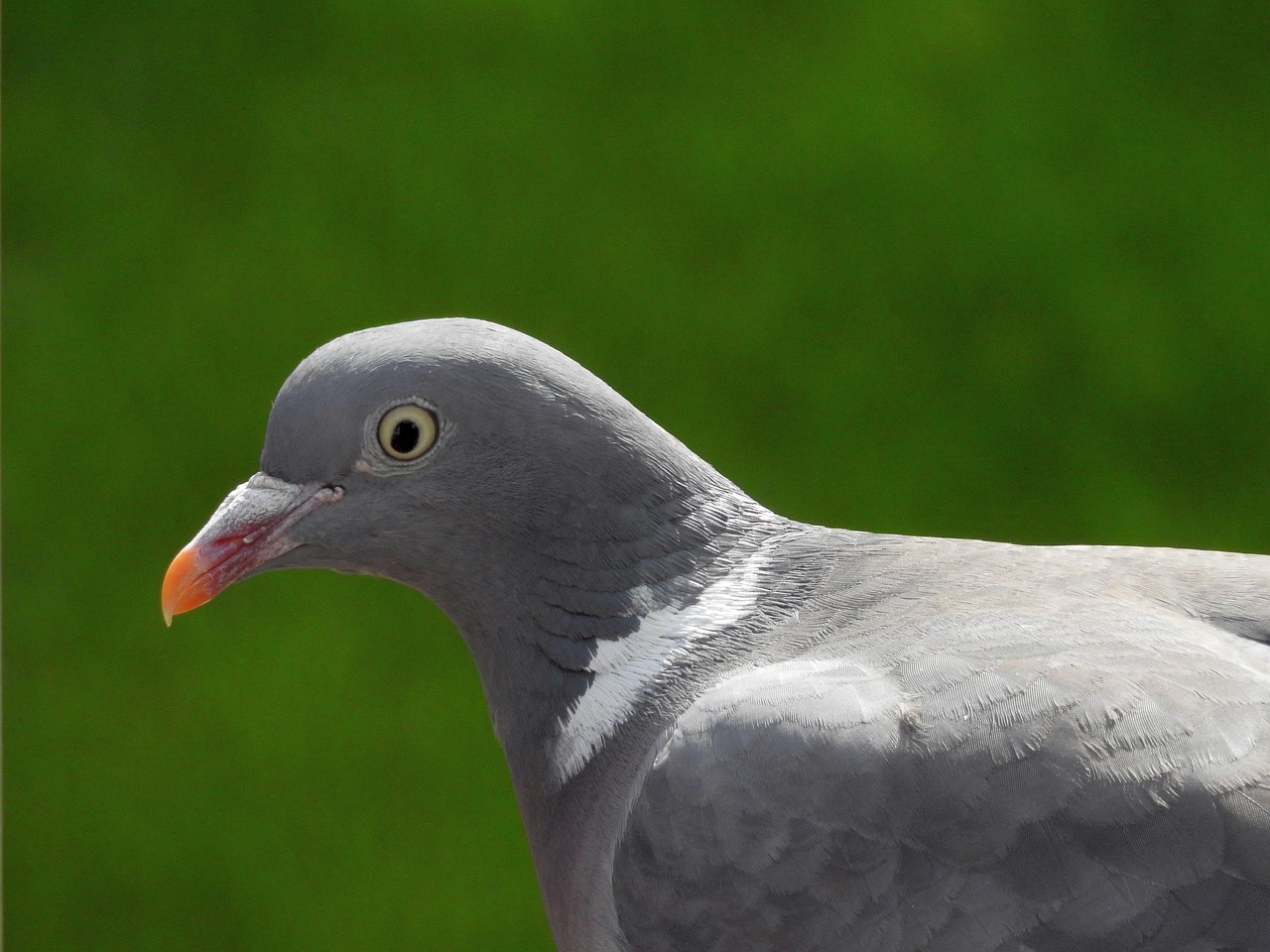
Popular color types include the ash-colored Shami, known for its subtle gray tones, and the golden variety, which boasts a warm, metallic sheen. Enthusiasts often document these patterns to track lineage and improve breeding outcomes. The appeal of these colors lies in their ability to evoke emotions and stand out in collections.
Rare and Desirable Colors
Certain color mutations in Shami pigeons are highly sought after due to their rarity and aesthetic appeal. For instance, the lavender Shami, with its soft purple hues, is a collector's favorite, often commanding higher prices. Other rare variants include the silver-laced and copper-toned pigeons, which are the result of specific genetic crosses.
Breeders invest significant effort in cultivating these rare colors, as they can elevate the status of a flock and increase its market value. However, maintaining these traits requires expertise in genetics and careful pairing to avoid dilution. The pursuit of rare colors adds an exciting dimension to pigeon breeding, driving innovation and passion among enthusiasts.
Specifications and Physical Characteristics
Shami pigeons are defined by their robust build and distinctive physical traits, which contribute to their overall charm and functionality. Key specifications include size, weight, and feather quality, all of which are crucial for identifying purebred specimens. Understanding these characteristics helps in proper care and breeding.
Size and Weight Standards
Typically, Shami pigeons measure between 30 to 35 centimeters in length, with a wingspan that can reach up to 60 centimeters. Their weight ranges from 400 to 600 grams, depending on factors like diet and genetics. A well-proportioned body with a broad chest and strong legs is ideal, indicating good health and breeding quality.
These size standards are important for competitions, where judges assess pigeons based on symmetry and adherence to breed norms. Overweight or undersized birds may face health issues or reduced performance in flights. Regular monitoring and a balanced diet are essential to maintain these specifications.
Feather and Beak Details
The feathers of Shami pigeons are dense and smooth, providing insulation and aiding in flight. They have a distinctive beak that is short and stout, often in hues matching their plumage, such as black or horn-colored. Eye color varies, with common shades including orange, pearl, or bull-eyed patterns, adding to their expressive appearance.
Proper feather care involves regular grooming and protection from parasites to prevent damage. The beak's condition is vital for feeding and social interactions, so ensuring it remains intact and healthy is a priority for breeders. These physical traits not only define the breed but also influence their behavior and longevity.
Behavior and Temperament
Shami pigeons are known for their calm and friendly demeanor, making them excellent companions for breeders. Their behavior includes social interactions, mating rituals, and flight patterns, all of which are fascinating to observe. A deep understanding of their temperament aids in creating a harmonious environment.
Social Interactions
These pigeons are highly social, often forming strong bonds with their flock mates and human caregivers. They communicate through cooing and body language, such as head bobbing and preening, which can indicate contentment or stress. In group settings, they establish hierarchies, with dominant birds leading during feeding and roosting.
Encouraging positive social behavior involves providing ample space and enrichment activities. Isolation can lead to anxiety, so it's best to keep them in pairs or small groups. Observing these interactions can reveal insights into their health and well-being, making social dynamics a key aspect of care.
Mating and Breeding Habits
Shami pigeons are monogamous, often pairing for life, and their mating rituals include elaborate dances and vocalizations. Breeding season typically peaks in spring, when they build nests and lay one to two eggs per clutch. The incubation period lasts about 18 days, with both parents sharing duties.
Successful breeding requires a stress-free environment and proper nutrition to ensure healthy offspring. Breeders should monitor for signs of infertility or aggression during this time. Understanding these habits helps in managing populations and preserving genetic diversity, which is essential for the breed's sustainability.
Care and Maintenance
Proper care is essential for keeping Shami pigeons healthy and thriving, covering aspects like housing, diet, and health management. A well-maintained flock not only looks better but also performs optimally in various activities. This section provides actionable tips for everyday upkeep.
Housing and Environment
Ideal housing for Shami pigeons includes spacious lofts with good ventilation, protection from predators, and access to natural light. The loft should be cleaned regularly to prevent diseases, with perches and nesting boxes provided for comfort. Temperature control is crucial, as extreme heat or cold can affect their health.
Environmental enrichment, such as toys or flying areas, promotes physical activity and mental stimulation. A safe, secure space reduces stress and encourages natural behaviors. Investing in quality housing pays off in the long run, leading to happier and more productive birds.
Diet and Nutrition
A balanced diet for Shami pigeons consists of grains, seeds, legumes, and occasional supplements like grit for digestion. Common feed includes corn, wheat, and peas, providing essential nutrients for energy and feather health. Fresh water should always be available, and overfeeding must be avoided to prevent obesity.
Nutritional needs vary with age and activity level; for example, breeding pairs may require extra protein. Monitoring food intake helps prevent deficiencies and supports overall vitality. A proper diet is the foundation of good health, ensuring that your pigeons remain active and vibrant.
Health and Common Issues
Shami pigeons are generally hardy but can be prone to ailments like respiratory infections, parasites, and injuries. Regular health checks should include looking for signs of illness, such as lethargy or abnormal droppings. Vaccinations and deworming are recommended preventive measures.
Common issues include feather mites and canker, which can be treated with appropriate medications. Early detection and veterinary care are key to managing health problems. Maintaining a clean environment and a stress-free routine minimizes risks, keeping your flock in top condition.
Pricing and Market Insights
The prices of Shami pigeons, or أسعار الحمام الشامي, vary widely based on factors like color, age, and breeding quality. Understanding market trends helps buyers make informed decisions and avoid overpaying. This section explores the cost elements and purchasing tips.
Factors Influencing Prices
Key factors affecting أسعار الحمام الشامي include rarity of color, pedigree, and overall health. Rare-colored pigeons or those from champion bloodlines can cost significantly more, sometimes reaching hundreds of dollars. Age also plays a role, with younger birds often priced higher due to their potential for breeding.
Market demand fluctuates with seasons and events, such as exhibitions, where prices may spike. Economic conditions and regional availability also influence costs. By considering these factors, buyers can assess value and negotiate better deals, ensuring they get quality birds for their investment.
Where to Buy and What to Look For
Shami pigeons can be purchased from breeders, online platforms, or pigeon shows. It's important to buy from reputable sources to avoid scams or unhealthy birds. Look for active, alert pigeons with clear eyes, clean feathers, and no signs of illness.
When evaluating options, ask for health records and breeding history to verify quality. Visiting the seller's facility can provide insights into their care standards. Making an informed purchase not only secures a good deal but also supports ethical breeding practices.
Conclusion
In summary, Shami pigeons offer a blend of beauty, history, and companionship that appeals to enthusiasts worldwide. From their diverse colors and precise specifications to their friendly behavior and care needs, these birds are a rewarding addition to any flock. By focusing on proper maintenance and understanding market dynamics, you can enjoy the full benefits of raising حمام شامي. For expert guidance on managing your pigeons, consider reaching out to Ghawy – Pigeon Manager (غاوي – إدارة الحمام), where dedicated support can help you achieve success in your avian endeavors.