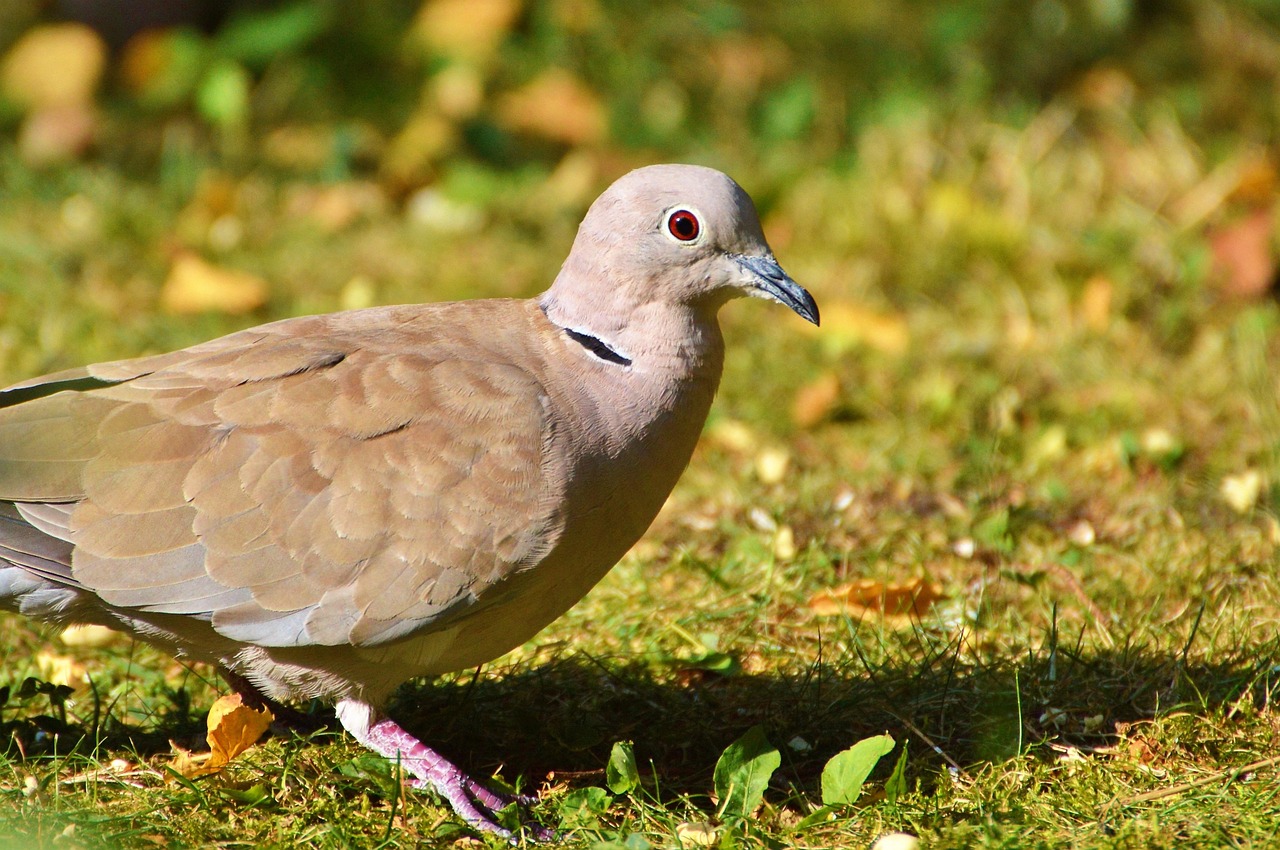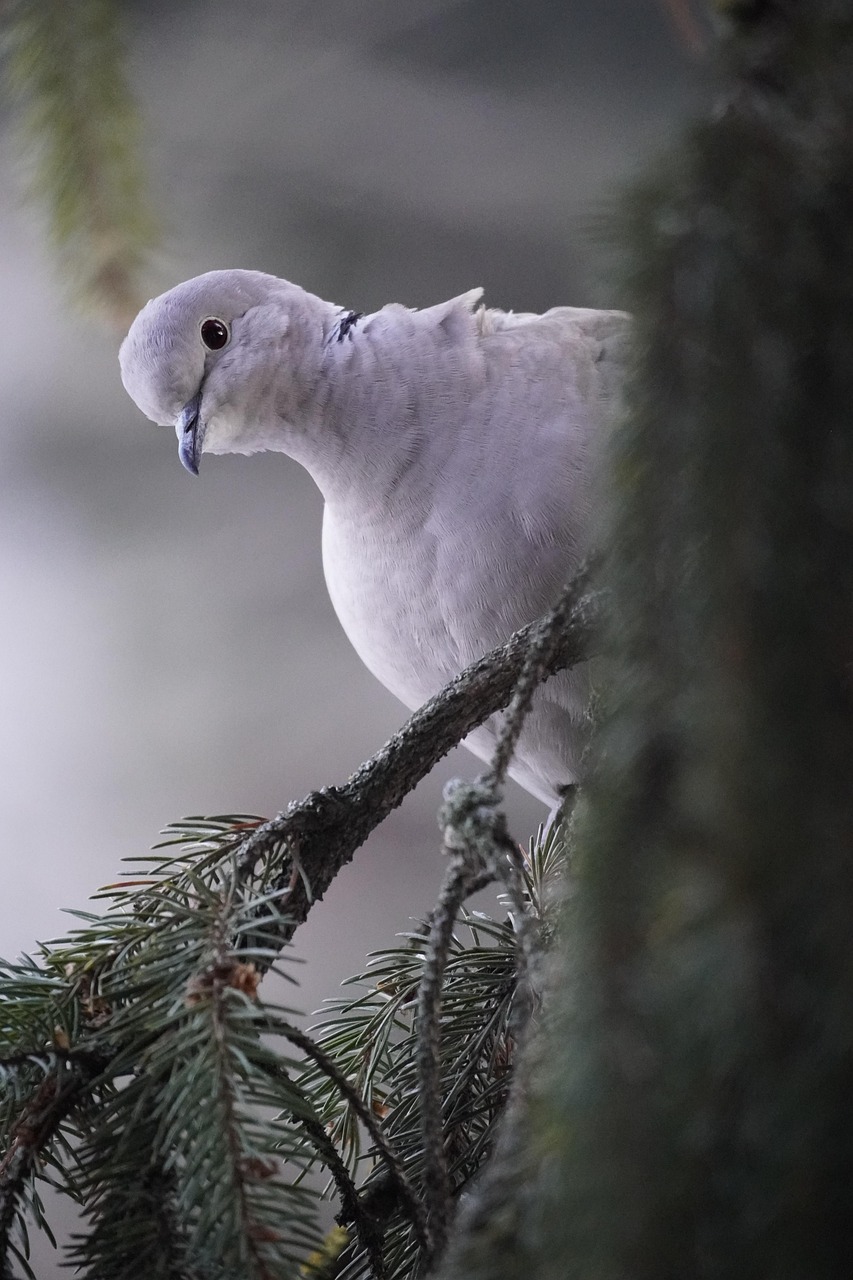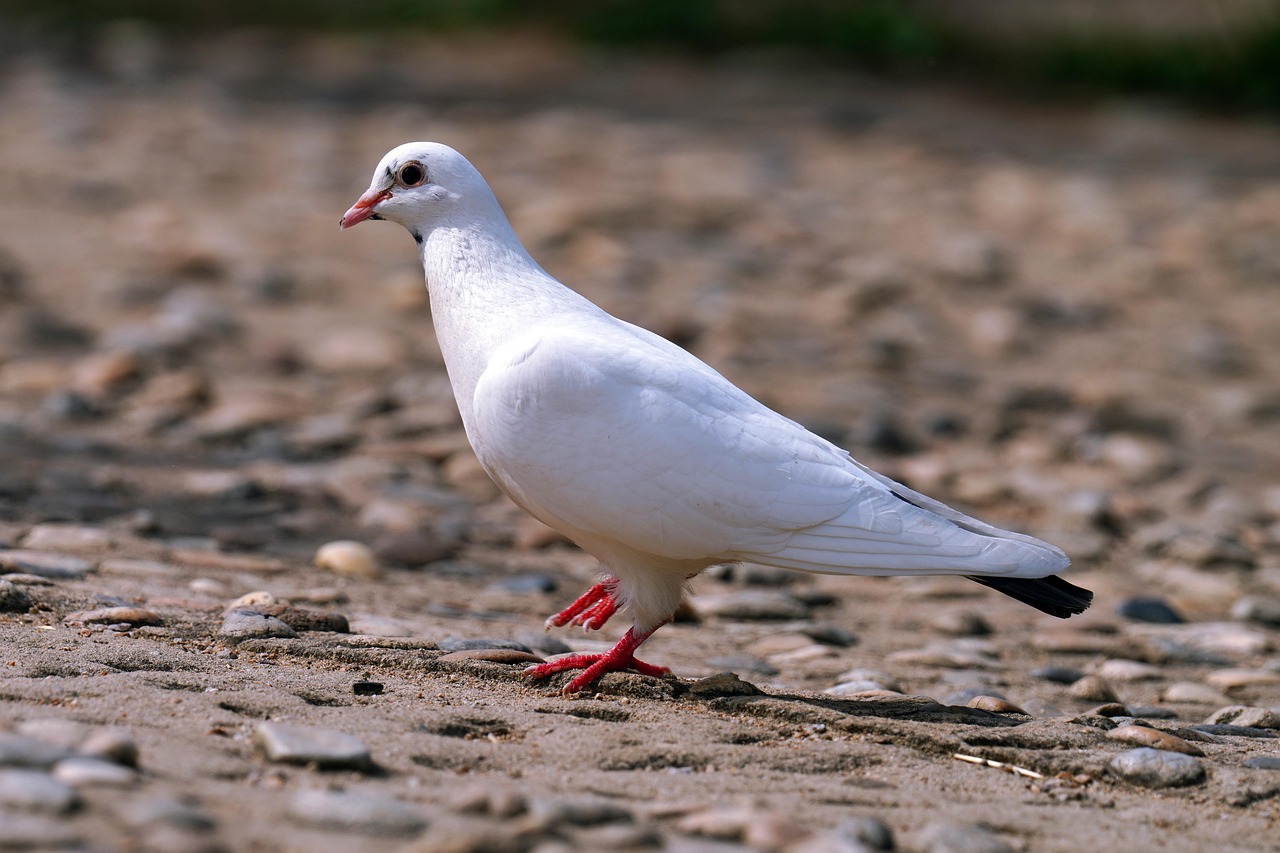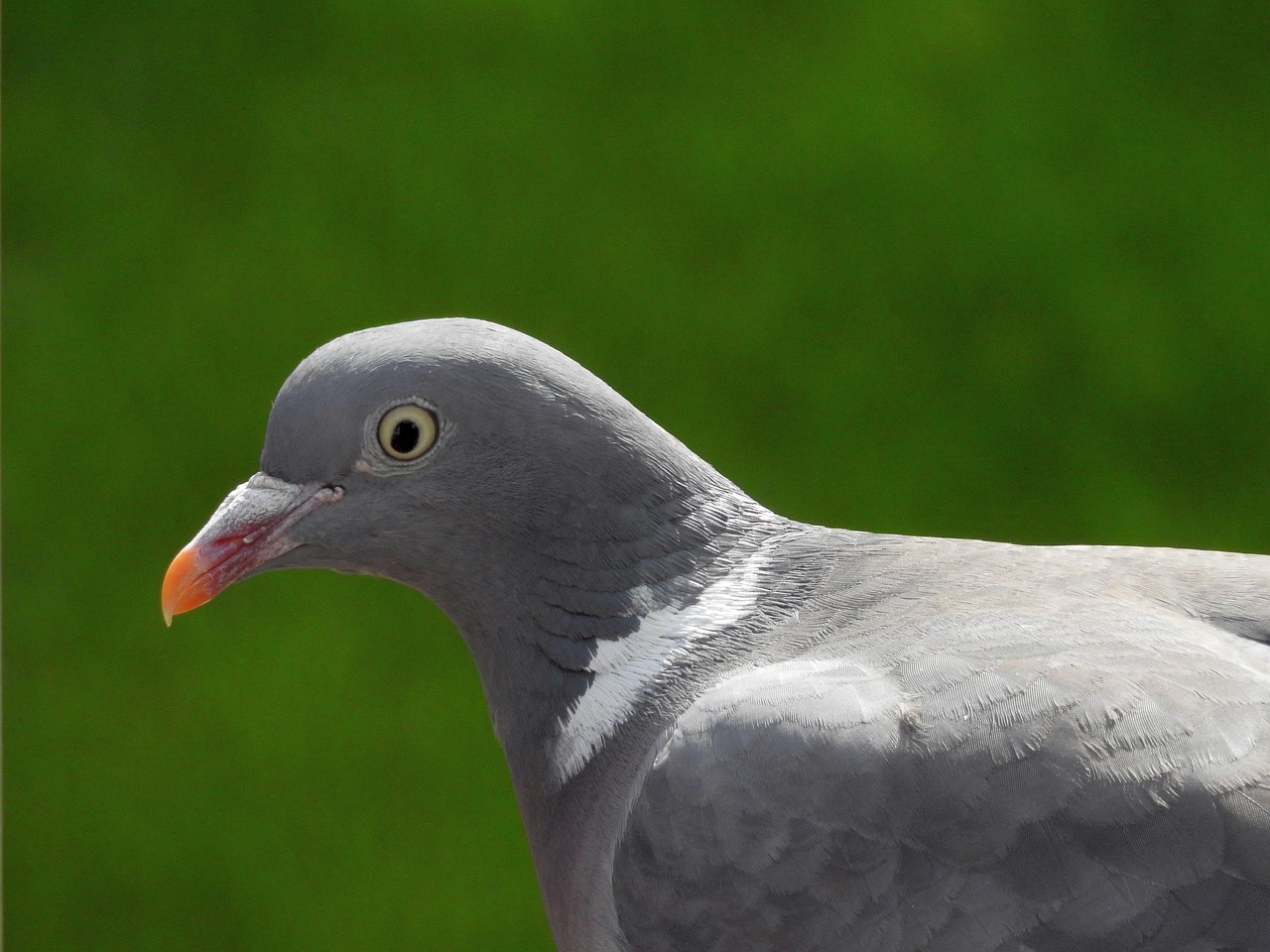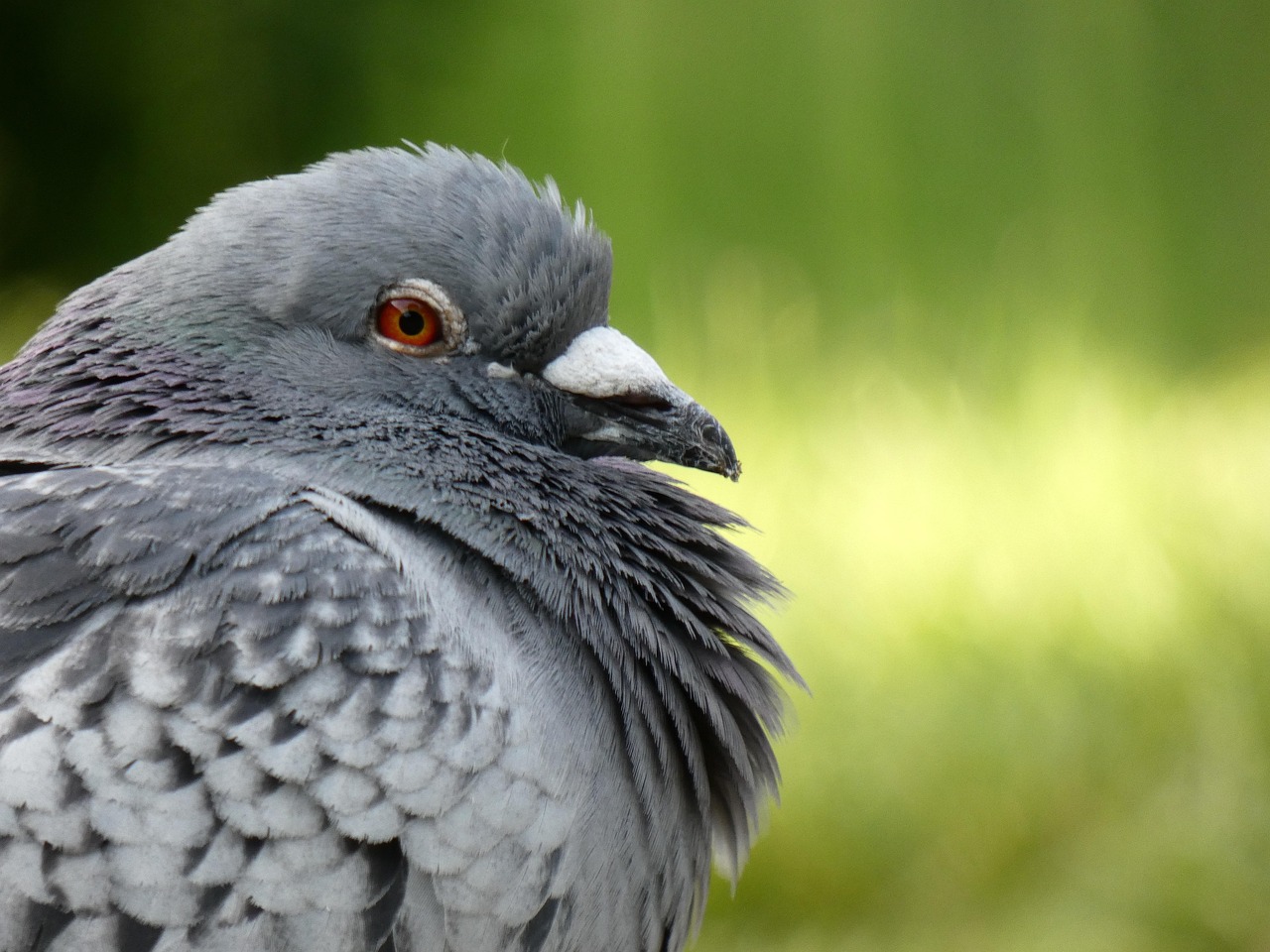
The King pigeon, known as 'حمام كنجي' in Arabic, has become a highly sought-after breed in the Gulf market, captivating enthusiasts with its unique characteristics and cultural significance. This article delves into the specifications that make this pigeon a standout choice, exploring its origins, physical traits, and the booming demand in regions like Saudi Arabia and the UAE. By understanding these aspects, breeders and hobbyists can better appreciate why the King pigeon reigns supreme in the السوق الخليجي.
Origins and Historical Background of the King Pigeon
The King pigeon boasts a rich history that traces back to selective breeding practices aimed at enhancing its utility and beauty. Originally developed for meat production, this breed has evolved into a symbol of prestige among pigeon fanciers in the Gulf. Its journey from practical origins to a cherished ornamental bird highlights the dynamic nature of pigeon breeding in the Arab world.
Early Development and Breeding Practices
In the early stages, breeders focused on creating a pigeon that combined robustness with aesthetic appeal, leading to the King pigeon's distinctive features. Through careful selection, traits like larger body size and calm temperament were emphasized, making it ideal for both commercial and hobbyist purposes. This subsection explores the historical methods that shaped the breed, including cross-breeding with local varieties to adapt to the Gulf's climate. Over time, these efforts resulted in a pigeon that not only thrives in harsh environments but also commands high prices in markets across the Middle East.
As breeding techniques advanced, the King pigeon gained popularity for its versatility, serving roles from food source to competitive show bird. The integration of traditional knowledge with modern genetics has allowed this breed to maintain its relevance, with many breeders in the السوق الخليجي prioritizing lineage purity. Understanding this background helps explain why the King pigeon remains a top choice, embodying a blend of heritage and innovation that appeals to today's enthusiasts.
Cultural Significance in the Gulf Region
In the Gulf, pigeons like the King breed hold deep cultural roots, often associated with hospitality, status, and traditional sports such as pigeon racing. This subsection examines how the King pigeon has become intertwined with local customs, where owning high-quality birds is a mark of social standing. Events and competitions in countries like Kuwait and Qatar frequently feature this breed, drawing crowds and fostering community among breeders.
The rise in demand for the King pigeon in the السوق الخليجي can be attributed to its symbolic value, as it represents a connection to ancestral practices while adapting to contemporary trends. Breeders often share stories of how these pigeons have been passed down through generations, adding to their allure. By appreciating this cultural dimension, one can see why the حمام كنجي is not just a bird but a cherished part of Gulf heritage, driving its ongoing popularity in the region.
Physical Characteristics and Unique Traits
The King pigeon is renowned for its impressive physical attributes, which set it apart from other breeds and contribute to its high demand. This section details the key features that define this pigeon, from its size and coloration to behavioral traits that make it a favorite among Gulf breeders. Understanding these specifications is essential for anyone looking to acquire or raise King pigeons successfully.
Size, Weight, and Body Structure
One of the most notable aspects of the King pigeon is its substantial size, typically weighing between 800 grams to 1 kilogram, with a broad chest and sturdy frame that exudes strength. This subsection delves into the breed's body structure, highlighting how its large build makes it ideal for meat production while also appealing to exhibitors. The pigeon's posture is often erect and confident, with a well-proportioned head and beak that enhance its regal appearance.
In the السوق الخليجي, breeders prize these physical traits for their practicality and visual impact, as larger pigeons are often perceived as healthier and more valuable. The King pigeon's weight distribution and muscle development are results of selective breeding, ensuring it can withstand the region's hot climates. By focusing on these details, enthusiasts can identify high-quality specimens that meet the standards of the حمام كنجي breed, ultimately supporting better breeding outcomes and market success.
Color Variations and Feather Quality
King pigeons exhibit a wide range of color patterns, including solid whites, blues, and mottled combinations, each adding to their aesthetic appeal. This subsection explores the diversity in plumage, noting how certain colors are more prevalent in the Gulf due to regional preferences. The feathers are typically dense and smooth, providing insulation and contributing to the bird's overall elegance, which is a key factor in show competitions.
Feather quality is crucial for the King pigeon's health and marketability, as it affects everything from temperature regulation to resistance against pests. In the السوق الخليجي, breeders often select for vibrant, uniform colors that signify purity and good genetics. This attention to detail ensures that the حمام كنجi maintains its status as a premium breed, with buyers willing to pay premium prices for birds with exceptional feathering. By understanding these variations, one can make informed decisions when adding King pigeons to their collection.
Behavioral Traits and Temperament
Beyond physical appearance, the King pigeon's behavior plays a significant role in its popularity, particularly in the Gulf where ease of handling is valued. This section covers the breed's temperament, social habits, and adaptability, offering insights into why it is well-suited for both novice and experienced breeders. A calm and docile nature makes the King pigeon a joy to raise, fostering strong bonds with owners.
Social Behavior and Interaction with Humans
King pigeons are known for their friendly and approachable demeanor, often showing curiosity towards their caretakers and adapting quickly to human presence. This subsection discusses how this trait enhances their appeal in the السوق الخليجي, where pigeons are often kept in close quarters with families. Their ability to form attachments reduces stress during handling and training, making them ideal for educational or therapeutic purposes in addition to breeding.
In group settings, King pigeons display hierarchical behaviors but generally avoid aggression, which minimizes conflicts in aviaries. Breeders appreciate this social harmony, as it leads to healthier flocks and higher productivity. By observing these interactions, one can see why the حمام كنجي is favored for its manageable personality, contributing to its steady demand in markets across the Gulf. Emphasizing these behavioral aspects helps potential owners understand the breed's suitability for various environments.
Adaptability to Gulf Climates and Environments
The King pigeon's ability to thrive in the hot, arid conditions of the Gulf is a testament to its resilience, developed through generations of acclimatization. This subsection examines the breed's physiological adaptations, such as efficient water retention and heat tolerance, which allow it to flourish in regions like the UAE and Oman. Breeders often note that King pigeons require minimal special care compared to other breeds, reducing maintenance costs and efforts.
In the السوق الخليجي, this adaptability is a major selling point, as it ensures higher survival rates and better overall health. The pigeon's behavior in extreme weather—such as seeking shade and reducing activity during peak heat—demonstrates its intelligence and suitability for local conditions. By highlighting these traits, this content underscores why the حمام كنجي is a reliable choice for Gulf-based enthusiasts, supporting sustainable breeding practices and long-term success.
Breeding and Rearing Practices for Optimal Results
Successful breeding of King pigeons requires knowledge of best practices, from selecting pairs to managing offspring, ensuring healthy and profitable outcomes. This section provides actionable advice for breeders in the Gulf, focusing on techniques that enhance the breed's qualities and meet market demands. By following these guidelines, one can maximize the potential of their حمام كنجي flock.
Selection of Breeding Pairs and Genetic Considerations
Choosing the right breeding pairs is crucial for maintaining the King pigeon's desirable traits, such as size, color, and temperament. This subsection outlines criteria for selection, including health screenings, lineage verification, and compatibility assessments to avoid inbreeding. In the السوق الخليجي, breeders often prioritize birds with proven track records in shows or high productivity, as this increases the value of offspring.
Genetic diversity is essential for preventing common issues like susceptibility to diseases or reduced fertility, which can impact long-term sustainability. By implementing careful pairing strategies, breeders can produce robust King pigeons that excel in both appearance and functionality. This approach not only supports the breed's integrity but also boosts its appeal in competitive markets, making it a wise investment for those involved in the حمام كنجي trade.
Nesting, Incubation, and Chick Rearing Techniques
Proper nesting and incubation are vital for the successful hatching and growth of King pigeon chicks, requiring attention to detail in environment setup and parental care. This subsection covers best practices, such as providing secure nesting boxes, maintaining optimal temperatures, and ensuring adequate nutrition for breeding pairs. In the Gulf, where temperatures can fluctuate, using insulated materials helps protect eggs and young birds from extreme conditions.
Once chicks hatch, rearing involves monitoring their development, offering balanced diets, and socializing them early to foster tame behavior. Breeders in the السوق الخليجي often use techniques like hand-feeding to strengthen bonds and improve survival rates. By mastering these aspects, one can achieve higher yields of healthy King pigeons, meeting the growing demand for this breed. This hands-on approach not only enhances productivity but also deepens the breeder's connection to their حمام كنجي flock.
Market Dynamics and Economic Impact in the Gulf
The demand for King pigeons in the Gulf has created a vibrant market with significant economic implications, influencing prices, trends, and breeding investments. This section analyzes the factors driving this demand, from cultural events to commercial opportunities, providing a comprehensive view of the السوق الخليجي. Understanding these dynamics helps breeders and buyers navigate the market effectively.
Pricing Trends and Factors Influencing Value
In the Gulf, King pigeon prices can vary widely based on factors like age, color, lineage, and overall health, with premium specimens fetching high sums in auctions and private sales. This subsection explores how market trends are shaped by supply and demand, noting that rare color mutations or award-winning birds often command the highest prices. Economic factors, such as disposable income levels in countries like Saudi Arabia, also play a role in driving up demand.
Breeders can capitalize on these trends by focusing on quality over quantity, ensuring their حمام كنجي meet the standards valued in the السوق الخليجي. By staying informed about pricing fluctuations, one can make strategic decisions on when to buy or sell, maximizing returns on investment. This economic insight is crucial for anyone involved in the pigeon trade, as it highlights the profitability potential of well-bred King pigeons.
Role in Local Economies and Community Engagement
The King pigeon market contributes to local economies in the Gulf through job creation, event hosting, and the sale of related products like feed and housing. This subsection discusses how pigeon breeding fosters community engagement, with clubs and competitions bringing people together and promoting cultural exchange. In regions like Qatar, these activities support small businesses and encourage youth participation in traditional hobbies.
By participating in the السوق الخليجي, breeders not only benefit financially but also help preserve cultural heritage associated with the حمام كنجي. The social aspects of pigeon keeping, such as networking and knowledge sharing, add value beyond mere economics. Emphasizing this broader impact shows why the King pigeon is more than a commodity—it's a catalyst for community growth and sustainability in the Gulf.
Health and Maintenance for Long-Term Success
Maintaining the health of King pigeons is essential for their longevity and performance, requiring proactive care and disease prevention strategies. This section covers common health issues, dietary needs, and housing requirements tailored to the Gulf environment, offering practical tips for breeders. By prioritizing wellness, one can ensure their حمام كنجي thrive in the السوق الخليجي.
Common Diseases and Preventive Measures
King pigeons are susceptible to various ailments, such as respiratory infections and parasites, which can be mitigated through regular health checks and clean living conditions. This subsection details preventive measures, including vaccination schedules, quarantine protocols for new birds, and the use of natural remedies popular in the Gulf. Early detection of symptoms like lethargy or loss of appetite is key to effective treatment.
In the السوق الخليجي, healthy pigeons are more likely to attract buyers and achieve higher prices, making disease prevention a smart economic strategy. Breeders should educate themselves on local veterinary resources and best practices to minimize risks. By implementing these measures, one can protect their investment in the حمام كنجي breed, ensuring a thriving flock that meets market expectations.
Diet, Nutrition, and Housing Best Practices
A balanced diet is crucial for King pigeons, consisting of grains, seeds, and supplements to support their energy needs and feather quality. This subsection provides guidelines on feeding schedules and nutrient requirements, emphasizing the importance of fresh water and variety in their diet. In the Gulf's hot climate, ensuring access to shade and ventilation in housing prevents heat stress and promotes overall well-being.
Housing should include spacious lofts with perches and nesting areas, designed to mimic natural environments while protecting against predators and extreme weather. Breeders in the السوق الخليجي often use materials that reflect heat, such as light-colored roofs, to maintain comfortable temperatures. By adhering to these best practices, one can enhance the health and productivity of their حمام كنجي, leading to better outcomes in breeding and sales. This holistic approach to care underscores the breed's suitability for Gulf conditions.
Conclusion
In summary, the King pigeon, or حمام كنجي, stands out in the السوق الخليجي for its impressive physical traits, adaptable behavior, and cultural significance, making it a top choice for breeders and enthusiasts. By focusing on proper breeding, health maintenance, and market awareness, one can fully leverage the potential of this breed. For those looking to deepen their involvement, consider consulting resources like Ghawy – Pigeon Manager (غاوي – إدارة الحمام) for expert guidance and support in managing your pigeon endeavors.