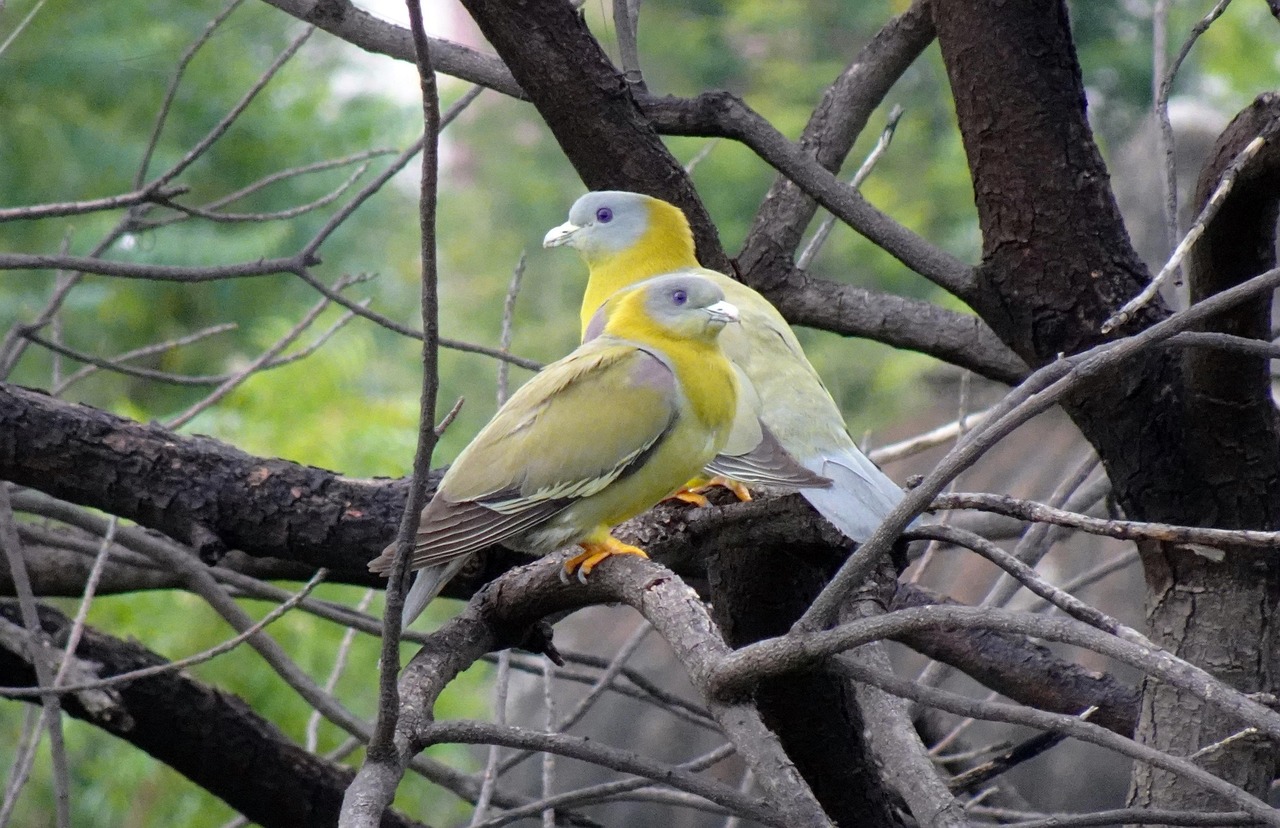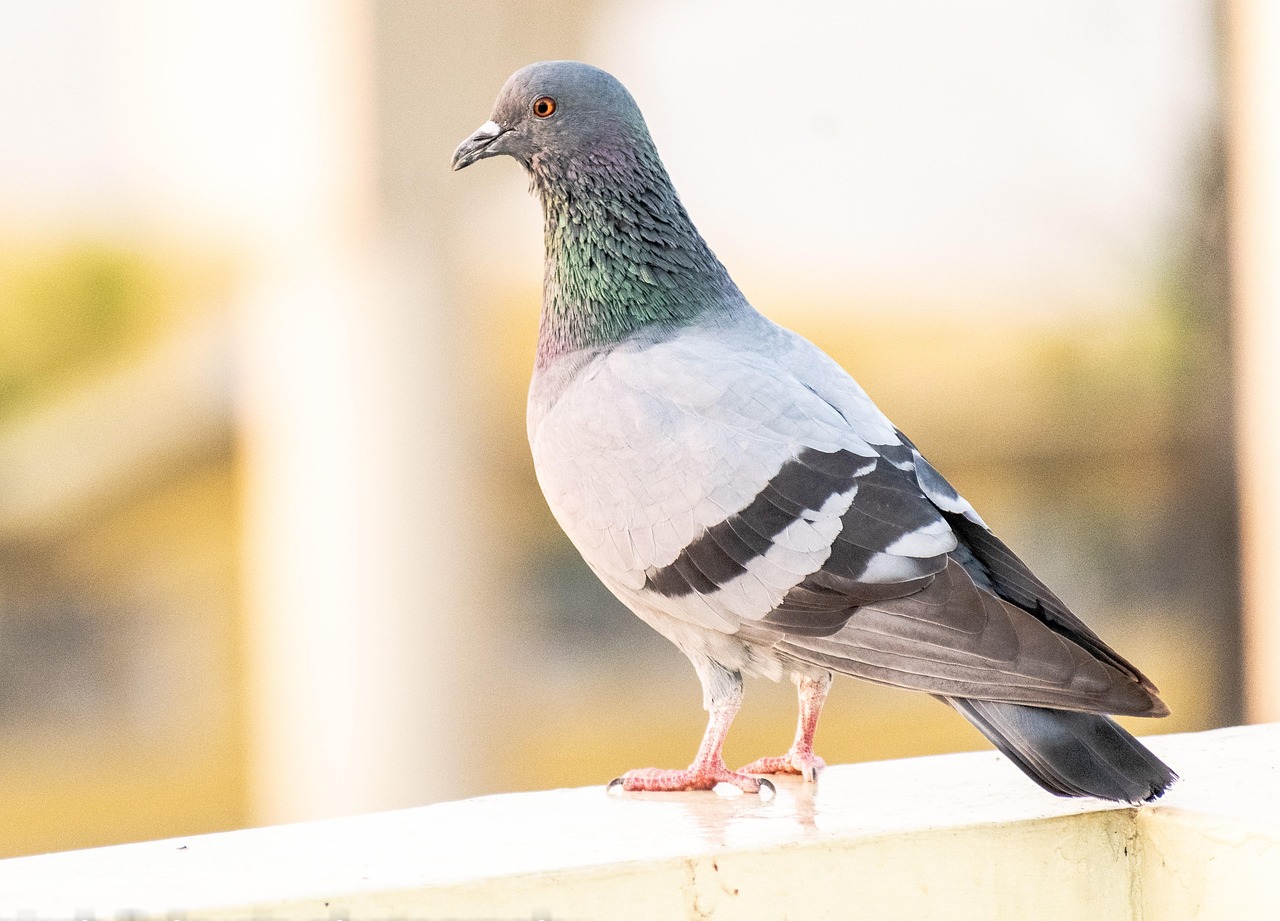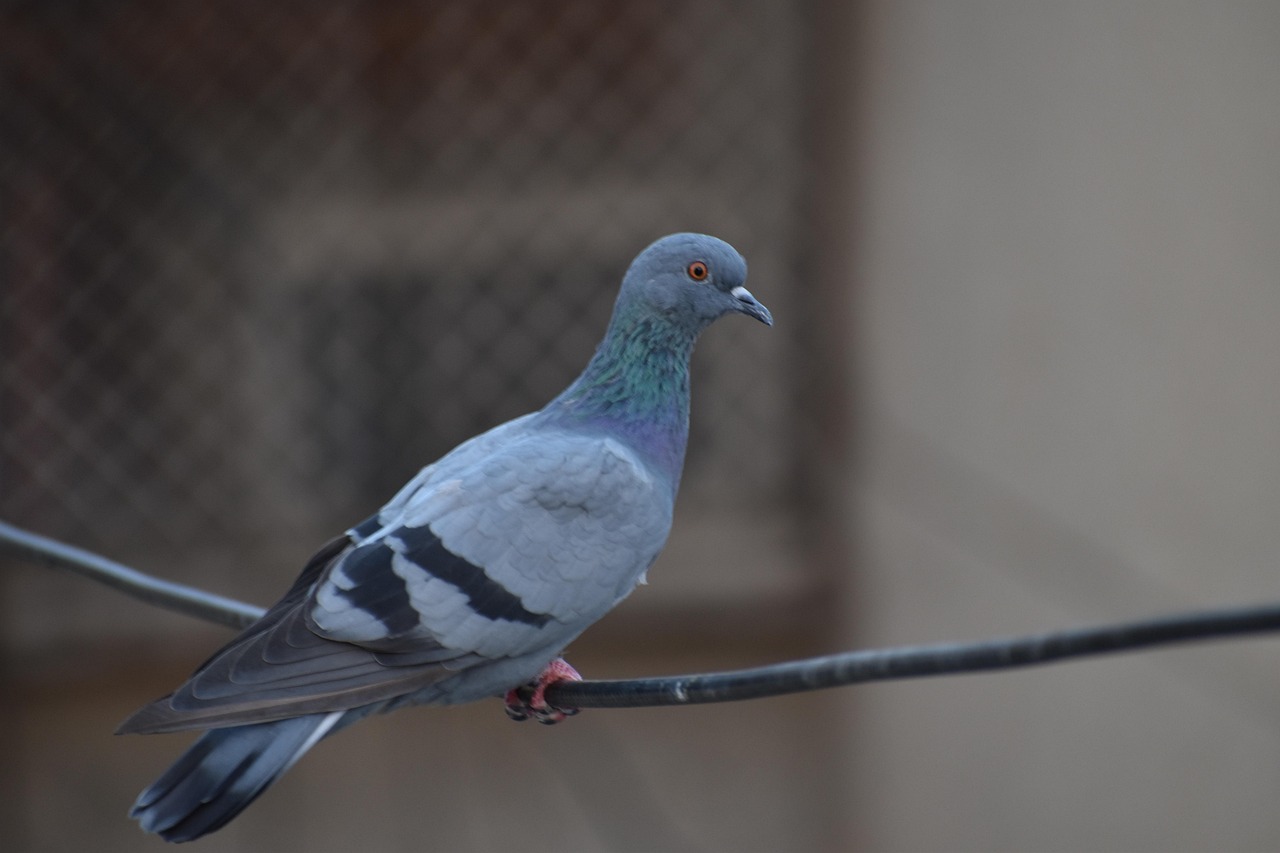
Keeping your pigeons healthy starts with a solid prevention protocol that focuses on loft sanitation and proactive care. In this article, we'll explore the best strategies to ward off common diseases, ensuring your flock thrives in a clean, safe environment. By integrating key practices, you can minimize risks and promote long-term vitality for your birds.
Understanding Common Pigeon Diseases and Their Risks
Pigeons are susceptible to various illnesses that can spread rapidly in crowded or unsanitary lofts. Diseases like canker, respiratory infections, and parasites often stem from poor hygiene and stress factors. Recognizing these threats early allows for timely intervention, reducing the impact on your flock's health and performance.
Identifying High-Risk Diseases
Common pigeon diseases include canker, caused by Trichomonas parasites, which leads to lesions in the mouth and throat, and respiratory issues like ornithosis, triggered by bacteria that thrive in damp conditions. External parasites such as mites and lice can also weaken birds by causing irritation and anemia. Early symptoms to watch for include lethargy, weight loss, and changes in droppings, signaling the need for immediate action to prevent outbreaks.
Risk factors like overcrowding, poor ventilation, and contaminated water sources exacerbate disease spread. For instance, in lofts with inadequate space, stress levels rise, making pigeons more vulnerable to infections. Regular monitoring and swift isolation of sick birds are crucial steps in pigeon diseases prevention, helping to contain problems before they escalate and affect the entire colony.
Impact of Disease on Pigeon Health
When diseases take hold, they can lead to decreased egg production, poor growth in young birds, and even mortality, undermining breeding and racing efforts. Chronic issues like respiratory diseases may cause long-term damage to the lungs, reducing a pigeon's stamina and overall lifespan. This not only affects individual birds but can also harm the loft's reputation and value.
Preventing these outcomes requires a holistic approach that emphasizes loft sanitation and balanced nutrition. By maintaining a clean environment, you reduce pathogen loads and support immune function. Investing in prevention saves time and resources compared to treating advanced illnesses, making it a cornerstone of sustainable pigeon keeping.
Essential Loft Sanitation Practices for Disease Prevention
Loft sanitation is the foundation of pigeon diseases prevention, as a clean space disrupts the life cycles of pathogens and parasites. This involves regular cleaning routines, proper waste management, and the use of safe disinfectants to maintain a hygienic habitat. A well-sanitized loft not only prevents disease but also promotes better air quality and bird comfort.
Daily and Weekly Cleaning Routines
Start with daily tasks like removing droppings, uneaten food, and soiled bedding to prevent ammonia buildup and bacterial growth. Use tools like scrapers and brushes designed for easy cleaning, and dispose of waste in sealed bags to avoid contamination. For weekly deep cleans, scrub surfaces with bird-safe disinfectants, focusing on feeders, waterers, and perches where germs accumulate.
Incorporate loft sanitation into a schedule that includes rotating bedding materials and inspecting for mold or damp spots. This consistency reduces the risk of disease outbreaks by keeping the environment dry and orderly. Remember, a little effort each day goes a long way in safeguarding your pigeons from common health threats.
Choosing the Right Sanitation Products
Select disinfectants that are effective against a broad spectrum of pathogens yet safe for pigeons, such as diluted vinegar or commercial avian-safe solutions. Avoid harsh chemicals like bleach in high concentrations, as they can irritate respiratory systems. Always rinse surfaces thoroughly after application to remove any residue that might harm your birds.
- Use natural options like diatomaceous earth for parasite control
- Opt for non-toxic cleaners to protect pigeon health
- Store sanitation supplies in a dry, accessible area
Regularly test products on small areas first to ensure compatibility with your loft materials. By prioritizing safe, effective loft sanitation, you create a barrier against diseases while supporting overall flock well-being.
Proactive Health Monitoring and Early Intervention
Staying ahead of potential health issues involves regular checks and quick responses to signs of illness. This proactive approach complements loft sanitation by catching problems early, when they are easier to manage. Educate yourself on normal pigeon behavior and physiology to spot deviations that could indicate disease.
Routine Health Assessments
Conduct weekly inspections of each pigeon, looking for changes in weight, feather condition, and activity levels. Use a journal to track observations, noting any abnormalities like sneezing, discharge, or lethargy. This habit helps in early detection of issues like respiratory infections or parasitic infestations, allowing for prompt treatment.
Involve tools like magnifying glasses for close exams of skin and feathers, and consider periodic vet check-ups for professional insights. By making health monitoring a routine part of pigeon diseases prevention, you build a resilient flock that can withstand common challenges.
Implementing Quarantine Protocols
When introducing new birds or dealing with sick individuals, quarantine them in a separate, sanitized area for at least two weeks. This prevents the spread of diseases to the main loft and gives you time to observe for symptoms. Ensure the quarantine space has its own feeders and waterers to avoid cross-contamination.
During quarantine, perform health checks and treat any issues before integration. This step is critical in loft sanitation strategies, as it acts as a firewall against outbreaks. By adhering to strict protocols, you protect your entire flock and maintain a disease-free environment.
Nutrition and Environmental Factors in Disease Prevention
A balanced diet and optimal living conditions play key roles in strengthening pigeons' immune systems against diseases. Proper nutrition provides essential vitamins and minerals, while a well-designed loft supports physical and mental health. Combining these elements with loft sanitation creates a comprehensive prevention plan.
Optimal Diet for Immune Support
Feed a variety of grains, seeds, and supplements to meet nutritional needs, focusing on proteins for growth and antioxidants for immunity. Include fresh greens and grit for digestion, and avoid moldy or stale food that can introduce toxins. Hydration is equally important; provide clean, fresh water daily to prevent dehydration and waterborne illnesses.
Adjust diets based on life stages, such as higher energy feeds for breeding pairs or racers. This tailored approach supports overall health and reduces susceptibility to common pigeon diseases, making it a vital part of prevention efforts.
Designing a Health-Focused Loft Environment
Ensure good ventilation to reduce humidity and ammonia levels, which can trigger respiratory issues. Use materials that are easy to clean, like smooth wood or plastic, and design perches and nesting areas to minimize stress and injury. Adequate space per bird prevents overcrowding, a major factor in disease spread.
- Install fans or vents for air circulation
- Use natural light to boost mood and health
- Provide shelters from extreme weather
Regularly assess the loft for hazards like sharp edges or pests, and make improvements as needed. A well-maintained environment, combined with strict loft sanitation, forms a strong defense against health problems.
Integrating Prevention into Daily Pigeon Care
Making disease prevention a habit involves embedding practices into everyday routines, from feeding to social interactions. This integration ensures that loft sanitation and health checks become second nature, reducing the likelihood of oversight. Consistency is key to long-term success in keeping pigeons disease-free.
Building a Preventive Care Schedule
Create a calendar that outlines daily, weekly, and monthly tasks, such as cleaning, health assessments, and environmental checks. Stick to this schedule to maintain a high standard of care, and involve family or team members if possible to share responsibilities. This organized approach helps in early identification of issues and reinforces pigeon diseases prevention.
Use reminders or apps to track progress and adjust routines based on seasonal changes or flock dynamics. By systematizing care, you ensure that no aspect of loft sanitation or health management is neglected.
Educating Yourself and Others
Stay informed about the latest in pigeon health by reading articles, joining forums, or attending workshops. Share knowledge with fellow enthusiasts to promote best practices in loft sanitation and disease prevention. This community engagement fosters a culture of proactive care and continuous improvement.
Encourage new keepers to start with strong prevention habits, emphasizing the importance of cleanliness and monitoring. Together, we can raise healthier pigeons and reduce the incidence of common diseases across the hobby.
Conclusion
In summary, effective pigeon diseases prevention hinges on robust loft sanitation, regular health monitoring, proper nutrition, and a supportive environment. By adopting these strategies, you can safeguard your flock from common ailments and enjoy the rewards of vibrant, active birds. For streamlined management and expert guidance, consider using Ghawy – Pigeon Manager to enhance your care routine and achieve optimal results.