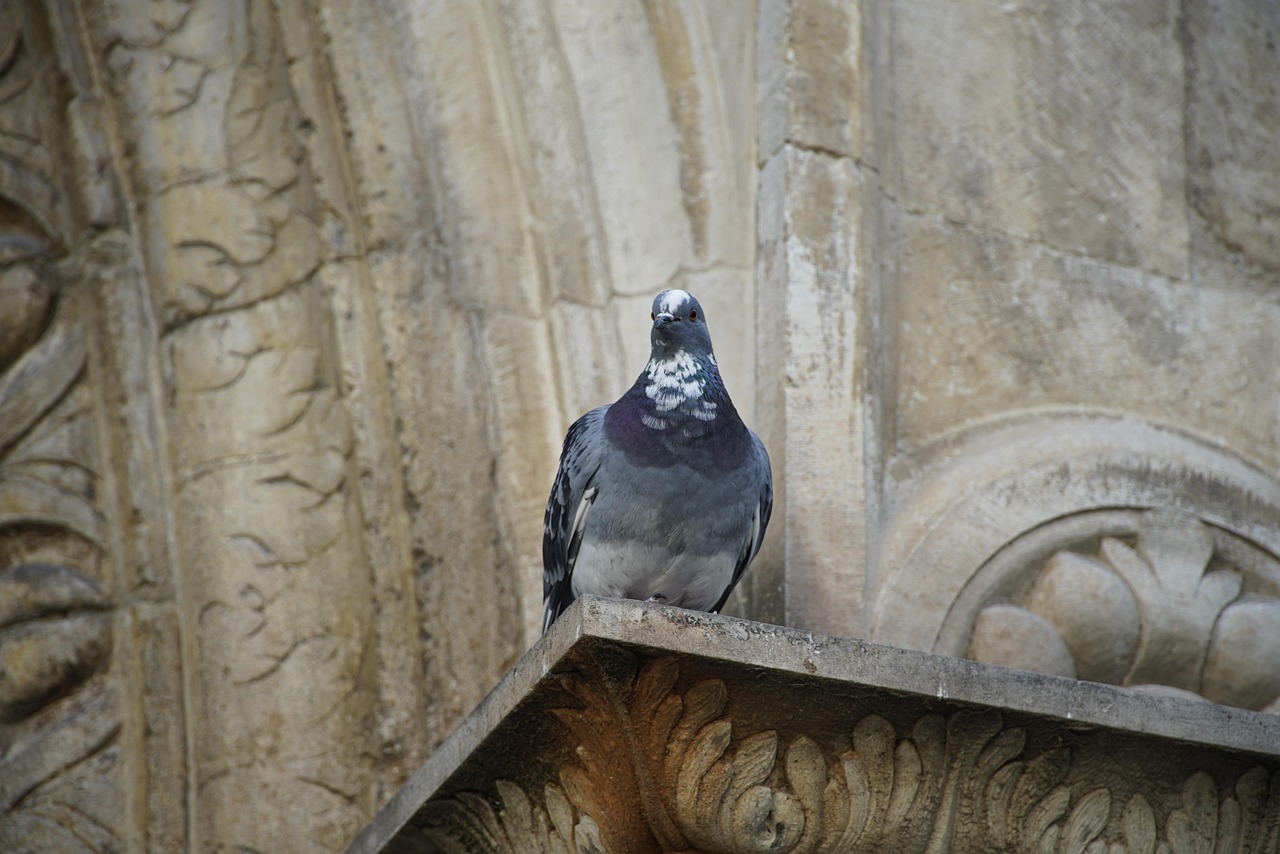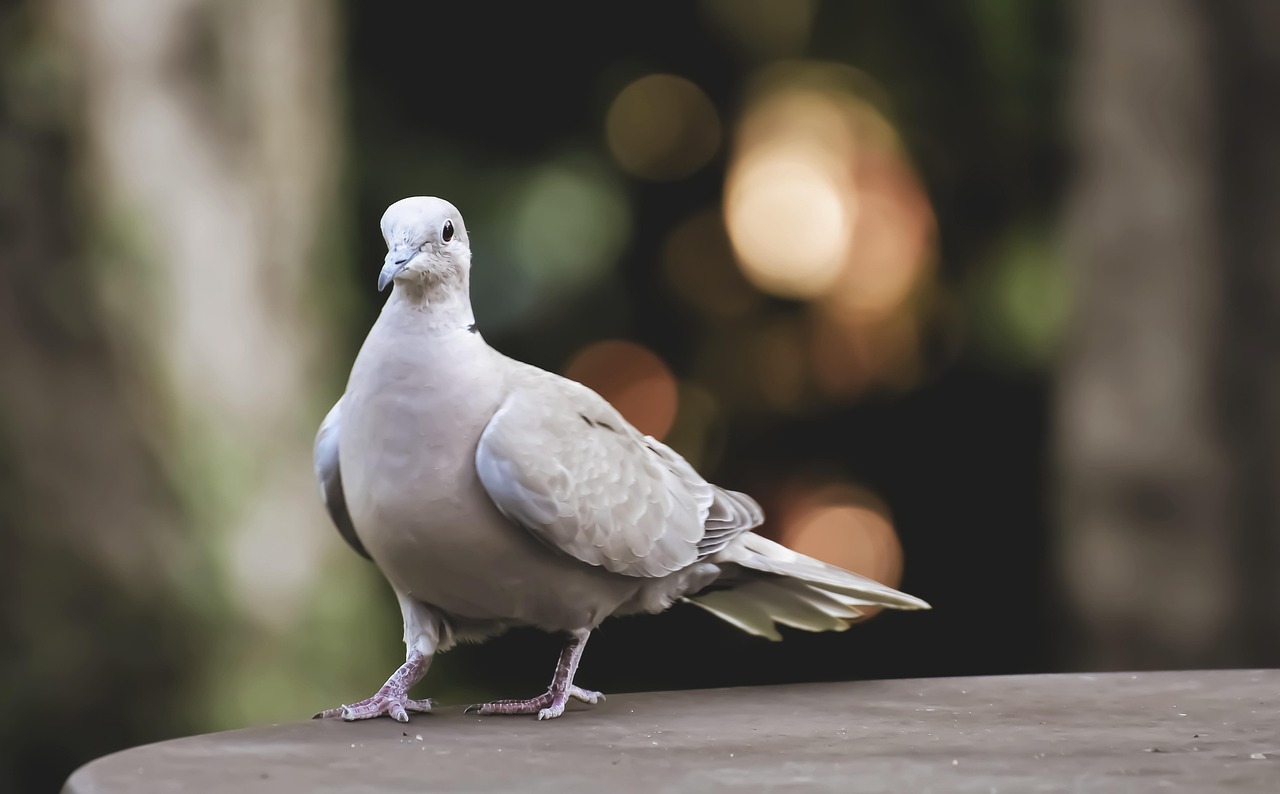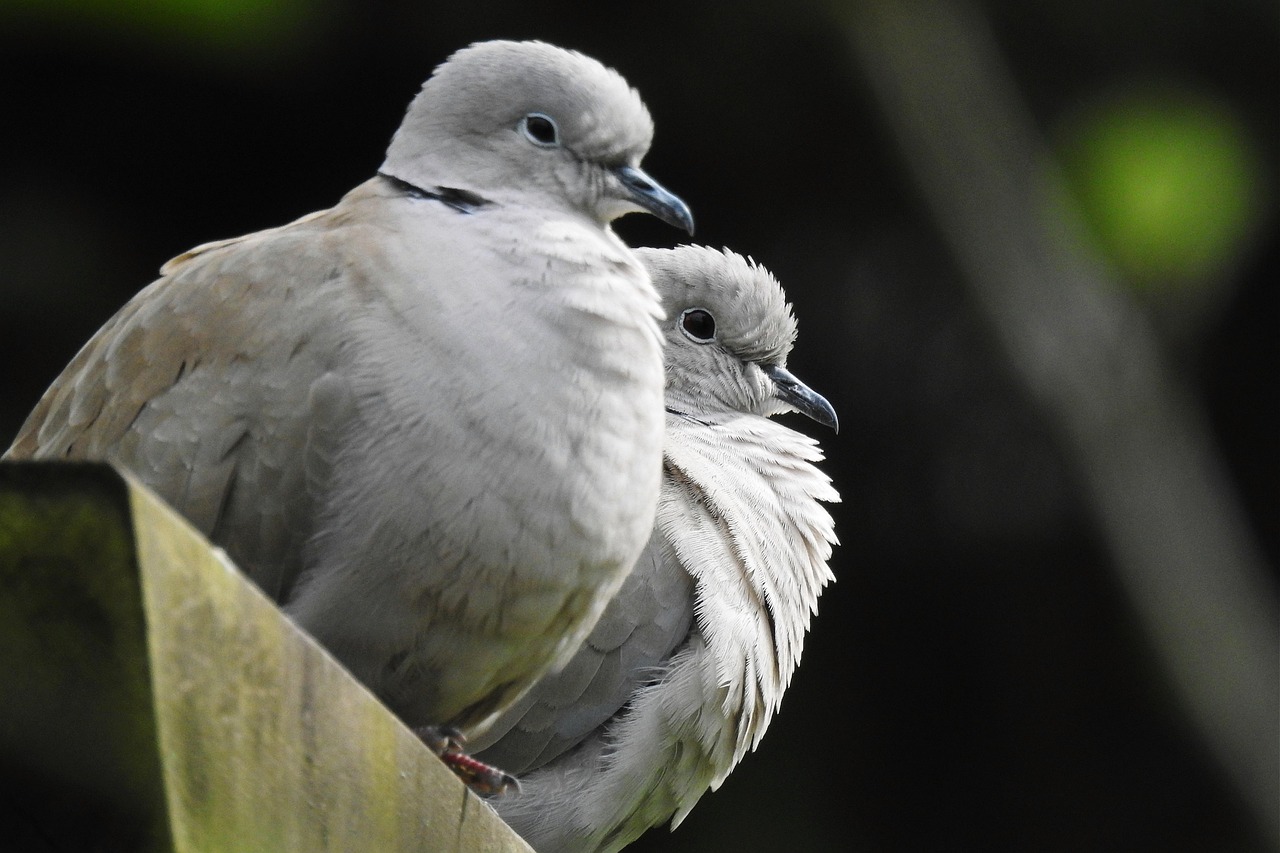
In the world of pigeon shows, a bird's market value is often determined by its visual appeal, making photography a critical skill for enthusiasts. This guide explores how to capture stunning images that highlight your pigeon's best features, enhancing its presentation and boosting its worth in competitive arenas. By mastering pigeon photography, you can transform your birds into standout contenders, attracting buyers and judges alike.
The Art of Pigeon Photography: Capturing Beauty and Character
Pigeon photography is more than just taking pictures; it's an art form that requires an understanding of your subject's unique traits. A great photo can showcase a bird's posture, feather quality, and overall health, which are key factors in show presentation. To excel, start by observing your pigeons in their natural environment, noting their behaviors and physical attributes that make them special. This foundational knowledge will guide your photographic approach, ensuring each shot tells a compelling story.
Understanding Your Subject: Key Features to Highlight
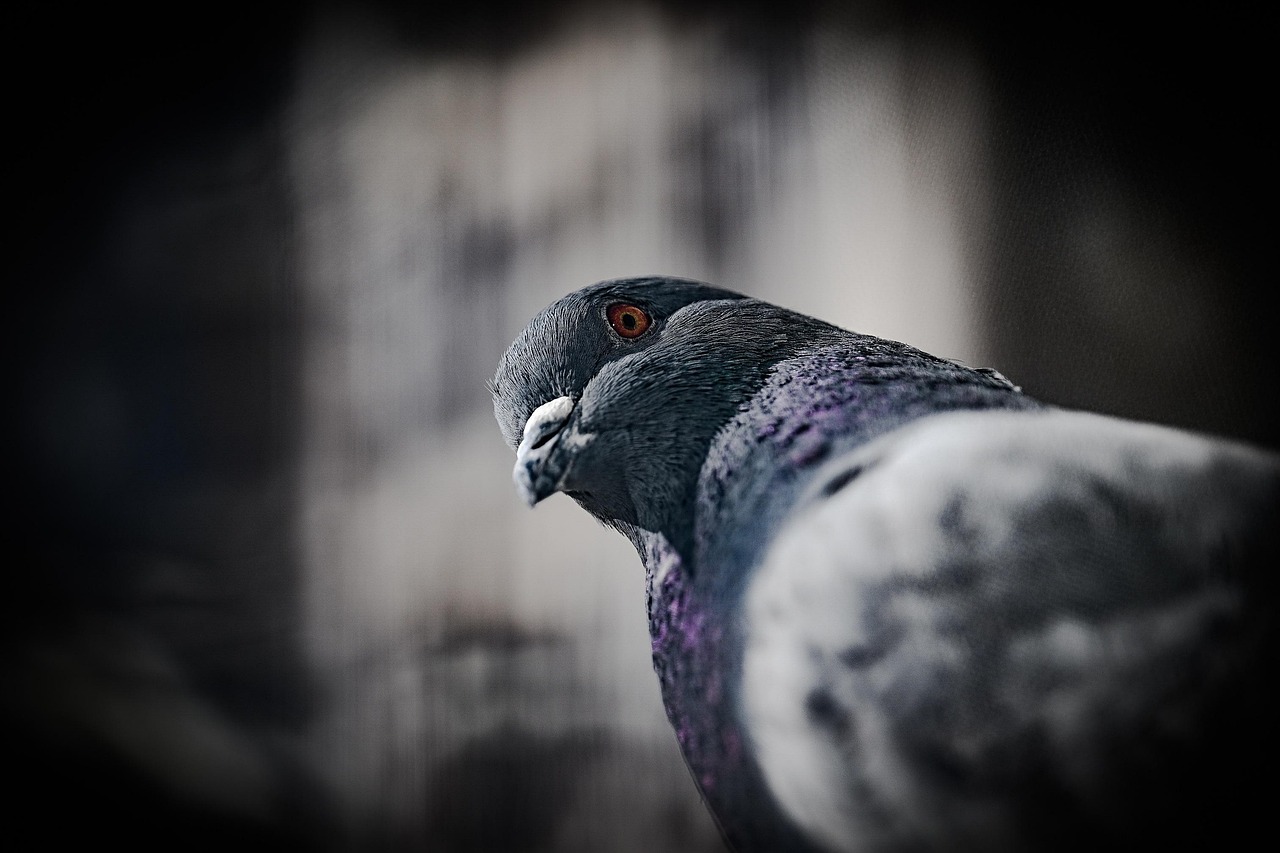
Every pigeon breed has distinct characteristics that judges look for in shows. For example, racing pigeons might be valued for their aerodynamic build, while fancy breeds like Fantails are prized for their elaborate plumage. In pigeon photography, focus on capturing these defining traits with clarity and detail. Use close-up shots to emphasize feather patterns, eye color, and beak shape, as these elements contribute significantly to a bird's aesthetic appeal. By highlighting these features, you create images that resonate with potential buyers and enhance the bird's perceived value.
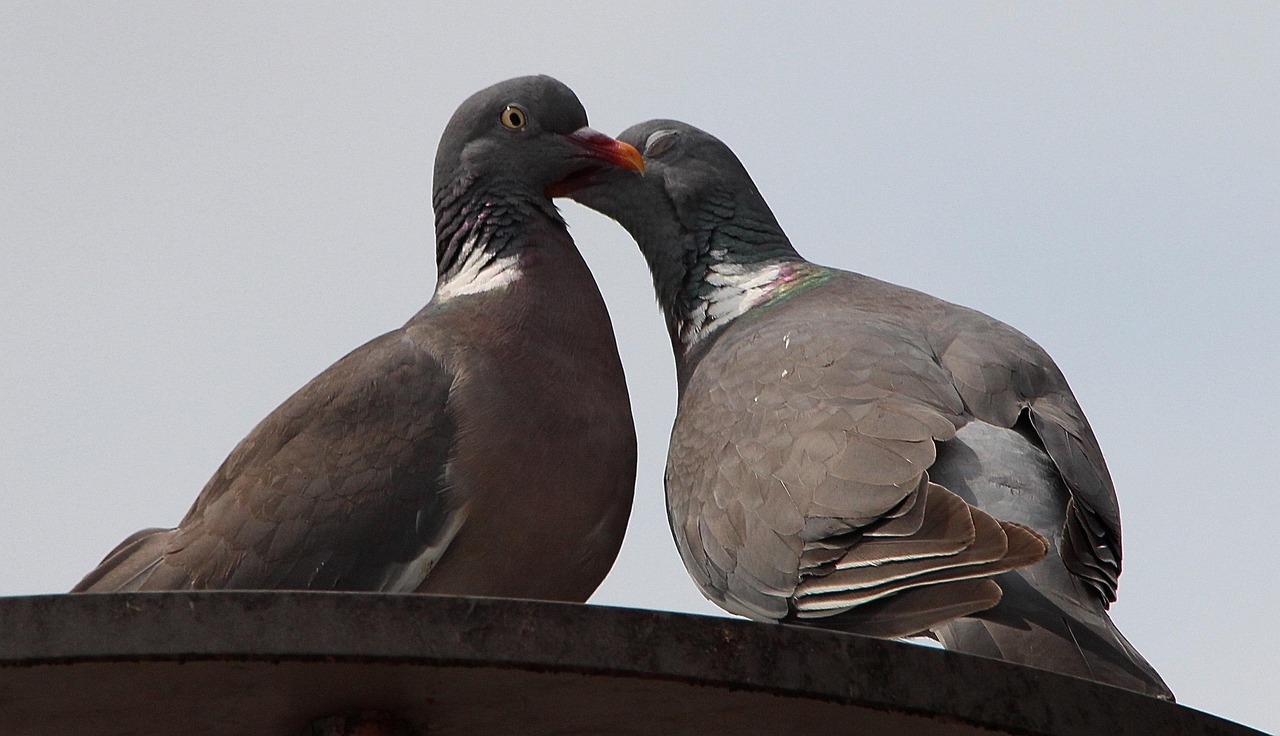
Additionally, consider the bird's posture and stance, as these reflect its confidence and health. A well-composed photo that shows a pigeon standing tall with wings neatly folded can convey strength and vitality. Practice taking photos from different angles to find the most flattering perspectives, and avoid shots that make the bird appear awkward or stressed. Remember, the goal is to present your pigeon in its best light, making it irresistible to those viewing it for show presentation purposes.
Technical Essentials: Camera Settings and Equipment
To achieve professional-quality pigeon photography, invest in the right equipment and master basic camera settings. A DSLR or mirrorless camera with a macro lens is ideal for capturing fine details, but even a smartphone with a good camera can suffice if used correctly. Key settings to adjust include aperture, shutter speed, and ISO. Use a wide aperture (e.g., f/2.8 to f/5.6) to create a shallow depth of field, blurring the background and making your pigeon stand out. This technique is particularly effective for show presentation, as it draws attention to the bird's features.
Shutter speed should be fast enough to freeze motion, especially if your pigeon is active; aim for at least 1/500th of a second to avoid blur. ISO settings should be kept low to reduce noise, but adjust as needed in low-light conditions. Natural lighting is often best for pigeon photography, as it brings out true colors and textures. Shoot during the golden hours—early morning or late afternoon—when the light is soft and flattering. Avoid harsh midday sun, which can create unflattering shadows and wash out details. With these technical basics, you'll be well-equipped to capture images that elevate your pigeon's market value.
Staging and Environment: Creating the Perfect Shot
The setting in which you photograph your pigeon plays a crucial role in its show presentation. A cluttered or distracting background can detract from the bird's beauty, while a clean, neutral environment allows its features to shine. Choose a location that complements your pigeon's colors and breed characteristics, such as a simple backdrop or a natural outdoor scene. This attention to staging not only improves the photo's aesthetic but also signals to viewers that you take pride in your birds, enhancing their perceived quality.
Choosing the Right Background and Props
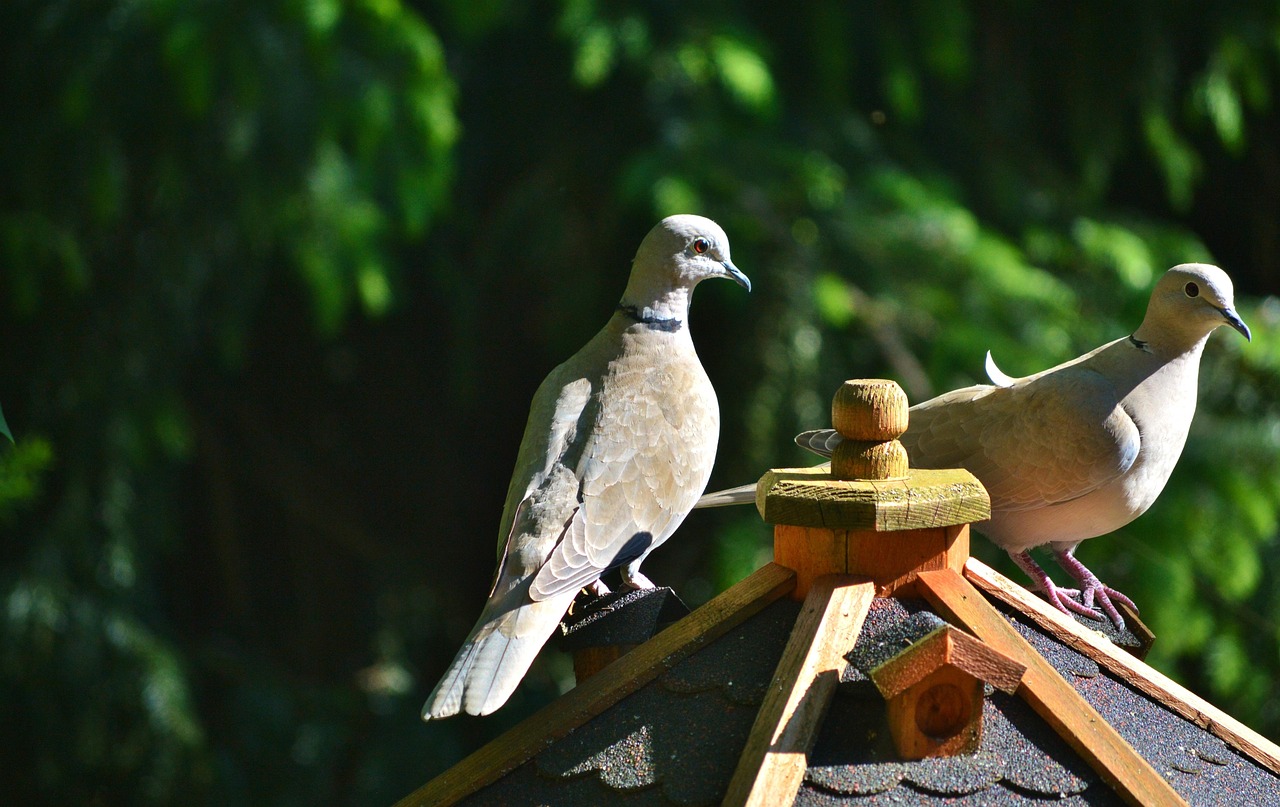
Selecting an appropriate background is essential for effective pigeon photography. Solid colors like white, gray, or black work well for most breeds, as they provide contrast and keep the focus on the bird. For a more natural look, use outdoor settings with greenery or sky, but ensure the background isn't too busy. Props can add context, such as perches or show cages, but use them sparingly to avoid overshadowing the pigeon. The key is to create a harmonious environment that enhances the bird's appearance without distracting from it.
When setting up the shot, consider the pigeon's comfort and safety. Use familiar perches or enclosures to reduce stress, as a relaxed bird will look more natural in photos. Avoid loud noises or sudden movements that could startle it. By creating a calm and controlled environment, you'll capture images that reflect the pigeon's true character, making them more appealing for show presentation. This thoughtful staging can significantly impact how your bird is perceived, potentially increasing its market value.
Working with Live Subjects: Patience and Timing
Photographing live pigeons requires patience and good timing, as birds can be unpredictable. Spend time acclimating your pigeon to the camera and environment before starting the shoot. Use treats or gentle handling to encourage cooperative behavior, and take breaks if the bird seems stressed. Capture shots during moments of stillness, such as when the pigeon is preening or resting, to get clear, detailed images. This approach not only yields better photos but also ensures the bird's well-being, which is crucial for maintaining its health and show readiness.
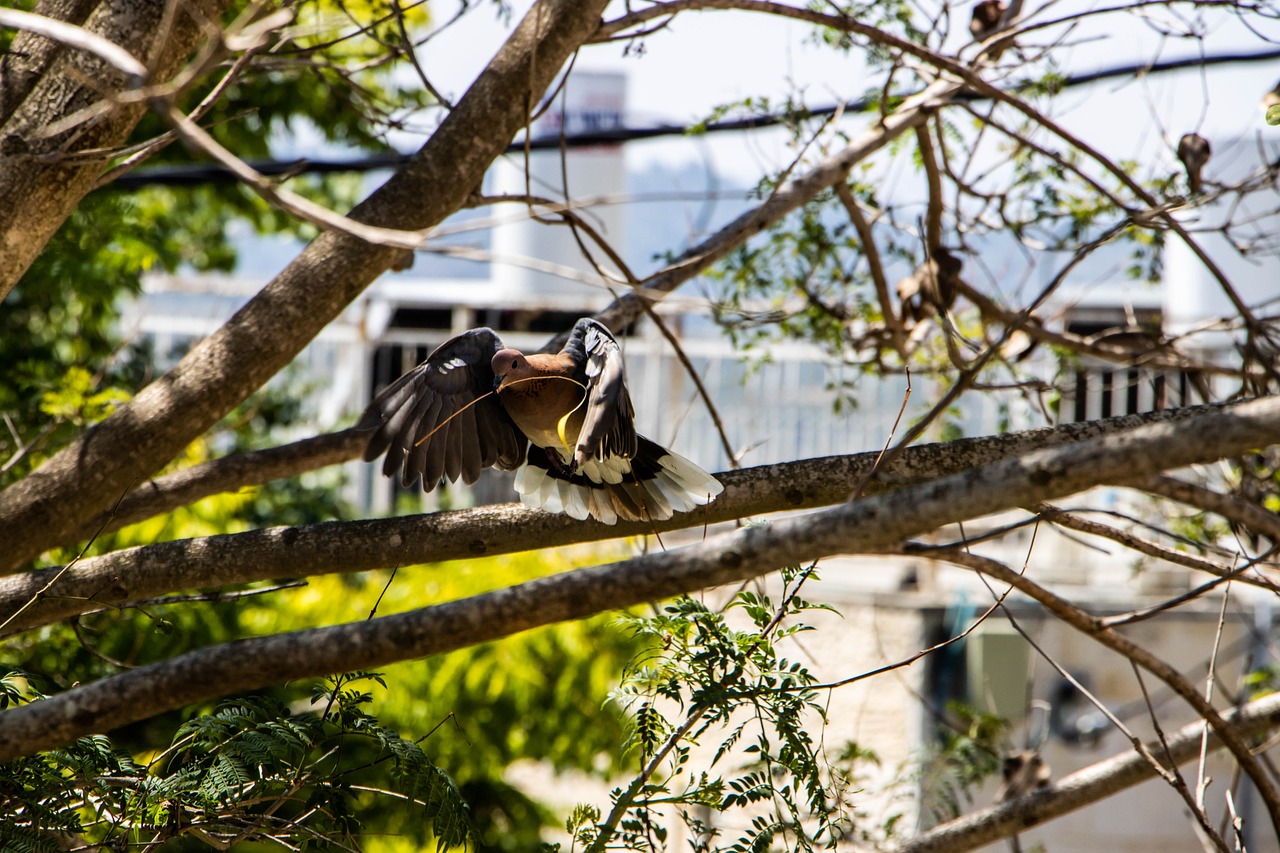
Timing is also important for capturing dynamic poses that showcase the pigeon's energy and grace. For example, photographing a bird in mid-flight or during a stretch can highlight its athleticism, adding to its appeal in show presentation. Use burst mode on your camera to take multiple shots in quick succession, increasing your chances of getting the perfect image. By combining patience with strategic timing, you'll create a portfolio of photos that truly represent your pigeon's best qualities, boosting its market value through compelling visual storytelling.
Post-Processing Techniques: Enhancing Your Images
After capturing your photos, post-processing can refine them for optimal show presentation. Basic edits like cropping, adjusting brightness, and enhancing colors can make a significant difference in how your pigeon is perceived. Use software like Adobe Lightroom or free apps to fine-tune your images, but avoid over-editing that makes the bird look unnatural. The goal is to enhance the photo's clarity and appeal while maintaining the pigeon's authentic appearance, ensuring it stands out in competitive settings.
Basic Edits for Clarity and Impact
Start with simple adjustments to improve your pigeon photography. Crop the image to remove distractions and focus on the bird, using the rule of thirds for balanced composition. Adjust exposure and contrast to ensure the pigeon is well-lit and its features are distinct. Enhance saturation slightly to bring out feather colors, but be cautious not to oversaturate, as this can look artificial. These basic edits can transform a good photo into a great one, making it more effective for show presentation and increasing the bird's market value.
Sharpening is another key technique for pigeon photography, as it highlights fine details like feather textures and eye clarity. Apply sharpening selectively to avoid introducing noise, and use noise reduction tools if needed for low-light shots. By mastering these basic edits, you'll create polished images that showcase your pigeon's best attributes, helping it make a strong impression in shows. Remember, the aim is to present the bird as accurately and attractively as possible, so keep edits subtle and true to life.
Advanced Tips for Professional Results
For those looking to take their pigeon photography to the next level, advanced post-processing techniques can add a professional touch. Consider using layers and masks in software like Photoshop to make targeted adjustments, such as brightening specific areas or removing minor blemishes. This allows for precise control over the image, enhancing the pigeon's features without altering its natural look. Advanced editing can also involve creating composite images for creative show presentation, but use this sparingly to maintain credibility.
Color grading is another advanced technique that can set your photos apart. Adjust the color balance to complement the pigeon's plumage, creating a cohesive and visually appealing image. For example, warm tones might enhance a red or brown bird, while cool tones could suit a blue or gray pigeon. By experimenting with these advanced methods, you'll develop a unique style that makes your pigeon photography stand out, ultimately boosting the bird's market value through superior visual presentation. Always prioritize authenticity to ensure your images remain trustworthy and effective.
Integrating Photography into Show Strategy
Pigeon photography should be an integral part of your overall show strategy, not just an afterthought. Use your photos to build a portfolio that tells the story of each bird, highlighting its achievements and potential. This portfolio can be shared online, in catalogs, or at shows to attract attention and drive interest. By strategically integrating photography into your marketing efforts, you enhance the show presentation of your pigeons, making them more desirable and increasing their market value over time.
Building a Portfolio for Marketing and Sales
A well-curated portfolio is a powerful tool for showcasing your pigeons in show presentation. Include a variety of photos that capture different angles, poses, and settings, providing a comprehensive view of each bird's qualities. Organize the portfolio by breed or achievement, making it easy for potential buyers to browse. Use high-quality images that reflect the care and expertise you put into your pigeons, as this builds trust and credibility. By presenting a professional portfolio, you signal that your birds are top-tier, justifying higher prices and attracting serious enthusiasts.
In addition to static images, consider creating video content to complement your pigeon photography. Short clips showing the bird in motion can highlight its grace and vitality, adding another dimension to its show presentation. Share your portfolio on social media, pigeon forums, and at events to reach a wider audience. This proactive approach not only markets your birds effectively but also establishes you as a knowledgeable breeder, further enhancing their perceived value. With a strong portfolio, you'll be better positioned to succeed in competitive shows and sales.
Using Photos to Engage Judges and Buyers
During shows, your pigeon photography can play a key role in engaging judges and buyers. Display your best images near your birds' enclosures to draw attention and spark conversations. Use photos to illustrate the bird's lineage, health records, or past awards, providing context that supports its value. This visual evidence can influence judges' perceptions and buyers' decisions, making your pigeons stand out in crowded show environments. By leveraging photography in this way, you enhance the overall show presentation, increasing the likelihood of success and higher market returns.
Engage with viewers by sharing stories behind the photos, such as the bird's training routine or unique traits. This personal touch adds depth to the show presentation, making your pigeons more memorable. Encourage feedback on your photos to improve your techniques and build relationships within the community. Over time, this engagement can lead to repeat business and referrals, solidifying your reputation and boosting your birds' market value. Remember, pigeon photography is not just about taking pictures; it's about creating connections that drive interest and sales.
Conclusion
Mastering pigeon photography is essential for elevating your birds' show presentation and market value. By focusing on key features, using proper techniques, and integrating photos into your strategy, you can create compelling images that attract judges and buyers alike. Remember to prioritize your pigeon's well-being throughout the process, ensuring healthy and happy subjects. For those looking to streamline their efforts, tools like Ghawy – Pigeon Manager (غاوي – إدارة الحمام) offer valuable support in managing and presenting your flock. Start applying these tips today to see a noticeable improvement in your pigeons' appeal and worth.