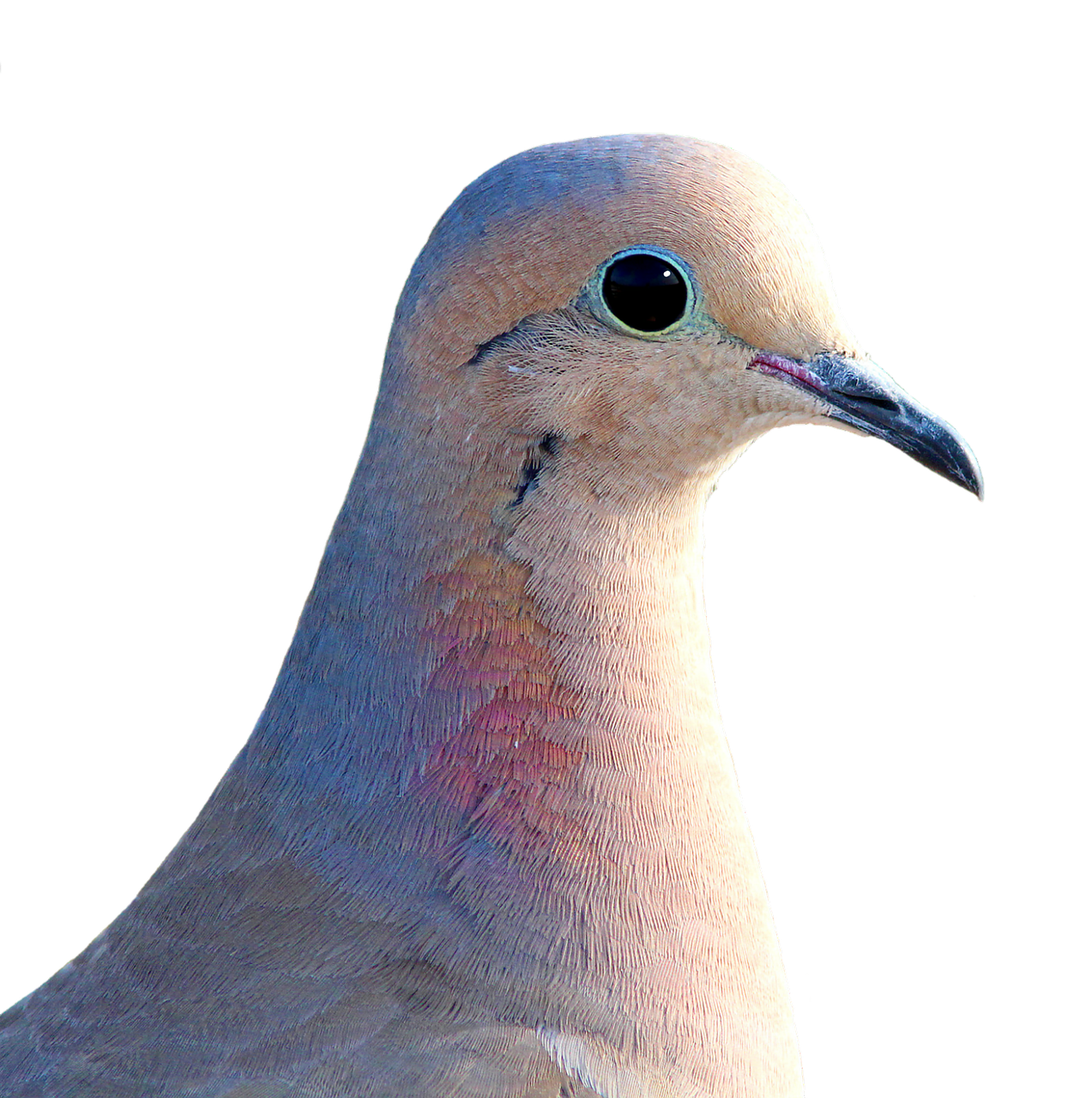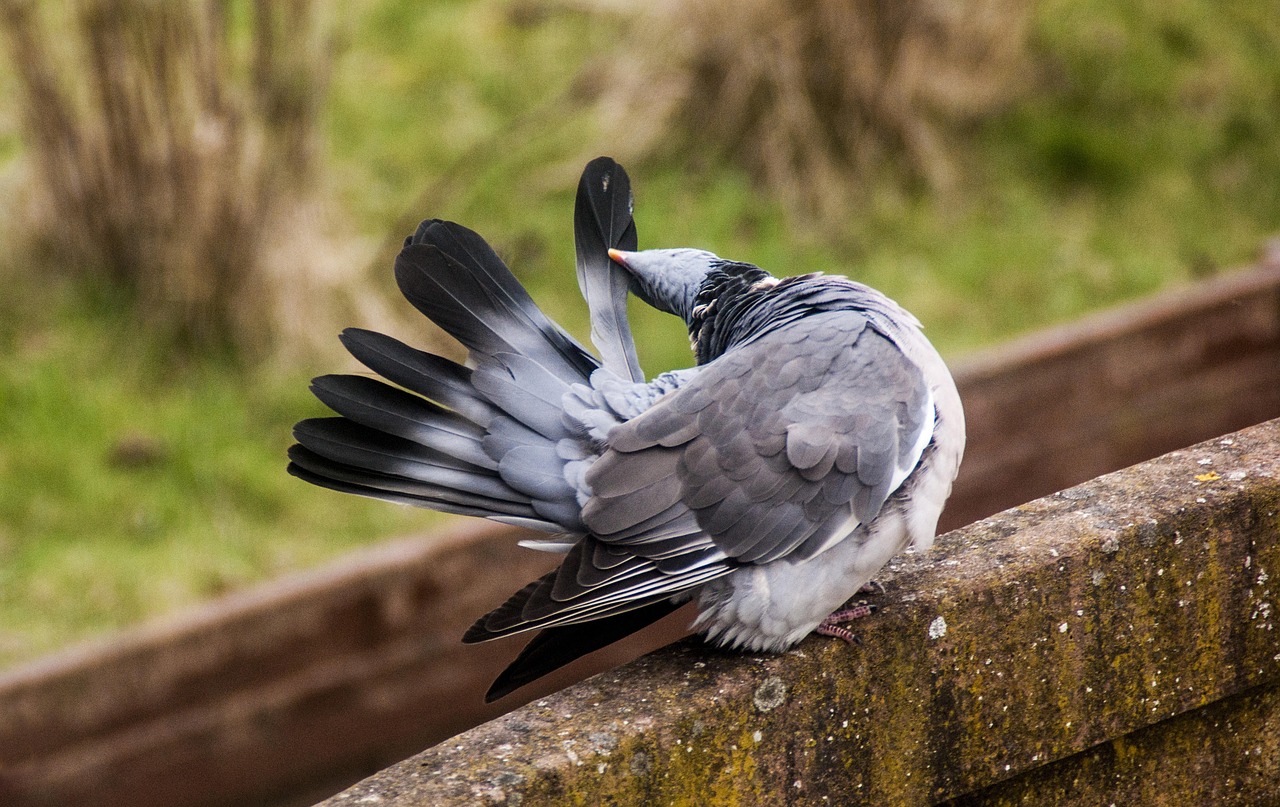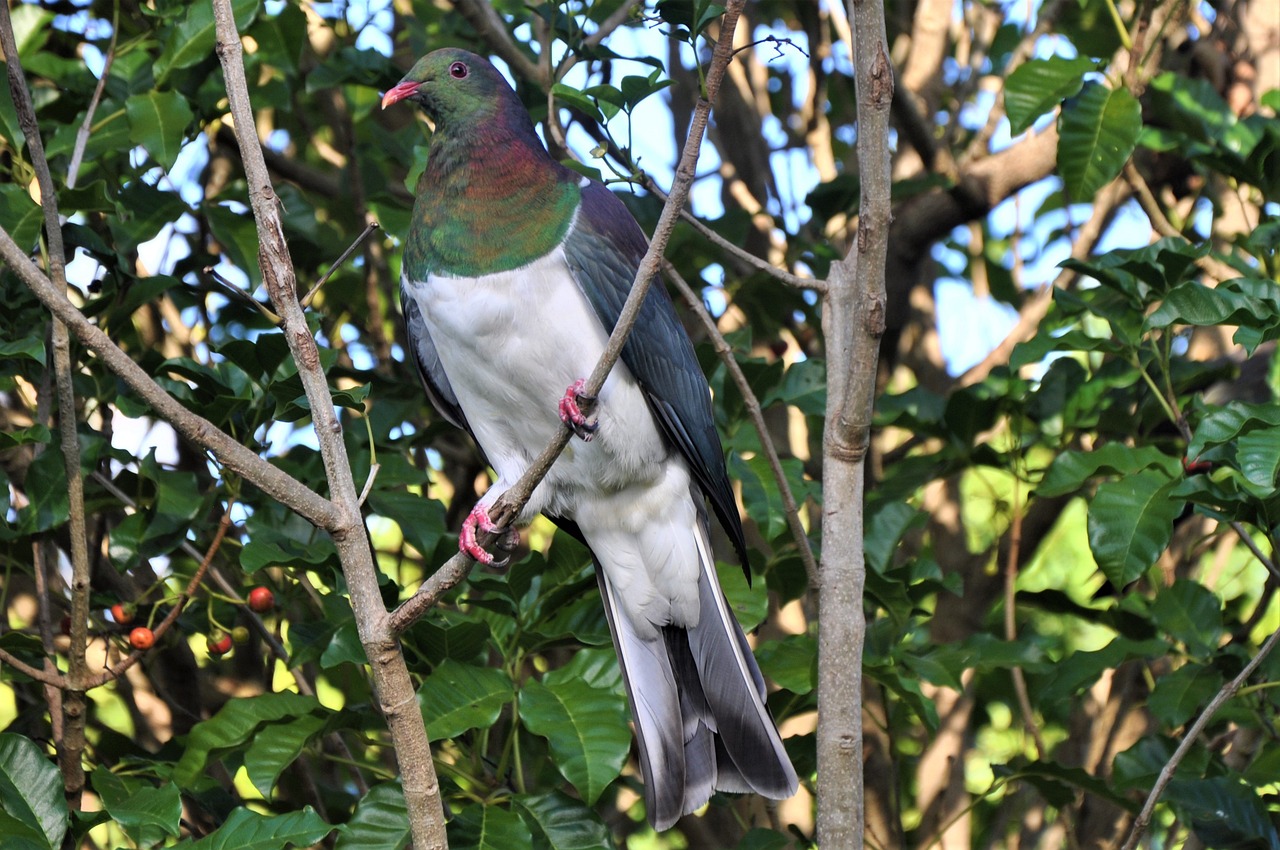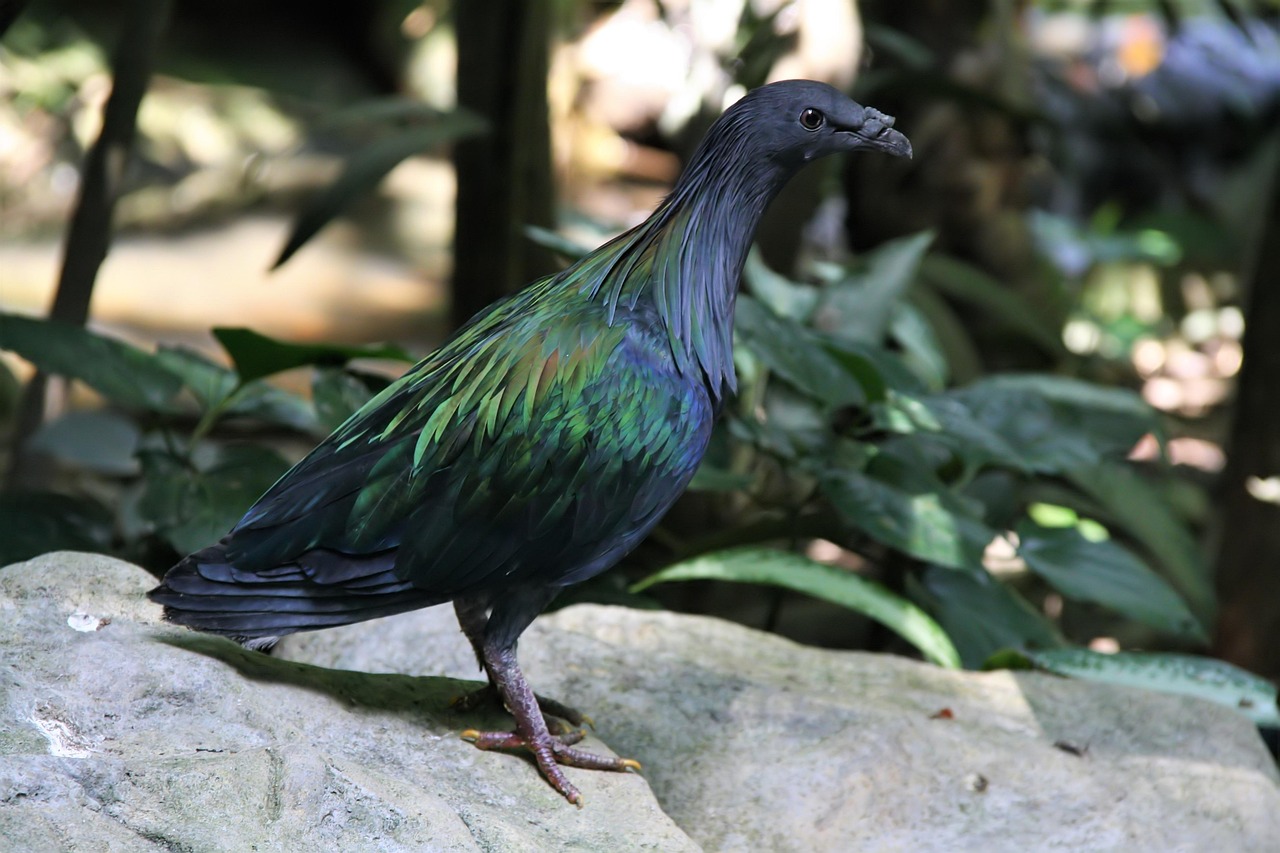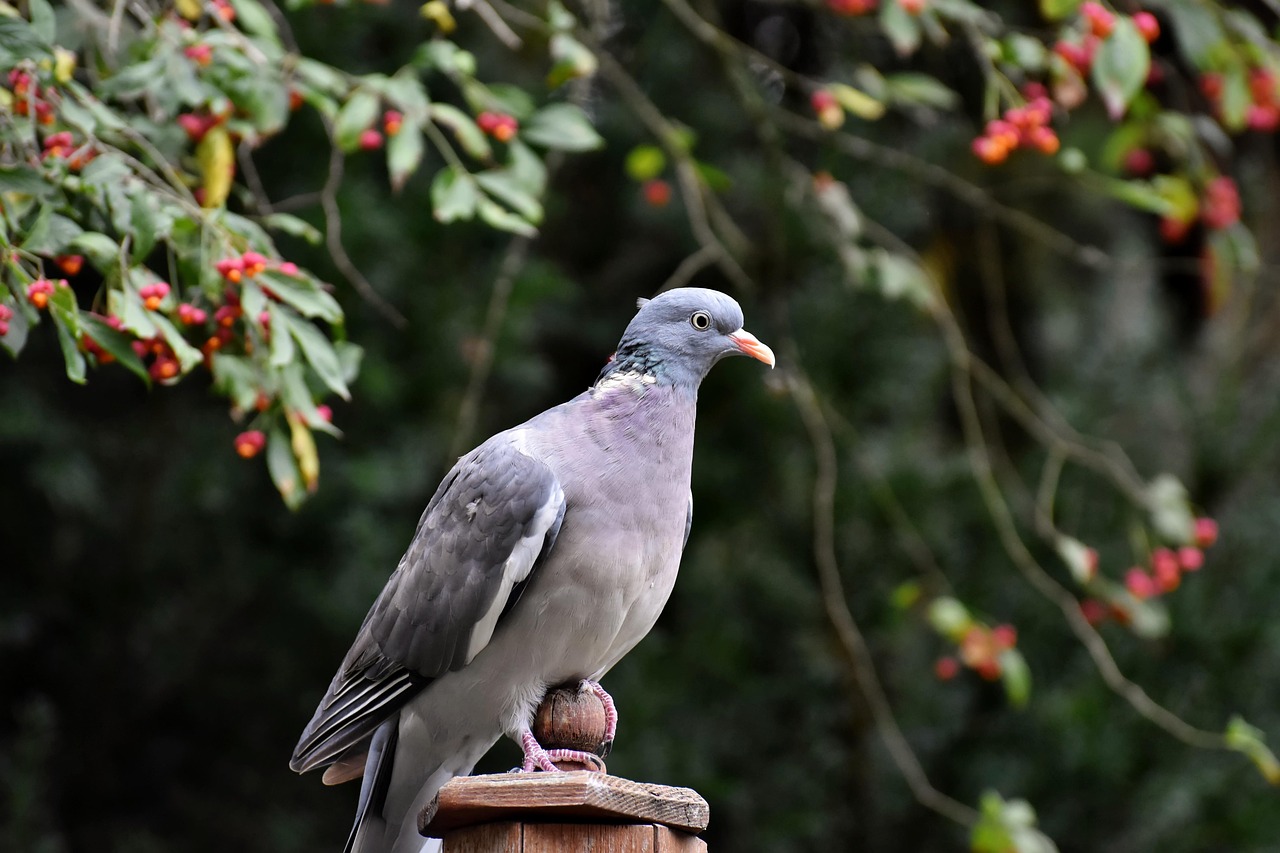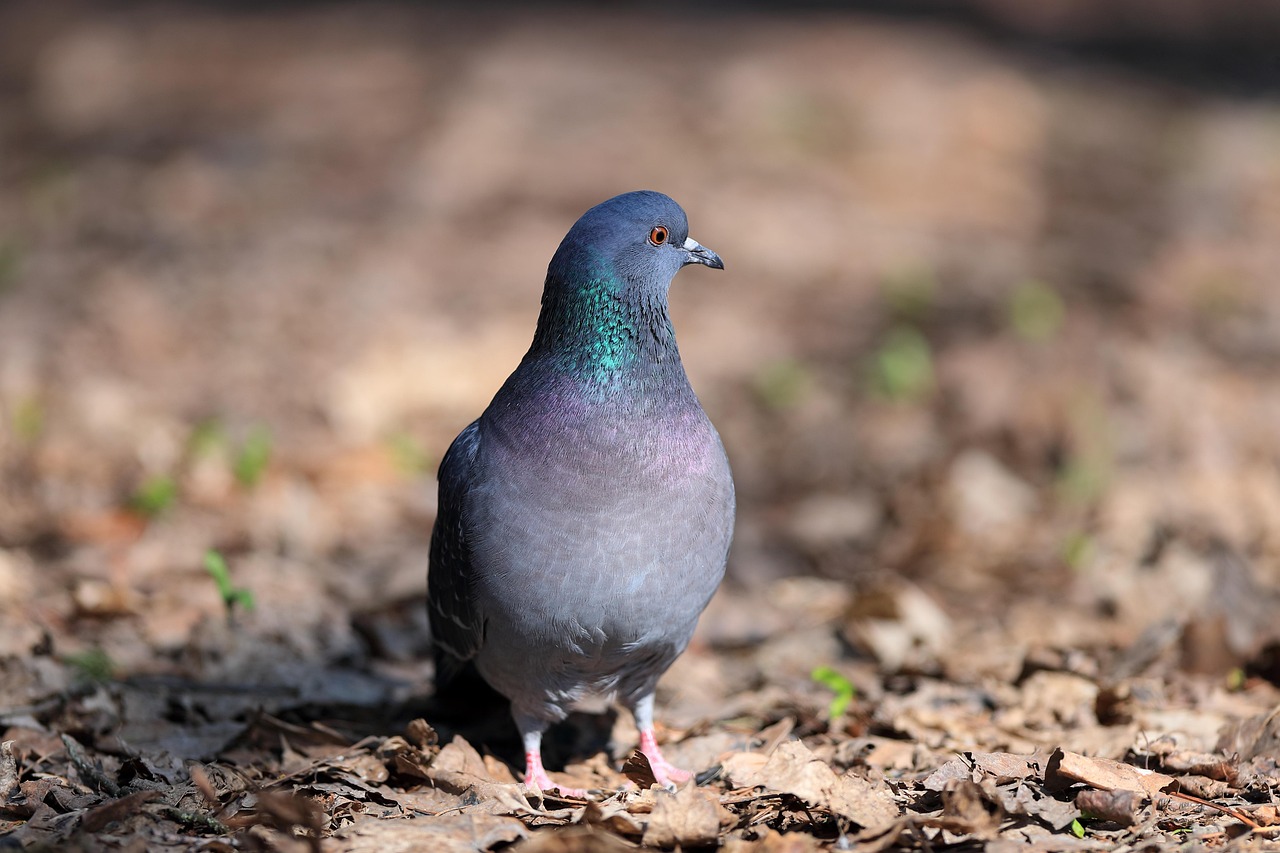
As the new season dawns, pigeon enthusiasts face the thrilling challenge of preparing their birds for long-distance races, with 100 kilometers marking a critical milestone. This article unveils a comprehensive training grid designed to optimize performance, blending strategic planning with practical insights for success. By focusing on a structured approach, you can transform your pigeons into resilient competitors ready to conquer the skies.
Building a Foundation for Distance Training Pigeons
Before diving into intensive workouts, establishing a solid foundation is essential for any distance training pigeons program. This phase sets the stage for endurance and health, ensuring your birds are physically and mentally prepared for the rigors ahead. A well-planned foundation reduces injury risks and enhances overall race readiness, making it a cornerstone of effective training.
Assessing Pigeon Health and Readiness
Begin by conducting thorough health checks on your pigeons, as their condition directly impacts training outcomes. Look for signs of vitality, such as clear eyes, smooth feathers, and active behavior, which indicate readiness for increased activity. Consult with a veterinarian to rule out underlying issues like parasites or respiratory problems that could hinder progress. Regular monitoring during this stage helps identify any weaknesses early, allowing for adjustments before advancing to more demanding exercises. By prioritizing health, you create a resilient flock capable of withstanding the stresses of distance training pigeons.
Designing a Baseline Training Schedule
Develop a baseline schedule that introduces pigeons to gradual increases in flight distance, starting with short, frequent sessions to build stamina. For example, begin with 10-kilometer flights three times a week, focusing on consistency rather than intensity to avoid overexertion. Incorporate rest days to allow for recovery, as this prevents burnout and promotes muscle development. Use this phase to observe individual performance, noting which birds excel and which may need extra support. A tailored approach ensures each pigeon progresses at its own pace, laying the groundwork for the race preparation grid.
Implementing the Race Preparation Grid
The race preparation grid serves as a strategic blueprint for systematically increasing training distances up to 100 kilometers. This methodical approach breaks down the journey into manageable segments, each designed to enhance specific skills like navigation and endurance. By following a grid, you can track progress and make data-driven adjustments, maximizing your pigeons' potential for race day success.
Structuring Incremental Distance Increases
Divide the 100-kilometer goal into incremental stages, such as 20km, 40km, 60km, 80km, and finally 100km, with each stage lasting one to two weeks depending on pigeon response. At each level, focus on maintaining a steady pace and encouraging group cohesion, as flying in formation can boost confidence and efficiency. Introduce varied terrains and weather conditions to simulate race scenarios, helping pigeons adapt to real-world challenges. Monitor fatigue levels closely, reducing distance if signs of stress appear, to ensure a sustainable buildup. This structured progression is key to effective distance training pigeons.
Integrating Navigation and Orientation Drills
Enhance your race preparation grid with navigation drills that sharpen pigeons' homing instincts, a critical skill for long-distance races. Release birds from unfamiliar locations at increasing distances, starting with 5km and working up to 50km, to test and improve their orientation abilities. Use landmarks and natural cues during training to reinforce memory and decision-making under pressure. Record return times and routes to identify patterns, allowing you to tailor future sessions for better performance. These drills not only build physical endurance but also mental acuity, preparing pigeons for the unpredictability of competitions.
Optimizing Nutrition and Recovery Strategies
Nutrition and recovery are vital components of any distance training pigeons regimen, directly influencing energy levels and overall health. A balanced diet fuels performance, while proper rest prevents injuries and promotes growth. By optimizing these aspects, you can ensure your pigeons remain strong and motivated throughout the training cycle.
Tailoring Diets for Endurance and Energy
Design a nutrition plan rich in proteins, carbohydrates, and essential vitamins to support the high-energy demands of distance training pigeons. Incorporate grains like corn and peas for sustained energy, along with supplements such as electrolytes to maintain hydration during long flights. Adjust portions based on training intensity, increasing food intake during peak periods and reducing it on rest days to avoid weight gain. Regularly assess body condition and adjust diets as needed, ensuring each pigeon receives personalized care. A well-fed pigeon is more likely to excel in the race preparation grid.
Implementing Effective Recovery Protocols
Establish recovery protocols that include adequate rest, hydration, and gentle exercises like short walks to promote circulation after intense flights. Provide a stress-free environment with clean, spacious lofts to encourage relaxation and reduce anxiety. Use techniques such as massage or warm baths to soothe muscles and prevent stiffness, especially after reaching milestones like 60 kilometers. Monitor for signs of overtraining, such as lethargy or decreased appetite, and adjust the schedule accordingly. Prioritizing recovery ensures pigeons remain in peak condition for the next phase of training.
Monitoring Progress and Adjusting the Grid
Continuous monitoring is essential to refine the race preparation grid and address any issues that arise during training. By tracking performance metrics and observing behavior, you can make informed decisions that enhance outcomes. This proactive approach allows for flexibility, ensuring the grid evolves with your pigeons' needs.
Tracking Performance Metrics and Data
Use tools like flight logs and GPS trackers to collect data on speed, distance, and return times, providing insights into each pigeon's progress. Analyze this information to identify trends, such as which birds consistently perform well or struggle at certain distances. Share findings with fellow enthusiasts to gain perspectives and improve strategies, fostering a collaborative learning environment. Regularly review the data to adjust training intensities or introduce new challenges, keeping the race preparation grid dynamic and responsive. This data-driven method maximizes the effectiveness of distance training pigeons.
Adapting to Individual Pigeon Needs
Recognize that each pigeon has unique strengths and weaknesses, requiring personalized adjustments within the grid. For slower learners, extend training phases or reduce distances to build confidence, while for high performers, introduce advanced drills to prevent boredom. Observe social dynamics within the flock, as group harmony can impact overall performance, and make changes if conflicts arise. Stay attuned to environmental factors like weather changes, modifying schedules to ensure safety and comfort. By adapting the grid, you create a tailored experience that boosts success rates.
Conclusion
Mastering distance training pigeons through a detailed race preparation grid empowers you to achieve remarkable results in the new season. By focusing on foundation-building, structured increments, nutrition, recovery, and continuous monitoring, you can guide your flock to conquer 100 kilometers with confidence. Remember, consistency and adaptability are key to long-term success. For those seeking to streamline their efforts, consider exploring tools like Ghawy – Pigeon Manager (غاوي – إدارة الحمام) to enhance your training management. Embrace this journey with passion, and watch your pigeons soar to new heights.